







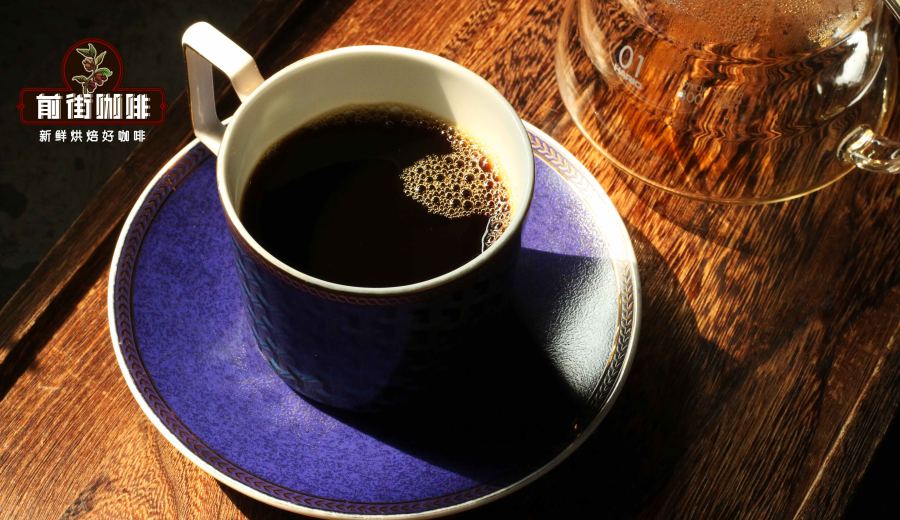
Introduction:Many beginner coffee drinkers are puzzled by the slight acidity in Indonesian Golden Mandheling. In fact, this is closely related to the wet-hulled processing method and dark roasting techniques. This article delves into the origins, processing methods, and roasting logic of PWN Golden Mandheling, helping you understand its aroma profile and flavor characteristics. It also provides practical brewing parameters for various methods such as pour over, moka pot, and French press, to help you find the most suitable way to enjoy its taste.
Mandheling coffee has always been a representative of premium Indonesian coffee. However, many first-time coffee enthusiasts often wonder: why does high-quality PWN Golden Mandheling still carry a hint of acidity? In fact, this is inseparable from its use of the wet-hulled processing method and subsequent roasting strategies. This article will explore everything from entry-level beans to the premium PWN Golden Mandheling, detailing its wet-hulling process, flavor profile, and roasting direction. It also offers brewing suggestions for different equipment such as pour over, SOE, and moka pot, allowing you to more precisely grasp the charm of this classic Indonesian bean and determine if it suits your palate.
If you’re just beginning to explore Indonesian coffee, it’s recommended to start with an entry-level Mandheling that offers better value for money. These beans are typically processed using the wet-hulled method, which is much faster than traditional washed processing. Traditional washed processing often takes one to three weeks, while the wet-hulled method can be completed in just a few days. The specific steps include: first removing the skin and pulp, undergoing a short fermentation period, then preliminary sun drying until the beans reach a semi-dry state. At this point, the parchment layer is removed, followed by continued drying until the moisture content reaches about 12%. While this process significantly shortens the time, it also exposes the green beans to humid and hot air during the semi-dry stage, making them prone to absorbing surrounding moisture, which can bring out deep notes such as woody, herbal, and spicy undertones.
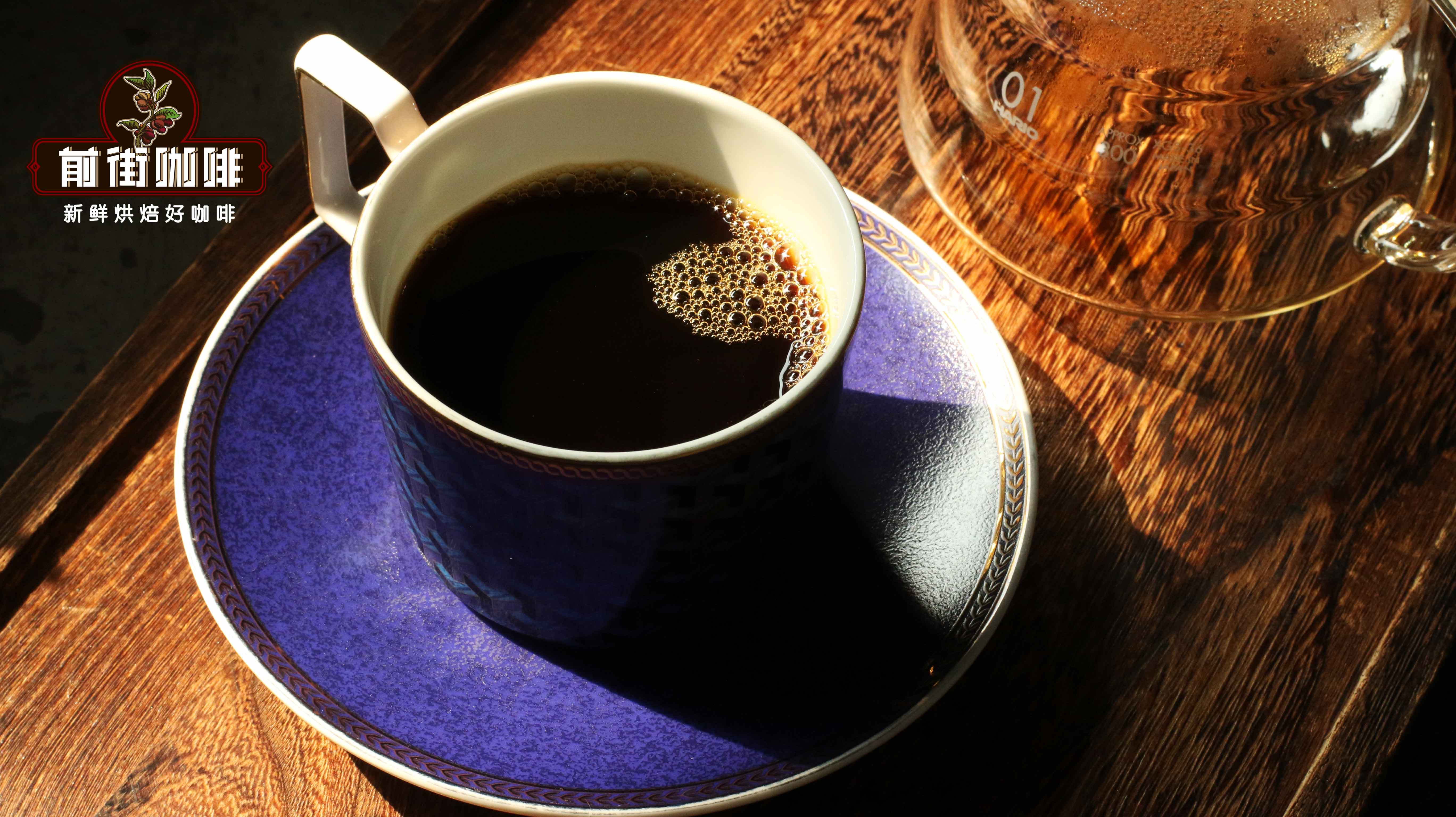
To restore the classic rich flavors of Mandheling, many roasters opt for a medium to dark roast level, effectively suppressing excessive acidity while enhancing body and overall balance. This roasting strategy results in brewed coffee that showcases natural aromas of spices, herbs, and pine, along with the rich bitterness-sweetness of caramel, nuts, and dark chocolate. It also emits the strong personality and wild charm commonly found in Asian coffees.
If you want to experience the characteristics of Mandheling through espresso, you can try a classic blend based on Brazilian Red Bourbon and Mandheling. Some recipes also add a small amount of Robusta to enhance crema and mouthfeel richness. Such blends typically exhibit a buttery smooth texture, nutty aromas, and an interplay of dark chocolate and spices. Their strong regional character and rich crema make them a daily favorite for many coffee aficionados.
For those with some coffee experience who want to try a higher-quality Mandheling, PWN Golden Mandheling is an extremely representative choice. This bean is also processed using Indonesia’s traditional wet-hulled method. Although this process, due to its short processing time and minimal bean protection, leads to a slightly higher defect rate, it also gives the coffee beans a unique herbal and woody muted aroma—this is one of the important sources of the “regional flavor” of Indonesian coffee. During the drying process, the lack of parchment protection means the green beans are directly exposed to environmental moisture and microorganisms, further shaping a rich and complex aroma profile.
PWN Golden Mandheling is usually dark roasted to enhance the layers of caramel, dark chocolate, and nut aromas. It is very suitable for extraction using various methods such as pour over, French press, moka pot, and siphon. Its flavor profile is full-bodied, with a balanced bitterness and sweetness, and almost no unpleasant sharp acidity. As a result, it is highly favored by drinkers who dislike acidity and prefer rich black coffee.
Practical advice: For pour over, it is recommended to use a medium-fine grind (about the size of granulated sugar), with water temperature controlled at 90-92°C, and a coffee-to-water ratio of 2:1 to 2.5:1. Using a center pour method for slow extraction can more fully release its caramel sweetness and spice layers. If using a moka pot, it is advised not to use too high heat—opt for medium heat and even heating, with an extraction time of around 25-30 seconds for the best results. This yields a coffee experience that is rich and carries a chocolatey aftertaste.
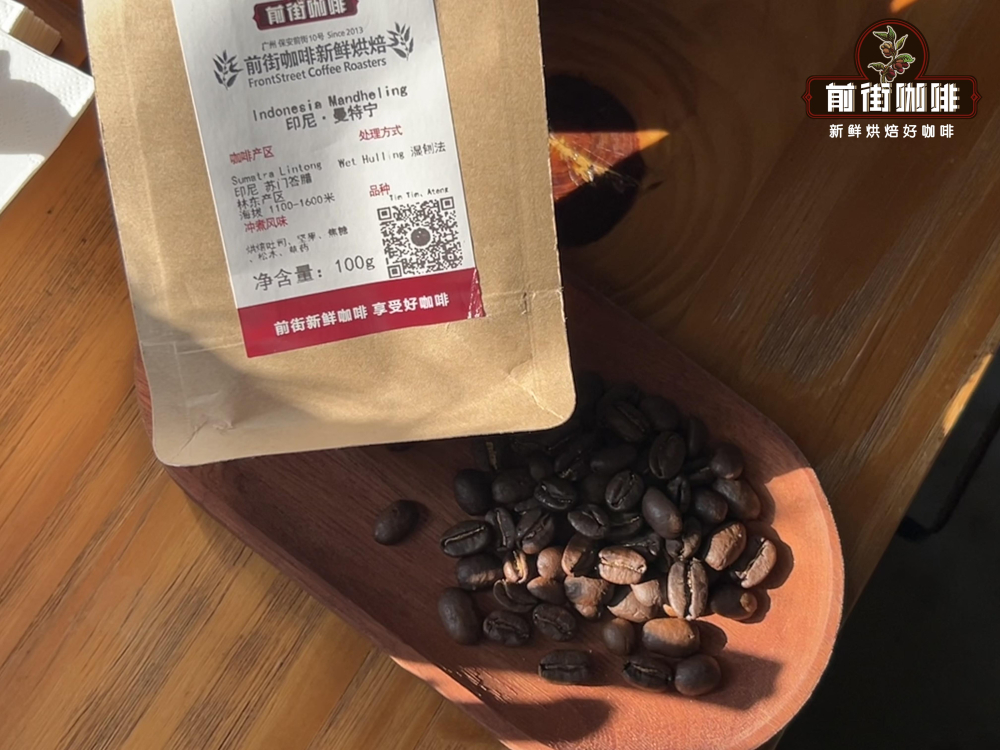
In summary, PWN Golden Mandheling is a richly flavored and layered premium Indonesian coffee. Its dark chocolate-like body and nutty aromas make it not only suitable for everyday pour over enjoyment but also a high-end choice for gifting to family and friends. If you’re looking for a black coffee that is free of sharp acidity yet full of sweet caramel and deep spice complexity, then this iconic Mandheling is definitely worth a try.
The above content is compiled by CoffeeHunters, a coffee news website.


