







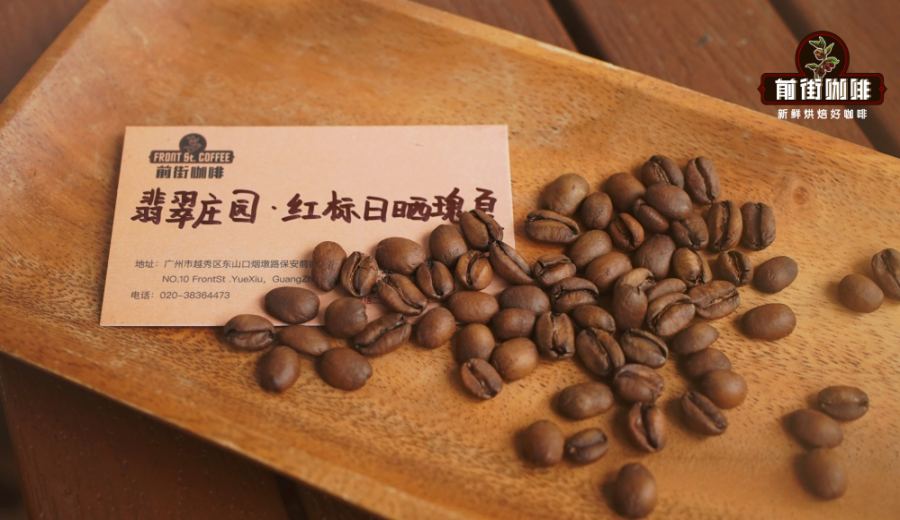
Introduction:Geisha coffee is renowned worldwide for its distinctive floral and fruity aromas and its rare, premium status. But what secrets lie behind its success? This article delves into the journey of the Geisha variety—from its Ethiopian origins to Panama’s top-producing regions—analyzes the key grading differences between Hacienda La Esmeralda and Geisha Village, and details the selection criteria and flavor profiles of Red Label, Green Label, Blue Label, and Gold Label grades, helping you appreciate this flagship specialty coffee from a professional perspective.
In the pantheon of specialty coffee, Geisha (or Geisha) is undoubtedly the brightest star. Not only has it repeatedly achieved record-breaking auction prices, but its unique floral and fruity notes, along with its delicate flavor profile, have made it the dream bean for many coffee enthusiasts. This article will start with its historical origins and take an in-depth look at Panama Geisha’s grading system, showing you how Hacienda La Esmeralda and Geisha Village achieve these top-tier coffees through rigorous selection and processing.
The legend of Geisha began in 2004, when a coffee from Panama’s Hacienda La Esmeralda stunned the Best of Panama competition. Judges were impressed by its unprecedented floral and fruity notes. Initially thought to be a misplanted Ethiopian bean, the submission from the Peterson family of Hacienda La Esmeralda turned out to be a special variety from Panama’s high-altitude regions. This variety originated from the Gori Gesha forest in Ethiopia, later introduced to Panama via agricultural institutions in Costa Rica, where it found remarkable potential in the Jaramillo region.
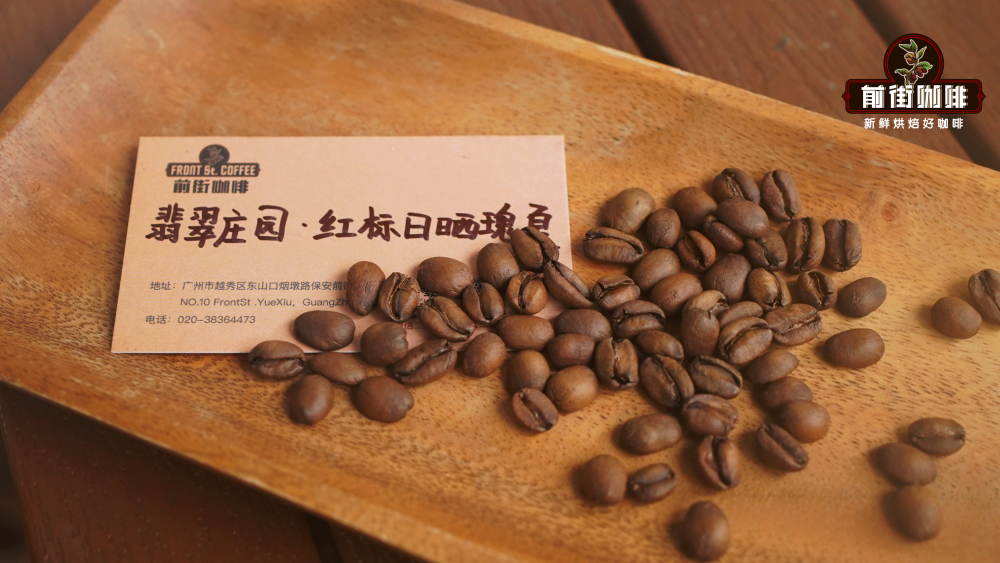
Originally from Ethiopia’s Gori Gesha forest, Geisha seeds were brought back by British officials as early as the 1930s. After decades of circulation, Panamanian agricultural officials introduced the seeds in the 1960s. These seeds were later planted in the Boquete region, with one key farm being Jaramillo—the sub-farm later acquired by Hacienda La Esmeralda. Daniel Peterson, son of the Peterson family, discovered during management that some coffee trees grown above 1,500 meters exhibited exceptionally unique floral and fruity acidity traits. This was the Geisha that would later gain global fame.
In 2004, this coffee won the Best of Panama competition, sparking an enthusiastic international response. Bidding prices soared, even breaking several hundred dollars per pound, solidifying its status as a top-tier coffee. Subsequently, Geisha cultivation spread to other Central and South American countries such as Colombia, Honduras, and Guatemala, but its original flavor remains best represented by Panama.
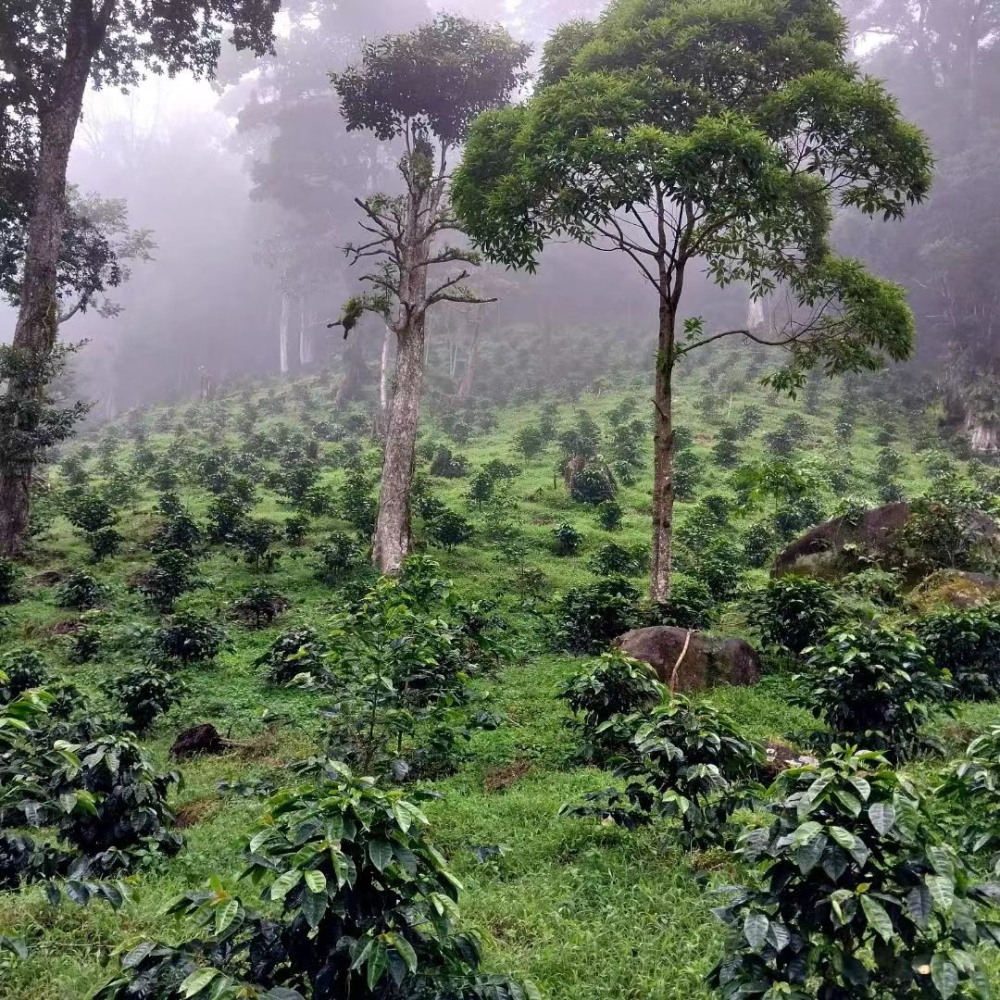
Interestingly, despite sharing the same name, Panama Geisha and the Geisha grown at Ethiopia’s Geisha Village Farm actually come from different genetic sources. Founders Adam and William of Geisha Village visited the Gori Gesha forest in 2007, discovered tree varieties with flavors similar to Panama Geisha, and subsequently planted them locally, establishing Geisha Village Farm just about 12 miles from the original forest. Although the names are similar, the two are distinct varieties, showing significant differences in green bean appearance and flavor profiles.
To explore Geisha’s grading system in depth, we can start with two representative farms: Panama’s Hacienda La Esmeralda and Ethiopia’s Geisha Village. Hacienda La Esmeralda divides Geisha into three main grades: Red Label, Green Label, and Blue Label. Red Label represents the top beans from Geisha’s core producing areas, typically sourced from the Jaramillo, Cañas Verdes, and El Velo blocks, and is released in limited quantities via auction. Green Label consists of Geisha from the same farm but with slightly different micro-blocks; the flavor remains excellent and is suitable for everyday drinking. Blue Label is a designation used by Hacienda La Esmeralda to distinguish non-Geisha varieties, though it is less mentioned within the Geisha series. Hacienda La Esmeralda rigorously manages each small plot, and its Geisha-growing area has now expanded to 22 finely divided micro-plots, while it continues to seek better growing environments, including the newly acquired Finca Agua Fría in 2022.
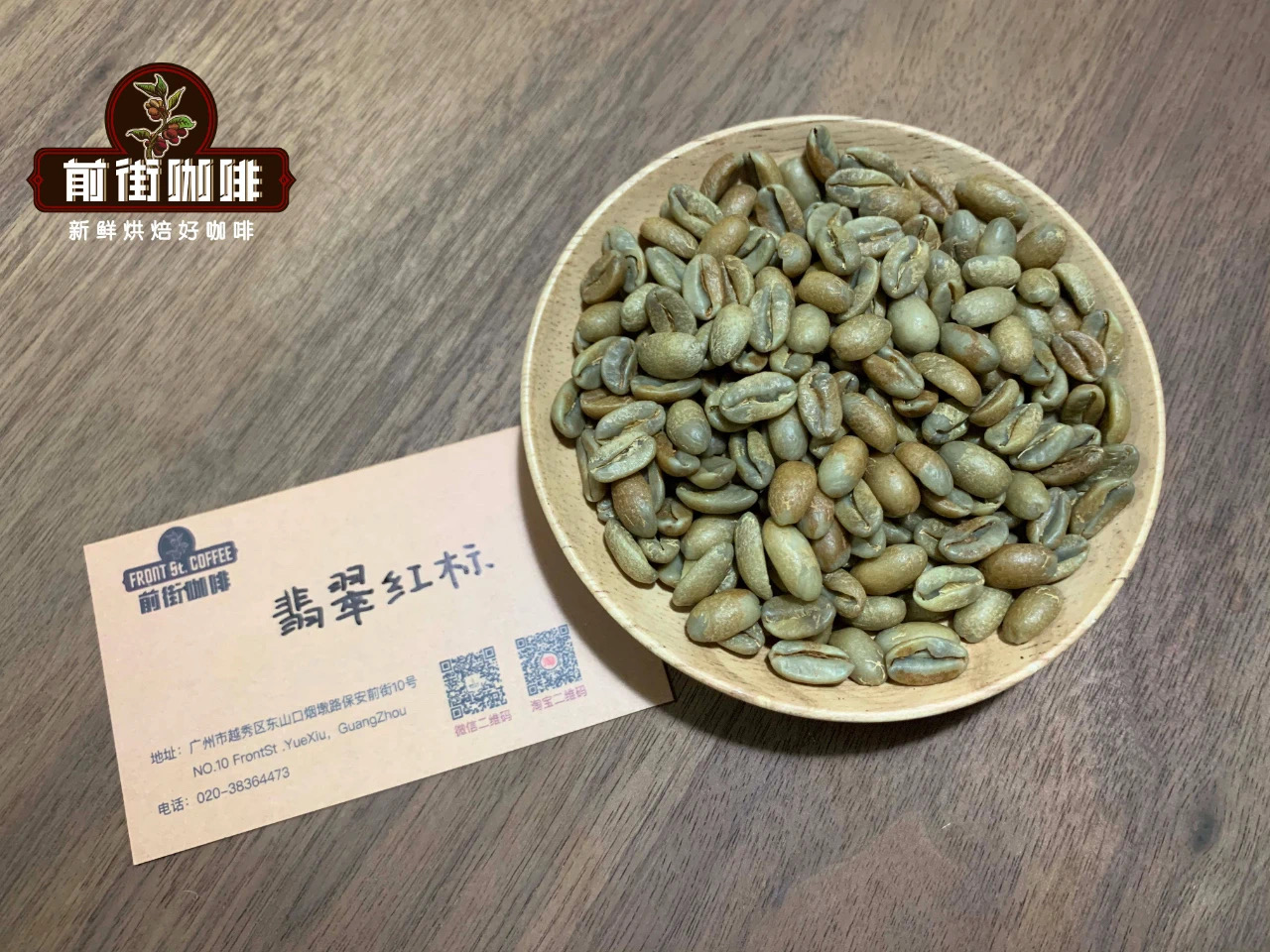
On the other hand, Geisha Village adopts a different grading logic. Its Gold Label series accounts for 10% of total production and is considered top-tier and rare, typically not sold publicly but reserved for international coffee competitions. The Red Label series makes up about 15%, requiring a score of 88 or above on the SCA 100-point scale, making it a commonly available high-end Geisha. The Green Label emphasizes single terroirs, with each batch traceable to a specific block, offering transparent and unique regional flavors. Additionally, Geisha Village also offers the Chaka series, which blends premium coffees from various regions to present a more layered and complex flavor profile.
In terms of flavor, Geisha is known for its bright dry aroma, often featuring elegant floral notes such as rose and jasmine, accompanied by fresh fruit tones like pomelo and citrus. Light roasting highlights delicate nutty aromas, while the wet aroma combines hazelnut with multiple floral layers. Upon tasting, its flavors are mild and nuanced; as the temperature drops, the floral and fruity notes become even more pronounced. Common flavor descriptions include sweet preserved fruits, rose hips, strawberry jam, as well as subtle notes of pine, cherry, and vanilla. The aftertaste boasts a strong sweetness and lemony acidity, delivering an overall profile of exceptional complexity and lingering finish.
In summary, whether it’s Hacienda La Esmeralda’s meticulous block management or Geisha Village’s diverse grading strategy, both showcase the unique status of the Geisha variety in the specialty coffee world. Understanding its history, grading, and flavor characteristics will help coffee enthusiasts better appreciate the deep heritage and refined charm of this top-tier coffee when selecting and evaluating it.
The above content is compiled by CoffeeHunters, a coffee news website.


