







Introduction:When using drip coffee makers from brands like De'Longhi to brew coffee, selecting the right coffee beans and setting the appropriate grind size are key factors that influence flavor. This article starts with the principles of extraction, explains in detail the differences among fine, medium, and coarse grind sizes, and recommends practical bean options such as Natural Red Cherry, Blue Mountain, and PWN Golden Mandheling based on the characteristics of light, medium, and dark roasts. It also provides machine operation steps and a taste comparison between drip-brewed and espresso-diluted Americanos, helping you brew your ideal cup of American coffee.
Many users who have just started using a De'Longhi drip coffee maker often face a common question: which coffee beans should I choose, and how fine should I grind them? In fact, grind size not only affects brewing speed but also directly determines the extraction efficiency and final flavor profile of the coffee. Grinding too fine can easily lead to over-extraction, resulting in bitter and off-flavored coffee; conversely, grinding too coarse may cause under-extraction, leading to weak flavor and overly sharp acidity. This article will start with practical experience, explain in an easy-to-understand way the suitable scenarios for different grind sizes, and recommend representative beans such as Natural Red Cherry, Blue Mountain, and Golden Mandheling according to the three major roast categories—light, medium, and dark. It will also guide you through the basic operation process of this machine type and finally compare the taste differences between the two methods of making Americano—drip-brewed and espresso-diluted—to help you find the cup that suits you best.
Some consumers purchase coffee beans without owning a grinder at home, so they ask the shop to grind the beans in advance. When baristas encounter such requests, they usually first confirm: “What brewing device do you plan to use for these beans?” In most cases, the answer is a drip coffee maker. After confirming the machine type, the barista will adjust the grinder setting to a coarseness close to that used for pour over. At this point, many people wonder: why does grind size need to be adjusted based on the brewing tool?
The key lies in the fact that different brewing methods require different grind sizes. Grind size significantly affects how long water is in contact with the coffee grounds, thereby altering the extraction rate. Simply put, the finer the coffee is ground, the greater the total surface area, allowing water to extract more soluble flavor compounds as it passes through—but this also makes over-extraction more likely. Conversely, coarser grinds have larger gaps between particles, speeding up water flow. Although extraction is slower, it may also result in incomplete extraction, leaving flavors underdeveloped.
Over-extraction often leads to unpleasant burnt bitterness or off-flavors, while under-extraction results in thin, dull coffee, sometimes accompanied by sharp acidity. Therefore, choosing the right grind size is the first step toward brewing a balanced and delicious Americano.
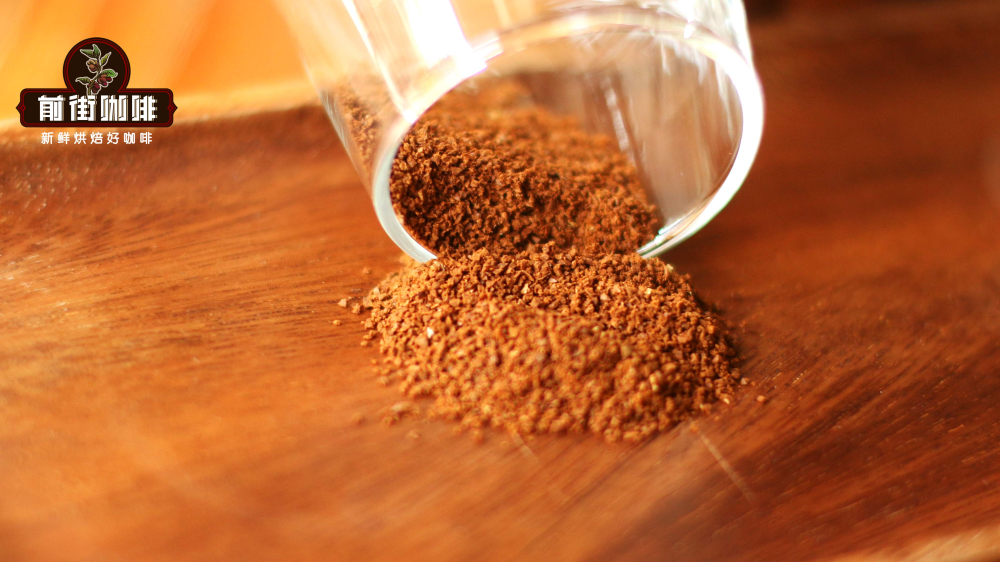
According to international standards, coffee grind sizes can be divided into seven levels, ranging from coarse to fine: Extra coarse, Coarse, Medium-coarse, Medium, Medium-fine, Fine, and Extra Fine, corresponding to different brewing devices such as cold brew, French press, pour over, moka pot, and espresso machines. For practical application, we simplify them into three main levels: fine, medium, and coarse, using the 20-mesh sieve passing rates as references—80%, 75%, and 70%, respectively.
Generally speaking, high-pressure brewing devices such as espresso machines and moka pots require water to quickly pass through the coffee grounds in a short time, so they are suited to fine grinds to extend the actual contact time and fully extract intense flavors. Meanwhile, tools like drip coffee makers and pour over, which use normal or low pressure, are recommended to use medium or slightly coarse grinds to avoid over-extraction.
When choosing grind size, one must also consider the roast level of the coffee beans. Different roast degrees bring out distinct flavor profiles. Light roasts typically showcase bright fruit acids and floral notes, medium roasts offer a balanced profile of nuts and caramel aromas, while dark roasts emphasize rich chocolate and bold body.
So, which beans are suitable for use in a drip coffee maker? If you prefer the fresh fruity notes of a light roast, Natural Red Cherry is an excellent choice. This Ethiopian Yirgacheffe-origin bean features abundant citrus and berry flavors with noticeable sweetness, ideal for those who enjoy a clean acidity. If you’re drawn to a balanced coffee with a creamy texture, Blue Mountain is the top pick. This medium-roast bean from Jamaica’s Clifton Estate offers a well-balanced acidity, sweetness, and bitterness, with a smooth mouthfeel and an elegant dark chocolate finish. For those who favor dark roasts, PWN Golden Mandheling is recommended. Carefully handpicked multiple times with uniform beans, it has a rich, full-bodied taste and is a classic representative of Indonesian flavor. However, be aware that there are many counterfeits on the market—the genuine product usually comes with a factory certificate and jute bag markings, so look for those when purchasing.
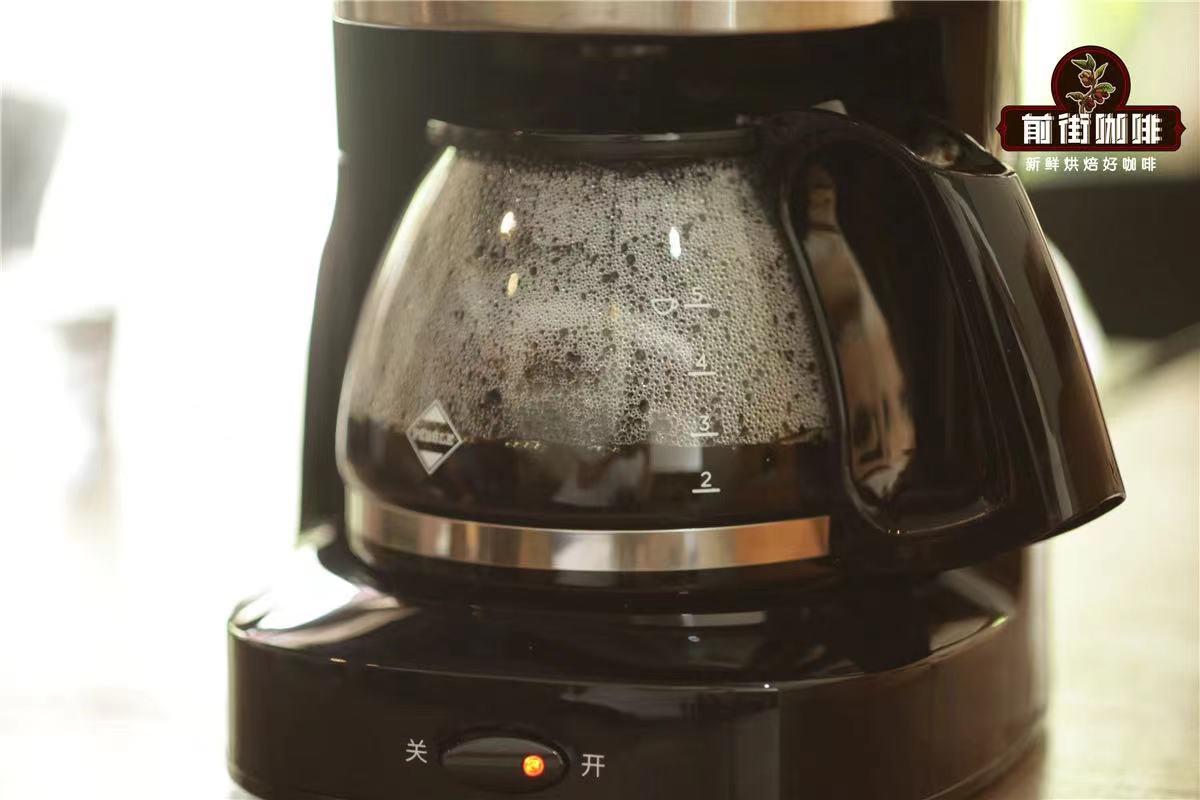
After understanding the pairing of coffee beans and grind sizes, let’s take a look at how to use the De'Longhi drip coffee maker. The operation is very simple: after plugging in the machine, use the included coffee scoop to place an appropriate amount of coffee grounds into the filter basket. A general recommendation is a ratio of 5 grams of coffee to 100 milliliters of water, though you can adjust strength to taste. Then pour water into the tank, close the lid, and press the start button—the machine will automatically complete the drip extraction, making it very convenient for everyday use.
Additionally, many consumers are curious whether there’s another common method for making Americano—diluting espresso with water. So, what’s the difference in taste between these two methods? Which one tastes better?
In short, Americano made by diluting espresso typically has a richer and fuller taste, and because it retains the crema layer, it offers a more complex flavor profile, making it suitable for classic Italian blend beans. On the other hand, drip-brewed Americano, due to its normal-pressure extraction, tends to have a cleaner and crisper flavor, making it more appealing to those who prefer the pure expression of coffee.
In summary, the definition of American coffee is broad. Whether made via drip brewing or by diluting espresso, each method has its unique charm. Understanding the principles of extraction and choosing the right coffee beans and grind size are the keys to brewing an Americano that truly suits your taste.
The above content is compiled by CoffeeHunters, a coffee news website.


