







Introduction:As a simple and user-friendly coffee brewing tool, the French press can fully preserve coffee oils and deliver a rich, full-bodied taste. However, many people struggle with the cloudiness caused by coffee grounds. This article will delve into how to effectively improve coffee clarity by adjusting grind size, coffee-to-water ratio, water quality selection, and proper pressing techniques. Combined with practical coffee bean selections, it will guide you through mastering key parameters for French press extraction and the flavor profiles it suits, ensuring each cup is more layered and of higher quality.
The French press is favored by many coffee enthusiasts for its ease of use and no-paper-filter requirement. It preserves the natural oils and rich flavors of coffee, but the common issue of coffee ground sediment often affects overall taste and visual appeal. To improve this, adjustments can be made to key factors such as grind coarseness, water temperature, coffee-to-water ratio, and brewing time—allowing French press coffee to achieve clarity and smoothness close to that of pour over.
Unlike pour over or siphon brewing, which emphasize ritualistic preparation, the French press is more of an intuitive brewing tool, but that doesn’t mean it lacks technical finesse. Its metal filter design quickly filters out coffee grounds but can also allow fine particles to enter the brew, resulting in a dull taste and visual cloudiness. Therefore, mastering several core parameters and techniques can greatly enhance the final flavor profile of your French press coffee.
First,Grind Sizeis one of the keys to determining the clarity and taste of French press coffee. A medium-coarse grind is recommended, similar in texture to sea salt and slightly coarser than standard pour over grind. This reduces the chance of fine particles passing through the filter, minimizing sediment and cloudiness. If your grinder has a sieving function, aim for a standard sieve pass-through rate between70%–75%to help achieve more uniform extraction and consistent taste performance.
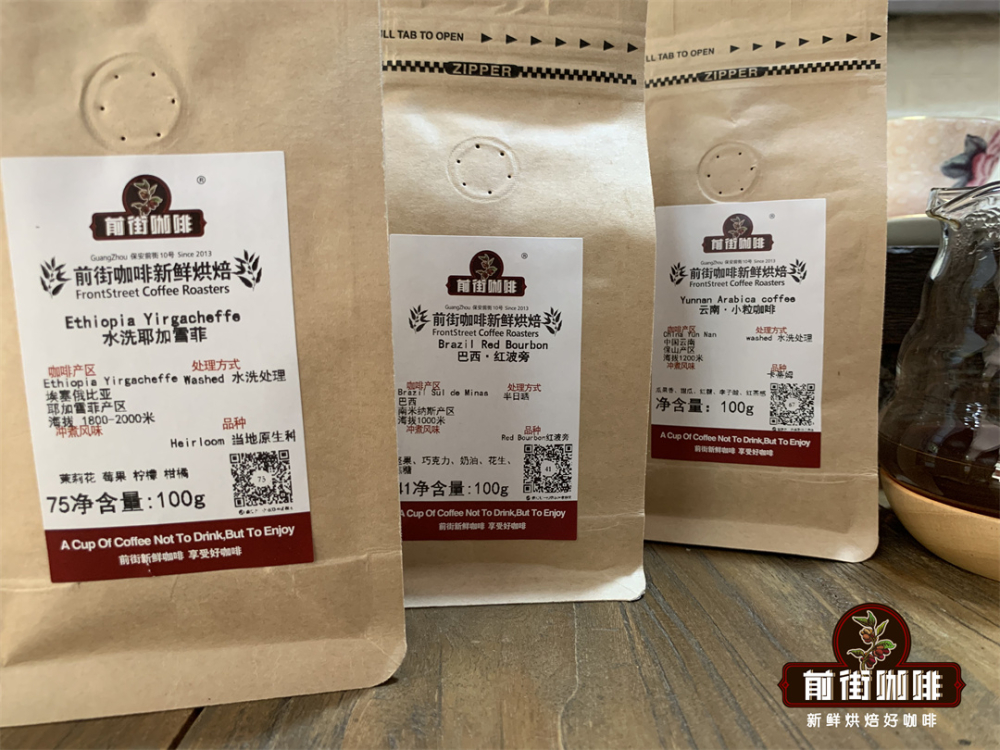
In terms of bean selection, medium to dark roasted coffee beans usually pair well with the French press. These beans, due to their higher roast level, release more body and sweetness while also exhibiting richer oil expression. For example, blends or single-origin beans from regions like Brazil, Colombia, Indonesia, and Costa Rica often feature notes of dark chocolate, nuts, and soft fruit, making them ideal for showcasing the immersion-style extraction of the French press. Particularly balanced beans such asBrazilian Cerrado, Colombian Huila, and Indonesian Mandhelingcan deliver rich and layered flavors in the French press.
If you prefer light roast beans, it’s advisable to use other brewing methods like pour over or cold brew, as light roasts typically emphasize bright acidity and floral notes—qualities that can be easily overshadowed by the bold oils and fine particles in the French press, leading to a muddled overall flavor. For instance, Ethiopian Yirgacheffe natural beans, while pour over highlights their lemony, floral, and fruity characteristics, may taste flat and dull when brewed in a French press.
Regarding specific brewing parameters, it’s recommended to use acoffee-to-water ratio of 1:15 to 1:16, meaning 15 grams of coffee beans to 240 grams of water. This ratio strikes a balance between flavor and strength. Of course, adjustments can be made based on personal preference. For those who prefer a stronger taste, slightly increasing the amount of coffee grounds is acceptable, but fine particle control should be noted. Using an electronic scale to measure accurately helps maintain consistency, especially when experimenting with different beans or trying to replicate a previously ideal flavor—the data log is particularly important.
Water quality is also a factor influencing both the clarity and flavor of French press coffee. It’s recommended to usefiltered soft water, such as commercially available purified mineral water, and avoid using high-hardness or unfiltered tap water. This ensures that the inherent aroma and flavor characteristics of the coffee are expressed more vividly.
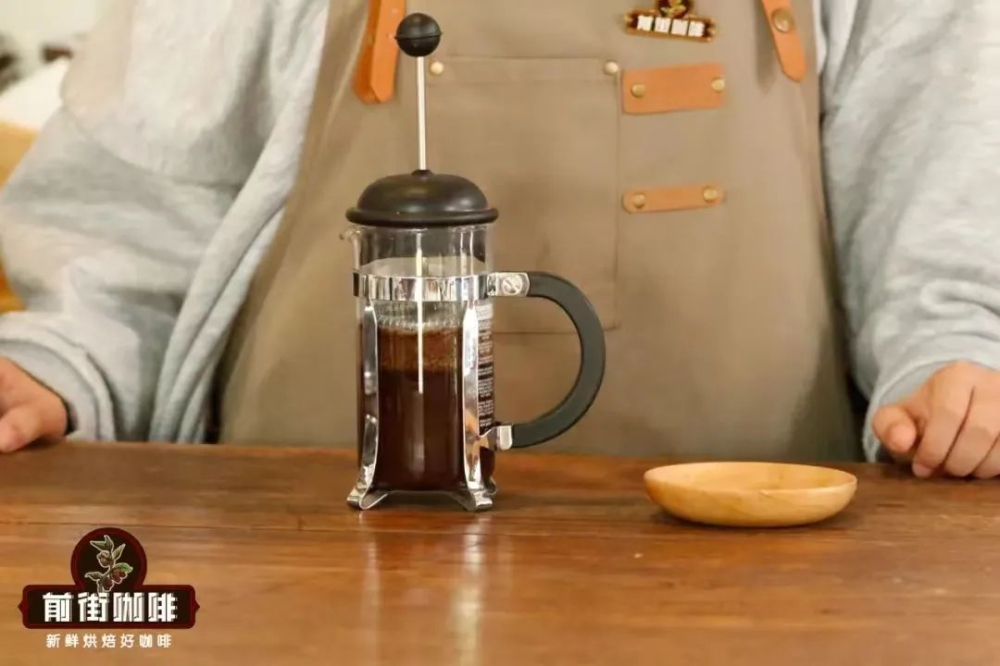
For the actual brewing steps, start by grinding an appropriate amount of coffee beans (e.g., 15 grams) to a medium-coarse grind and place them in the French press. Next, heat water to approximately93°C, pour in the hot water and gently stir to ensure the coffee grounds are evenly saturated. The recommended steeping time is4 minutes. During this period, you can place the lid on the French press while keeping the plunger at the top to avoid premature filtering.
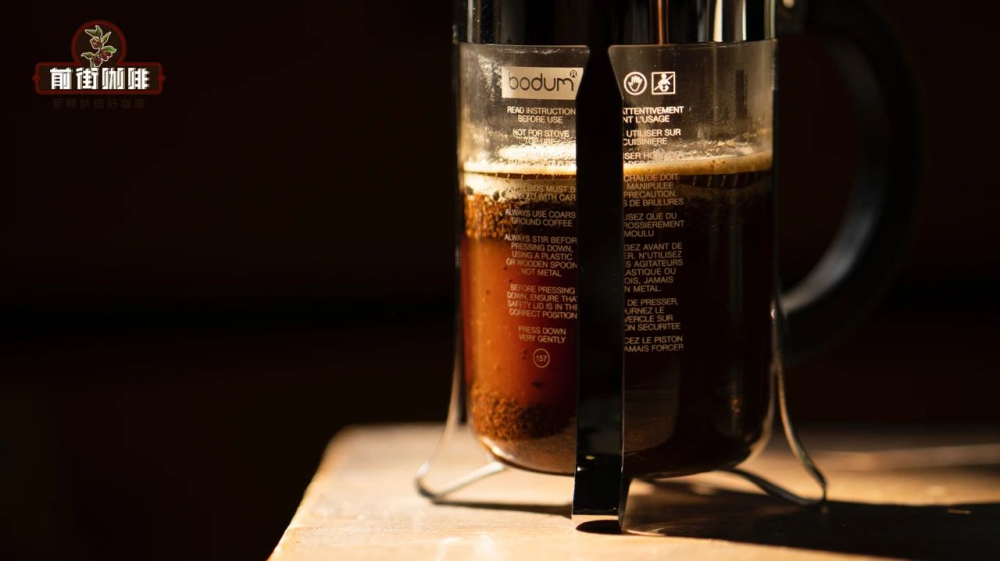
After four minutes, you may first open the lid and use a spoon to gently skim off any floating coffee foam and fine sediments, then slowly and steadily press the plunger down to the bottom. Maintain an even speed during pressing—going too fast may allow fine particles to penetrate, affecting clarity. Once done, it’s recommended to immediately pour the coffee liquid into another insulated container to prevent over-extraction due to residual heat.
If you’re still concerned about the clarity of the coffee liquid, you might consider a secondary filtration using filter paper. Although this slightly affects the oily mouthfeel, it can significantly enhance the cleanliness and transparency of the taste. Additionally, cleaning the French press after brewing is quite simple—just rinse the filter and the pot body to avoid leftover coffee grounds accumulating and affecting future use.
In summary, the French press is not just a convenient and quick brewing tool. By mastering the correct grind size, coffee-to-water ratio, water temperature, and steeping time, while paying attention to fine particle control and water quality selection, you can brew coffee with clear flavors, distinct layers, and a rich mouthfeel. Whether you're a busy office worker or a coffee lover pursuing minimalist flavors, the French press is a practical option worth exploring in depth.
The above content is compiled by CoffeeHunters, a coffee news website.


