








Introduction:An in-depth analysis of the environmental conditions, variety characteristics, and flavor profiles of Colombia and Brazil, two major coffee-producing regions. This guide helps you understand the typical traits of beans from these two countries and the brewing methods that suit them best. From high-altitude volcanic terrains to low-elevation plains, from bright fruity acidity to rich and balanced profiles, this article offers a comprehensive understanding of the differences between the coffees of these two regions — an essential reference for specialty coffee beginners and buyers.
Both Colombia and Brazil are core coffee-producing nations in Central and South America, but they each exhibit distinctly different characteristics in terms of geographical conditions, climate environment, variety selection, and flavor expression. Colombian coffee is known for its high altitude, volcanic soil, and refined fruity acidity, while Brazil, with its vast flatlands and stable climate, produces beans that are rich, full-bodied, and characterized by intense nutty and chocolatey notes.
Gaining a deeper understanding of these two regions not only helps distinguish coffees with different flavor profiles, but also enables more accurate selections based on personal taste preferences. Whether you’re a pour over enthusiast or a beginner just stepping into the world of coffee, this comparison provides practical bean selection advice and extraction references.

Colombia’s geographic advantage lies in having dual seaports bordering both the Atlantic and Pacific Oceans, which greatly enhances the efficiency of coffee export logistics. In addition, the country is traversed by three major longitudinal Cordillera mountain ranges, creating numerous microclimates. Coupled with high altitudes and fertile volcanic ash soils, these factors contribute to the bright acidity and rich complexity that define Colombian coffee. Representative regions such as Medellín, Santander, Huila, Cauca, and Nariño each showcase unique flavor profiles.
Take Medellín as an example: its coffee beans typically offer a balanced acidity-to-sweetness ratio and dense aromatic intensity, well-suited for medium to dark roasts that highlight rich caramel and nutty tones. Santander, on the other hand, due to its relatively lower cultivation altitude (around 1400–1600 meters), features distinctive herbal freshness and a stable flavor foundation. Huila and Cauca, benefiting from high altitudes and significant day-night temperature variations, produce coffees with outstanding nutty, chocolatey, and caramel aromas. Among them, Huila coffee is especially favored in the market for its delicate acidity and rich chocolatey finish.
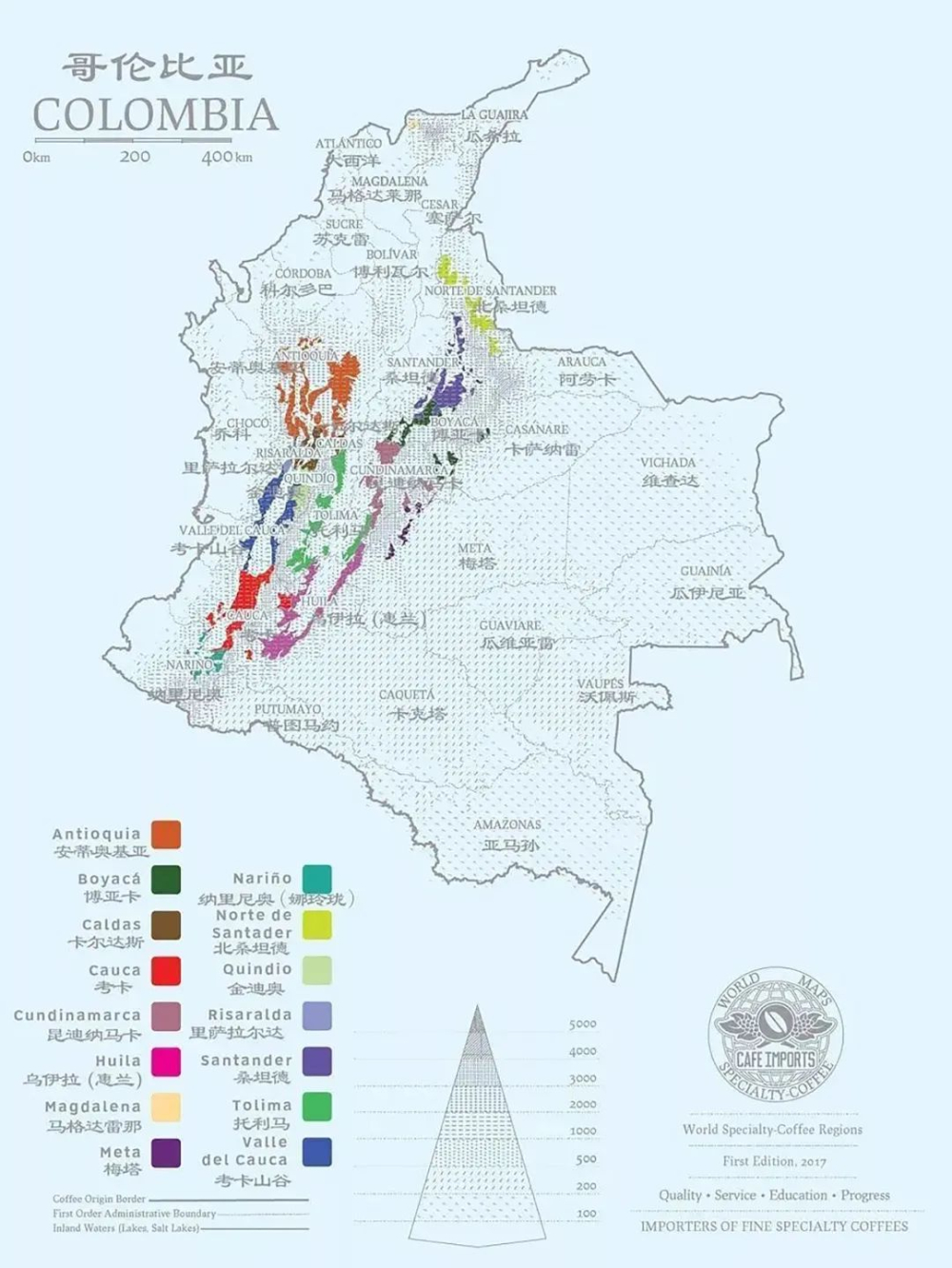
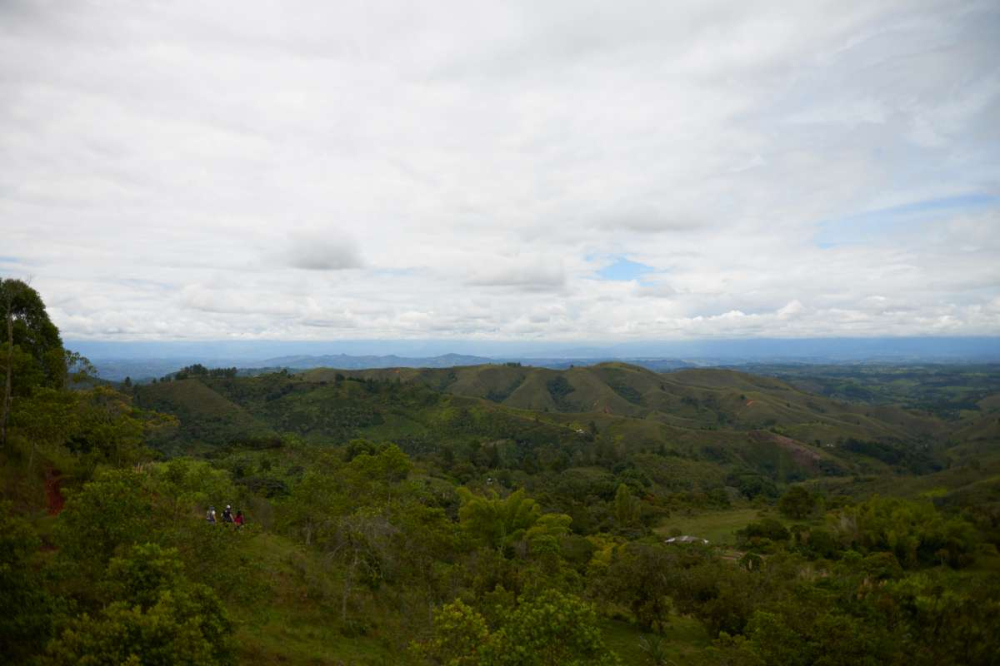
Nariño, one of Colombia’s highest-altitude coffee-growing regions with an average planting elevation exceeding 1600 meters — some areas even reach 2300 meters — combined with its unique volcanic soil and microclimate, yields coffee with exceptionally high acidity brightness and complex fruit aromas. The coffee here not only has refined scents but also offers distinctive aftertastes such as herbal, floral, and subtle spicy notes, making it a sought-after choice for many specialty coffee enthusiasts.
In contrast, Brazil, as the world’s largest coffee producer accounting for one-third of global output, concentrates its coffee cultivation mainly in the central and southern regions. The Brazilian landscape is dominated by vast plains and low-altitude hills, with cultivation altitudes generally below 1200 meters. This results in coffee with relatively mild acidity but high body and sweetness.
Brazilian coffee is predominantly of the Bourbon variety, which evolved from the ancient Typica lineage. The beans are relatively round in shape and more resistant to pests and diseases. Red Bourbon is the most popular sub-variety among them, with a deep red appearance when ripe. Its flavor profile is characterized by intense nuttiness, often accompanied by caramel, dark chocolate, and subtle roasted notes. When brewed at lower temperatures, it can even reveal a hint of fruity acidity.
In terms of processing methods, Brazil mostly employs the dry (natural) or semi-dry (pulped natural) process, which helps enhance sweetness and body. Compared to Colombia’s common use of washed or anaerobic processing, Brazilian coffee places more emphasis on stability and large-scale production efficiency during processing, and is therefore often used in blends or as the base for espresso.
From a sensory perspective, Colombian coffee often features bright lemon, berry, or floral notes, paired with honey-like sweetness and a long-lasting finish — ideal for those who enjoy complex layers of fruit acidity. Brazilian coffee, on the other hand, showcases rich nutty, toasted bread, and chocolate flavors, with a smooth and rounded mouthfeel, making it highly suitable for drinking black or as the base for milk-based drinks like lattes and cappuccinos.
From the perspectives of selection and brewing, Colombian coffee beans are generally recommended to be ground medium-fine and brewed using pour over filters such as V60 or Kalita Wave, with water temperature controlled at 90–93°C to better bring out their acidity and aroma. Brazilian coffee, however, suits a slightly coarser grind and medium to high water temperature (around 92–94°C), which better highlights its body and sweetness — particularly excelling in espresso or bold milk-based coffees.
In summary, Colombian and Brazilian coffee beans each represent two classic styles of Central and South American coffee: the former excels with refined fruit acidity, complex aromas, and high-altitude characteristics, while the latter is renowned for its stable body, rich sweetness, and large-scale production capacity. Understanding the regional characteristics and flavor profiles of these two origins not only enhances your appreciation of coffee but also helps you make more personalized choices when selecting and brewing.
The above content is compiled by CoffeeHunters, a coffee news website.


