







Introduction:This article delves into the small-bean coffee produced in Baoshan, Yunnan, predominantly of the Catimor variety, exploring the flavor characteristics of its washed processing method — including prominent plum acidity and brown sugar sweetness. It also provides practical V60 pour over parameters such as grind size, water temperature, coffee-to-water ratio, and a three-stage pouring technique to help even beginners brew a Yunnan-flavored coffee with distinct layers and sweetness.
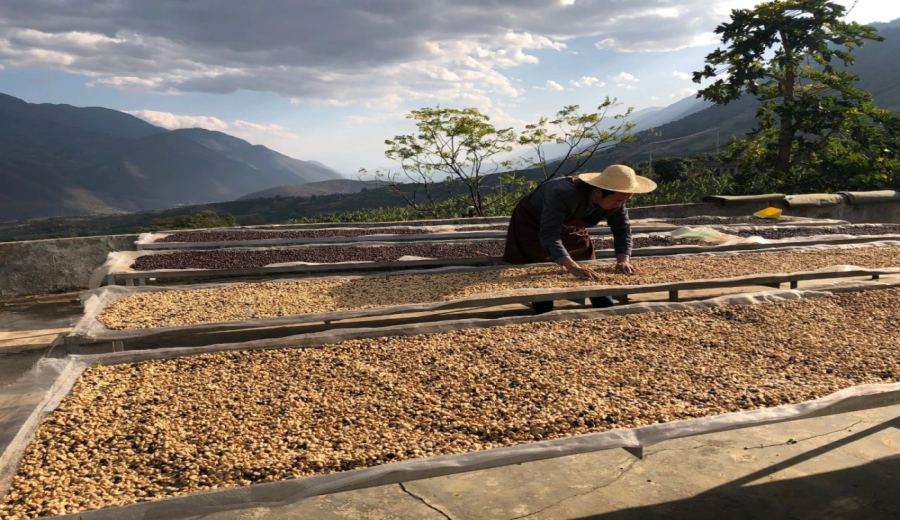
Southern China’s Yunnan region, due to its low latitude and relatively high altitude, possesses the natural conditions suitable for growing Arabica coffee and has become an important domestic producer of Arabica. Among various producing areas, Baoshan stands out with its unique microclimate and terrain, cultivating representative washed Catimor beans, making it an ideal entry point for understanding Yunnan coffee flavors.
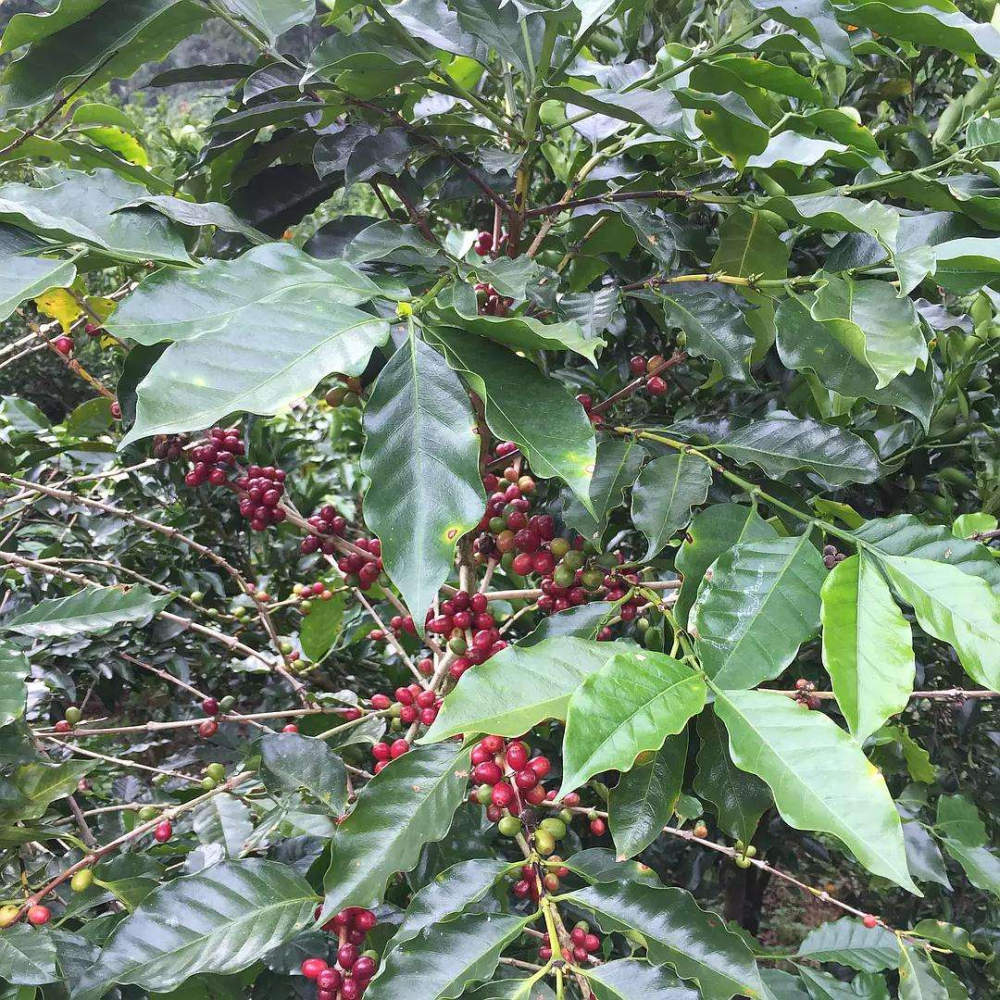
The so-called “small-bean variety” commonly planted in Yunnan is actually the local term for Arabica, used to distinguish it from the medium-bean Robusta grown in places like Hainan. Arabica coffee typically exhibits a crisper mouthfeel and fruity acidity, making it suitable for drinkers who prefer more delicate flavors. Currently, among the coffee varieties extensively cultivated in Yunnan, approximately 99% are of the Catimor variety. This variety is a hybrid of Arabica and Robusta. Although it carries about a quarter of Robusta lineage, its tetraploid nature still classifies it as Arabica. This genetic combination gives Catimor stronger plant vigor and higher yields, but it is relatively less complex and refined in flavor compared to pure Arabica varieties.
In addition to the dominant Catimor, Yunnan also grows very small amounts of other traditional or specialty varieties, such as Typica, Bourbon, Caturra, and even a few experimental Geisha and Yirgacheffe heirloom varieties. However, due to limited planting areas, these cannot represent the overall characteristics of the region. Therefore, if you want to experience the most representative Yunnan coffee, Catimor remains the variety most closely aligned with the actual market and consumer exposure.
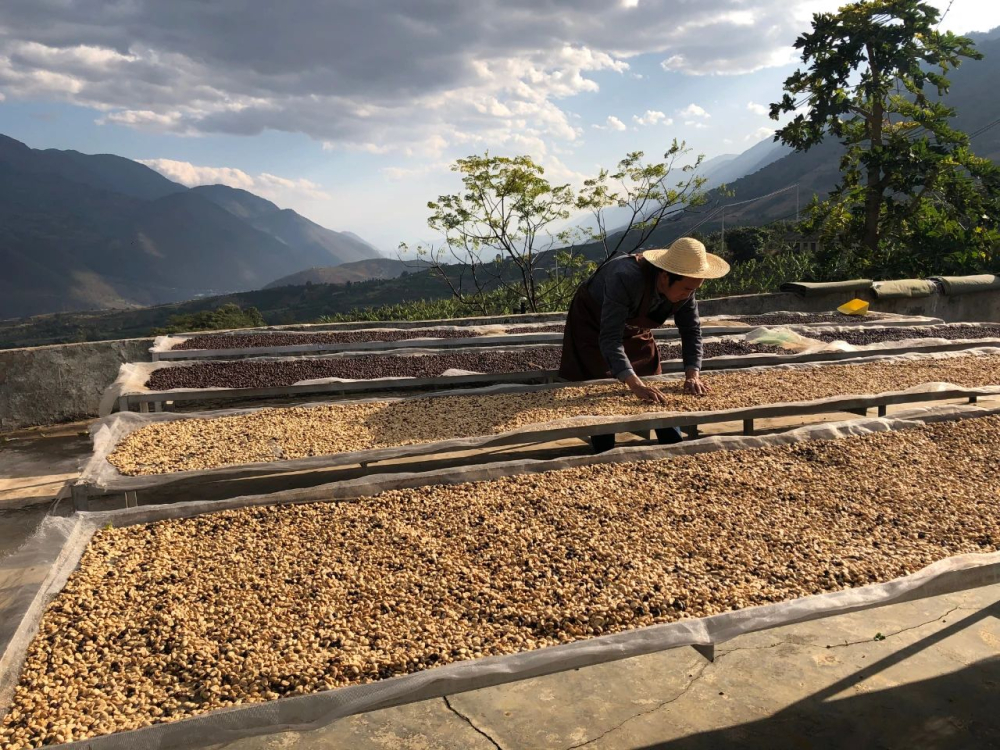
Focusing on the Baoshan producing area, the region is bordered on the north by the Gaoligong Mountain range, which effectively weakens the winter cold air currents from Siberia moving southward. Coupled with the unique environment of brief showers and dense fog during the rainy season from June to August each year, a microclimate barrier is formed that helps coffee trees mature slowly and accumulate flavor compounds. Under such environmental conditions, Catimor that is washed processed can better showcase a clean and clear foundational flavor profile.
Typical washed Catimor from Baoshan often exhibits flavors of brown sugar-like sweetness, fresh plum acidity, and a tea-like body in the finish. This combination of flavors is neither overly intense for coffee enthusiasts trying a single-origin bean for the first time, yet still allows them to experience distinct regional characteristics.
In terms of extraction, it is recommended to use a V60 dripper for pour over. The rib structure of this dripper is arranged in a curved pattern from top to bottom, with varying lengths, which facilitates smoother degassing during the coffee extraction process, thereby bringing out richer layers and clarity. A coffee dose of 15 gramsis suggested, using a grind size with a 20-mesh sieve passing rate of about 78%, roughly the coarseness of sugar granules , and a coffee-to-water ratio set at,The coffee-to-water ratio is set to 1:15, with water temperature controlled at around 88°C , to better balance acidity, sweetness, and body.
For the specific pour over process, a three-stage pouring method is recommended: first, pour 30 milliliters of hot water for the bloom, allowing it to sit for about 30 secondsto initiate the release of aromatic compounds from the coffee grounds; then continue pouring 100 milliliters, letting the water level naturally drop until it is about to expose the coffee bed; finally, pour an additional 95 milliliters, with the total dripping time ideally kept within 2 minutes. This brewing rhythm helps achieve even extraction, avoiding over-extraction or under-extraction, resulting in a coffee with balanced sweetness and acidity, as well as more pronounced layers.
In summary, the washed Catimor from the Baoshan producing area, with its stable regional flavor profile and relatively accessible price, is highly suitable as a practice bean for home pour over or as a daily drinking option. By mastering basic extraction parameters and operational details, one can easily brew a delicious cup of coffee with distinctive Yunnan character.
The above content is compiled by CoffeeHunters, a coffee news website.


