







Introduction:Indonesian Mandheling coffee is renowned for its distinctive flavor profile, yet many still associate it with strong herbal or earthy notes. In reality, with proper processing and roasting, Mandheling can also reveal layers of cedar, dark chocolate, and licorice. This article delves into the origins of the name "Mandheling," the grading differences between Golden Mandheling and regular Mandheling, and explores how Indonesia’s wet-hulling process influences its flavor. It also provides practical pour over brewing tips and flavor characteristics to help you select and brew this classic Sumatran coffee more precisely.
When it comes to Indonesian Mandheling coffee, many people immediately think of intense herbal, earthy, or even woody tones. While these flavors may not appeal to every palate, they can be transformed into a deep and layered taste experience under the skillful hands of professional roasters. High-quality Mandheling often features a symphony of cedar, licorice, and dark chocolate, with smoky undertones subtly giving way to fruity and cocoa sweetness—like a low, rounded classical melody. This article will take you on a journey to explore the origins of the name "Mandheling," the grading logic behind Golden Mandheling and regular Mandheling, and analyze how Indonesia’s unique wet-hulling process shapes its distinctive character. We’ll also offer practical pour over recommendations and flavor insights to help you more fully appreciate this classic coffee from Sumatra.
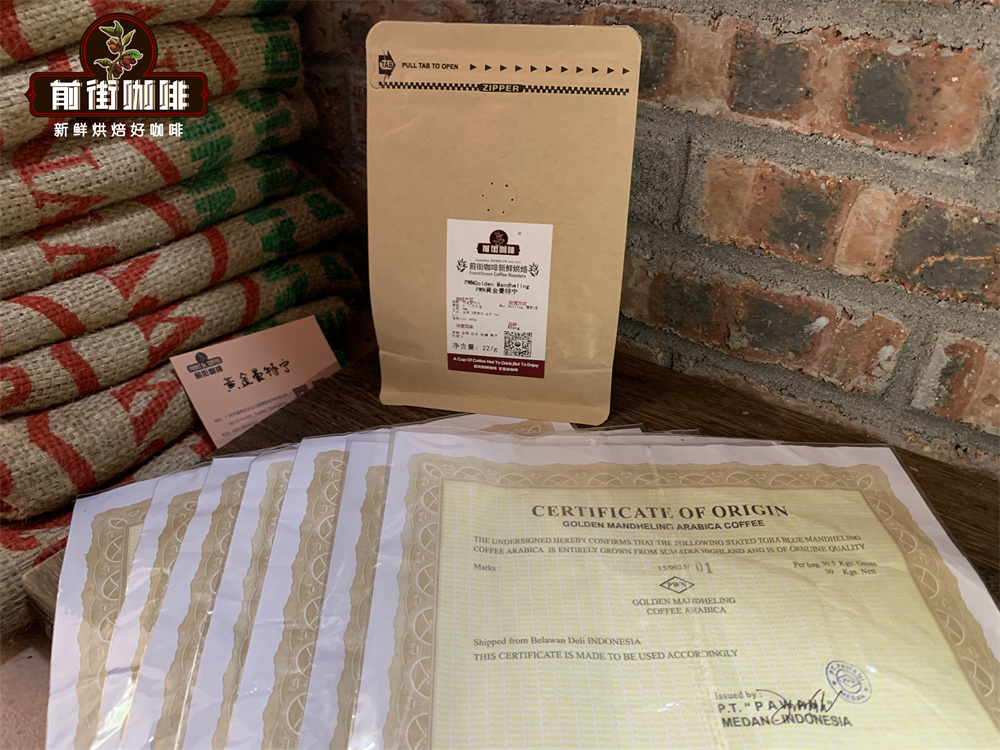
For many first-time drinkers of Mandheling, its strong herbal or earthy notes might be off-putting, but truly top-tier Mandheling, when roasted and brewed appropriately, can deliver remarkable depth in aroma and taste. From its rich smoky base to its delicate fruit and cocoa finish, this transformation can be truly astonishing. A well-known coffee brand with extensive experience in selecting and roasting Mandheling beans offers one of the most representative examples: Golden Mandheling coffee beans sourced from the Gayo region of Sumatra and carefully selected by PWN, the green bean company.
The name "Mandheling" actually has no direct connection to a specific growing region, port, or coffee variety. Instead, it originated from a linguistic misunderstanding during World War II. At the time, a Japanese officer tasted a rich and full-bodied coffee in Sumatra and asked the locals what kind of coffee it was. Due to the language barrier, the locals misunderstood the question as being about their ethnicity and replied "Mandheling people." The officer then used this term to refer to the coffee, introducing it to the Japanese market, and thus the name "Mandheling coffee" came into circulation.
Interestingly, this misunderstanding also led to the production of higher-quality Mandheling green beans. A local merchant noticed the inconsistent quality of Sumatran coffee and began manually sorting the harvested coffee cherries, selecting only those beans that were 18/19 mesh size or larger and fully mature. This significantly improved roasting uniformity and flavor purity. Though pricier, these carefully selected beans received widespread acclaim in the Japanese market. The merchant later founded PT. Perkebunan Nusantara (PWN), Indonesia’s green bean company, and named this premium Mandheling selection "Golden Mandheling," registering it as a trademark and establishing it as a symbol of high-end Mandheling.
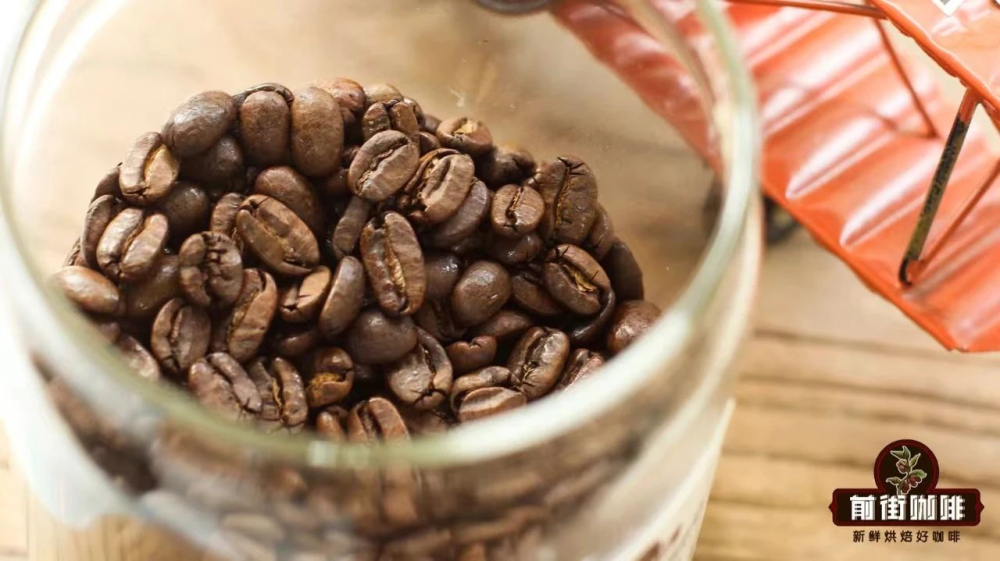
PWN’s Golden Mandheling adheres to extremely strict grading standards: only whole beans larger than 18 mesh are selected, with no more than 3 defective beans per 300-gram sample—qualifying it as the highest grade, G1. These beans are dark green in color, uniformly shaped, and flat beans. In contrast, regular Mandheling follows more conventional grading methods, primarily based on the number of defects per 300 grams, and usually lacks such rigorous manual sorting.
For those new to specialty coffee, a certain well-known brand’s Lintong Mandheling is an excellent entry point. This product belongs to the brand’s everyday coffee series, covering multiple major producing regions, allowing beginners to experience different flavors of Indonesian coffee within a reasonable budget.
What shapes Mandheling’s unique flavor is not just Sumatra’s low altitude, special soil, and climate, but also the region’s distinctive "wet-hulling process." Due to Indonesia’s hot, humid climate and limited access to water, farmers developed this efficient processing method: after the coffee cherries are fermented and depulped, the parchment layer is removed before the beans are fully dried. This semi-dry hulling process not only saves time and water but also imparts Mandheling’s rich earthy, herbal, and woody aromas, forming a key foundation of its flavor profile.
To fully highlight the bold characteristics of PWN Golden Mandheling, a medium-dark roast is recommended, along with the KONO filter for pour over. Suggested parameters are: water temperature at 88°C, a 1:15 coffee-to-water ratio, and a grind size roughly equivalent to coarse sugar through a Chinese No. 20 sieve (70% sieving rate). The specific brewing steps are as follows: the first pour is 30 grams of water for a 30-second bloom; the second pour uses a slow circular motion to add water up to 125 grams, then continues pouring to 225 grams once the water level drops by about half, with the total dripping time around 2 minutes and 10 seconds. These parameters help bring out nutty, caramel, and chocolate layers while balancing the bold body.
Lintong Mandheling has a bold flavor profile: it enters the palate with strong herbal and dark chocolate notes, accompanied by distinct caramel sweetness and a long-lasting finish. In contrast, a certain brand’s PWN Golden Mandheling showcases a richer complexity—from a robust base of nuts and caramel to a silky chocolate aftertaste. The overall taste is clean with excellent balance, making it ideal for savoring its delicate aroma evolution. Whether you’re a beginner or a seasoned coffee enthusiast, understanding these grading and processing details can help you more accurately choose and brew your perfect cup of Mandheling.
The above content is compiled by CoffeeHunters, a coffee news website.


