








Introduction:Drip bags combine the filtration principle of pour over with convenience, making them a top choice for many busy individuals and travelers. But do you know how to brew a drip bag coffee with clean flavor and distinct layers? This article starts with the basic structure of drip bags, explains their fundamental difference from instant coffee, and provides practical tips on water temperature, water volume control, and pulse pouring techniques—so you can easily brew a cup of coffee at home, in the office, or on the go that rivals the quality of pour over.
In recent years, drip bags have gradually become a daily choice for many coffee enthusiasts. This patented brewing method originating from Japan seals freshly ground coffee in a filter bag equipped with two “ears” that hook onto the rim of a cup. Just pour in hot water, and you can enjoy a drip-style extraction similar to pour over. Once brewed, the filter bag can be discarded without cleaning, making it highly convenient for travel or on-the-go use.

Though drip bags may appear simple in appearance and usage, if you truly want to brew a rich and layered cup of coffee, there are still some key details worth paying attention to—especially water temperature, water volume, and pouring method. Below, we’ll start with the basic construction of drip bags, explain their fundamental difference from instant coffee, and provide a practical and simple brewing process so you can consistently extract satisfying black coffee in various settings.
First, let’s clarify what a drip bag coffee is. It’s a coffee product that comes with a filter bag and hanging ear cards, containing freshly ground coffee—not the synthesized granules found in instant coffee. This means you will see coffee grounds during brewing, and the coffee must be filtered through the bag. Never simply soak the entire drip bag in hot water, as this not only affects the taste but may also leave you with a mouthful of coffee grounds, wasting well-roasted beans.
The correct way to use it is simple: tear along the Open line marked on the packaging, unfold the two hanging ear cards, and securely hook them onto the rim of your cup. Then you can start pouring hot water to brew. This design eliminates the hassle of grinding beans and using a pour over dripper, allowing you to enjoy a refreshing cup of black coffee with just hot water and a cup.
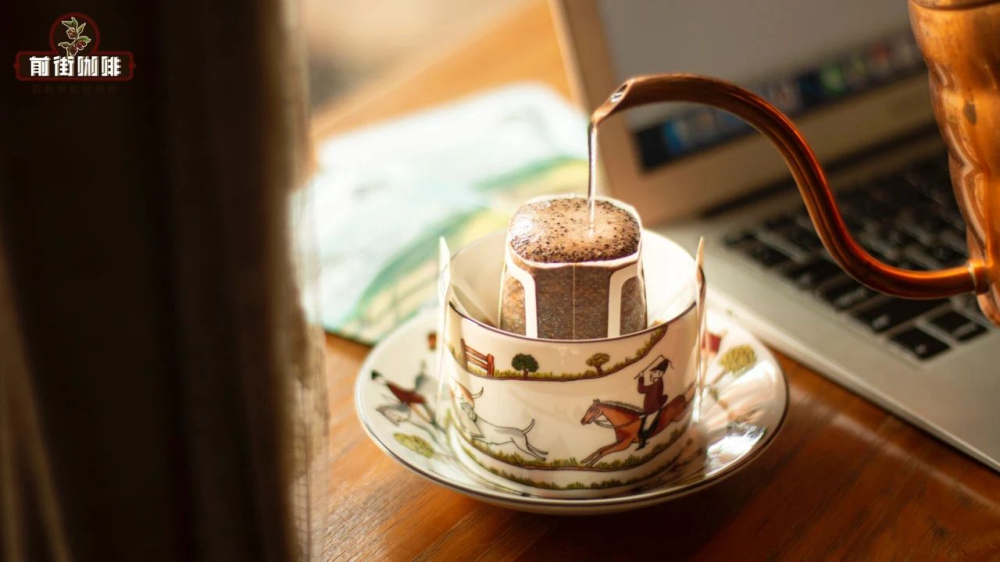
Many people ask whether drip bags require the same level of pouring technique as pour over. In fact, the original design intent of drip bags is to simplify the process, making it easy for anyone to use. Compared to pour over, the filter bag of a drip bag has similar width at the top and bottom and a relatively small opening, so the benefits of circular pouring are limited and not essential. As long as you control the water temperature and total water volume well, you can effectively improve extraction quality.
Generally speaking,it is recommended to use hot water at 88°C to 91°Cfor brewing. This temperature range can effectively bring out the aroma and balanced acidity and sweetness of the coffee. Many office water dispensers heat water to around only 75°C, which is often insufficient for proper extraction, resulting in flat flavors or even unpleasant astringency. If you have a kettle at home, it’s recommended to heat the water close to boiling and then let it sit for about 30 seconds before using, to achieve a more ideal brewing temperature.
As for water volume, taking a common 10g drip bag as an example,the total water volume is recommended to be controlled between 120ml and 150ml.This ratio maintains an appropriate concentration and mouthfeel, neither too diluted nor too strong. If you’re using a standard-sized mug of about 150ml, you can observe the water level; when the coffee liquid reaches about the middle or slightly above the cup, you can remove the drip bag.
If you’d like to further master the brewing rhythm, you might try the following four-stage pouring method—simple to learn and highly practical:
1. Prepare a drip bag coffee, a tall cup (to avoid over-soaking the coffee grounds), and a kettle of pre-boiled and slightly cooled hot water.
2. Tear open the drip bag along the Open line, and securely hook the ear cards onto the rim of the cup.
3. First-stage pouring: Pour hot water into the center of the filter bag to about half its height, and let it sit for about 15 seconds to allow the coffee grounds to bloom and begin releasing aroma.
4. Second-stage pouring: Continue pouring hot water until the filter bag is about 90% full (approximately up to the position of the small card on the top of the bag), letting the water slowly seep through and extract flavors.
5. Third and fourth stages: Pour hot water again into the filter bag until it is about 90% full each time, and wait for the coffee liquid to completely drip through before proceeding to the next stage.
6. The total water volume for the four stages is approximately 150ml, yielding a cup of drip coffee with balanced flavor and smooth mouthfeel.
Although this segmented pouring method is not as meticulous as pour over, it effectively simulates the effect of stepwise extraction, avoiding over-extraction or off-flavors caused by pouring too much water at once. Even without professional pour over equipment, you can elevate the quality of your home or travel coffee with this simple routine.
In summary, the charm of drip bag coffee lies in its combination of pour over-style filtration and portability. By mastering the right water temperature (recommended 88–91°C), appropriate water volume (about 120–150ml), and applying simple segmented pouring techniques, you can easily brew a clean, bright, and layered cup of black coffee—whether you’re in the office, on a trip, or at home—and enjoy a pour over-like tasting experience.
The above content is compiled by CoffeeHunters, a coffee news website.


