







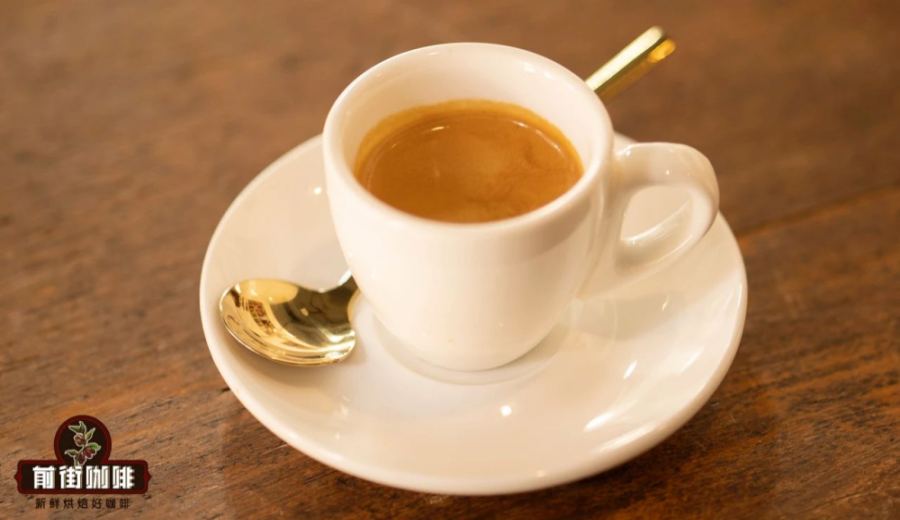
Introduction:Although small in size, Espresso is the soul base of many classic coffee beverages, from lattes to cappuccinos. What is the fundamental difference between Espresso and the common Americano? This article will delve into the three-layer flavor structure of Espresso, professional tasting methods, SCA standard extraction parameters, and also provide practical brewing tips and common misconceptions to help you better understand this rich, bold little black cup of coffee.
When walking into a coffee shop, you often see "Espresso" and "Americano" listed side by side—so what’s the difference? Though both appear as black liquids, Espresso is not only more compact in volume but also vastly different in intensity and flavor complexity. It is the foundation for many specialty drinks such as lattes and cappuccinos. A small 25–35 ml black cup contains rich crema, aroma, and complex textures—it’s a fundamental brew that every coffee enthusiast should learn.
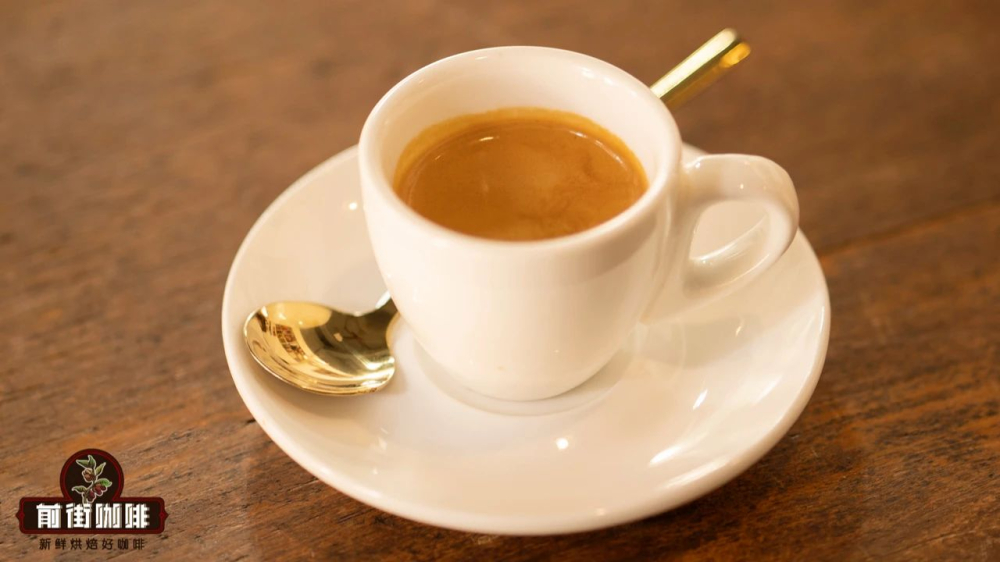
Many people, upon seeing that tiny black coffee with just a few sips’ worth and a layer of golden foam on top, try it out of curiosity—but are often startled by its intense taste: slightly burnt, mildly bitter, even a touch astringent. This is Espresso, the star behind your familiar Americano and latte. Originating in Italy, the name Espresso comes from the Italian word "Express," meaning "quickly pressed." Traditionally, it uses high-pressure steam to push hot water through a tightly packed bed of finely ground coffee, extracting a concentrated, high-flavor shot of coffee.
This extraction method not only preserves coffee crema (the golden layer) but also achieves a delicate balance between acidity, sweetness, and bitterness, hence earning the reputation of being a "work of art" in the coffee world. Additionally, Espresso is the soul of many specialty coffee drinks—whether it's a latte, cappuccino, macchiato, or mocha, they all start with Espresso as their base. If you’ve ever fallen in love with a milky coffee, you’ve already met Espresso.
A standard Espresso typically has a volume of 25–35 ml and can be finished in just a few sips. This concentrated form originally came from Italy’s industrial era, designed so that busy workers could quickly get a caffeine boost and return to work. As a result, Italians are accustomed to standing at the bar and drinking it swiftly without lingering. However, when enjoying it casually, it’s recommended to slowly savor its layers—just don’t let it sit too long, or its flavor and texture will noticeably deteriorate.
The quality of a good Espresso can be initially judged by the crema on its surface. High-quality crema should appear glossy, golden yellow to reddish-brown, about 3 mm thick, with a mirror-like smoothness, occasionally showing tiger-striping. But if there’s insufficient coffee or over-extraction, it might appear uneven or have white spots. This crema layer is not just aesthetic—it also affects aroma release and mouthfeel smoothness.
The flavor of Espresso can be divided into three distinct layers: the top is the Crema (foam), the middle is the Body (main body), and the bottom is the Heart (core). The Crema is formed by the soluble oils in coffee and carbon dioxide released under high pressure, carrying rich aromas and offering the first olfactory impression. The Body is the main component of the cup, determining the roundness, smoothness, and viscosity of the mouthfeel—it’s where the flavors are most concentrated. The Heart, located at the bottom, is darker in color, mainly presenting bitterness and intensity, balancing the sweetness and fruit acidity of the upper layers.
With the rise of the specialty coffee trend, the quality of coffee beans used for Espresso has significantly improved. Many roasters and baristas create custom blends specifically for Espresso, allowing this small coffee to showcase layered flavor changes, no longer just a single note of bitterness. With the right bean selection, proper roasting, and well-controlled extraction parameters, Espresso can also express a diverse range of flavors—from top notes, mid-palate, to aftertaste—including fruitiness, floral notes, caramel, and nuts.
When it comes to actually tasting Espresso, it’s recommended to first take a sip of ice water to cleanse your palate and prepare your taste buds. When the barista serves the Espresso, you can gently stir it with a spoon to mix the crema and liquid evenly. Then take three sips: the first to capture the top notes of aroma and acidity/sweetness, the second to feel the richness and smoothness of the body, and the third to experience the finish’s lingering sweetness and aftertaste. This segmented tasting method helps you better appreciate the nuanced profile of an Espresso.
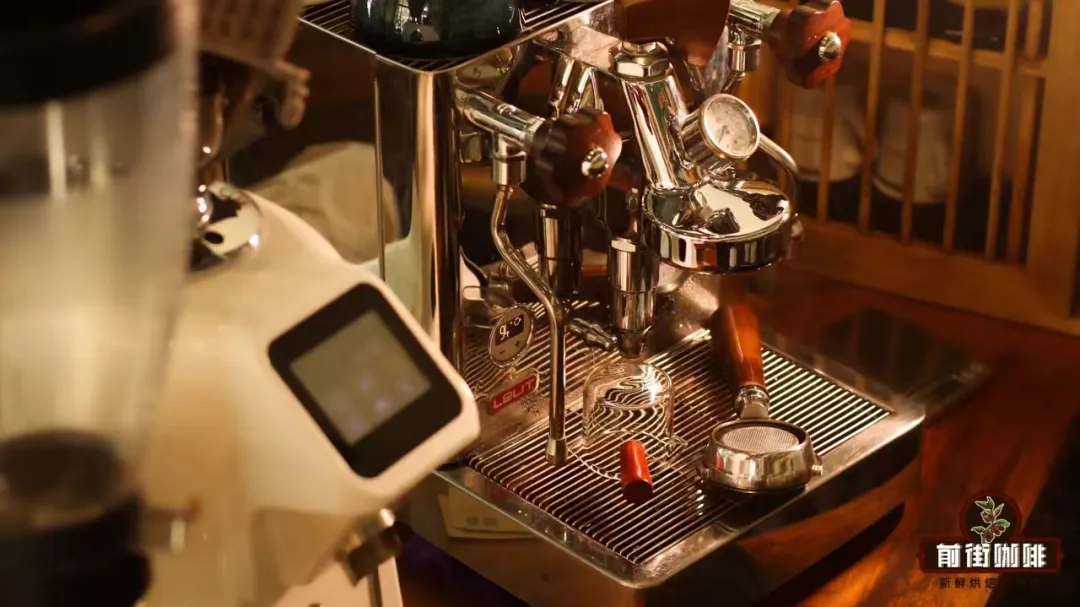
As for Espresso extraction, according to the Specialty Coffee Association (SCA) standard recommendations, a single shot uses 7–9 grams of coffee grounds, while a double uses 14–18 grams. Extraction time should be controlled within 20–30 seconds, aiming to produce 25–35 grams of coffee liquid. Water temperature is recommended to be set between 90–96°C, with an extraction pressure of 9–10 bar. However, in practice, factors such as different espresso machines, grinders, and the roast level, origin, and processing method of the beans can all affect the final flavor. Therefore, it’s necessary to fine-tune the coffee-to-water ratio and grind size based on actual conditions.
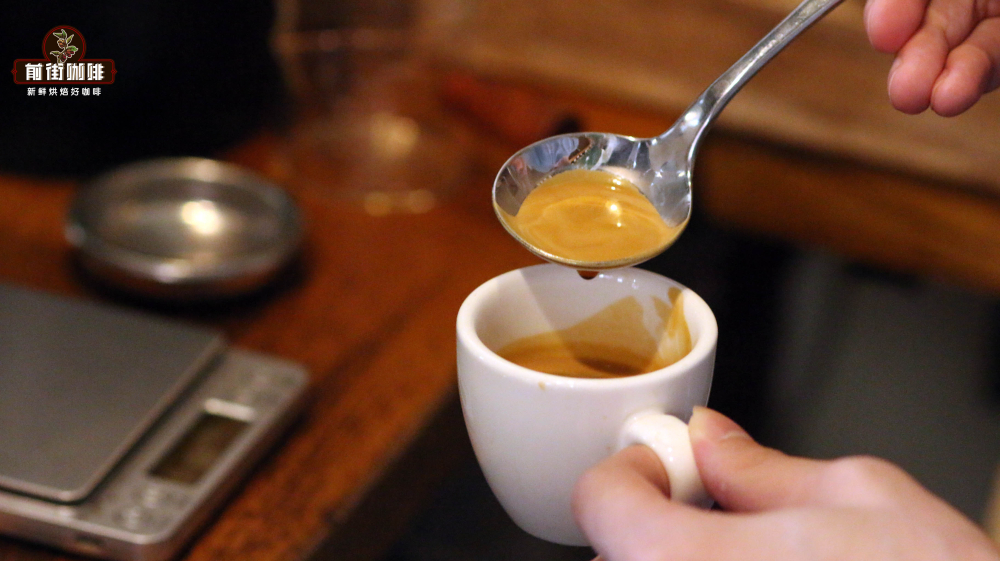
For example, some shops may use 10–11 grams of coffee for a single shot, extracting 20–25 grams of liquid in about 22 seconds; a double might use 19–20 grams, producing 35–40 grams in roughly 29 seconds. These values can serve as references, but each café adjusts based on their equipment and beans.
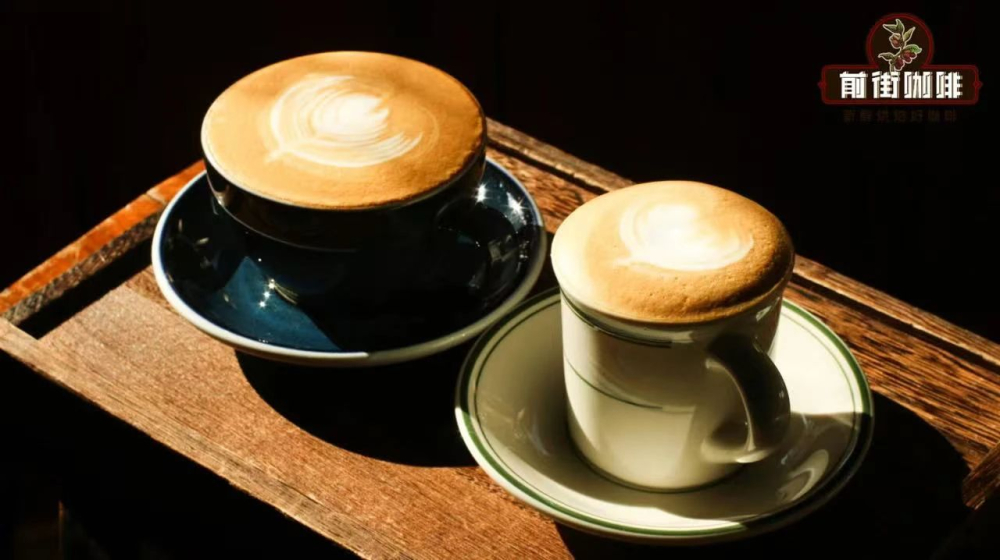
Because of its intense flavor and strong mouthfeel, Espresso is commonly enjoyed with hot water to make an Americano, or mixed with milk to create lattes, cappuccinos, etc. If you want to make your own at home, the recommended ratio for an Americano is 1:4—that is, 40 grams of Espresso liquid with 160 grams of hot water. For a latte, you can go with 1:6, using 40 grams of Espresso with 240 grams of fresh milk. This proportion preserves the bold character of Espresso while adding smoothness and creaminess.

In summary, the difference between Espresso and Americano isn’t just about strength—it’s about the overall structure and layers of flavor. Understanding the extraction principles, flavor composition, and tasting methods of Espresso allows you to better appreciate this small yet refined black coffee, whether you’re drinking it or making it yourself. Whether you’re a beginner or an experienced coffee lover, mastering the secrets of Espresso can bring more enjoyment and depth to your coffee journey.
The above content is compiled by CoffeeHunters, a coffee news website.


