








Introduction:Aged Sumatra Mandheling coffee beans possess a distinctive mature flavor profile that is highly cherished by seasoned coffee enthusiasts. But what exactly is aged coffee? How does it transform from fresh green beans into a richly complex and captivating brew? This article delves deep into the origin background of aged Mandheling, its wet-hulled processing method, roasting recommendations, and optimal pour over parameters—guiding you through a comprehensive understanding of this classic bean variety, from its flavor profile to hands-on brewing techniques.
Sumatra Mandheling coffee has long been renowned for its bold and full-bodied taste, and its aged versions, having undergone prolonged maturation, are especially unique in character. These coffee beans are not merely the result of being “left to sit for a long time,” but rather undergo rigorous storage and handling processes that allow their flavors to naturally evolve over time. The outcome is a distinctive cupping experience characterized by low acidity, high body, and a flavor profile rich in chocolate and spice notes.
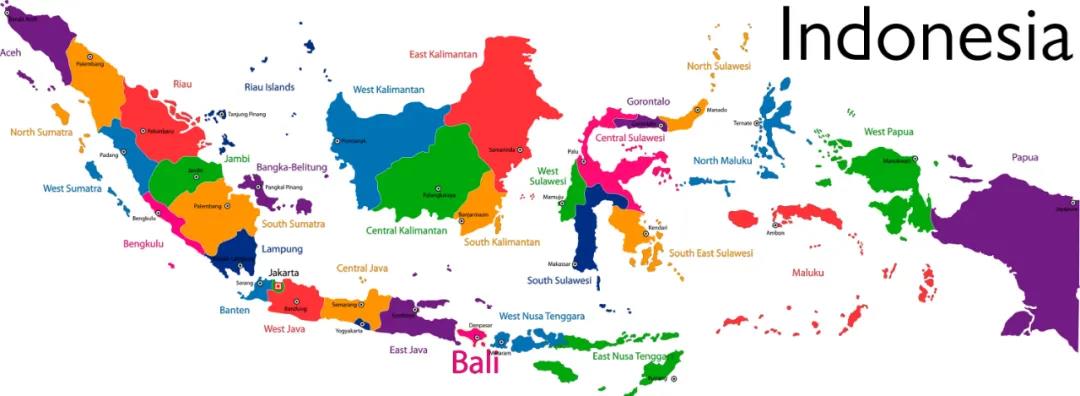
The geographical environment and climatic conditions of Sumatra contribute to the uniqueness of Mandheling-type coffee beans. Unlike the bright, high-acidity coffees of East Africa that often feature berry or floral notes, beans produced here typically exhibit low acidity, a thick body, and complex aromas that can include intense herbs, spices, or even earthy forest-like undertones. TheLintong and Gayo highland regions are two of the most well-known production areas, each showcasing subtle differences in flavor.
The Lintong growing region is located around Lake Toba in Sumatra, at elevations of approximately 1100 to 1600 meters. It is one of the world’s renowned large volcanic lake areas, enjoying a cool and stable climate ideal for the cultivation of Typica and its variants. In contrast, the Gayo highlands are situated in the northern part of Aceh Province, also at similar altitudes. However, due to its more rugged terrain and historical political factors leading to limited transportation, the coffee in this area is mostly grown by smallholder farmers who adhere to the traditional wet-hulling processing method.
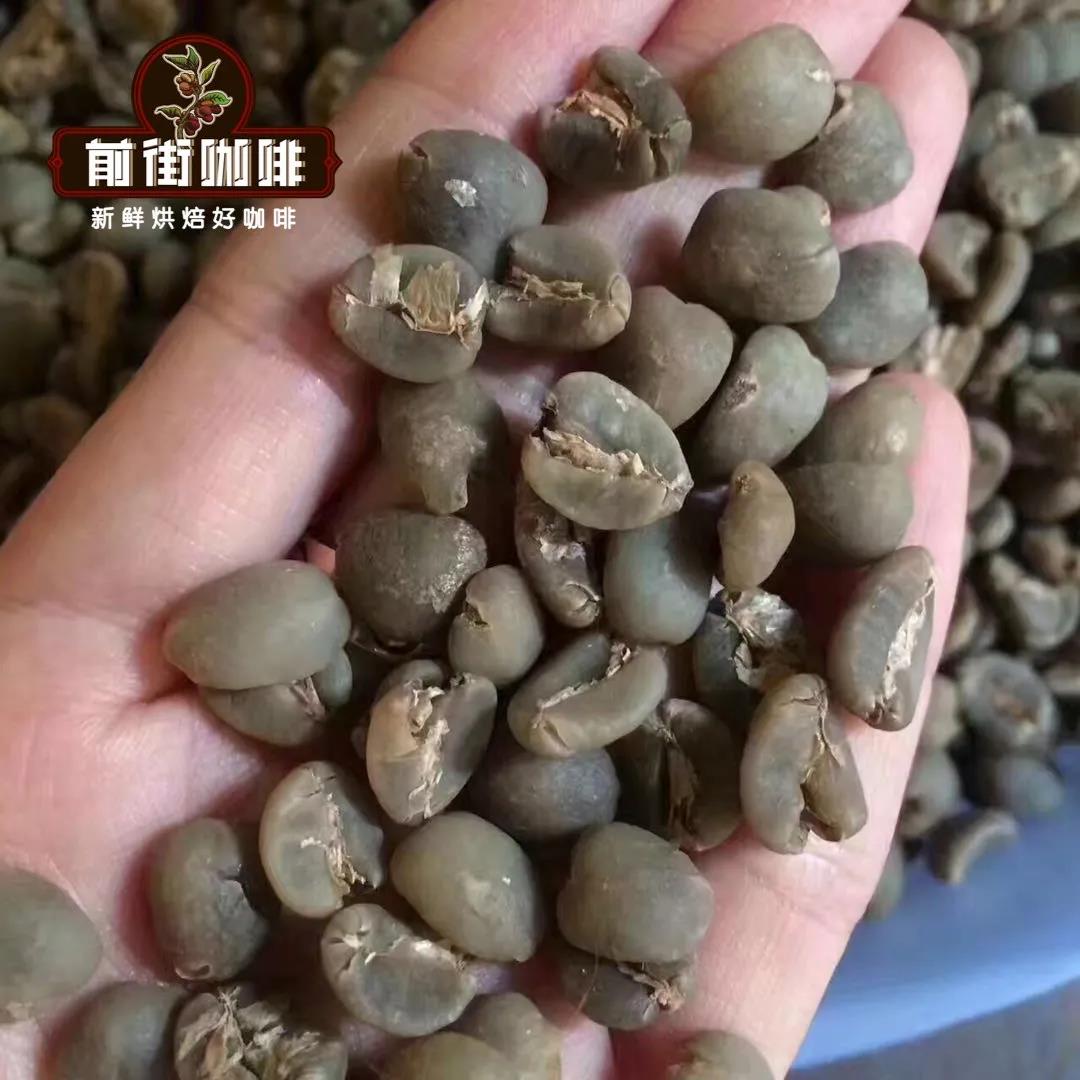
The so-called wet-hulling process is a classic method of coffee processing in Indonesia. Owing to the region’s rainy and humid climate, which is not conducive to traditional sun-drying or washed processing, farmers, after completing the initial fermentation and pulp removal, proceed to dry the beans briefly while still covered with their mucilage layer, known as the parchment. This reduces the moisture content to around 20–24%, after which the outer paper-like husk is removed. Although this method speeds up the drying process, it also makes the green beans more susceptible to compression and deformation, resulting in the characteristic "elephant ear" or "horseshoe" shape—an appearance typical of Mandheling beans, not a defect.
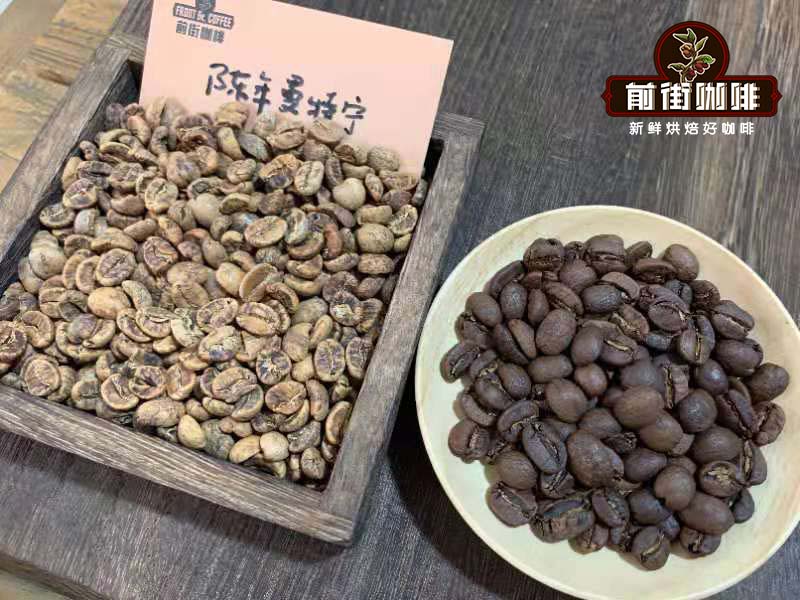
So, what exactly is aged Sumatra coffee? Many people mistakenly believe that simply storing green coffee beans for several years constitutes aging, but that is a common misconception. Uncontrolled storage will only cause the beans to absorb moisture, oxidize, and may even lead to infestation or off-flavors. True aged coffee requires professional handling and storage—typically, the beans first undergo the wet-hulling process to reduce their moisture content to 12–13%, then are placed in a cool, well-ventilated warehouse. They are regularly turned to prevent mold and are left to rest for 2 to 3 years before being considered fully aged.
During this process, the acidity of the coffee beans gradually transforms into sweetness, and originally pronounced fruity or herbal notes become more subdued. What takes their place are rich notes of caramel, chocolate, and deep woody aromas, sometimes accompanied by a pu-erh tea-like aged scent. This transformation lends aged Mandheling a smoother, more refined mouthfeel—less wild and intense than freshly harvested Mandheling, yet more mature and composed.
In terms of roasting, because aged beans are naturally denser and have lower moisture content, a medium-to-dark roast level is recommended to fully bring out their inherent sweetness and full-bodied texture, while avoiding excessive surface oil charring caused by high temperatures. Specifically, it is suggested to use the Yangjia 800N roaster, with a bean inlet temperature of about 200°C. The initial flame should be set to 160°C, then adjusted sequentially to 140°C and 80°C, with the final drop at 197.5°C to ensure a balanced flavor without excessive burnt bitterness.
As for pour over brewing, it is recommended to use a Kono filter cone, paired with a Hario Skerton Pro (referred to here as "small Fuji ghost-tooth grinder") set to grind size 4.5 (approximately the size of coarse sugar granules). The coffee-to-water ratio should be set at 1:15, with water temperature maintained between 87–88°C. Begin with a 30-second bloom using 30 grams of water, followed by a slow, circular pour to reach 125 grams for the first pour. After the water level drops, continue pouring up to 225 grams. The total extraction time should be controlled to around 2 minutes. This parameter setup helps fully showcase the caramel, herbal, and chocolate layers of aged Mandheling, while also highlighting subtle notes of pine and malt.
Based on comprehensive cupping results, aged Mandheling often presents low acidity and high body, with flavor notes frequently intertwining ripe pu-erh tea, caramel, chocolate, and herbal elements. Its sweetness is pronounced, and the aftertaste is long-lasting. Whether you are a Mandheling aficionado or simply curious about aged coffee, this classic bean variety is well worth experiencing for its deep, time-refined flavors.
The above content is compiled by CoffeeHunters, a coffee news website.


