







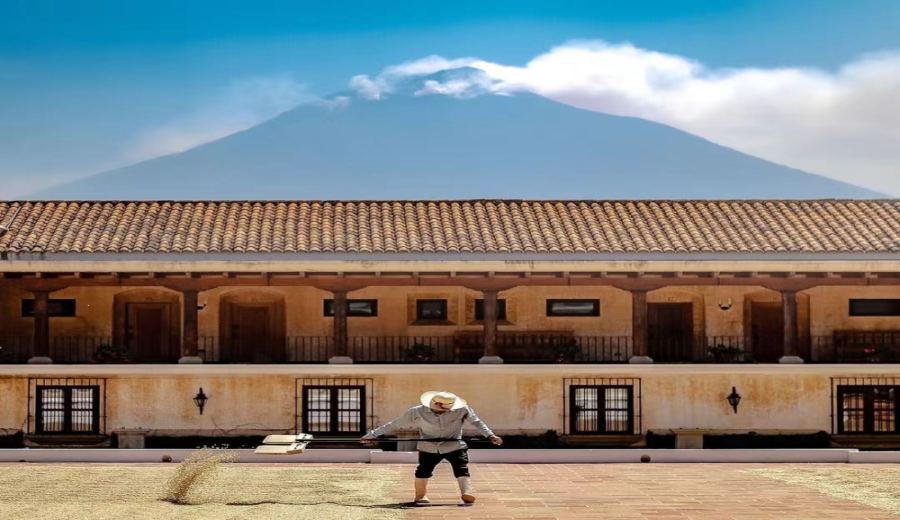
Introduction:Take an in-depth visit to Finca Las Rosas in Guatemala’s Huehuetenango region, exploring its century-long coffee-growing history and how its Geisha washed coffee showcases unique floral and citrus notes. This article not only introduces the estate’s growing environment and processing details but also thoroughly outlines the characteristics of Guatemala’s eight major regions, its main cultivated varieties, as well as the washed processing method. Additionally, it offers practical V60 pour-over parameters and three-stage extraction recommendations, along with a comparison of flavor differences between two classic beans—Huehuetenango and Fleur de Café—making it a useful guide for both beginner and advanced coffee enthusiasts.
Guatemala is renowned for its high-altitude volcanic terrain and over 300 microclimates, nurturing many specialty coffees with distinctive flavors. Among them, the Huehuetenango region, located in the northwestern highlands, is not only the country’s highest-altitude coffee-growing area but also famed for its dry, hot winds that protect against frost and its clean water sources that support washed processing. On this uniquely gifted land, Finca Las Rosas, with over a century of cultivation experience, grows highly acclaimed Geisha washed beans, displaying captivating floral and fruity notes such as rose, bergamot, and lemon.
The name of Finca Las Rosas originates from the owner’s grandmother’s love for roses. Now, this farm nestled in the Cuchumatanes Mountains is known for producing high-quality micro-lot specialty beans such as Geisha, Pacamara, and Bourbon. Especially the Geisha variety, which has solidified its international market status since ranking 7th in the COE international competition in 2017. The estate sits at approximately 1,980 meters above sea level, adopts rigorous production management, and most of its coffee is directly exported overseas to ensure quality and value.
Guatemala’s volcanic terrain and high-altitude environment impart unique smoky and spicy notes to its coffee. The Geisha variety grown locally, originally from Ethiopia, is a rare and premium type of coffee. Such beans typically grow in high-altitude mountainous areas, with robust plants and low yields yet exceptional flavors. In Guatemala, some Geisha is planted between two volcanoes—Tacaná and Tajumulco—where fertile volcanic soil fosters beans with balanced acidity and chocolatey, nutty base notes, making them truly intriguing.
The history of coffee cultivation in Guatemala dates back to 1750, when it was introduced by Jesuit priests, and developed into a significant industry by German colonists by the late 19th century. The country is divided into eight major regions, including five volcanic ones (such as Antigua, Acatenango, and Volcán San Marcos) and three non-volcanic ones (such as Huehuetenango, Cobán, and Nuevo Oriente). Each region, due to differences in altitude, microclimate, and soil, presents distinct flavor profiles, but overall they are known for their gentle richness and bright fruit acidity, earning them the title of “aristocrats among coffees.”
Among them, the Huehuetenango region is famed for its altitude ranging from 1,800 to 2,100 meters. The dry, hot winds reduce the threat of frost, and the abundance of mountain spring water makes washed processing the mainstream. During the harvest season from January to April each year, coffee farmers can carry out washed processing directly in the mountains, ensuring the beans have a clean and layered flavor. A well-known coffee brand often selects Huehuetenango washed beans from this region as everyday beans. Their flavor profile is dominated by citrus and berries, with a finish featuring nuts and tea notes—an excellent choice for beginners to get to know Guatemalan flavors.
The main coffee varieties grown in Guatemala include Bourbon, Typica, Caturra, and Catuaí, among which Bourbon and Typica are among the oldest Arabica varieties, mostly used for specialty coffee production. A certain brand’s Fleur de Café is made from a blend of Caturra and Bourbon, showcasing layers of berries, citrus, and mild chocolate, with a smooth mouthfeel and rich flavor. Meanwhile, representative beans from the Huehuetenango region mainly consist of Bourbon, Caturra, and Catuaí, balancing fruity and nutty notes.
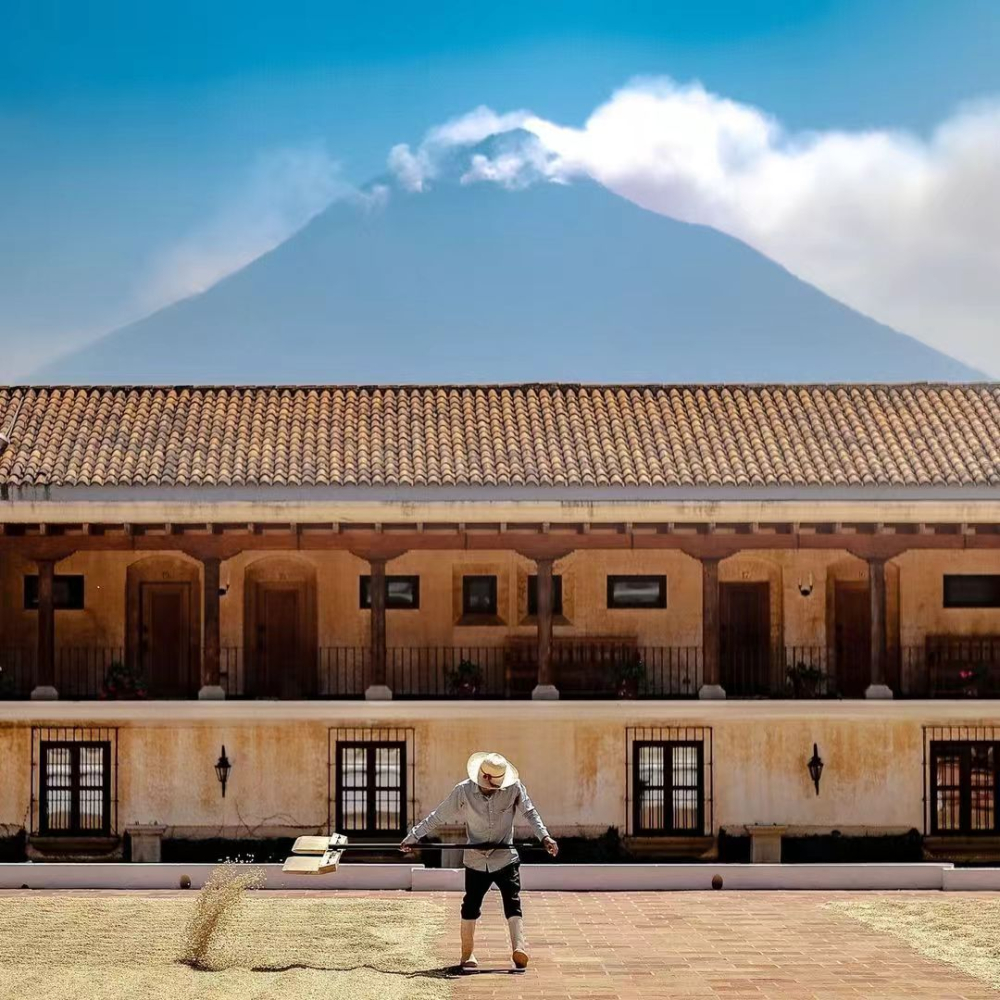
Coffee beans in Guatemala are generally processed using the washed method. After harvesting, the beans are first sorted, then the pulp and flesh are removed using a depulper. Subsequently, the mucilage-covered beans are soaked in water for about 24 hours of fermentation to remove residual mucilage. Afterward, they are rinsed with clean water and dried either naturally or using a dryer until the moisture content drops to around 12%. This method highlights the basic flavor characteristics of the region, delivering a clean taste with a clear and defined flavor profile, making it especially suitable for beginners to experience the uniqueness of different regions.
For brewing, it is recommended to use a V60 filter cone with medium-light roasted Guatemalan beans. Since medium-light roast beans release substances at a slower rate, it is advised to use a higher water temperature (around 91°C), a finer grind size (close to 80% passing through a Chinese No. 20 sieve), and a 1:15 coffee-to-water ratio for a three-stage extraction. The specific steps include: first, using 30 grams of water for a 30-second bloom to release carbon dioxide from the coffee grounds; then pouring water in small circles until reaching 125 grams for the first pour, continuing to pour until 225 grams, then stopping; once dripping from the filter cone is complete, the total extraction time is about 2 minutes, resulting in a cup of Guatemalan pour-over coffee with balanced flavor and distinct layers.
Looking at Guatemala’s diverse regions and varieties, whether it’s the Geisha washed beans from Huehuetenango or the Caturra and Bourbon blend in Fleur de Café, each showcases unique regional terroir characteristics. The former excels in rose, bergamot, and lemon notes, with bright acidity and a honey-like aftertaste; the latter features berries, citrus, and mild chocolate, with rich layers and a smooth mouthfeel. Mastering the correct brewing parameters and flavor recognition will help you better appreciate the distinctive qualities of these specialty coffees.

The above content is compiled by CoffeeHunters, a coffee news website.


