







Introduction:Both capsule coffee and drip bags are convenient and quick coffee options, but they differ greatly in flavor, brewing method, and user experience. This article provides an in-depth comparison of their definitions, historical backgrounds, brewing principles, and explores why many coffee enthusiasts believe drip bags offer a flavor closer to that of pour over. It also offers practical advice to help readers make the best choice based on their individual needs.
In today’s fast-paced lifestyle, capsule coffee and drip bags have become daily choices for many coffee lovers due to their ease of use. However, although both are pre-ground and pre-packaged coffee products, there are significant differences in flavor expression, brewing methods, and overall experience. This article will delve into the distinctions between the two by examining their definitions, history, and technical principles, and explore why many people find drip bag coffee closer in flavor complexity to freshly ground pour over.
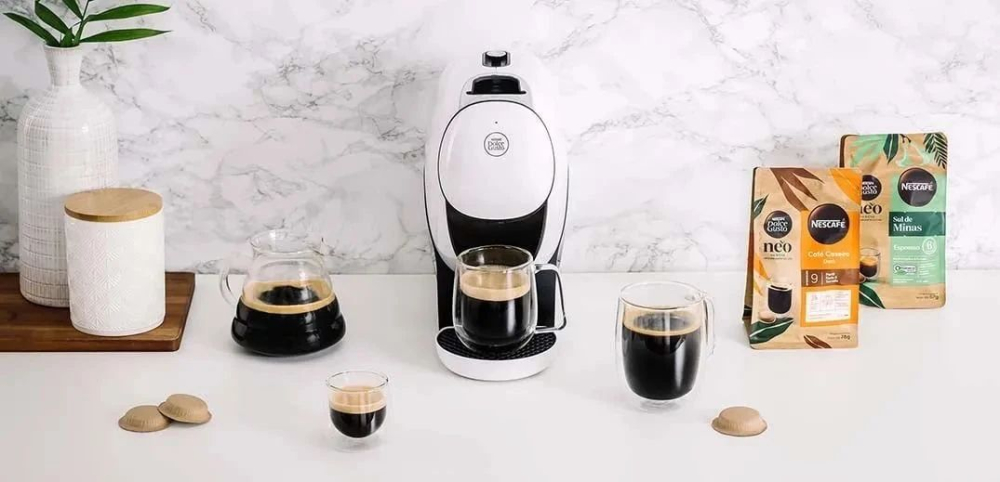
Let’s first understand what capsule coffee is. Capsule coffee refers to pre-ground coffee powder that is sealed in a dedicated aluminum or plastic capsule, which must be used with a compatible capsule coffee machine. Users simply insert the capsule into the machine, select the desired amount of water, press a button, and within moments, enjoy a cup of espresso or filtered coffee. This method emphasizes efficiency and consistency, with each capsule typically producing one cup of coffee, and the operation process being highly simplified.
The concept of capsule coffee can be traced back to 1974, when illycaffè introduced the first espresso capsule system, proposing the "Easy Serving Espresso" concept designed specifically for single-serve coffee pods compatible with espresso machines. It wasn’t until 1986 that Nespresso officially launched its patented capsule system. By combining closed capsules with a dedicated machine, it not only effectively preserved the freshness of the coffee but also ensured stability and consistency in every brew. Initially, Nespresso machines were primarily aimed at commercial settings such as restaurants and offices, designed to address the inconvenience and messiness of traditional espresso preparation. In the 1990s, the brand gradually shifted toward the home market, particularly in Europe, where it gained widespread acceptance among consumers pursuing quality of life. This also led to the evolution of capsule coffee machines toward more refined and user-friendly designs.
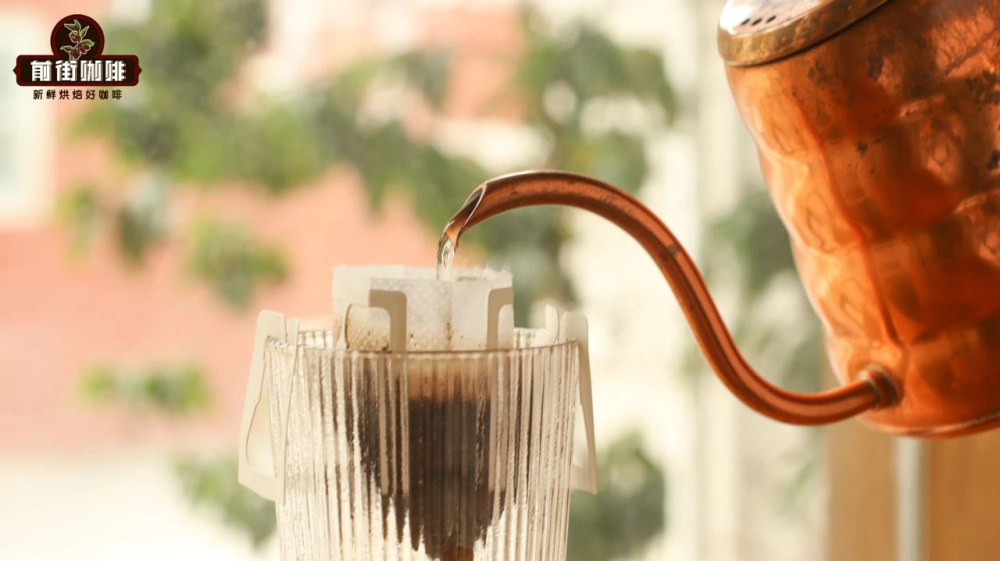
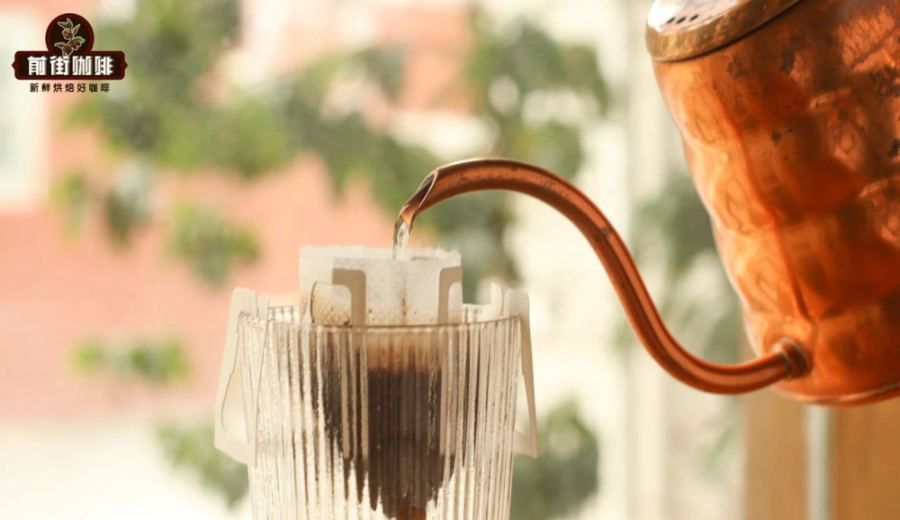
As for drip bags, they are a convenient packaging format that simulates pour over coffee. In 2001, Japan’s UCC Ueshima Coffee pioneered and patented the world’s first drip bag product, referred to in Japanese as “ippai chūshutsu-gata kōhī” (one-cup extraction type coffee). The design concept involves placing pre-ground coffee powder inside a filter pouch made of non-woven fabric or filter paper material, with a pair of expandable paper “ears” attached to the outside of the pouch. Users simply hang the pouch on the rim of a cup and slowly pour hot water through it to complete the extraction. Due to its ear-like shape, it has become widely known as “drip bag coffee.”
The operation of drip bag coffee is simple, requiring no complex equipment—just hot water, a cup, and appropriate water temperature (generally recommended between 88°C and 94°C). This allows users to easily enjoy a cup of black coffee. Compared to instant coffee, drip bags contain no additives and deliver a more natural and rich flavor, quickly gaining popularity among consumers in Japan and other Asian markets, even accounting for about 15% of Japan’s total coffee consumption.
Our range of drip bag coffee products uses roasting and grinding levels similar to those of pour over, sealing the coffee powder in specially designed filter bags. Each pack can brew a rich cup of black coffee. During brewing, users need to unfold the two “little ears” on either side of the filter bag, securely place them on the rim of the cup, then slowly pour hot water evenly from the center outward and then from the outside inward. The recommended total brewing volume is 150–200 milliliters, with a brewing time controlled within 2–3 minutes to fully release the aroma and flavor layers of the coffee.
Many coffee enthusiasts say that the reason drip bag coffee can present a flavor closer to pour over lies in its filter paper material, which effectively filters out coffee oils and fine particles, resulting in a cleaner and more layered taste while preserving the coffee’s inherent fruit acidity, sweetness, and aroma. Additionally, since users can control water temperature, pouring speed, and brewing time themselves, they can fine-tune according to personal taste preferences, further enhancing the overall drinking experience.
If you’re looking for a drip bag coffee that suits your taste, consider choosing based on flavor preference. For example, readers who enjoy floral and fruity aromas with bright acidity might want to try beans with distinct citrus and floral notes. Those who prefer a rich, full-bodied coffee with chocolate and nutty undertones may find dark-roasted Indonesian or Mandheling-style beans a good choice. Whether you prefer a refreshing acidity, balanced taste, or a bold and rich profile, there are many drip bag options on the market to meet different needs and are suitable for various occasions such as the office, travel, or at home.
In summary, while capsule coffee excels in convenience and consistency, making it ideal for users seeking fast and stable results, drip bag coffee—with its brewing method and filter bag design that closely resemble pour over—often delivers richer layers and finer details, better satisfying coffee enthusiasts who value flavor experience. No matter which you ultimately choose, understanding the characteristics and differences between the two can help you find the most suitable daily coffee solution.
The above content is compiled by CoffeeHunters, a coffee news website.


