








Introduction:Yirgacheffe is renowned for its bright floral and fruity aromas, but many people find it challenging to replicate the vibrant citrus and lemon notes when brewing at home. This article delves into the flavor origins of medium-light roasted Yirgacheffe, analyzes how the washed processing method enhances cleanliness and aroma, and provides practical V60 three-stage pour over recommendations — including water temperature, grind size, brew ratio, and pouring rhythm — so you can consistently brew this classic cup with its signature floral, berry, and tea-like qualities at home.
With its distinctive bright floral and fruity notes, Yirgacheffe has become a popular entry point for many beginners exploring specialty coffee. These beans from Ethiopia are particularly well-suited for extraction methods like pour over or cold drip, which can fully highlight their delicate citrus, lemon, berry, and light floral characteristics. However, many find that when brewing at home, the aroma is less enticing than in cafés, and the acidity may seem dull. So how can you adjust your technique to fully showcase the dynamic flavors of this classic coffee?
The key lies in understanding that Yirgacheffe is typically medium-light roasted. This level of roasting preserves the bean’s inherent fruit acids and highly volatile aromatic compounds, resulting in its uniquely fresh profile. The true flavor profile of Yirgacheffe is composed of refined citrus, zesty lemon, rich berry notes, paired with soft florals and a hint of tea — a taste that’s hard to forget once experienced.

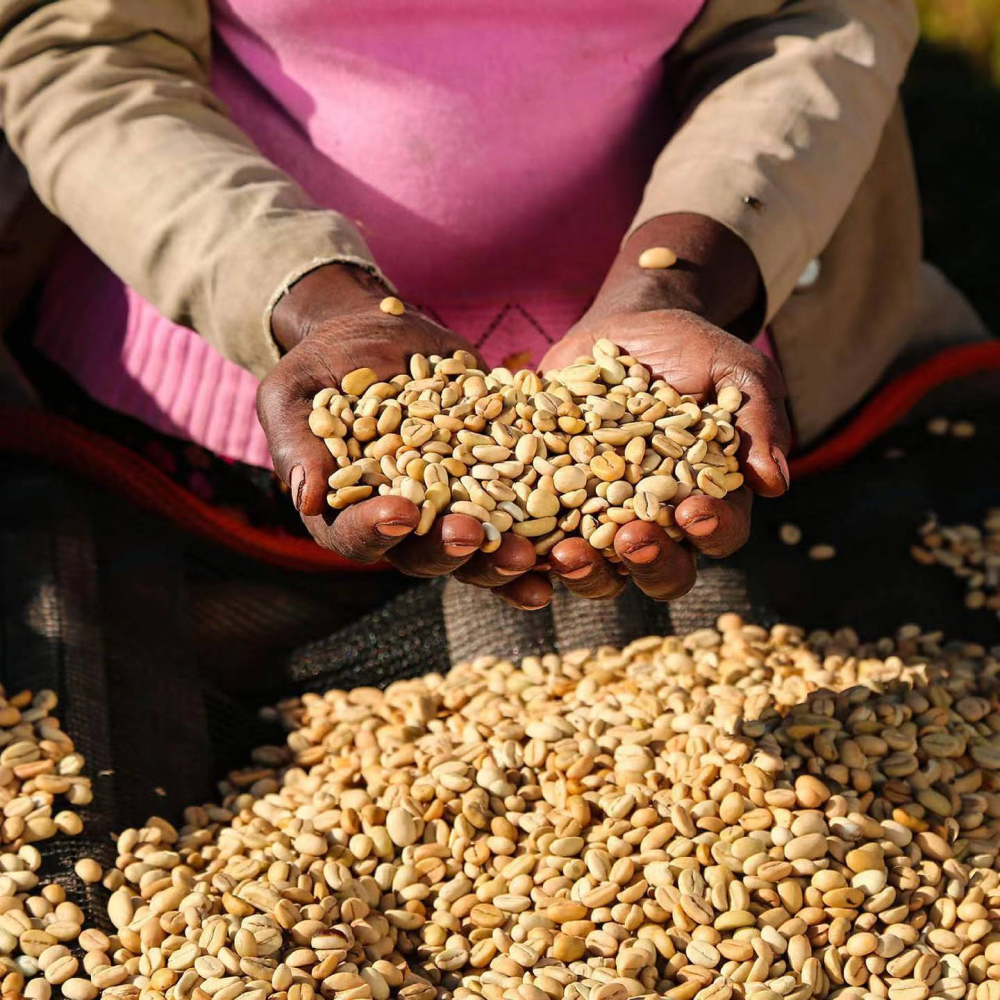
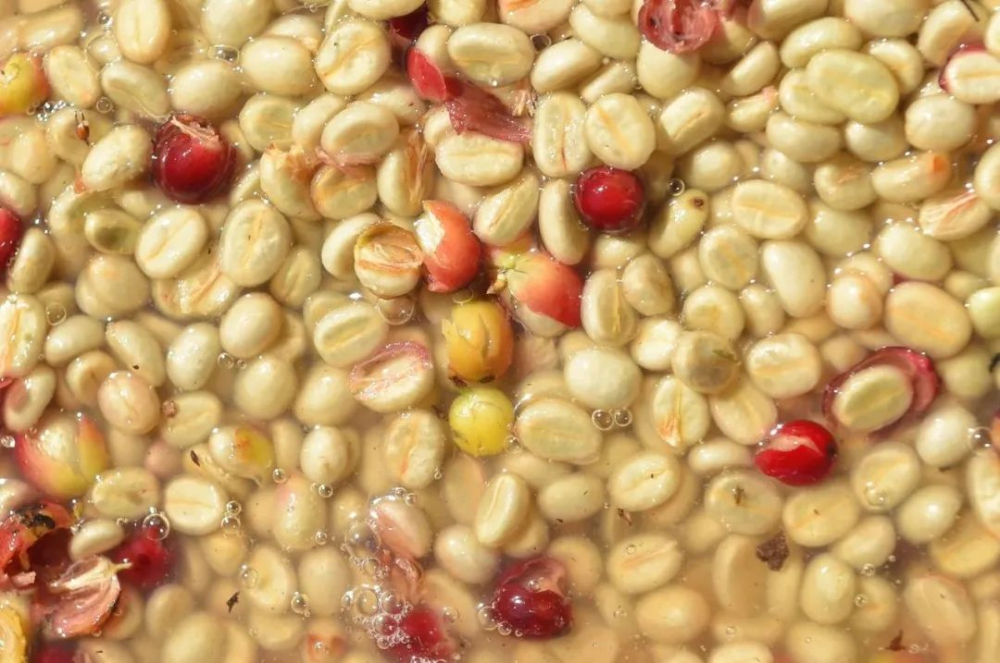
To successfully extract these flavors, in addition to selecting the right beans, it's essential to master core parameters such as water temperature, grind size, brew ratio, and pouring technique. Among these, the washed processing method plays a crucial role in shaping Yirgacheffe’s flavor expression. Compared to traditional natural (sun-dried) processing, washed processing uses water flow and physical agitation in fermentation tanks to more effectively remove pulp and impurities, significantly reducing the percentage of defective beans. This results in a cleaner coffee base with clearer and brighter aromatics.
Since Ethiopia introduced South and Central American washed coffee techniques in 1972, Yirgacheffe — with its humid environment — has proven particularly well-suited to this processing method. During washing, the coffee beans are repeatedly rinsed and fermented in flowing water, ultimately achieving higher purity and more pronounced acidity. This is precisely why Yirgacheffe can exhibit such bright, refreshing, and layered citrus and berry profiles.
Many consumers are accustomed to bold, smoky dark roasted coffees, but Yirgacheffe comes from small coffee varietals. When subjected to dark roasting, it’s not only prone to uneven heating but may also develop burnt bitterness and woody flavors. Therefore, roasters often opt for medium-light roasting. This approach not only successfully highlights fruity and tangy profiles akin to fresh fruit, but also ushered in the era of what’s known as “acidic coffee,” winning widespread global acclaim.
This article takes the washed-process Yirgacheffe from the Gedi Cooperative as an example, explaining in detail how to use a V60 dripper at home and apply scientifically informed pour over parameters to consistently bring out the classic flavors of this coffee. It is recommended to use a V60 dripper, with the water temperature controlled at92 to 93 degrees Celsius, the coffee dosage around15 grams, the brew ratio set at1:15(brew ratio value to be inserted here),and using a medium-fine grind size similar to the size of fine sugar (approximately 78% passing through a #20 sieve), to fully extract the acidity and fruity-floral characteristics while avoiding over-extraction that could lead to bitterness.
It’s worth noting that a coffee’s flavor expression is closely tied to its roast freshness. If the beans were roasted more than ten days ago, both aroma and acidity may noticeably decline, and undesirable woody tones may emerge. Therefore, it’s recommended to choose beans roasted within five days and to enjoy them as soon as possible after delivery. The Yirgacheffe beans recommended in this article are all freshly roasted within five days and come with fast shipping to ensure each cup showcases optimal flavor.
For actual pour over brewing, it’s recommended to use the V60 dripper with a three-stage pouring method. The spiral ridges of the V60 help release gas from the coffee bed, further promoting the release and dissolution of acidic aromatic compounds — making it especially suitable for highlighting the bright acidity and floral notes of Yirgacheffe. The three-stage pour also allows better control over the extraction pace, preventing flavor imbalance caused by over-soaking in any single stage.
Taking 15 grams of coffee and a 1:15 brew ratio as an example, the total water volume is 225 milliliters. It’s suggested to divide the pour into three stages: the first stage involves pouring 30 milliliters for a 30-second bloom, using a gentle stream in a circular motion from the center outward to ensure even saturation of the coffee bed; the second stage uses a slightly stronger stream to pour 95 milliliters, completed around the 55-second mark, primarily to lift the coffee bed and expand the extraction surface; the final stage involves pouring 100 milliliters with a finer stream, controlling the flow rate to avoid excessive dispersion of the coffee bed, with the total dripping time kept around two minutes.
The specific amounts for each pouring stage can be fine-tuned according to personal taste. For a richer cup, you may maintain a 1:15 brew ratio; if you prefer a lighter, more refreshing profile with clearer fruity notes, you might try a 1:16 ratio. In addition, beginners are advised to start with the three-stage pour method, as it helps gradually understand the rhythm of flavor release in each stage and establish your own pour over routine.
The final brewed Yirgacheffe should present a bright profile dominated by lemon and citrus notes, accompanied by a light green tea aroma. As the coffee cools, lingering notes of berries, cream, and sugarcane will gradually emerge, with a pronounced aftertaste and a clean, sweet mouthfeel — fully recreating the captivating character of this classic coffee.

The above content is compiled by CoffeeHunters, a coffee news website.


