







Introduction:Geisha coffee, renowned for its distinctive floral and fruity aromas, has become a star variety eagerly sought after by specialty coffee enthusiasts. This article delves into the evolution of Geisha from its Ethiopian origins to Panama’s Hacienda La Esmeralda, detailing the differences among the estate’s three renowned microclimate regions—Jaramillo, Cañas Verdes, and El Velo—and analyzing the processing characteristics and flavor profiles of its three tiered grades: Red Label, Green Label, and Blue Label. Practical pour over recommendations are also provided, including water temperature, brew ratio, and pulse pouring techniques, to help readers fully appreciate the nuanced expressions of different processing methods.
Geisha coffee, with its pronounced floral notes and delicate acidity, has long been regarded as one of the top varieties in the specialty coffee world. This variety, originating from the Gesha Forest in Ethiopia in 1931, traveled through Kenya, Uganda, and Costa Rica before being introduced to Panama in 1963 by Don Pachi Serracin. However, due to its initially low yield and the special care it required, Geisha remained largely overlooked until 2004, when a Geisha lot from Panama’s Hacienda La Esmeralda stunned the coffee world by winning big at the Best of Panama (BOP) competition, truly putting this variety on the map.
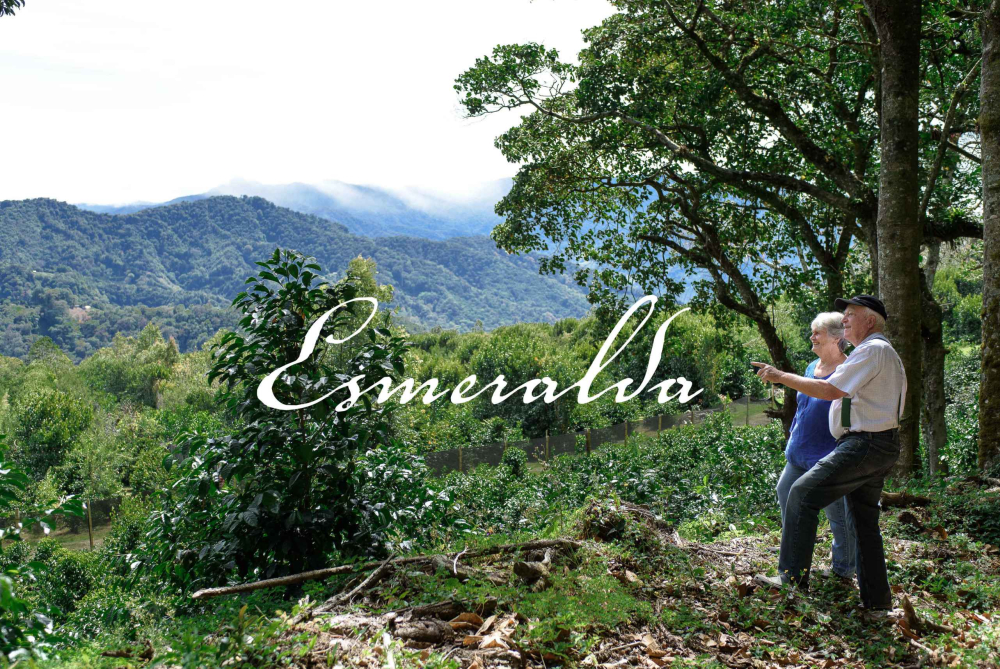
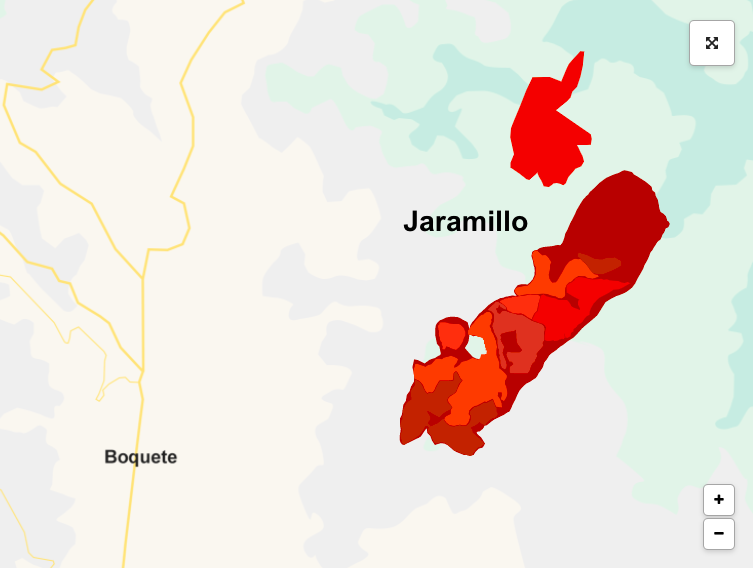
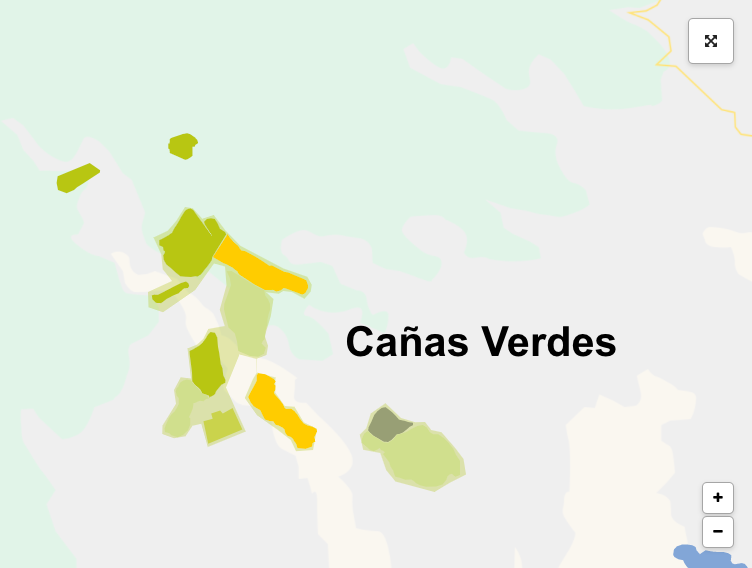
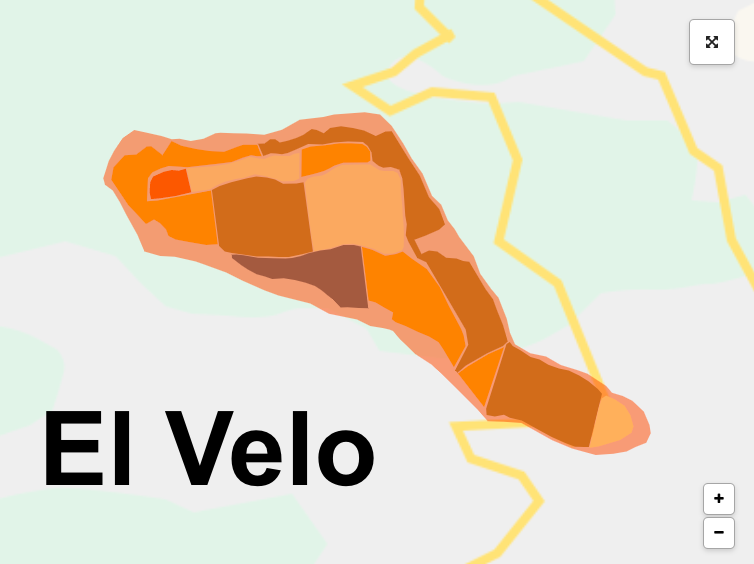
Hacienda La Esmeralda is located in Panama’s Boquete region and is known for its meticulous management. Its Geisha planting areas are mainly divided into three core plots: Jaramillo, Cañas Verdes, and El Velo. Each plot possesses unique microclimate conditions, resulting in subtle variations in flavor.Jaramillo receives up to 4,000 mm of annual rainfall, with significant diurnal temperature variation (daytime 19–25°C, nighttime 11–15°C), and sits at an elevation between 1,600–1,700 meters.It is further subdivided into five smaller blocks, including Mario and Noria;Cañas Verdes has slightly lower annual rainfall (3,500 mm), with elevations ranging from 1,600–1,800 meters and diurnal temperatures of 16–23°C during the day and 10–15°C at night,encompassing numerous sub-plots such as Nido and Tumaco. As for the newer El Velo plot, it lies at an even higher elevation (1,700–1,900 meters). In addition to Geisha, other varieties such as Laurina and Pacamara are also trialed here. The complexity of the terrain and microclimate adds further diversity to its flavors.
Hacienda La Esmeralda classifies its Geisha offerings into three grades based on growing region and processing method: Red Label, Green Label, and Blue Label. Among them,Red Label is the highest grade, sourced from Geisha beans grown at elevations of 1,600–1,800 meters in Jaramillo and Cañas Verdes, with cupping scores above 90. Most of these are auction lots.While non-auction lots are also available on the market, their quality and processing remain consistent, with only the price differing. Red Label beans are commonly processed using either natural or washed methods. In practice, the natural version exhibits bright rose-like floral aromas, citrus notes, and layers of rice, berries, and honey, delivering a juicy mouthfeel with a well-balanced acidity and sweetness, as well as a multidimensional aroma. It is considered a quintessential representation of classic Geisha flavor.
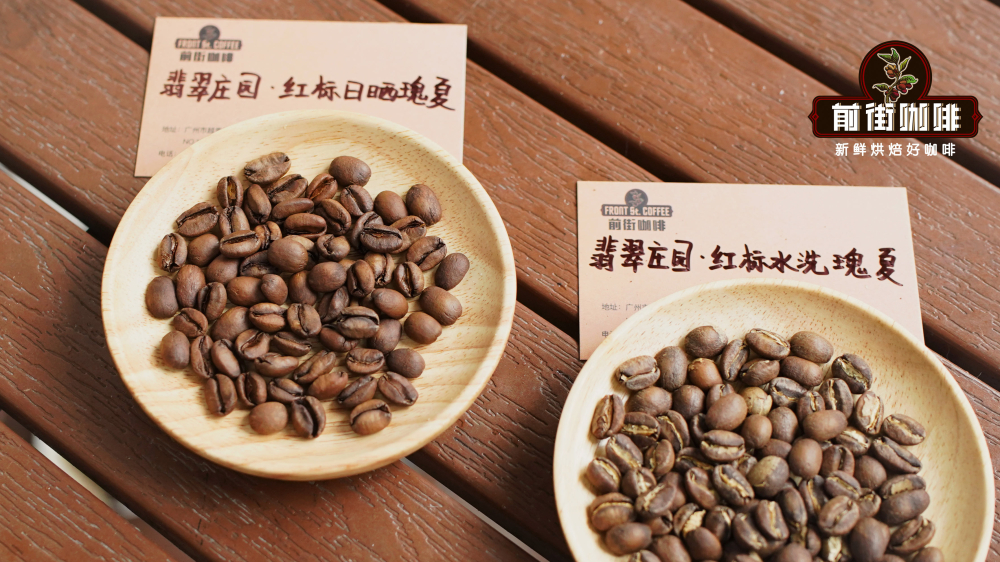
For roasting the Red Label, taking the Yangjia 800N roaster as an example: charge 380 grams of beans, set initial drum temperature to 150°C, and damper at 3; at 1 minute 36 seconds (the turn-around point), adjust damper to 4; when bean surface turns yellow at 147.6°C, reduce heat to 100 at 150°C; at 7 minutes 38 seconds, first cracks and dark spots appear; at 8 minutes 10 seconds, first crack begins, adjust damper to 4, and develop for 1 minute 28 seconds post-first crack, finally dropping the beans at 189.5°C. These parameters help highlight the intensity and complexity of the natural process flavors.
Green Label is positioned as a private collection-grade offering, from non-auction lots, and is a blend of Geisha beans from the 1,600–1,800 meter micro-regions of Jaramillo and Cañas Verdes. Although specific plots are not indicated, it still retains the signature floral and fruity acidity of Geisha, with a refreshing and juicy profile.The Green Label uses a washed process. Upon tasting, it presents jasmine aroma, citrus and berry acidity, along with layers of cream, cantaloupe, and orange peel, followed by a clean and lingering aftertaste.It showcases the original terroir of Hacienda La Esmeralda, and offers relatively outstanding cost-performance.
Roasting parameters for Green Label: using the Yangjia 800N roaster, charge 500 grams of beans at 190°C, with initial heat at 150 and damper at 3; after the turn-around point, adjust damper to 4, and reduce heat to 110 at 166°C; at 7 minutes 55 seconds, further reduce heat to 90, and initiate first crack at 8 minutes 30 seconds with damper at 5, then develop for 1 minute 30 seconds post-first crack, finally dropping at 193.5°C. This setup enhances the bright and clean qualities of the washed process.
Blue Label (also known as Geisha 1500) uses a blend of beans from three plots at elevations of 1,400–1,500 meters (including Jaramillo, Cañas Verdes, and El Velo). Its flavor profile is relatively mild, dominated by subtle floral notes and fruit acidity, with less body.In earlier years, only washed processing was offered, but in recent years, a natural option has been added.The washed Blue Label tastes of gentle lemon and grapefruit acidity in the foreground, with honey sweetness in the mid-palate, and a finish of oolong tea notes and brown sugar sweetness. The natural version offers fermented fruit aromas and tropical fruit sweetness, with a juicy character reminiscent of melon. Notably, starting in 2021, the Blue Label brand was discontinued, and the original growing regions were rebranded under the name “Volcanic Rock” for their washed Geisha offerings, which share a highly similar flavor profile with the former Blue Label.
Roasting reference for washed Blue Label: using the Yangjia 800N roaster, charge 480 grams of beans at 180°C, with initial heat at 130 and damper at 3; at 1 minute 32 seconds (turn-around point), adjust damper to 4; after bean surface changes at 151.6°C, initiate first crack at 8 minutes 30 seconds, with damper at 5, then develop for 1 minute 28 seconds post-first crack, finally dropping at 190°C. These parameters are ideal for showcasing the clean and bright characteristics of the washed Blue Label.
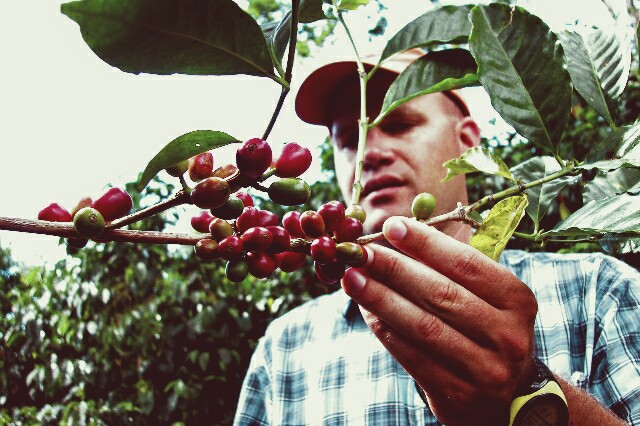
For beginners pour overing Geisha, it is recommended to use freshly roasted beans within 5 days of roast date, and allow the beans to degas for 4–7 days upon arrival to reach optimal flavor window. Recommended parameters: water temperature 91°C, grind size like fine sugar (80% passing through a Chinese No. 20 sieve), brew ratio 1:15 (15 grams of coffee), with the following technique: first pour 30 grams of water for a 30-second bloom, then pour 95 grams (total ~125 grams) over about 1 minute, and when the water level drops to two-thirds of the coffee bed, pour the remaining 100 grams (total ~225 grams). Complete the drip at 1 minute 55 seconds to 2 minutes 10 seconds. This process effectively extracts Geisha’s floral and fruity aromas and delicate layers.

The above content is compiled by CoffeeHunters, a coffee news website.


