







Introduction:The Huila region of Colombia is a key origin in the international specialty coffee market, renowned for its stable production capacity and unique microclimates. This article delves into the region’s topography, altitude, and climatic conditions, introducing you to the origins and characteristics of popular beans such as Flower Moon Night, Rose Valley, and Isabella. It also explores four common processing methods—washed, honey, anaerobic natural, and Swiss Water—helping coffee enthusiasts master the selection and brewing essentials for Huila coffee beans.
Colombia is the world’s third-largest coffee producer, and its exceptional geographical environment provides ideal conditions for cultivating specialty coffee with stable flavor and rich complexity. Among its many producing regions, Huila is one of the most prominent and a major source of distinctive beans for many coffee companies. This article will break down the region’s environmental factors, regional variations, popular bean varieties, and processing techniques such as washed, honey, anaerobic natural, and Swiss Water, helping you fully appreciate the charm of Colombian Huila coffee.
Colombia is located in the northwest of South America, bordering Venezuela, Ecuador, Peru, and Panama, with coastlines along both the Caribbean Sea and the Pacific Ocean. Its terrain is predominantly mountainous, and the climate varies with altitude and topography. Annual rainfall ranges from 2000 to 3000 mm, with temperatures between 15.8 and 20.5°C throughout the year—conditions highly suitable for coffee cultivation. In particular, the mid-altitude mountainous regions at 1000–2000 meters enjoy a subtropical climate with moderate temperatures and high humidity, coupled with fertile volcanic soil, which contribute to the full-bodied body, bright acidity, and unique aromatic profiles commonly found in Colombian coffee, sometimes accompanied by a hint of wine-like aftertaste.
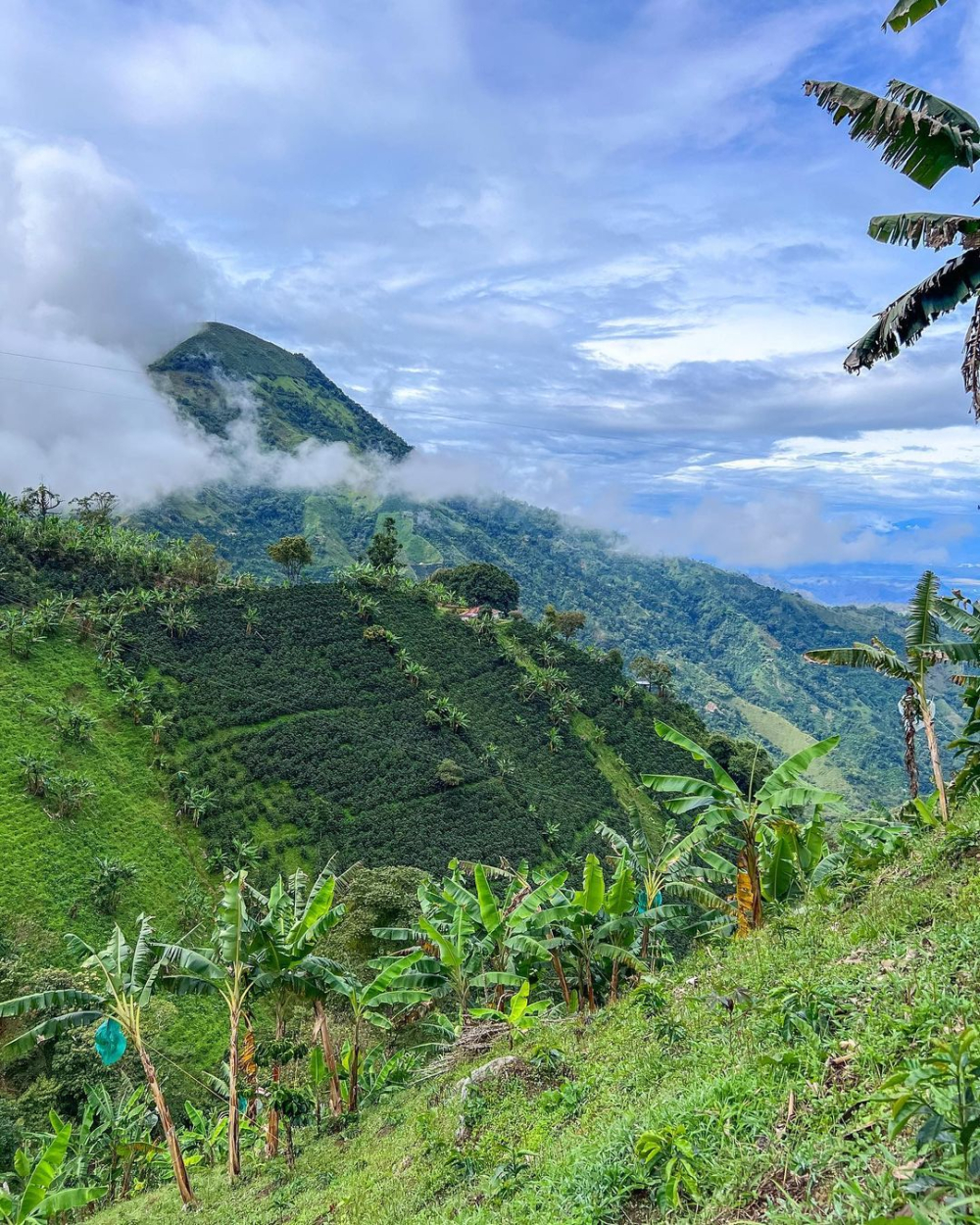
Colombia’s specialty coffee mainly comes from high-altitude regions in the south, including Huila, Cauca, Nariño, and Tolima. These areas generally exceed 1500 meters in altitude, with cool climates and significant day-night temperature variations that help coffee cherries ripen slowly, accumulating more flavor compounds and sugars. As a result, the coffee produced often exhibits distinct berry notes, clear acidity, and excellent sweetness.
Huila is one of the most important specialty coffee-producing regions in southern Colombia, situated in the southern section of the Central Cordillera. The terrain is mountainous, with altitudes mostly above 1500 meters, and the region is home to important rivers in Colombia, ensuring abundant water sources. Slightly different from the general impression of Colombian coffee as “balanced and full-bodied,” many micro-lots from small farms in Huila often showcase strong regional character—vibrant acidity, vivid fruitiness, and sometimes floral and chocolatey complex flavors. Well-known beans such as Flower Moon Night and Rose Valley come from this region, and even within the same area, differences in microclimate and processing methods can lead to distinctly varied profiles.
Cauca is an officially certified coffee origin in Colombia, with an average altitude of 1758 meters, and some areas exceeding 2100 meters. The region features rugged, predominantly mountainous terrain, a cool climate, and volcanic soils from the Andes, making it highly suitable for coffee cultivation. Cauca has a monomodal rainfall pattern, with the dry season concentrated in August and September, followed by the rainy season, which leads to a concentrated coffee flowering period and affects harvest timing. Additionally, the region experiences significant day-night temperature differences, with daytime averages around 18°C and a notable drop at night, facilitating slow bean maturation and enhancing acidity brightness and sweetness complexity.
Nariño is located in southwestern Colombia, bordering the Pacific coast and Ecuador. The Andes Mountains run through the region, and coffee is primarily grown in the cloud zone at altitudes of 1600 to 2300 meters. The soil here is fertile and mineral-rich. Although the annual yield is high, much of it is purchased by large international trading companies, resulting in a low proportion of selected beans, which makes them all the more precious.
Tolima neighbors Huila and Cauca, with a terrain also dominated by the Andes. The Magdalena River flows through the region, providing excellent water and soil conditions for coffee cultivation. Local farms are generally larger, typically ranging from 10 to 15 hectares, and operate under cooperative models where farmers deliver fresh cherries to centralized processing facilities. Some farmers choose to process their own cherries to ensure same-day processing.
Next, we focus on several representative coffee beans from the Huila region, analyzing each from origin details to processing methods and flavor profiles.
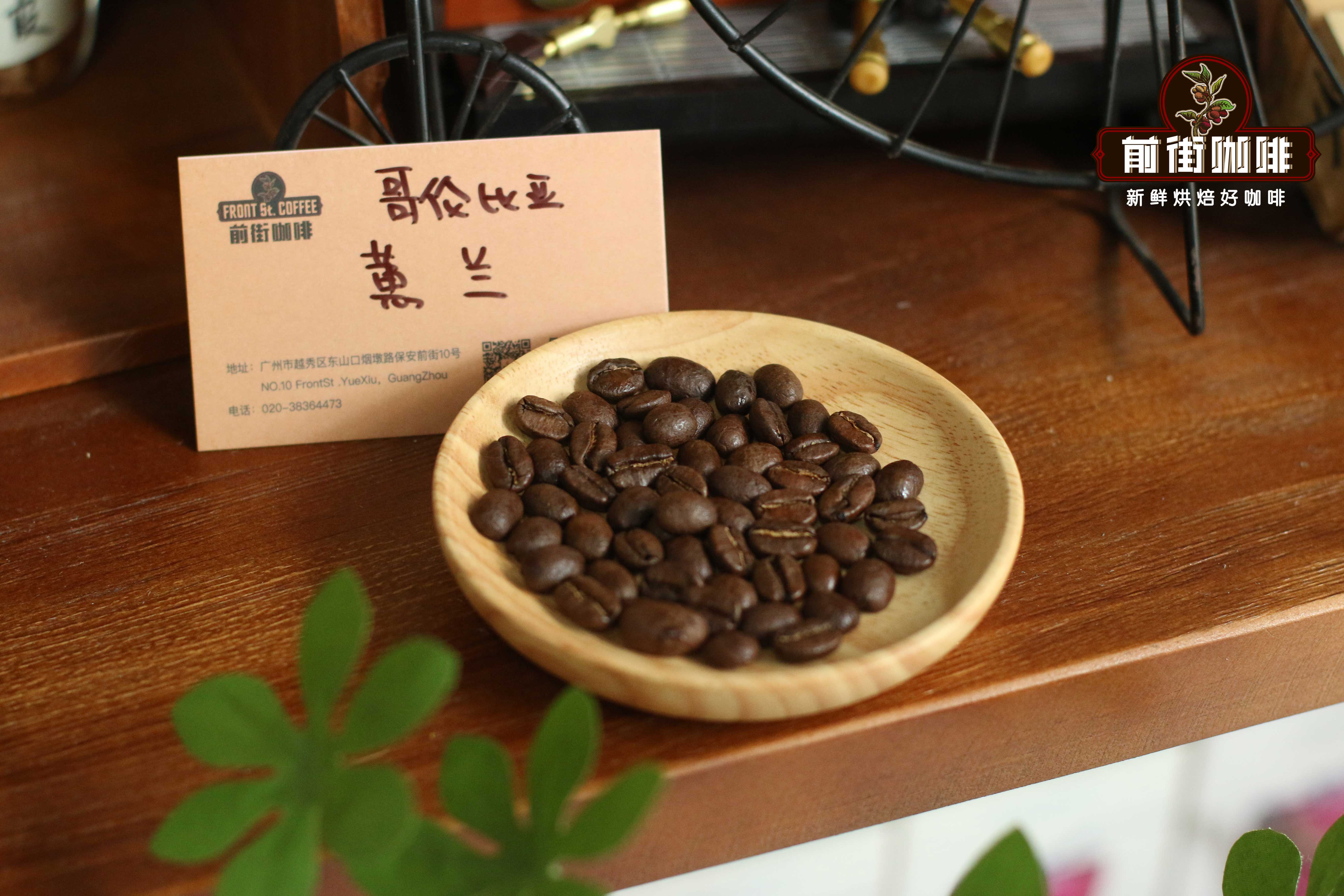
First is the Colombian Huila Washed Coffee Bean, grown at altitudes of 1500–1800 meters, with the common Caturra variety, processed using the washed method. This bean is a great entry choice for many coffee enthusiasts exploring Colombian flavors. Its flavor profile is clear, featuring a base of nuts, dark chocolate, and caramel, accompanied by soft fruity acidity. The overall taste is clean and balanced, suitable for users who prefer consistent performance. The washed method effectively highlights the bright acidity and cleanliness of the coffee and is one of the most traditional and widely used processing methods in the Huila region.
The standard process for washed processing is as follows: harvested coffee cherries are first soaked in water to use buoyancy to remove unripe or defective beans; the outer skin and pulp are then removed, followed by rinsing away the attached mucilage with water; next comes the fermentation stage, usually lasting about 18 hours, to thoroughly break down residual mucilage; after fermentation, the beans are rinsed again to ensure a clean surface; finally, the beans are sun-dried or mechanically dried to a moisture content of about 11%, then stored and packaged. This process consumes a lot of water—approximately 40–50 kilograms of clean water per kilogram of coffee beans—making it unsuitable for water-scarce areas.
Another noteworthy bean is Isabella, also from the Huila region, grown at 1760 meters, with the rare Pink Bourbon variety. Pink Bourbon is named for the romantic pink color of the coffee cherries when ripe. Its rarity stems from requiring a specific recessive gene combination and being prone to crossbreeding interference, resulting in extremely low yields. This bean is processed using the honey method, with flavors of cherry tomato, citrus, flowers, honey, and fruity sweetness, and a pronounced sucrose finish. It offers rich layers, distinctly different from the common intense chocolate notes of typical Colombian beans, making it ideal for those who prefer fruity flavor profiles.
The honey method differs from traditional washing in that it does not involve fermentation tanks. Instead, it starts with initial partial moisture removal through sun drying, followed by mechanical or hydraulic removal of the skin and pulp. As a result, the processed beans often retain more mucilage but still exhibit good acidity-sweetness balance and aromatic expression.
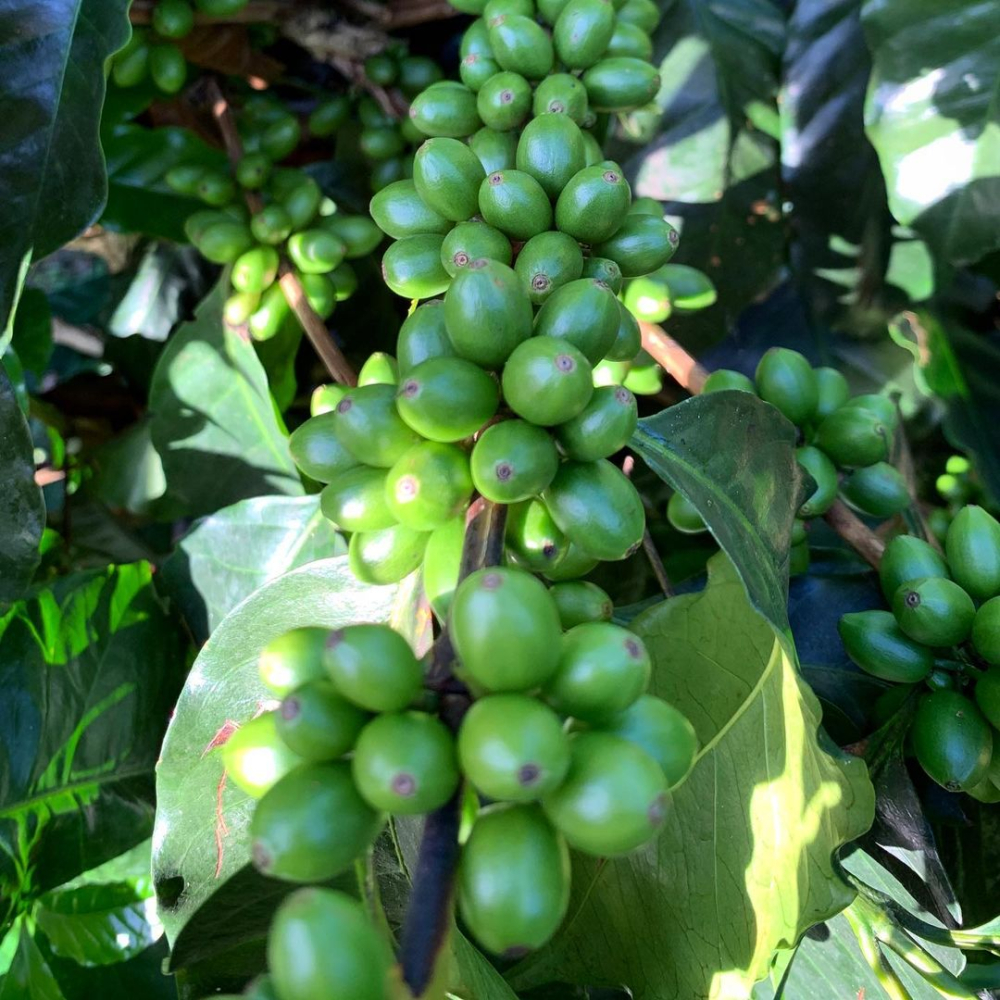
Flower of the Moon (Flor de Luna) is a star bean from Finca El Diviso in Huila, grown at 1800 meters, with the Caturra variety but processed using the anaerobic natural method. This farm is managed by experienced farm owner Ramirez, who has devoted years to developing special processing techniques, enabling this coffee to present complex flavors such as strawberry, peach, fruity wine, fermented wine notes, and a rich chocolate base. It is an excellent choice for specialty coffee enthusiasts who enjoy unique processed flavors.
The anaerobic natural process involves placing freshly harvested coffee cherries in a sealed fermentation tank for long-term (approximately 15–20 days) anaerobic fermentation under low-temperature conditions to prolong flavor development. After fermentation, the cherries are sun-dried to stabilize the flavors during the drying process and extend shelf life. This method significantly enhances flavor complexity and layering but demands high technical skill and environmental control.

Finally, we introduce a decaffeinated option: Colombian Huila Swiss Water Process Decaf Coffee. Grown at 1750 meters, with the Typica variety, it uses the Swiss Water Process to remove caffeine. This method keeps caffeine content below 0.3%, meeting international decaf standards while preserving original flavors such as berries, citrus, cocoa, and nuts. It’s suitable for consumers who want to limit caffeine intake without sacrificing flavor experience.
The principle of the Swiss Water Process is as follows: green beans are first soaked in hot water to allow caffeine and other water-soluble flavor compounds to dissolve into the water, then activated carbon filters are used to remove the caffeine, and finally, the decaffeinated essence is reintroduced to the beans so they can reabsorb the original flavor components. This achieves decaffeination without sacrificing flavor. The method avoids chemical solvents and is considered a more natural and environmentally friendly decaffeination process.
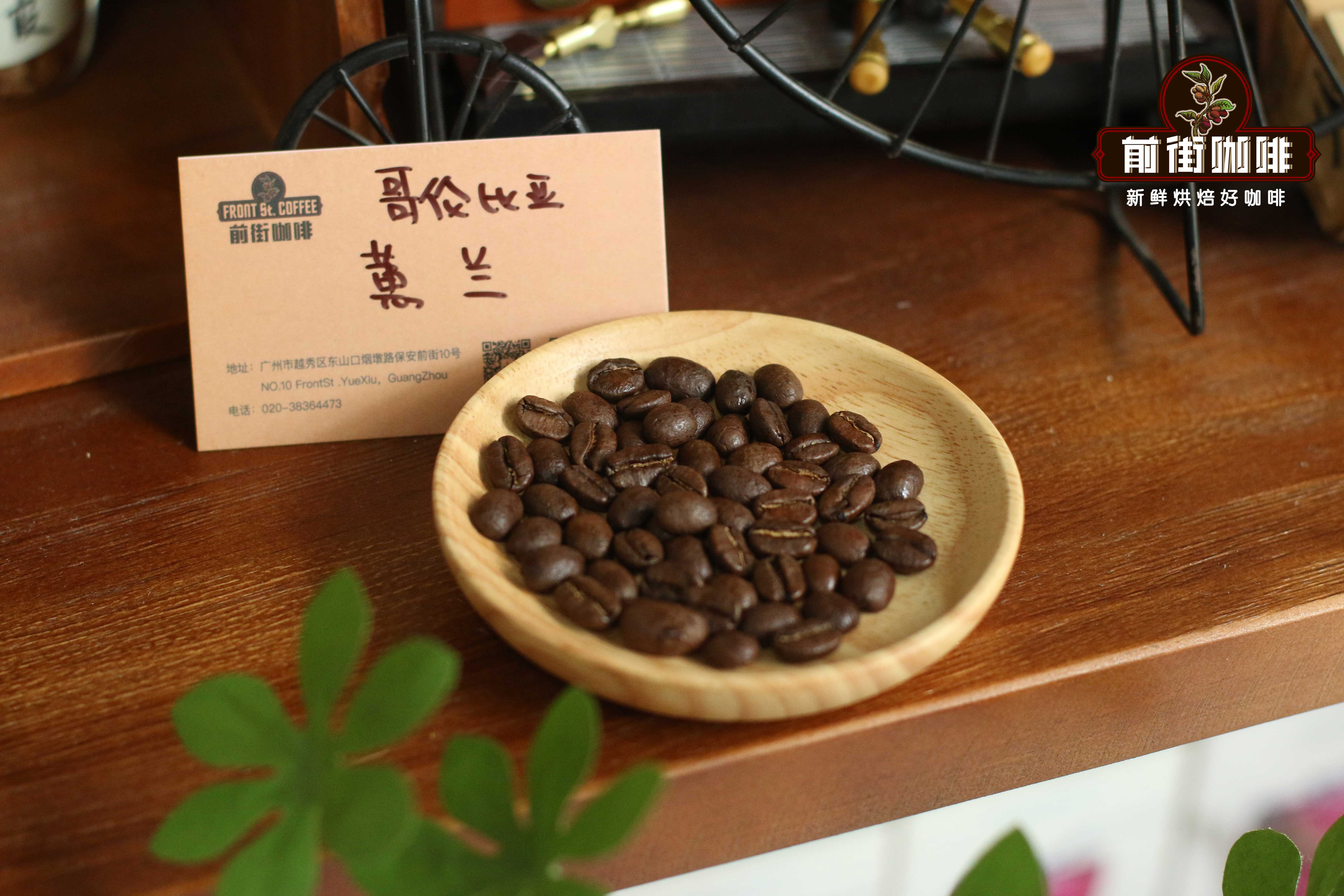
In summary, the Colombian Huila region offers a diverse range of specialty coffee options thanks to its varied microclimates, high altitudes, and refined processing techniques. Whether you prefer the clean brightness of traditional washed coffee, the complex fruitiness of anaerobic processing, or are seeking a decaf alternative, Huila can meet various needs. Familiarizing yourself with these regional characteristics and processing details will help you better unlock the potential and flavor expression of the coffee when selecting and brewing.

The above content is compiled by CoffeeHunters, a coffee news website.


