







Introduction:From the century-old Typica to the currently popular Catimor, how has Yunnan coffee leveraged its unique terrain and diverse processing methods to emerge on the international market? This article delves into the terroirs of key producing regions such as Baoshan and Pu’er, compares the characteristics of the two mainstream varieties, explores how washed and natural processing methods critically influence flavor, and provides expert pour over parameters to help you master the essence of Yunnan specialty coffee from beginner to advanced.
The land of Yunnan, traversed by the Tropic of Cancer, boasts uniquely favorable geographical conditions that nurture coffee with distinctive flavors. Since 1904, when French missionary Térraux planted the first Typica tree in Zhukula Village, the story of coffee in this region has continued for over a hundred years. Today, producing areas such as Pu’er, Baoshan, Dehong, and Lincang are flourishing. Small-sized coffee is not only popular domestically but also has earned a reputation in the international specialty market. This article will guide you through the terroir features of Yunnan’s main producing regions, analyze the differences between the two major varieties—Typica and Catimor—and delve into how washed and natural processing methods shape unique cup profiles.
 Many people’s impression of Yunnan may still be limited to Pu’er tea and tourist destinations, but in fact, the coffee industry here is quietly rising. Baoshan small-sized coffee is exported overseas and has even entered the ranks of specialty coffee. Across China, Yunnan is undoubtedly the core region for coffee cultivation. Looking back at history, as early as 1904, Father Térraux entered Dali from Vietnam to preach, and planted the first batch of Typica coffee trees when building a church in Zhukula Village—that marked the beginning of coffee cultivation in Yunnan. Since then, the local coffee industry has gone through several waves of development, gradually forming its current scale.
When it comes to Yunnan coffee brands, consumers often hold the stereotype that “imported is better than domestic.” However, coffee produced in Yunnan has long been recognized for its excellent quality. The region mainly cultivates two varieties: washed Typica and Catimor. The former is often classified as specialty coffee, while the latter is commonly referred to as small-sized coffee according to market conventions. These two varieties exhibit distinctly different flavor characteristics due to differences in genetic background and processing methods.
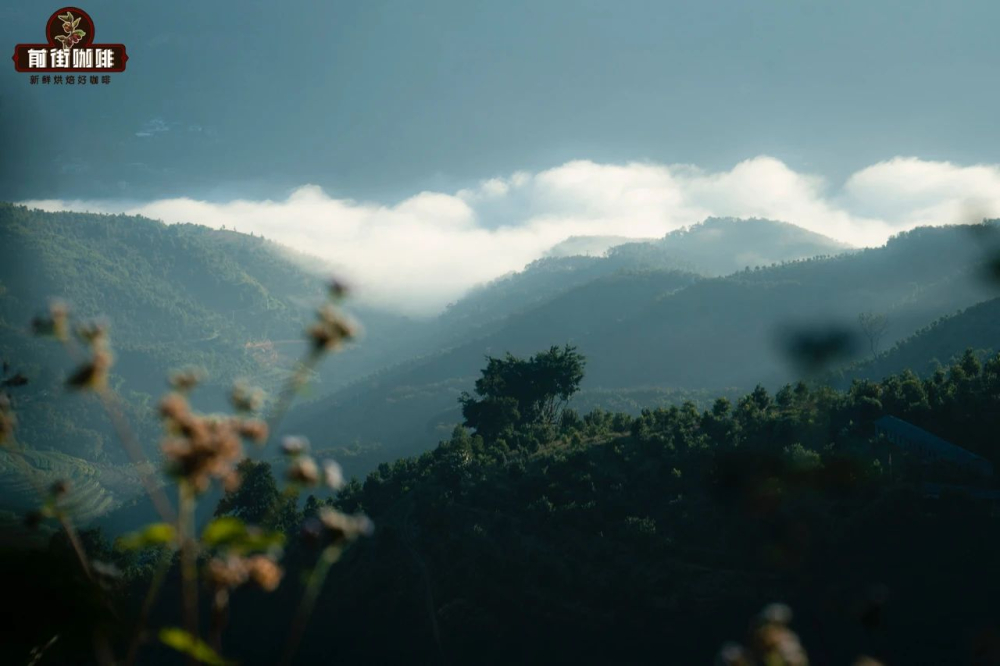
 Yunnan has become the most suitable region in China for coffee cultivation, thanks to its superior natural environment: dense forests, fertile soil, abundant rainfall, diverse terrain, moderate altitude, mild year-round climate, and its location near the Tropic of Cancer, all providing ideal growing conditions for coffee trees. Major producing areas include Lincang, Baoshan, Simao, Xishuangbanna, and Dehong, each of which harbors unique terroir charm.
The nine counties and districts under Pu’er City, such as Simao, Ning’er, and Mojiang, all grow small-sized coffee. The annual average temperature here ranges between 17 to 20 degrees Celsius, and planting altitudes mostly range from 700 to 1600 meters, providing a stable growing environment for coffee. Coffee produced in five counties of Baoshan City, including Longyang and Longling, holds the geographical indication product status of “Baoshan Small-sized Coffee,” with planting altitudes ranging from 1000 to 1500 meters and an annual average temperature of about 21 degrees Celsius. In particular, Lüjiang coffee was rated as a first-grade product in the London market as early as the late 1950s, and in recent years has gained favor among businesses in Europe, America, and the Middle East, with demand outstripping supply. In 2010, “Baoshan Small-sized Coffee” officially obtained national geographical indication product protection. Washed medium-roast coffee from the Baoshan producing area often features soft nutty and chocolate aromas, accompanied by a slight plum acidity, making it a popular choice for many coffee enthusiasts just starting out.
Dehong, one of the earliest regions in China to introduce coffee, began cultivating small-sized coffee from Myanmar in 1914 and started large-scale commercial planting in 1953. The area enjoys an annual average temperature of 18 to 20 degrees Celsius, with warm winters and cool summers, significant day-night temperature variations, fertile soil, and abundant rainfall. These conditions help coffee cherries accumulate more flavor compounds—such as proteins, sugars, and caffeine—during the ripening period, endowing Dehong coffee with a rich and full-bodied taste.
Various towns and townships in Lincang City, such as Gengma, Zhenkang, and Yunxian, are also actively developing coffee cultivation. Its unique geographical location—bordering Myanmar to the west—combined with superior climate conditions, significant day-night temperature differences, abundant rainfall, and a mild annual average temperature, has made it a focal point of interest for many coffee companies. A well-known coffee brand, seeing the potential of Lincang, established its own plantation here, committed to uncovering the unique potential of the local terroir.
Currently, the most common Yunnan coffee beans on the market are of the Catimor variety, but in earlier years, the primary variety grown in Yunnan was Typica—one of the oldest and most primitive varieties in the Arabica family. As international brands such as Nestlé and Starbucks established Yunnan as a raw material base, Catimor gradually replaced Typica as the mainstream variety in pursuit of higher yields and disease resistance. Catimor has Robusta genes, giving it strong resistance to leaf rust and yields several times higher than Typica, but it also inherits the distinctive “devil’s tail” flavor of Robusta, resulting in a more complex flavor profile.
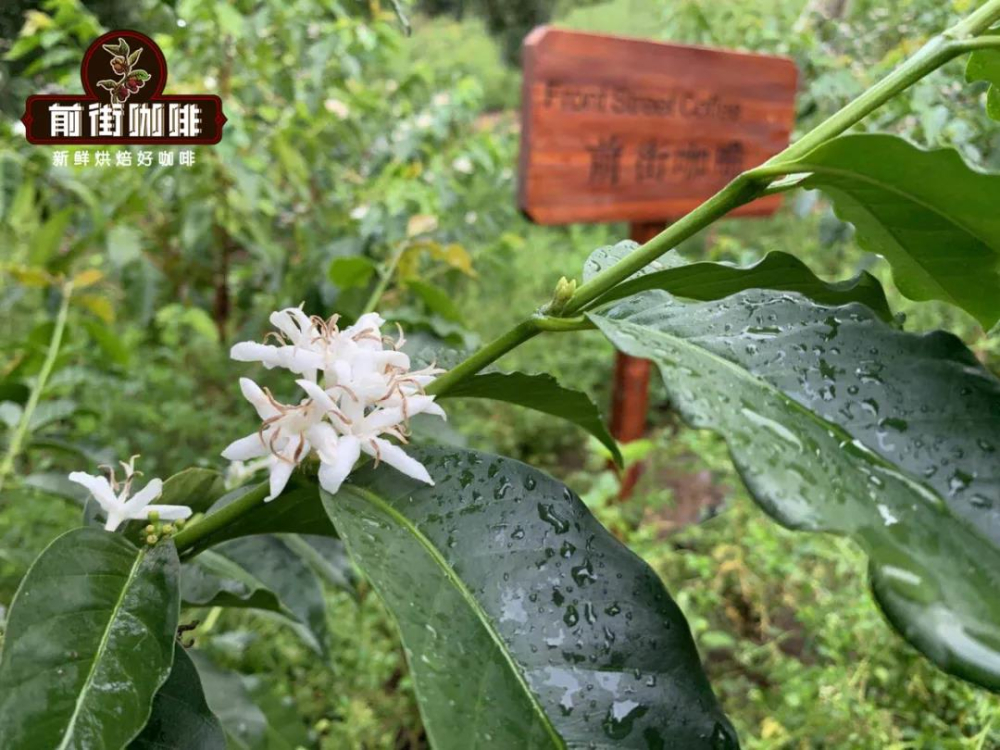
Typica originated in southwestern Ethiopia and spread through Yemen, India, Indonesia, and other regions, making it one of the most important Arabica genetic lineages. It offers excellent flavor but lower yields. World-renowned varieties such as Jamaican Blue Mountain and Hawaiian Kona belong to this type. In contrast, Catimor is a hybrid of Caturra and Timor coffee, and because it contains Robusta genes, it is highly resistant to disease and boasts high yields, but its flavor profile is relatively simpler. Due to its mid-to-low altitude location, most farms in Yunnan choose to plant the more adaptable Catimor, but some farms, such as one brand, persist in using the more elegant yet lower-yielding Typica. Through strict management and maintenance of biodiversity, they have cultivated premium beans that have received widespread acclaim.
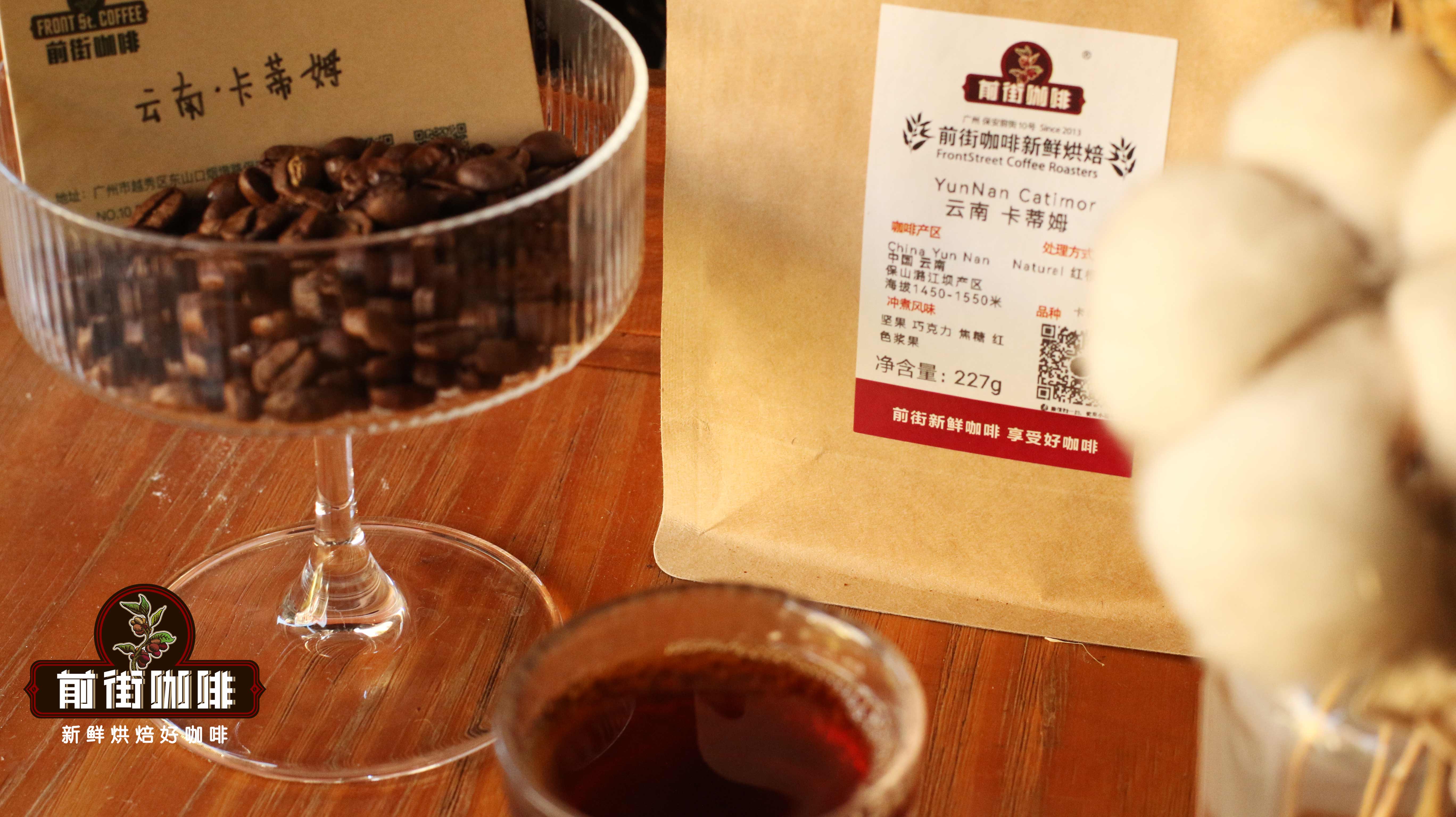
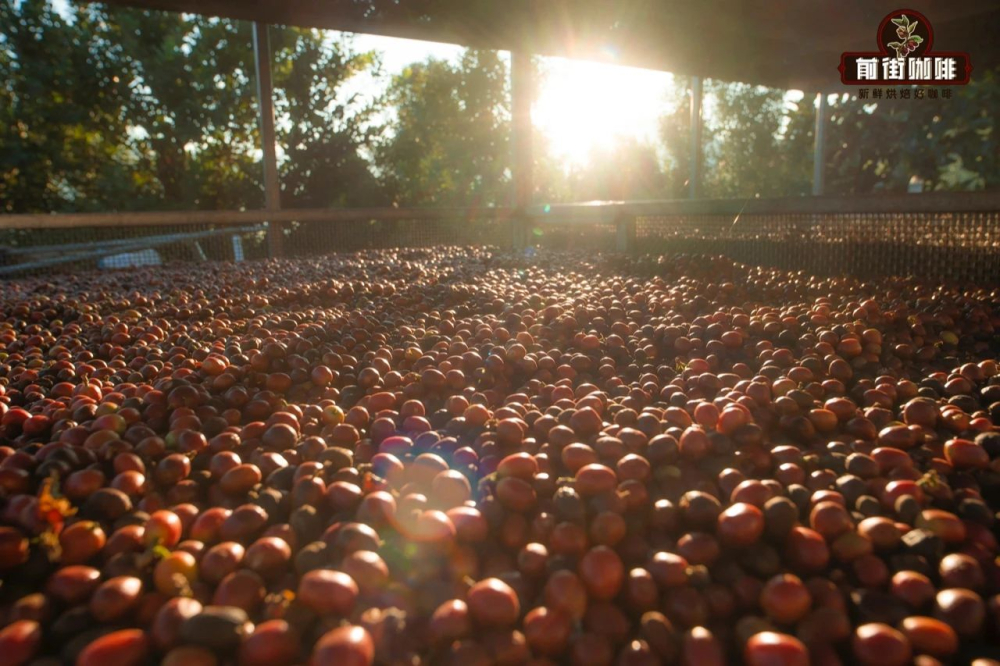
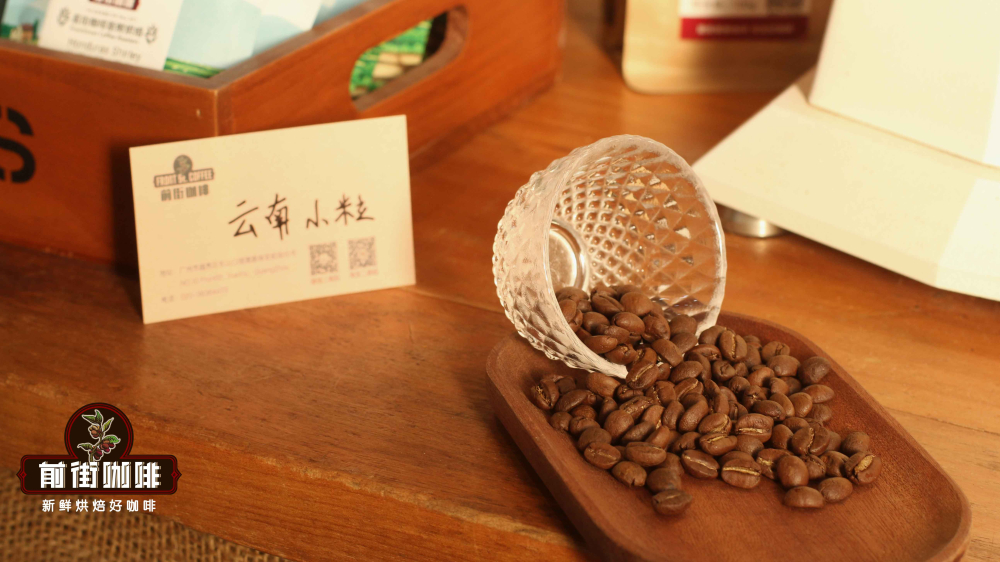
The natural Typica from a certain brand is processed using the traditional natural method, where whole red coffee cherries are evenly spread on raised drying beds and frequently turned to avoid over-fermentation. This coffee features intense aroma, prominent sweetness, with dried fruit-like sweetness, soft plum acidity, and nutty tones. The finish lingers with brown sugar sweetness and black tea-like mouthfeel, making it an excellent choice for experiencing the traditional flavor of Yunnan small-sized coffee. Recommended brewing parameters: use a V60 dripper, water temperature 91°C, coffee dose 15 grams, coffee-to-water ratio 1:15, grind size similar to coarse sugar (80% passing rate through a Chinese standard No. 20 sieve), extracted via a three-stage method within 2 minutes to fully showcase its layered flavor characteristics.
The above content is compiled by CoffeeHunters, a coffee news website.


