







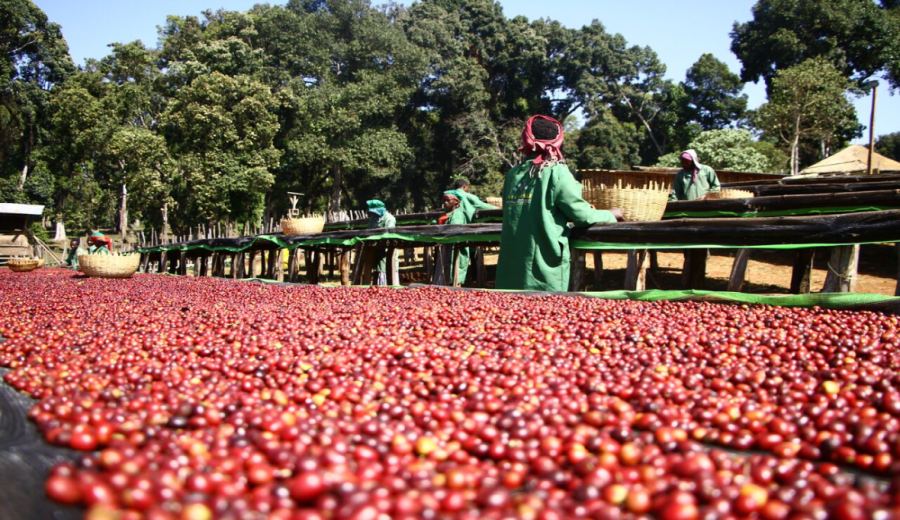
Introduction:As a highly acclaimed Ethiopian natural-processed coffee in recent years, the Huakui (Hambella) coffee bean's evolving production regions and processing techniques are worth exploring in depth. This article will take you through how Guji became independent from Sidama, analyze the geographical and agricultural background of the Hambella region, and trace the flavor evolution of the Huakui beans from their first generation to the latest versions. Whether you're a beginner in pour over or a enthusiast seeking specialty coffee beans, you'll gain insights on distinguishing regions, purchasing advice, and brewing references.
Among Ethiopia’s many coffee-growing regions, the relationship between Sidama and Guji is often confusing. Sidama was once an expansive coffee cultivation area, encompassing over 23 administrative districts, more than 50 cooperatives, and over 200 coffee processing stations, spanning multiple terrains and microclimates. As a result, even within the same broad region, vastly different flavors of coffee can be produced.
In the early days, Yirgacheffe was actually part of Sidama, and locally grown coffee was exported under the collective name "Greater Sidama Coffee." However, due to its distinctive citrus and floral flavor profile, which quickly gained international acclaim, Yirgacheffe successfully obtained a flavor trademark under the brand name "Yirgacheffe®" as early as 2007, separating from Sidama to become an independent producing region.
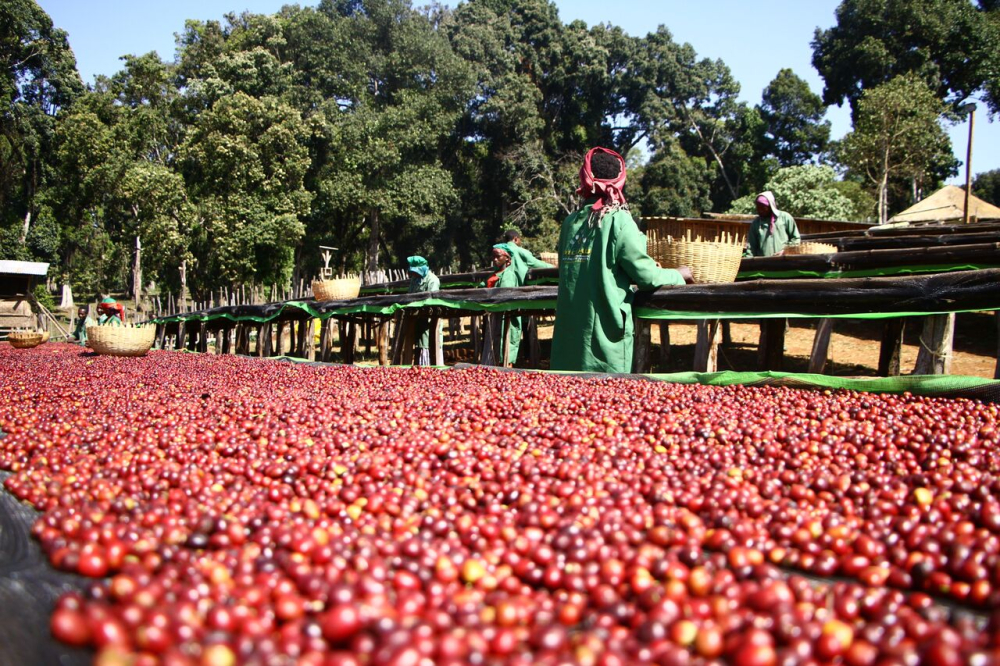
Similar to Yirgacheffe, Guji was initially also categorized under Sidama as part of the "Sidama A" classification. However, with the establishment of the Ethiopian Commodity Exchange (ECX) in 2008, coupled with the international competition successes—such as COE—of numerous small regions within Guji, its outstanding potential gradually came to light. By 2015, Guji officially separated from Sidama and became an independently recognized producing region by the Ethiopian government.
Located in southern Ethiopia, Guji has long been isolated due to its remote location, challenging transportation, and rugged mountainous terrain, resulting in limited external connections. In earlier years, local residents mostly relied on nomadic lifestyles until the discovery of abundant mineral resources gradually led to the development of mining. But in recent years, Guji’s high-altitude advantages, fertile and mineral-rich soils, along with vast areas suitable for coffee cultivation, have enabled its coffee industry to rise rapidly, becoming a key pillar of the local economy.
Compared to traditionally renowned producing regions, this area may have started late in coffee cultivation and processing, but it possesses exceptional natural conditions. The high-altitude environment allows coffee cherries to ripen slowly, accumulating richer flavor compounds. Moreover, the region retains well-preserved virgin forests, which not only maintain soil and water but also contribute unique aromatic layers to the coffee. Major sub-regions include Ansola, Hambella, Shakiso, Uraga, and Logita, among which Hambella is not only the name of the region but also the name of a significant coffee farm under an agricultural development share company.
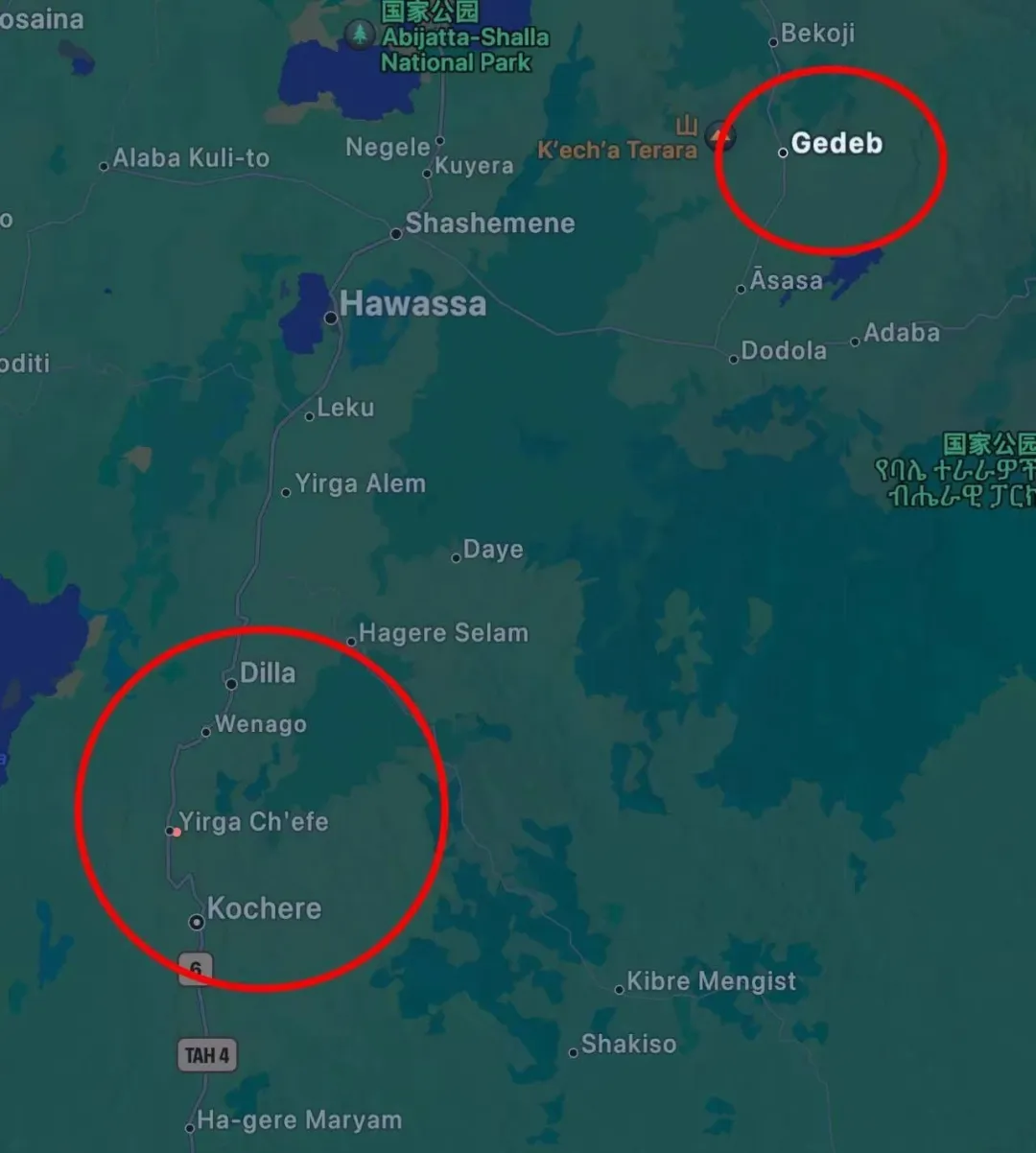
The Hambella farm spans 200 hectares and is located just about 75 kilometers from the renowned Yirgacheffe producing region, placing it within Ethiopia’s core coffee-growing belt. The farm also serves as a centralized processing hub for coffee beans in the surrounding areas, managed and refined by METAD, a company founded in 2013 by Aman Adinew. Coming from a coffee-growing family—his grandmother once owned farms in Harrar and Sidama—Aman himself previously served as the Chief Operating Officer of ECX. He has since dedicated himself to modernizing the coffee industry, collaborating with thousands of local smallholder farmers to ensure coffee quality and traceability.
When talking about Hambella, the most frequently mentioned coffee bean is "Huakui" (Flower Queen). This bean actually originates from the Buku Abel processing station in the Hambella region of Guji, Ethiopia, and its original name is "Ethiopia Guji Hambella Buku Abel"—a G1 grade natural-processed coffee bean. It earned the name "Huakui" (Flower Queen) after winning the TOH (Top of the Horn) Natural Category championship in an international competition. Domestic importers, drawing on Chinese imagery, named it "Hundred Flowers Queen," symbolizing top-tier flavor. Later, due to its intense fruity aroma, juicy mouthfeel, and reasonable price, it was hailed by many coffee enthusiasts as a "budget-friendly alternative to Geisha," becoming a popular choice for many newcomers to single-origin coffee.
Before being named "Huakui," this coffee bean circulated solely under its English name "Hambella," which is commonly referred to in Chinese as "罕贝拉." In other words, the now-familiar "Huakui Coffee" originally came from the natural-processed G1 beans of the Hambella Buku Abel processing station, representing one of the most iconic natural lots within the Guji region.
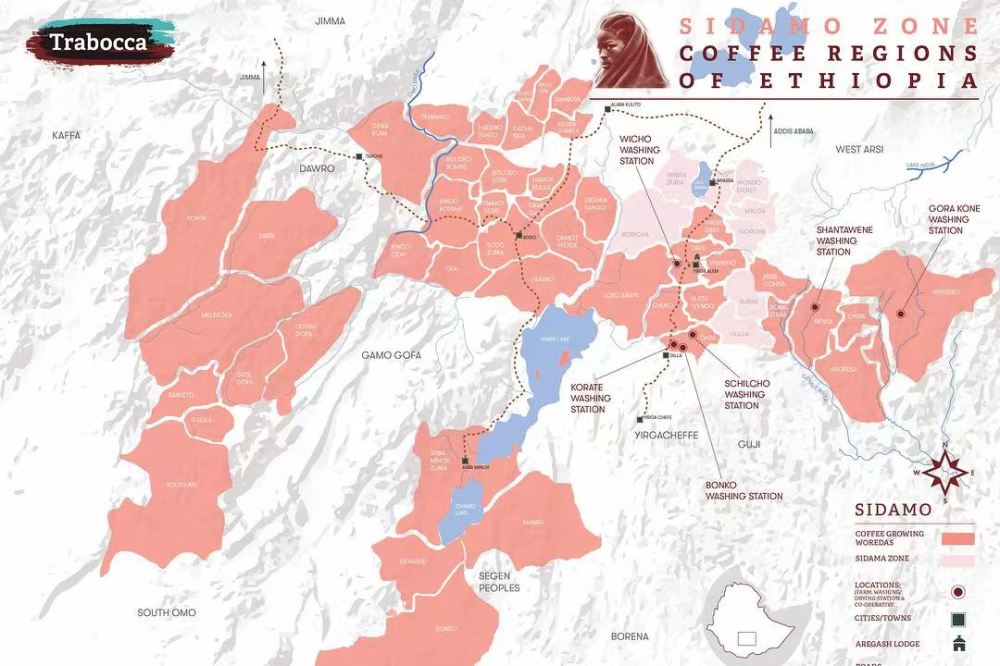
As the reputation of Huakui spread, to meet market demand, DW Company established multiple specialized natural processing stations in the Hambella Wamena Wereda area, concentrated in Dimtu town, including villages such as Buku Abel, Buku Saysay, Haro Soresa, Tirtiro Goye, and Seke Bokosa. According to statistics, these series of processing stations once produced up to tens of millions of tons of "Huakui"-grade natural beans annually, making it a hot commodity in the market.
However, starting from the 2018 harvest season, although the same producing region and processing stations were used, many coffee enthusiasts noticed that the flavor of Huakui had changed compared to the initial version. Cupping observations revealed that while the 2018 and 2019 Huakui retained some fruity notes, they slightly lagged behind the 2017 initial version in terms of body and aftertaste. To distinguish between batches of different years, domestic green coffee traders adopted a version numbering system based on 2017, such as "Huakui 2.0" for 2018, "Huakui 3.0 and 3.1" for 2019, and so on, up to "Huakui 7.0" in 2024. The new 2025 harvest season returns to its roots, with the original version of "Huakui" being relaunched under its initial name.
The new 2025 Huakui harvest features a more expressive dry aroma, releasing complex scents of guava, jackfruit, apricot, dried fruit, citrus, and multiple floral notes. During brewing, the infusion reveals distinct honey and berry sweetness. Upon sipping, the initial flavors include the bright acidity and juiciness of dried mango, jackfruit, orange, and passionfruit, with a round and full mouthfeel. As the temperature drops, the sweetness of peach and berry acidity gradually emerge, while the finish leaves a smooth, tea-like aftertaste. Overall, it is highly recommended for pour over enthusiasts, with a suggested medium-light roast, medium-fine grind size, and a water temperature of around 90-92°C to enhance its flavor complexity and clarity.
The above content is compiled by CoffeeHunters, a coffee news website.


