







Introduction:This article delves into the development of Yunnan coffee from its introduction in 1904 to the present day, detailing the unique terroirs of key producing regions such as Baoshan and Lincang, and analyzing the characteristics of three major varieties: Typica, Bourbon, and Catimor. It also provides professional pour over recommendations and extraction parameters to help coffee enthusiasts better understand this promising domestic coffee—whether selecting beans or brewing at home.
In recent years, with the rise of the guochao (national trend) culture, Yunnan coffee has gradually become a focal point in China's specialty coffee market. Not only have several local brands such as catfour (Four Cats Coffee), Xinlu, and Zhongka been selected among the Top 15 Emerging Chinese Coffee Brands in 2022, but major chain brands like Starbucks, Luckin, and Manner have also launched products featuring Yunnan beans. This article will take you through the century-long evolution of Yunnan coffee, dissect the characteristics of the main local coffee varieties, focus on the terroir conditions of the two core producing areas—Baoshan and Lincang—and finally offer practical pour over parameters and brewing suggestions.
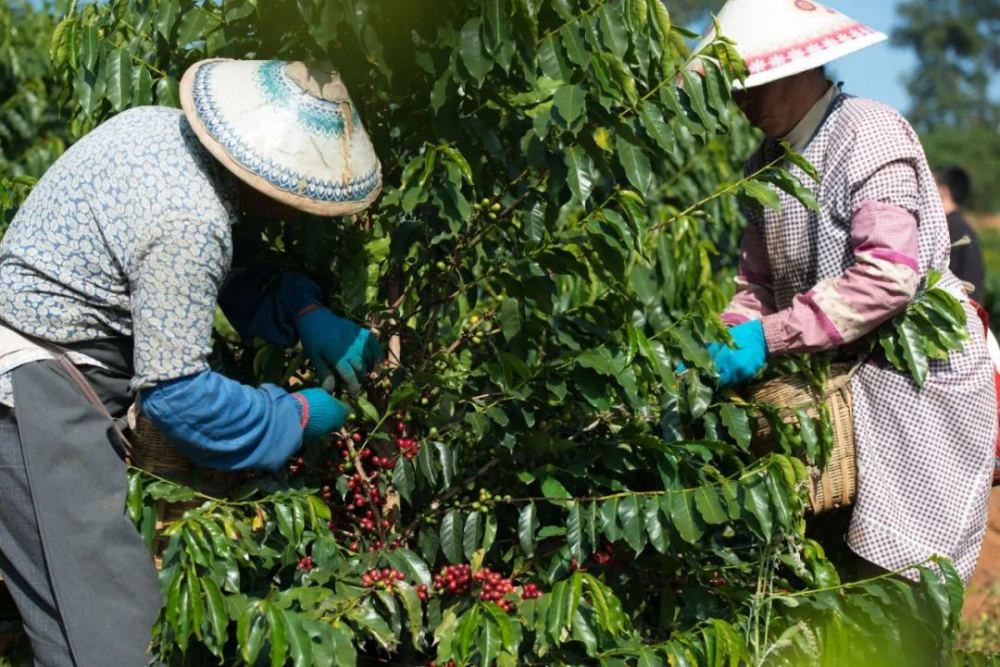
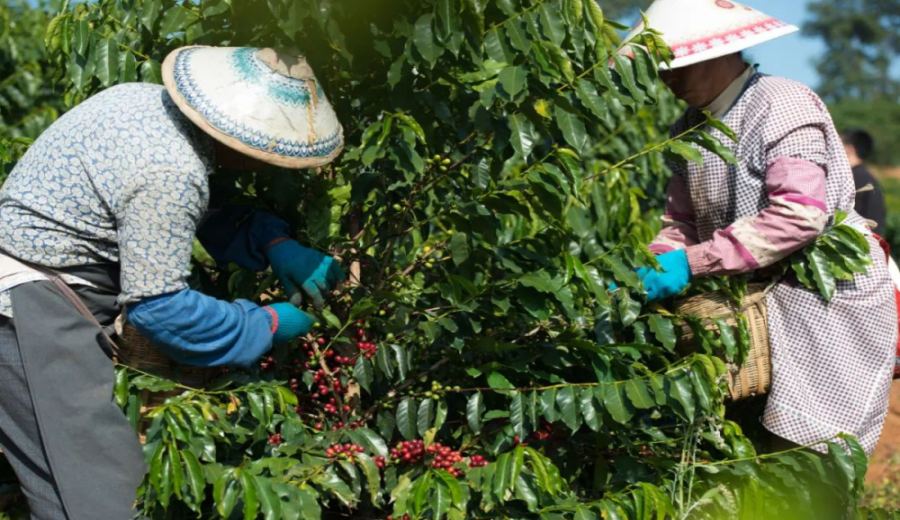
The story of Yunnan coffee began in 1904 when a French missionary planted the first coffee trees in Zhukula, Yunnan, marking the beginning of the region’s connection with coffee. By the 1950s and 60s, coffee cultivation gradually expanded, especially under the guidance of experts from the Agricultural Sciences Academy, with Yunnan coffee primarily supplied to the Soviet market. In 1937, patriotic overseas Chinese Liang Jinshan introduced seeds from Myanmar and established an early coffee-growing area in Luxi Basin, Baoshan. At that time, the main varieties planted were Typica and its variant Bourbon, covering an area of up to 50,000 mu.
However, subsequently, a global outbreak of coffee leaf rust led to the death of a large number of coffee trees and a sharp decline in planting area. It wasn’t until 1988, when foreign-funded enterprises such as Nestlé entered Yunnan, that they not only introduced the disease-resistant and high-yield Catimor variety but also committed to purchasing at U.S. futures prices, significantly boosting the local coffee industry. In 1995, the Yunnan Provincial Government further included coffee cultivation in the “18 Project,” rapidly increasing both planting area and yield, laying the industrial foundation for today’s Yunnan coffee.

When it comes to Yunnan coffee varieties, the early ones were mainly Typica and Bourbon. Both belong to the Arabica species and are small-bean types, known for their delicate flavors and diverse fruity acidity profiles. Blue Mountain and Kona are among the standout representatives. However, Typica trees are tall but have low yields and are susceptible to various diseases including coffee leaf rust, leading to their gradual phasing out by farmers. In 1995, Yunnan introduced the Catimor 7963 variety developed by the Portuguese Tropical Research Institute. This hybrid variety was specifically designed for rust resistance and high yield, featuring dwarf stature, multiple branches, short fruit nodes, strong vitality, and excellent disease resistance and per-unit yield. It now accounts for over 90% of Yunnan’s coffee planting area.
In terms of regional distribution, Yunnan coffee spans nine prefecture-level cities including Pu'er, Baoshan, Lincang, and Dehong. Among them, Baoshan and Lincang, due to their unique geography and climate conditions, have become important sources of specialty coffee. Baoshan’s Luxi Basin is located at the foot of the Gaoligong Mountains and beside the Nujiang Grand Canyon, with altitudes ranging from 640 to 1,400 meters. It features a typical subtropical dry-hot valley climate, with abundant sunshine year-round, no frost, and large diurnal temperature variations, which help coffee cherries accumulate rich flavor compounds. The Catimor coffee from this area typically exhibits a rich yet non-bitter profile, with elegant aroma and a refreshing aftertaste.
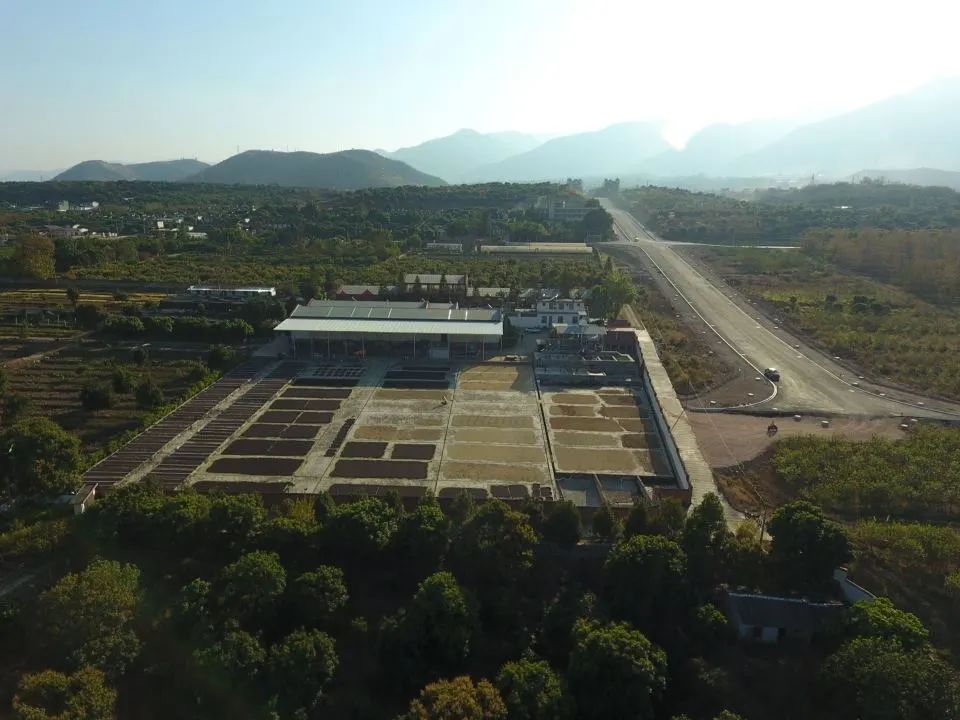
The Lincang producing area is influenced by the warm, moist airflow of the Indian Ocean and the southwest monsoon. Its climate is characterized by distinct dry and wet seasons, long sunshine hours, short frost periods, and even frost-free conditions in some areas all year round. Coupled with pronounced vertical climates, it is highly suitable for growing Arabica coffee. The Lincang Typica used there is processed using the natural sun-drying method, preserving more fruity aromas and fermentation layers. Typica is known for its fruity acidity and delicate texture, making it a classic variety favored by many specialty coffee enthusiasts, with Blue Mountain and Kona being examples of this type.
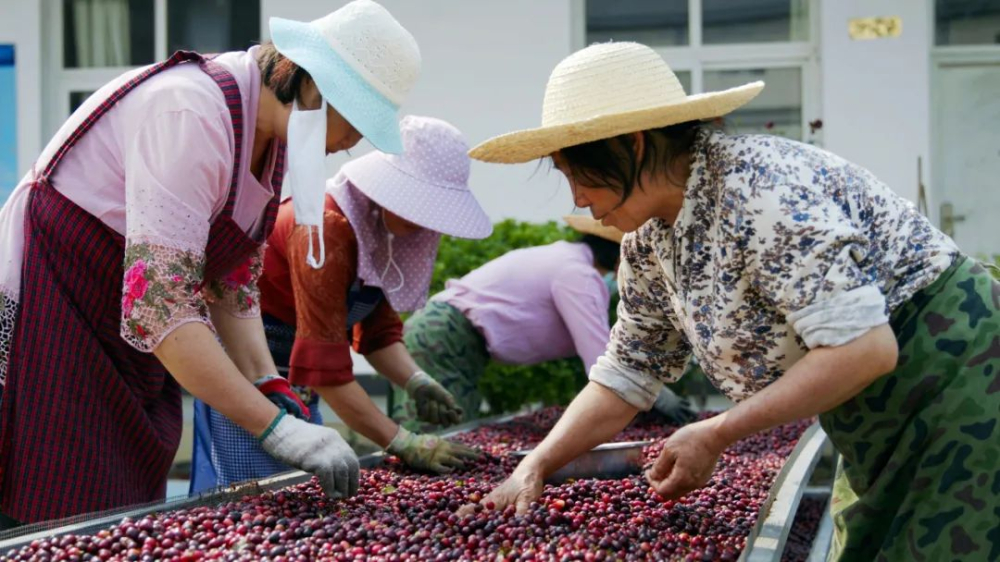
Around November each year, the coffee cherries in the Lincang producing area reach maturity. After harvesting, the coffee cherries are individually handpicked, then spread out under the sun for natural drying. They need to be frequently turned to ensure even dehydration and avoid over-fermentation that could affect the flavor. The industry believes that the overall flavor profile of Yunnan coffee tends to be balanced, encompassing acidity, sweetness, and bitterness, so medium roasting is commonly used to fully showcase its multi-layered regional characteristics.
For coffee enthusiasts who enjoy pour over brewing, it is recommended to choose Yunnan coffee beans within five days post-roasting to achieve the best flavor expression. It is suggested to use a Hario V60 dripper, with a coffee dose of 15 grams, water temperature controlled at 90°C, and grind size recommended to have a 75% passing rate through a #20 sieve. The water-to-coffee ratio should be 1:15. During brewing, you can adopt the classic three-pour method: start with a 30-second bloom using twice the coffee dose (about 30 grams) of water, then pour in small streams in a circular motion from the inside out until reaching 125 grams for the first pour. Once the coffee bed drops to the middle of the dripper, continue pouring to 225 grams to complete the extraction, with a total brew time of about 2 minutes. This method can fully bring out the balanced flavors of Yunnan coffee—nuts, chocolate, and subtle fruity acidity.
In summary, whether you opt for the balanced richness of Baoshan Catimor or the fruity sun-dried notes of Lincang Typica, Yunnan coffee demonstrates tremendous potential and diversity. Understanding the characteristics of the producing regions, varieties, and correct extraction methods will help you more fully appreciate the unique qualities of this domestic coffee.
The above content is compiled by CoffeeHunters, a coffee news website.


