







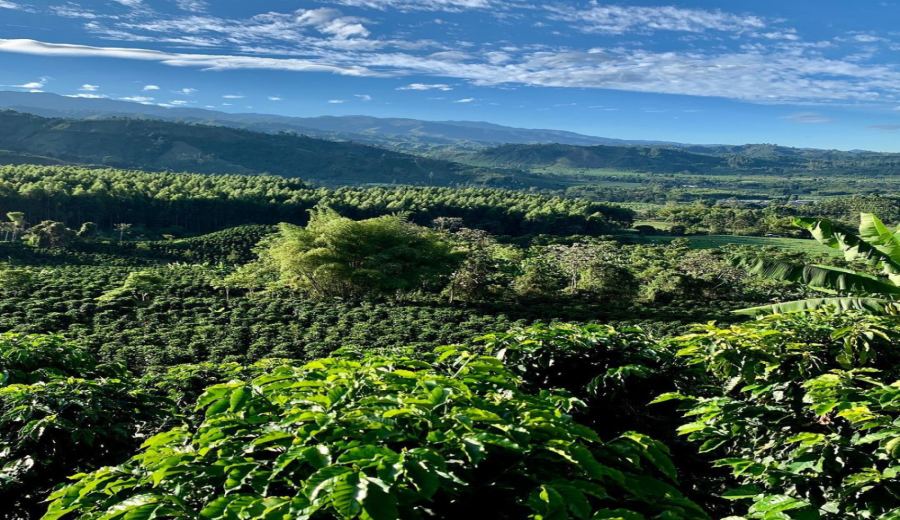
Introduction:Colombian coffee is renowned for its rich, balanced flavor with fruity and nutty notes, particularly from the Huila and Cauca regions, which are major sources of specialty beans. This article delves into the altitude, climate, processing methods, and flavor characteristics of these two regions, comparing popular beans such as washed Huila, anaerobic Natural Flower Moon Night, and Cauca Sakura to highlight their uniqueness, helping you master bean selection and pour-over brewing techniques.
Colombia is a globally recognized producer of specialty coffee, benefiting from its low-latitude, high-altitude geography and fertile volcanic soil, which produce beans with balanced flavors, bright acidity, and often nutty and cocoa notes. Since the 1990s, Colombian beans have become a core choice for many international brands and remain widely loved by coffee enthusiasts worldwide. This article will introduce you to the main characteristics of Colombia’s key producing regions, with a special focus on Huila and Cauca, and provide a detailed comparison of various well-known processed beans—from flavor profiles to brewing recommendations—for a comprehensive bean selection guide.
Coffee Growing Conditions in Colombia
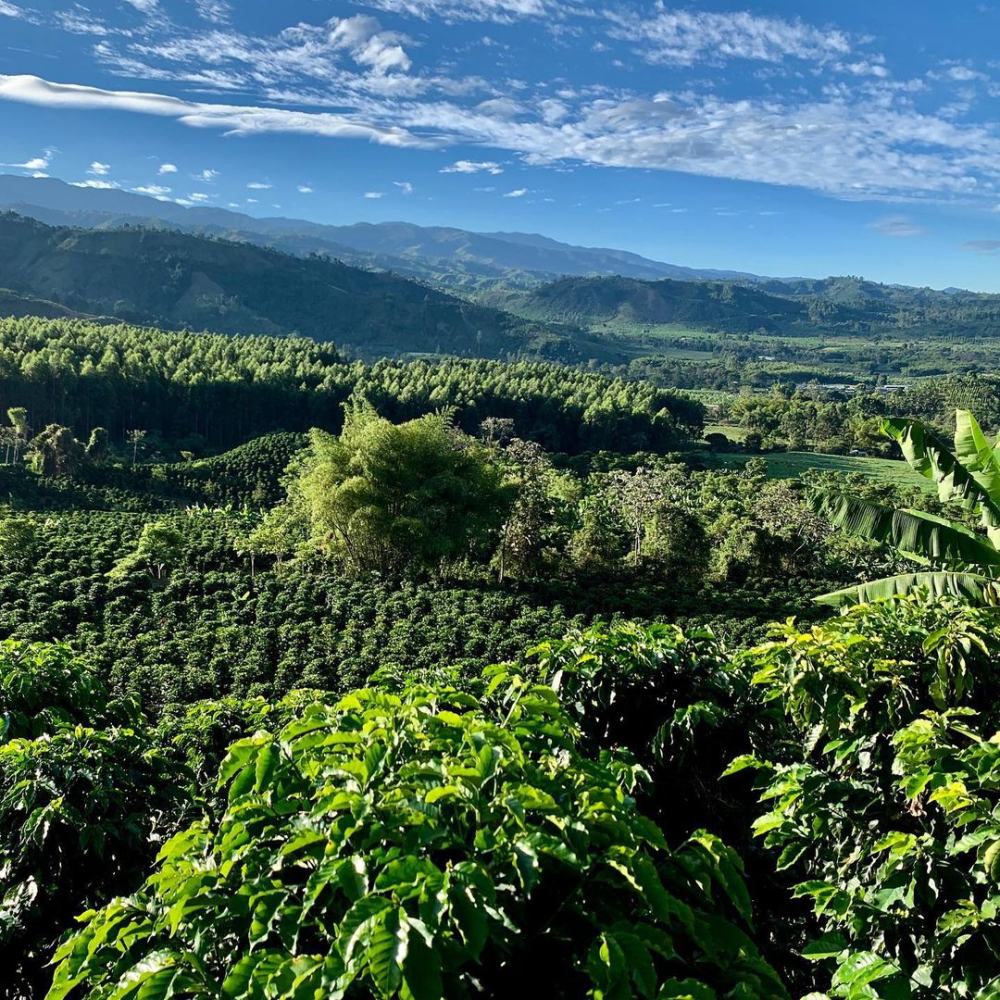
Located in the northwest of South America and bordering Panama, Colombia is a mountainous country with significant climate variations due to differences in altitude and terrain, creating diverse microclimates. Annual rainfall ranges between 2,000 and 3,000 millimeters, with temperatures year-round between 15.8 and 20.5°C, and an average of 18 to 22.5°C in producing areas. This environment is not only ideal for coffee cultivation but also allows Colombia to have harvest seasons throughout the year, with areas above 1,500 meters elevation being particularly suited for specialty coffee.
Thanks to its low-latitude, high-altitude environment combined with volcanic soil, Colombian coffee typically exhibits intense acidity, full body, and multi-layered fruity notes, sometimes with subtle wine-like aromas—key features that distinguish it from other producing regions.
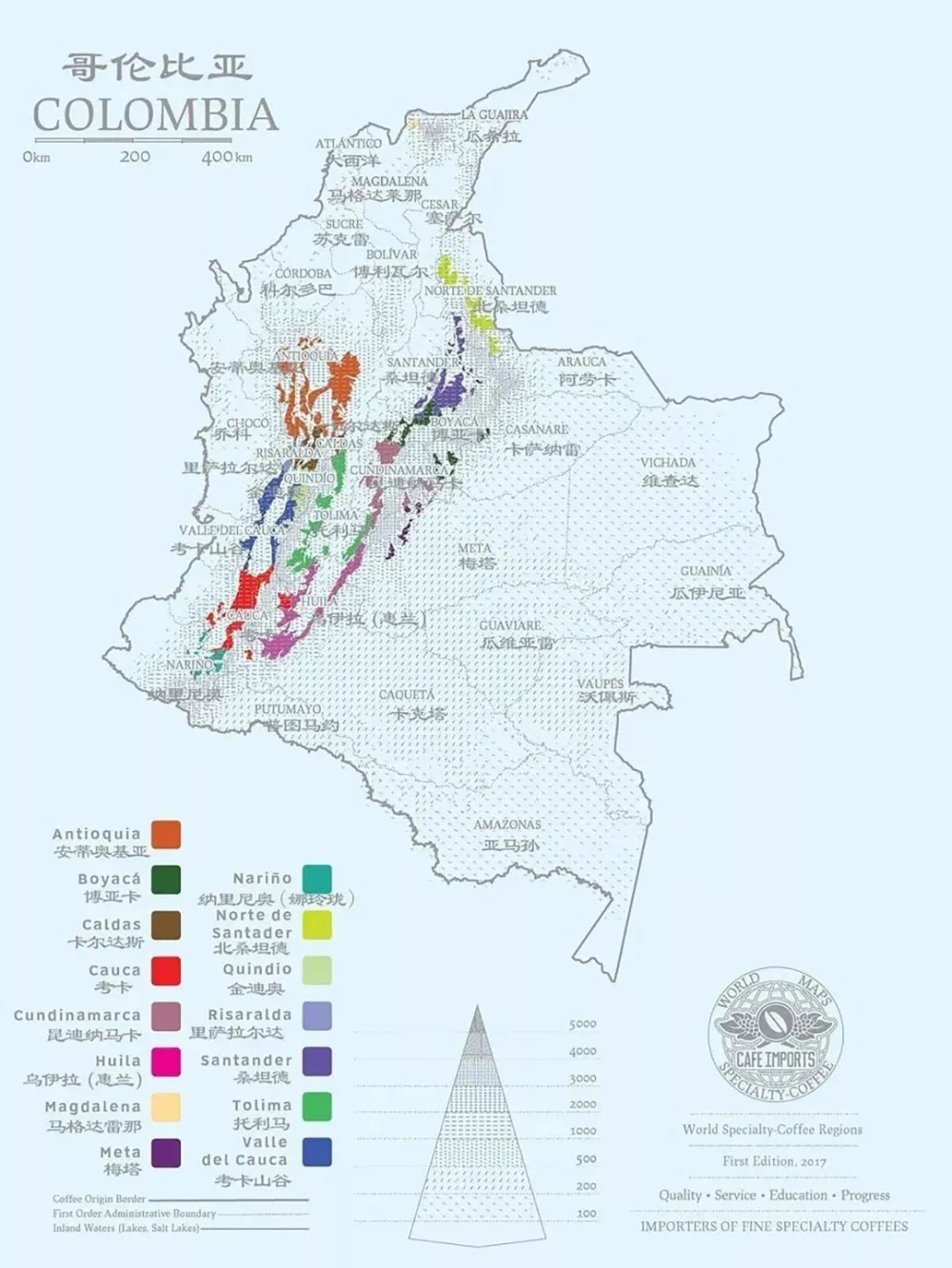
Overview of Colombia’s Main Coffee Producing Regions
Colombia’s specialty coffee is mainly concentrated in high-altitude southern regions, including Huila, Cauca, Nariño, and Tolima. These areas not only generally exceed 1,500 meters in elevation but also, due to microclimate variations, some regions can even harvest coffee twice a year, resulting in beans with rich and diverse flavors.
Huila Province: The Birthplace of Diverse Microlots and Special Processing Methods
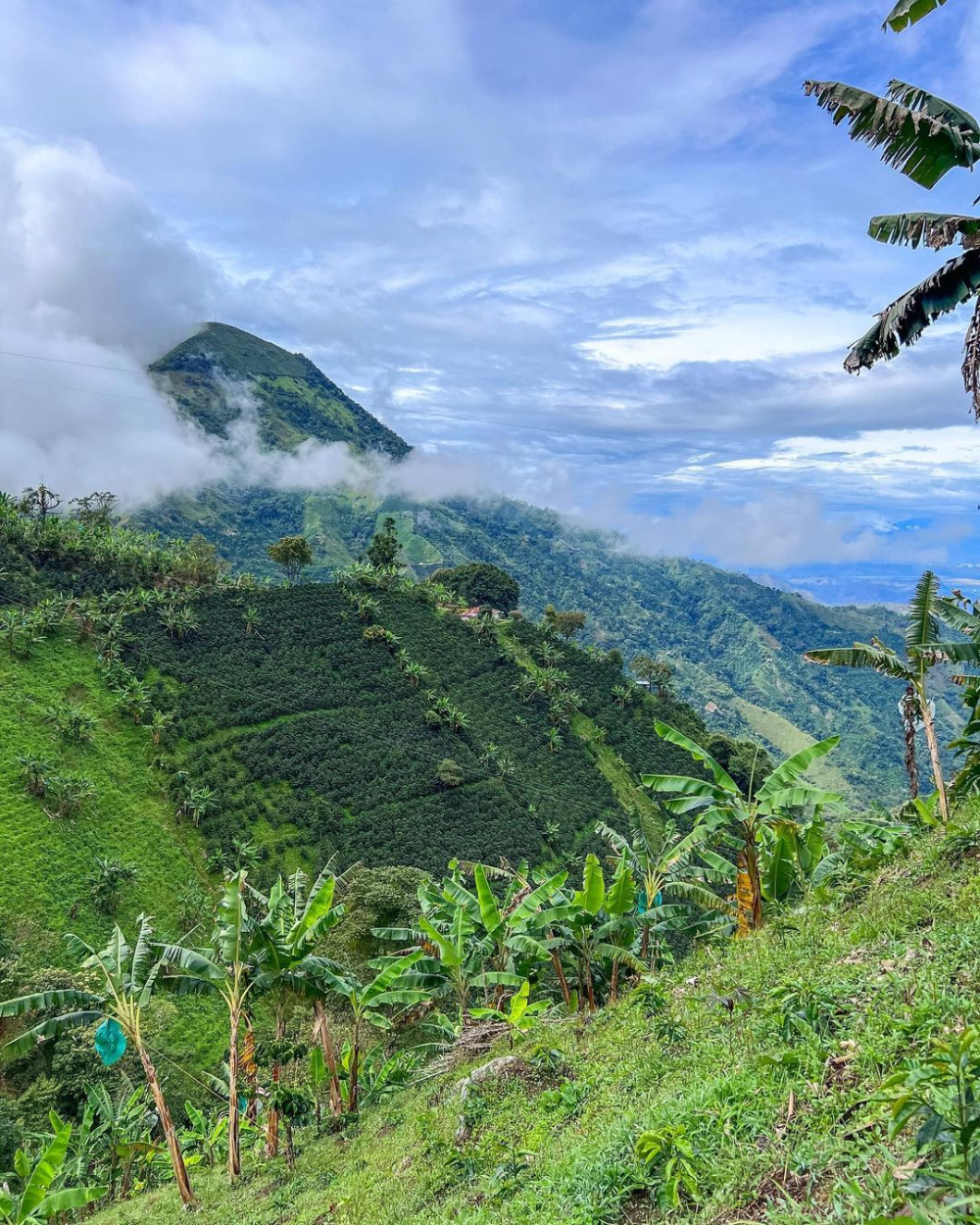
Huila Province is located in the central southern mountain range of Colombia and is one of the country’s representative specialty coffee-producing regions. Surrounded by mountains and with elevations generally exceeding 1,500 meters, the area is home to important rivers that provide abundant moisture and water resources. Huila coffee is often noted for its balanced body and layered complexity, while many beans from smallholder microlots showcase unique regional characteristics.
Colombia · Isabella Coffee Beans
Region: Huila | Elevation: 1760m | Variety: Pink Bourbon | Processing: Semi-washed
Flavor: Cherry tomato, citrus, floral, honey, fruit
Pink Bourbon is an extremely rare variety, named for its light pink color when the coffee cherries ripen, resulting from a rare genetic combination. The most impressive aspect of this Isabella coffee is its unique cherry tomato acidity, blended with vanilla and dark chocolate undertones, and a distinct cane sugar sweetness—ideal for those who enjoy bright fruit acidity with a sweet finish.
Colombia · Huila Coffee Beans
Region: Huila | Elevation: 1500-1800m | Variety: Caturra | Processing: Washed
Flavor: Nuts, dark chocolate, caramel, mild fruit acidity
This washed Huila bean is a classic choice for experiencing Colombian flavors, offering a clean and clear taste suitable for daily drinking or as a pour-over practice bean, showcasing the region’s stable and classic flavor profile.
Colombia · Flower Moon Night Coffee Beans
Region: Huila (Esquivelgaditín Farm) | Elevation: 1800m | Variety: Caturra | Processing: Anaerobic Natural
Flavor: Strawberry, peach, fermented wine, chocolate, fruit wine
This bean uses an anaerobic natural process, developed by experienced farm owner Ramirez at Esquivelgaditín Farm. The Caturra variety, known for its bright fruit acidity and sweet base, combined with anaerobic fermentation, delivers intense berry and peach aromas with wine-like notes—perfect for coffee lovers who enjoy unique processed flavors.
Cauca Province: Highland Temperature Variations Cultivate Exceptional Sweetness and Acidity
Cauca Province is hailed as one of the birthplaces of Colombian coffee, with elevations reaching up to 1,758 meters and some areas even exceeding 2,100 meters. The rugged terrain and cool climate, along with significant day-night temperature variations, help coffee cherries ripen slowly, accumulating richer flavor compounds and resulting in highly distinctive acidity and sweetness.
Colombia Cauca Sakura Coffee Beans
Region: Cauca (Paradise Estate) | Elevation: 2050m | Variety: Castillo | Processing: Double Anaerobic Washed
Flavor: Mugwort, berries, fermented aroma, spices, strawberry jam
Since being managed by Diego Samuel in 2008, Paradise Estate has received numerous domestic and international accolades. This coffee, made from the Castillo variety and processed using double anaerobic washing, showcases rich berry and spice notes, with delicate acidity and a long-lasting finish—making it an excellent choice for advanced coffee enthusiasts.

Other Noteworthy Regions
Although Nariño Province has a large production volume, the proportion of specialty beans is relatively low, mainly supplying the international bulk market. With elevations between 1,600 and 2,300 meters and fertile volcanic soil, it is a potential region worth watching in the future. Tolima, neighboring Huila and Cauca, also has terrain and soil conditions very suitable for coffee cultivation, mostly operated through cooperatives, making it ideal for finding high-value-for-money specialty beans.
In summary, the Huila and Cauca regions of Colombia each have their own unique characteristics. Whether you prefer the bright fruitiness and lively acidity of anaerobically processed beans or the clean balance brought by washed processing, you can find surprising choices in these two regions. Understanding the terroir and processing features of these areas will help you better grasp the essence of flavors when selecting and brewing coffee.
The above content is compiled by CoffeeHunters, a coffee news website.


