







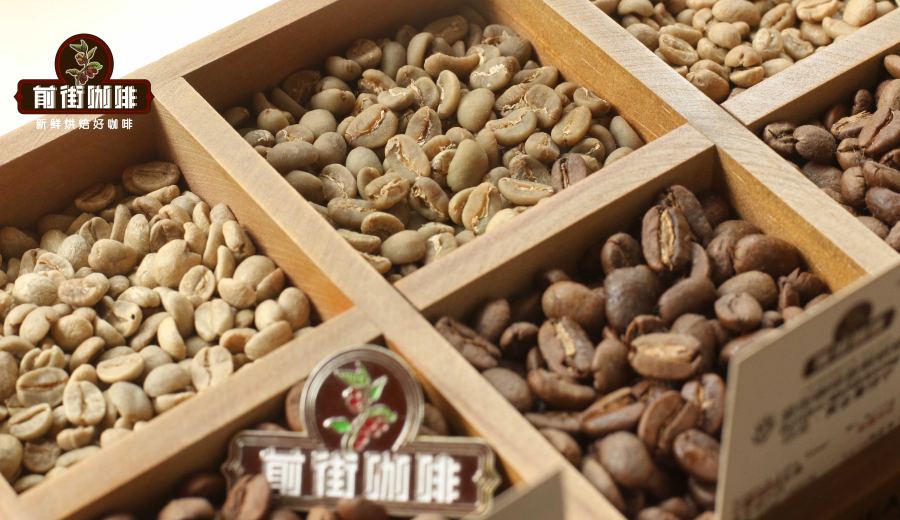
Introduction:Sumatra Mandheling is renowned worldwide for its bold, low-acid profile and distinctive spicy, herbal flavors. This article delves into the differences between two of Indonesia’s most famous producing regions—Lintong and Golden Mandheling—explores how the wet-hulling process shapes the flavor profile, and conducts practical comparisons across four common brewing methods. It provides extraction parameters and flavor characteristic analyses to help you better grasp the essence of this classic coffee.
Mandheling coffee originates from Sumatra, Indonesia, and is one of the region’s most iconic specialty coffee offerings, known for its full-bodied texture, low acidity, and pronounced notes of spice, herbs, and chocolate. Its well-known producing areas include Lintong and the Gayo Mountains in Aceh, famed respectively for Lintong Mandheling and Golden Mandheling. These two varieties differ in origin, processing method, and final flavor expression.
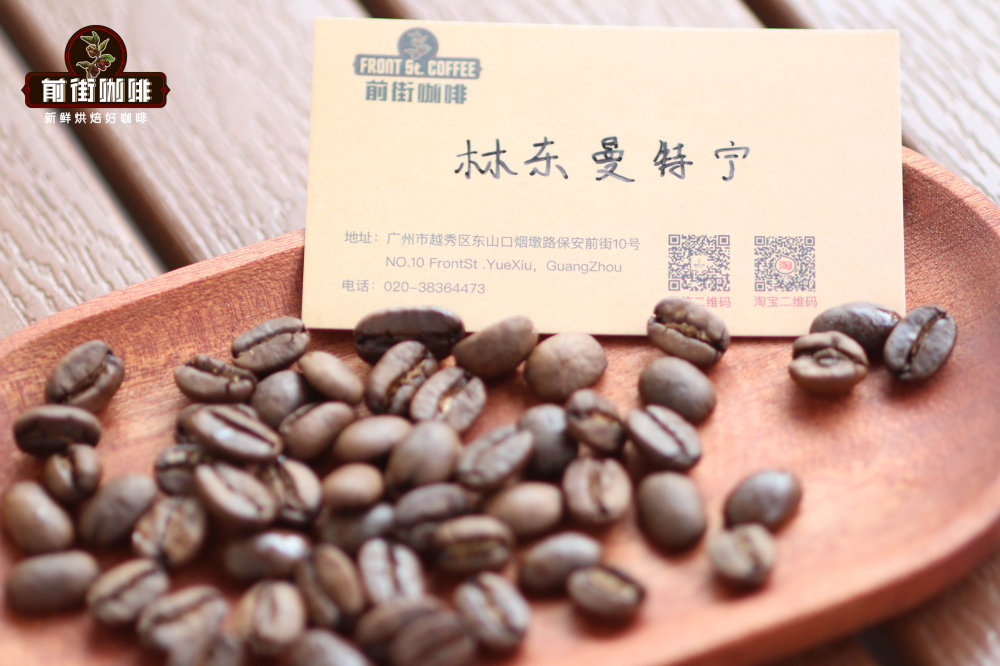
The Lintong region is located southwest of Lake Toba in northern Sumatra, with cultivation altitudes ranging between 1,100 and 1,600 meters. The main varieties are Timtim and Ateng, often processed using the wet-hulling method. The coffee farms here are mostly situated on high-altitude, clay plateaus rich in ferns. The growing environment is natural, predominantly managed by smallholder farmers who do not use chemical inputs or practice shade-grown cultivation. This has resulted in its unique terroir expression. Lintong Mandheling typically exhibits notes of toasted bread, nuts, caramel, herbs, and chocolate, with an especially rich profile after roasting, making it ideal for those who prefer a bold taste.
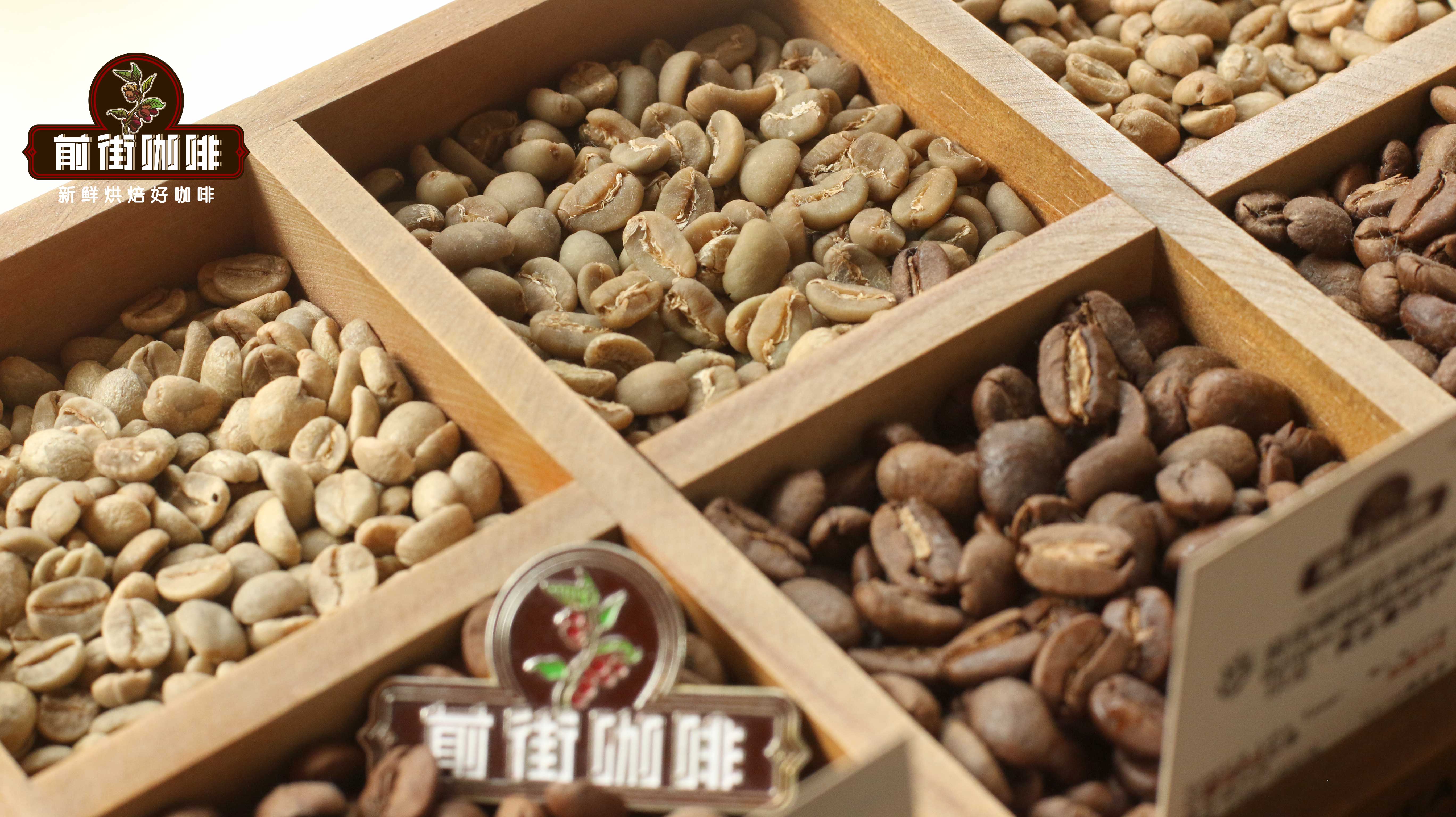
Golden Mandheling, on the other hand, comes from the Gayo Mountains in Aceh, Sumatra, and is also processed using the wet-hulling method. However, it is distinguished by its rigorous selection process: each batch of beans undergoes at least three rounds of manual sorting, keeping only those with a bean size of 18 mesh or larger. The defect rate is kept below three defects per 300-gram sample, classifying it as top-tier G1 grade. Its appearance is darker green with flat beans, generally showcasing complex aromas of spice, nuts, pine, caramel, and herbs, with more nuanced flavor layers. Compared to Lintong, Golden Mandheling offers a more concentrated flavor profile and stricter defect control.
Depending on the roast level, Mandheling’s performance can vary significantly. Pour-over tests were conducted at light, medium-dark, and dark roast levels, with a brew ratio of 1:15, and water temperature and grind size adjusted according to roast characteristics. Light roast (water temperature 90°C, 80% 20-mesh sieve retention) tends to showcase fruity acidity with a mouthwatering sensation but lacks smoothness. Medium-dark roast (water temperature 88°C, 75% sieve retention) delivers the most balanced profile, with prominent chocolate and mild sweetness, and noticeable licorice notes—suitable for most palates. Dark roast (water temperature 86°C, 70% sieve retention) shows almost no acidity, with pronounced bitterness; improper handling may easily result in charred, astringent notes. It is recommended to rest the beans for 3 to 5 days post-roast to allow for proper CO₂ degassing, which helps improve extraction uniformity and flavor expression.
When discussing Mandheling’s unique flavor profile, one cannot overlook Sumatra’s distinctive “wet-hulling” process. The coffee harvest season in Sumatra is concentrated between March and May and September to December. After harvesting fully red cherries, the skin and pulp are removed on the same day, followed by brief fermentation. The duration of fermentation influences acidity and flavor intensity, with most processing facilities controlling it between 12 to 36 hours. Some even skip this step to enhance sweetness and body. The parchment-covered beans are then sun-dried for 1 to 2 days until their moisture content drops to 30%–50%, after which a hulling machine removes the husk to accelerate further drying. Once the final moisture content reaches about 12%–13%, the beans are ready for dehulling and grading.
The hallmark of the wet-hulling process lies in the early removal of the husk and part of the silver skin, exposing the bean directly to high temperatures and humidity. This not only drastically shortens the drying time but also makes the beans more prone to mold activity, contributing to the unique “earthy,” “herbal,” and “smoky” characteristics of Sumatran coffee. During this process, bean temperature can rise to 30–60°C, accelerating internal biochemical reactions while also increasing the risk of defects—particularly the “elephant ear” phenomenon, where mechanical pressure and humid conditions cause the bean to crack and split, resembling an elephant’s hoof. This has become an alternative hallmark of Sumatran coffee. While some producers argue these beans may possess unique flavors, overall strict hand sorting is still essential to ensure quality.
It’s worth noting that different processing methods affect the risk to green beans, equipment costs, and water usage. Wet-hulling and sun-drying carry higher risks, while washed and honey processes are relatively more stable. Washed processing consumes large amounts of water, whereas wet-hulling is much more water-efficient and requires lower equipment investment, making it highly suitable for most small-scale processing facilities in Sumatra.
In terms of brewing methods, Mandheling is compatible with a variety of devices. Below are practical recommendations for four common methods:
Pour Over (V60): Use medium-coarse grind (20-mesh sieve retention 70%), 15g coffee, 1:15 brew ratio, water temperature 88°C, 25-second bloom, employing a three-pour technique, with total extraction time around 2 minutes. The flavor is layered, with a long-lasting caramel sweetness in the aftertaste, ideal for those who prefer a clean and balanced cup.
AeroPress: Medium-dark roast, 20g coffee, 1:17 brew ratio, water temperature 85°C, two blooming phases (20 seconds and 50 seconds), total time 2 minutes 5 seconds. Delivers intense and complex spice and woody aromas, with a compact and full-bodied flavor.
Siphon: Medium-dark roast, 20g coffee for 2 servings, 1:12 brew ratio, water temperature 90°C, 30-second bloom, using post-addition method. Short extraction time results in a round and rich cup, with pronounced herbal and bitter notes, accompanied by caramel sweetness.
French Press: Medium-dark roast, 20g coffee, water temperature 92°C, 1:15 brew ratio, 2-minute 30-second bloom, then slow pressing. Produces a full-bodied cup with oily mouthfeel and soft sweetness, ideal for coffee lovers who prefer simple operation.
Overall,pour over and AeroPressbetter highlight Mandheling’s aromatic layers and mellow qualities, whilesiphon and French presscan easily lead to over-extraction if mishandled, resulting in increased sourness and astringency. Beginners are advised to master the first two methods first to fully experience the unique charm of Sumatran Mandheling.
The above content is compiled by CoffeeHunters, a coffee news website.


