







Introduction:Want to understand the origins and flavor differences of the three classic coffee varieties—Typica, Bourbon, and Geisha? This article provides an in-depth yet easy-to-understand analysis of their history and evolution, using examples such as Jamaica Blue Mountain Typica, Nicaraguan Maragogype, and Panama Green Label Geisha. It details each bean’s processing method, recommended brewing style, and optimal extraction parameters, helping you grasp the soul of a cup of coffee through its variety characteristics.
Typica can be considered one of the most historically significant original varieties within the Arabica species. Not only does it exhibit delicate and layered flavor profiles, but it is also the ancestor of many renowned specialty coffees. However, this variety is naturally more susceptible to pests and diseases and has relatively low yields, which limits its widespread cultivation. Nevertheless, within the specialty coffee realm, Typica remains an indispensable classic. Its elegant cleanliness and balanced acidity, sweetness, and bitterness continue to captivate many coffee enthusiasts.
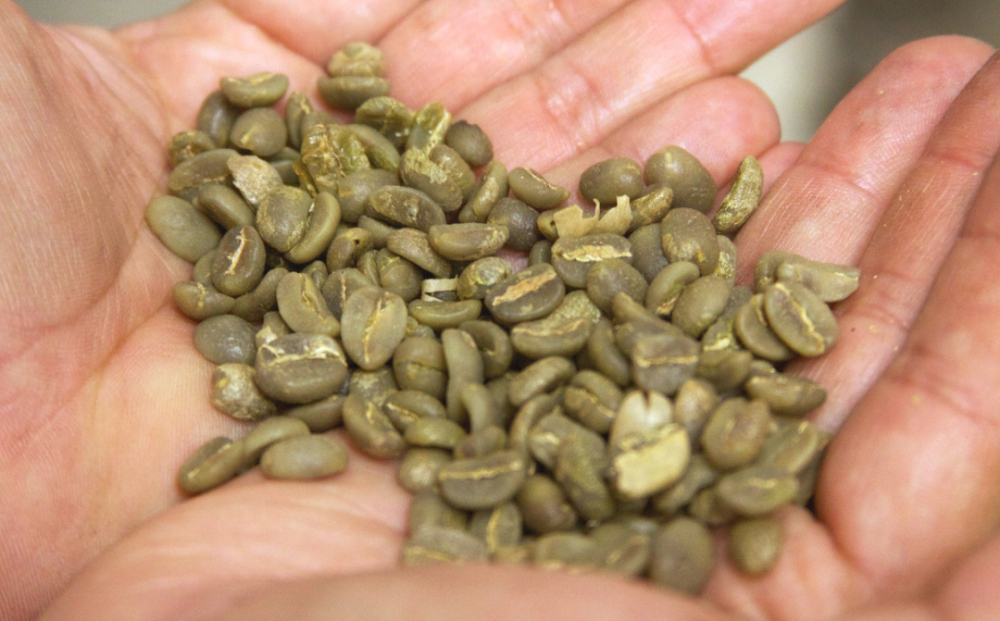
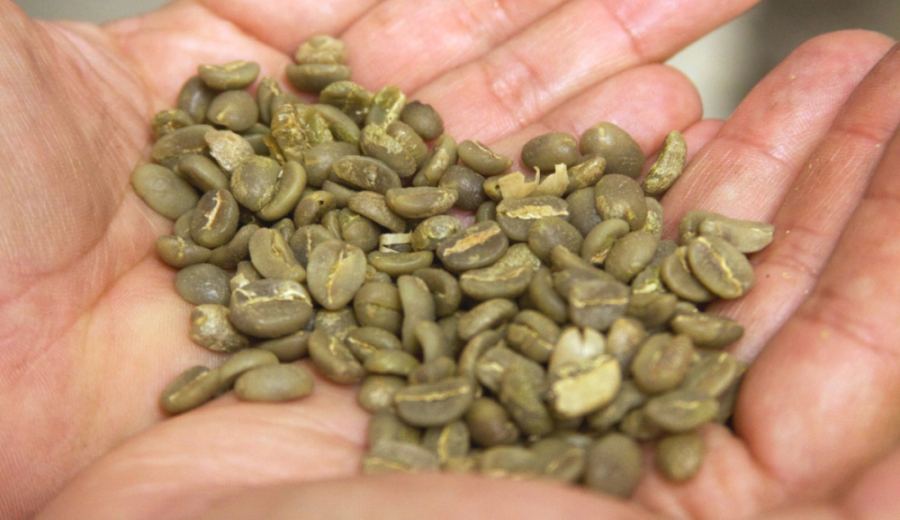
Within the Arabica family, the majority of modern varieties can be traced back to Typica. This variety was first documented on the island of Martinique before gradually spreading to Central America, Jamaica, Hawaii Kona, Papua New Guinea, and East Timor. The tip of the Typica plant often shows a bronze color, and its green beans are long and slightly pointed in shape. Due to the color of its leaf buds and the shape of its beans, it is also known as “Red Capped Coffee.” However, due to its limited adaptability to environmental stress and diseases, many growing regions have gradually shifted toward more resistant derivative varieties such as Bourbon and Geisha.
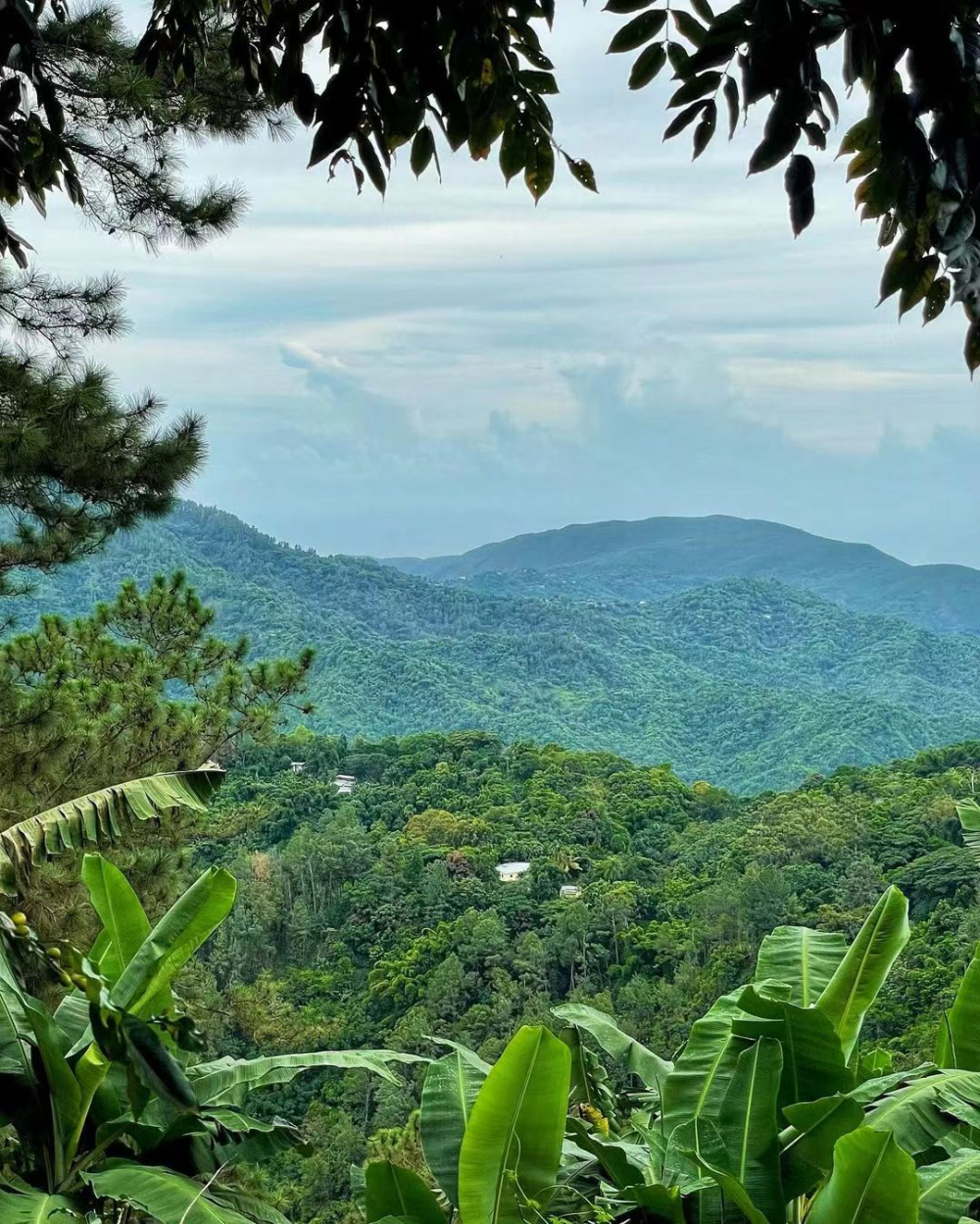
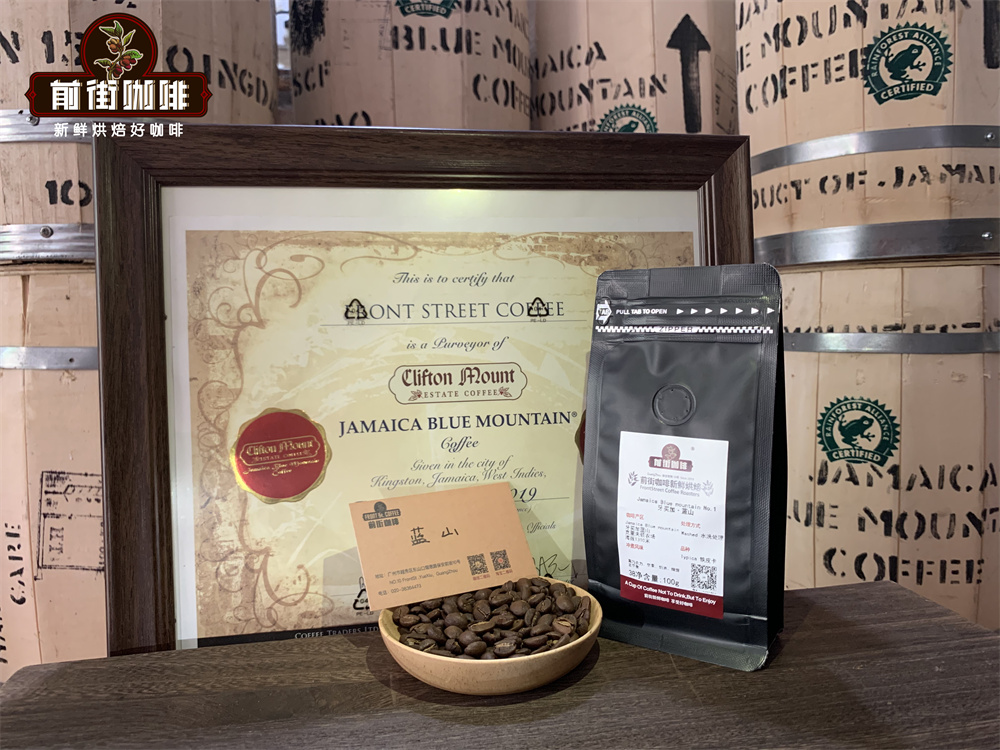
Jamaica Blue Mountain coffee is the most representative regional example of Typica. As early as the 1720s, the Typica variety was introduced to the Blue Mountains of Jamaica from Martinique, and after more than two hundred years of cultivation, it gradually adapted to the region’s unique high altitude and microclimate conditions. Today’s Blue Mountain Typica not only retains the original refined flavors of Typica but has also developed stronger resistance to diseases, particularly better tolerance to coffee berry disease. However, the unique flavors of Blue Mountain Typica can only be fully expressed on the island of Jamaica itself; once transplanted elsewhere, its aroma and taste are difficult to replicate.
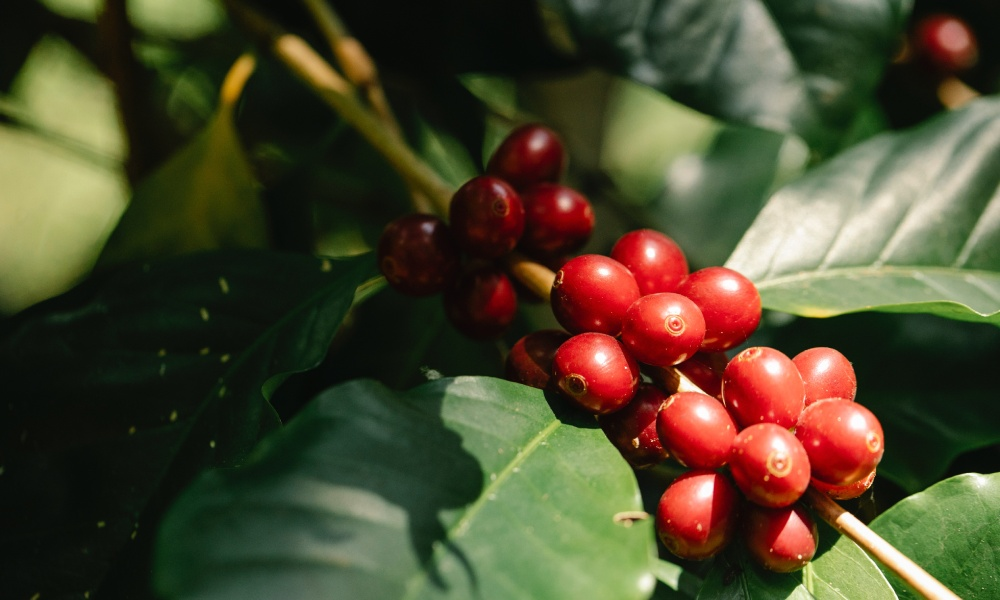
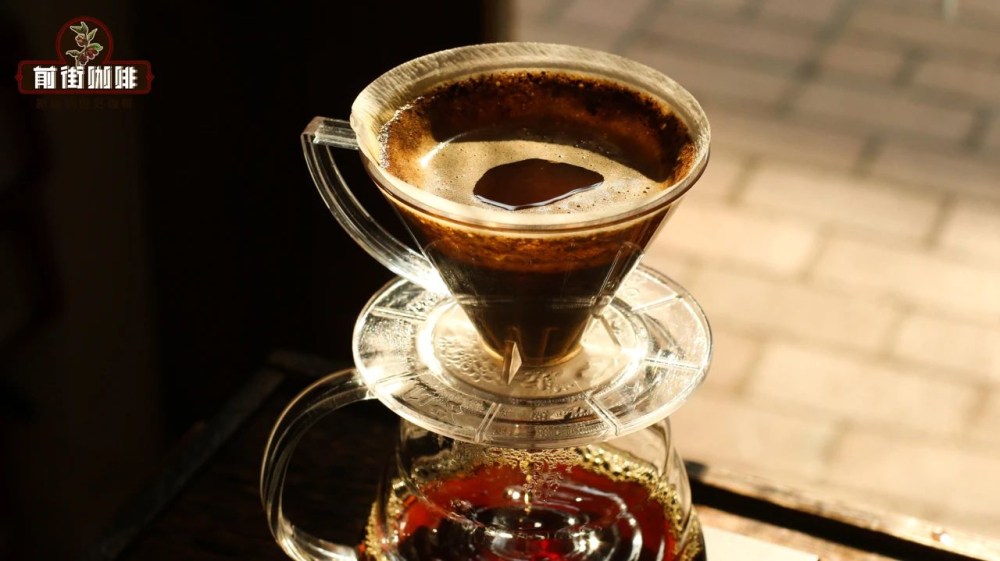
Take the Jamaica Blue Mountain No. 1 produced by the Clifton Estate in Jamaica as an example. These beans are grown in high-altitude mountainous areas at 1,310 meters and are processed using the washed method, which fully preserves the beans’ natural flavors. During roasting, a medium roast is chosen to allow the chocolatey tones and nutty aromas of Blue Mountain Typica to shine through, while maintaining a rich body and balanced acidity and sweetness. For brewing, it is recommended to use a Kono filter, with water temperature controlled at 88°C, a coffee-to-water ratio of 1:15, a coffee dose of 15 grams, and a grind size with a 75% passing rate through a Chinese No. 20 sieve. A three-stage extraction is suggested: start with about 30 grams of water for a 30-second bloom, then pour in a small circular motion up to 125 grams for the first pour, wait for the water level to drop and then pour up to 225 grams, and finally remove the filter just before the water level exposes the coffee bed, with a total extraction time of around 2 minutes.
The plant appearance of the Typica variety is also highly distinctive. Its tree shape is distinctly conical, with a straight trunk that can grow up to 5 meters tall, and the angle between lateral branches and the main trunk is approximately 50 to 80 degrees, resulting in wider branch spacing and internodes compared to other varieties. Both leaves and beans tend to be long and slender, with young shoots exhibiting a unique bronze color at the tips, smoother leaf surfaces, and less pronounced wavy edges. These characteristics not only make Typica one of the easiest varieties to identify but also reflect its high demands on environmental conditions.
Beyond traditional Typica, there are also standout stars among its derivative varieties. For instance, Maragogype, a natural mutation of Typica, is named for its beans, which can be up to three times the size of regular coffee beans. However, due to its scarce yield and complex processing procedures, Maragogype is currently grown only in small quantities in a few regions such as Brazil, Colombia, and Nicaragua. Take the Maragogype produced by Nicaragua’s Mamamima Estate as an example. Although it is now out of stock, its natural sun-dried processing method imparted berry, citrus, caramel, and nutty flavor notes that left a deep impression on many who tried it.
Another well-known variety closely related to Typica is Geisha. Geisha was first discovered in 1931 in the Gesha forest of Ethiopia, later traveling through Kenya, Uganda, Tanzania, and Costa Rica, and finally arriving in Panama in the 1970s, where it thrived in the region’s high altitude, foggy, and fertile soil conditions. Geisha coffee is renowned for its delicate floral aromas, nuanced fruit acidity, and multi-layered citrus and tropical fruit notes, making it a frequent champion in recent specialty coffee competitions.
Take the Panama Geisha Green Label from Hacienda La Esmeralda as an example. These beans are grown at altitudes of 1,600 to 1,800 meters in the mountains and are processed using the washed method to achieve extreme cleanliness and finesse. The flavor profile includes jasmine flower, citrus, berries, cantaloupe, orange peel, and green tea, with a long-lasting aftertaste featuring prominent floral and citrus notes. For brewing, the V60 filter is recommended, with water temperature set to 91°C, a coffee-to-water ratio of 1:16, and a slightly finer grind size, with an 80% passing rate through a Chinese No. 20 sieve, to fully bring out the high-altitude-specific aromas and delicate acidity.
Speaking of Typica’s close relative, the Bourbon variety is also not to be overlooked. Bourbon originally came to the east coast of Africa, specifically the island of Bourbon (now Réunion Island), from Yemen, hence its name. Its beans are rounder than those of Typica, and its yields are about 20% to 30% higher, making it a staple variety in many Central and South American producing regions. The leaves of the Bourbon variety are broad and slightly serrated, the trees are relatively vigorous, but it still has certain limitations in disease resistance, especially being prone to leaf rust and nematode attacks. Therefore, it is suitable for cultivation in high-altitude environments between 1,100 and 2,200 meters.
Among the commonly seen Bourbon varieties, Yellow Bourbon is widely praised for its soft fruit acidity and rich sweetness. For example, the Yellow Bourbon produced by Brazil’s Fazenda Rainha uses the natural sun-dried process and features a sugarcane-like sweetness, black tea aroma, and nutty notes, with balanced acidity and a refreshing, delicate mouthfeel. Its recommended brewing parameters are similar to those of Blue Mountain Typica, and consumers can refer to similar brewing suggestions for medium-roasted and washed beans to achieve the best flavor expression.
The above content is compiled by CoffeeHunters, a coffee news website.


