







Introduction:Indonesia's Sumatra Mandheling coffee is renowned worldwide, and among it, the higher-grade PWN Golden Mandheling is even considered a premium treasure sought after by many coffee enthusiasts. But do you know what the actual differences are between it and regular Mandheling? This article provides a comprehensive analysis of the distinctions between the two—from regional environment, bean selection standards, wet-hulling processing, to practical brewing recommendations and flavor profiles—to help you better understand the charm of this classic coffee.
Mandheling coffee has long been known for its bold, full-bodied, low-acid, and richly mellow characteristics, making it one of the most representative coffee varieties in Sumatra, Indonesia. Among the many types of Mandheling, the Golden Mandheling produced by PWN is considered an upgraded version. Not only is the bean selection and processing more rigorous, but its flavors also exhibit greater complexity and clarity. So, what are the key differences between Golden Mandheling and regular Mandheling? Below, we will break down the differences step by step, covering origin, selection process, processing method, and practical brewing parameters.
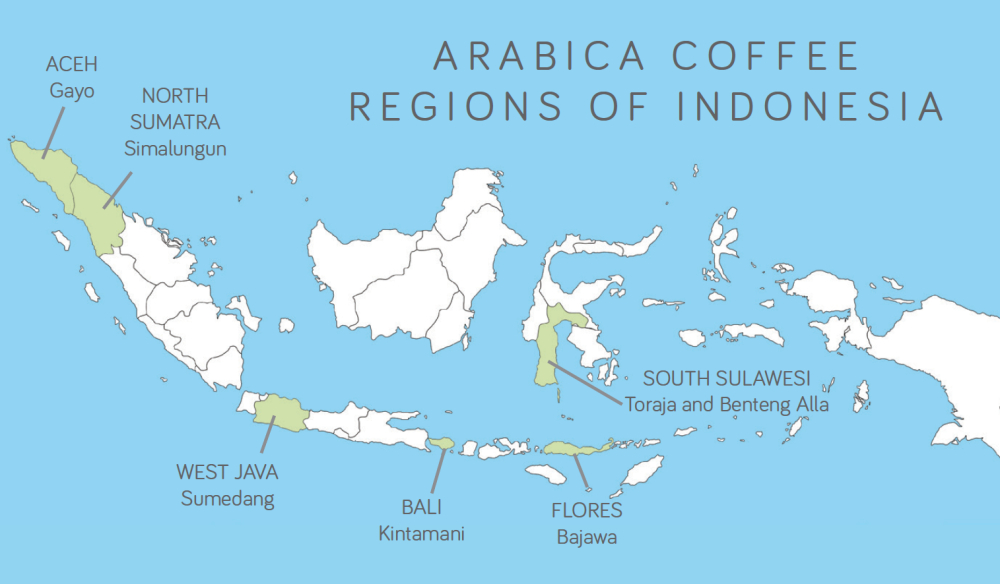
The Sumatra region in Indonesia boasts unique geographical and climatic conditions that are particularly well-suited for cultivating high-quality Arabica coffee. The main producing areas are concentrated around Lake Toba in northern Sumatra and the Gayo Mountains in Aceh Province. These two regions produce slightly different coffee flavor profiles due to variations in altitude, soil, and climate. Among them, the Lintong area around Lake Toba is a traditional hub for Mandheling production, while the Gayo Mountains in Aceh are known for their organic farming practices and consistent quality, and they are also one of the main sources of PWN Golden Mandheling.
When it comes to “authentic” Golden Mandheling, the name of Indonesia’s Pwani Coffee Company (abbreviated as PWN) must be mentioned. This company specializes in the procurement and selection of high-quality Mandheling, and its “Golden Mandheling” is not only the brand’s flagship product, but also, due to early successful trademark registration, the only product on the market allowed to use that name. In other words, only the Golden Mandheling produced by PWN is the officially recognized authentic version. When purchasing, consumers can identify the authenticity by checking whether the packaging sack bears the official PWN logo, and many specialty shops also display origin certification documents for verification.
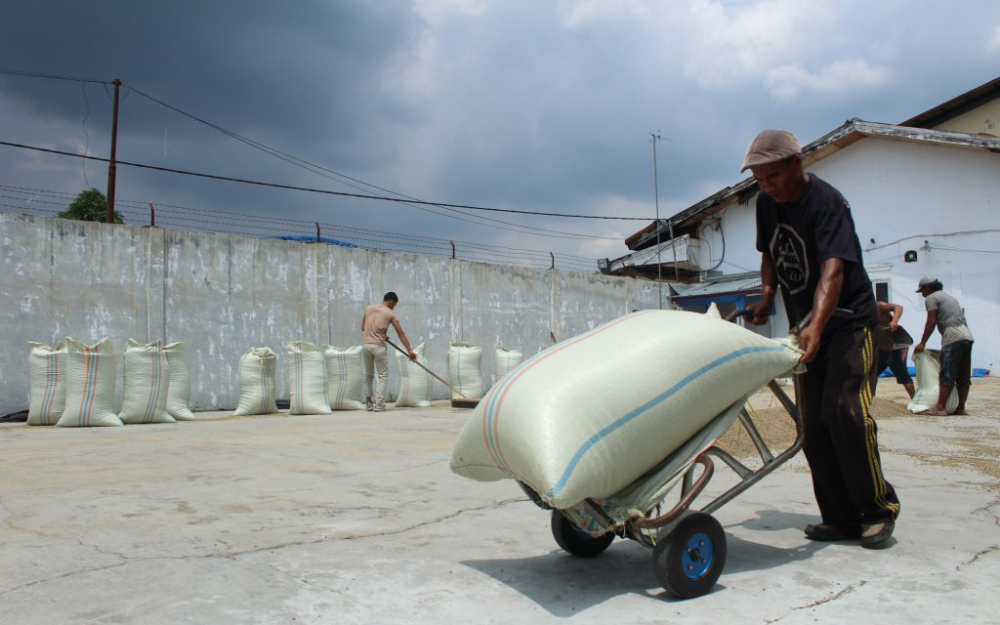
PWN’s selection process for Golden Mandheling is extremely strict. First, the purchased green beans undergo mechanical screening, with only beans sized 18 mesh or larger selected to ensure uniform size. Then, at least three rounds of manual sorting are carried out. In each 300g sample batch, no more than three defective beans are allowed—a standard that meets the highest grade in Indonesian green bean classification: G1. Such high standards result in Golden Mandheling beans that are plump, uniform, and have very few defects. After roasting, they showcase a purer flavor profile, with significantly reduced earthy and off notes, while sweetness and body become more pronounced.
Due to Indonesia’s humid and rainy climate, traditional washed or natural processing methods are difficult to employ, leading to the development of the unique “wet-hulling” (Giling Basah) method. Though originally born out of cost and environmental considerations, this process unexpectedly created the distinctive flavor character of Mandheling. The wet-hulling process is roughly similar to washing: first, the fruit flesh and fermented mucilage are removed, but the fermentation time is only a few hours. Then, the parchment layer, which still retains some moisture, is removed, followed by final drying. Since the beans are not fully dried when the hulling takes place, and because of the high temperature and humidity during processing, the final coffee carries deep herbal and pine notes, along with intense earthiness and spice characteristics. These traits have become important flavor markers that distinguish Mandheling from coffees of other regions.
For a darker-roasted Golden Mandheling, if you want to fully highlight its rich body, it is recommended to use a Kono filter dripper for pour over. This dripper features ribs that are concentrated at the bottom and fewer overall ribs, allowing the filter paper to adhere more tightly to the walls, thereby slowing down the water flow and extending the contact time between water and coffee grounds. This helps enhance the body and extraction efficiency. Additionally, it is recommended to use a slightly lower water temperature of 88°C to avoid extracting excessive bitter and burnt notes from high heat. As for grind size, a medium-fine grind is advised, with about 70% of particles passing through a standard #20 sieve. This setting helps balance aroma release and flavor clarity.
Recommended practical brewing parameters are as follows: 15 grams of coffee grounds, with a 1:15 coffee-to-water ratio. During brewing, start with a 30-second bloom using 30 grams of water to initiate the release of coffee flavors. Then, in the first pour, add water in small circles up to 125 grams, then pause once the liquid level is about to expose the coffee bed. Proceed to the second pour, adding water up to a total of 225 grams, with the overall brew time controlled around 2 minutes. This technique effectively extracts the signature spice, chocolate, and nutty flavors of Mandheling, while maintaining clarity and a clean flavor profile.
The brewed PWN Golden Mandheling offers a rich and full-bodied mouthfeel, with prominent notes of spice and herbs, followed by a caramel-like sweetness and chocolate tones. The finish leaves a delicate nutty aftertaste. The overall texture is smooth and mellow, with almost no off flavors, and a long-lasting sweet aftertaste. It is a classic choice favored by many coffee aficionados. Whether as a daily drinker or a representation of Indonesian coffee for deeper appreciation, this Golden Mandheling delivers a surprisingly delightful tasting experience.
The above content is compiled by CoffeeHunters, a coffee news website.


