







Introduction:From pursuing yield to focusing on flavor, the quality transformation of Ethiopian Yirgacheffe coffee began with a quality innovation initiative called the “Red Cherry Project.” This article takes you through how this program, launched in 2007, revolutionized traditional harvesting and processing methods through whole red cherry selection, small-batch production, and rigorous cupping—elevating Yirgacheffe’s berry-like tones and unique fermented flavors to the benchmark of specialty coffee.
Ethiopia, known as the cradle of Arabica coffee, and Yirgacheffe is one of its most shining gems. Specialty coffee from this region isn’t sold on a single variety but rather on the soul of its terroir and processing techniques. For example, a well-known shop’s Konga Red Cherry—a classic Yirgacheffe natural-processed bean—is famed for its berry, honey, black tea, and subtly fermented aromas, making it a flagship product under the Red Cherry Project.
When it comes to coffee harvesting, common methods can be divided into manual and mechanical. While mechanical harvesting is efficient, it’s only suitable for flat terrains like Brazil and often mixes in unripe cherries. In fact, coffee cherries—shaped like cherries and nicknamed “coffee cherries” due to their cherry-like color—do not ripen all at once. Instead, they mature at different rates depending on altitude, variety, and microclimate. Therefore,harvesting only fully red-ripe coffee cherries is a key factor in enhancing flavor purity..
However, in an era when specialty coffee was not yet widespread, the producing regions generally prioritized “quantity over quality,” aiming to maximize output. Farmers’ incomes were tied to the volume of coffee cherries sold, while quality was overlooked. Even if farmers could judge fruit ripeness, many still chose to harvest everything together, resulting in inconsistent and one-dimensional flavors in the final green beans.
The Red Cherry Project was born against this backdrop. In 2007, Dutch green coffee trading giant Trabocca launched “Operation Cherry Red (Red Cherry Project),” with the goal of improving the coffee quality of smallholder farms in Ethiopia by strictly selecting only whole red cherries. This project not only changed local harvesting practices but also reshaped the profile of specialty coffee in producing regions such as Yirgacheffe.
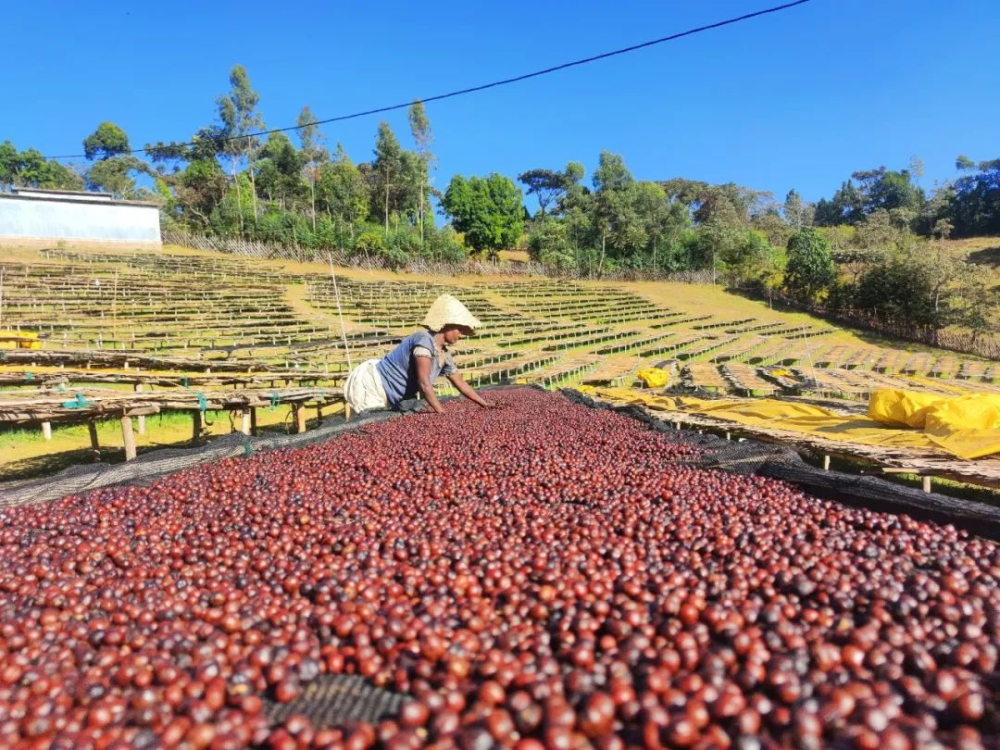
The operation of the Red Cherry Project is highly rigorous: it accepts only 100% fully red-ripe coffee cherries, which must be handpicked individually, excluding any unripe or overripe ones. This selection process has a profound impact on the final aroma, acidity, and sweetness of the coffee. Notably,female labor plays a crucial role in picking the whole red cherries,with their careful sorting serving as a vital part of quality control.
Another innovation of the project lies in shifting away from the previous model of chasing large-scale yields,limiting each batch to just 1,500 to 3,000 kilograms (approximately 25 to 50 bags).This ensures every single bean receives meticulous care. Moreover, the project spans multiple renowned producing regions, including Yirgacheffe, Sidamo, Pungo Forest, Lekempti, Kembaata, Yiru Abaya, Harrar, Limu, and even expanded to include the Golocha area in 2011, showcasing the diverse potential of Ethiopian coffee.
Quality control doesn’t stop at harvesting. Trabocca also sets high cupping standards. All coffee participating in the project must undergo two rounds of evaluation in professional cupping labs in Addis Ababa and Amsterdam. Only those that pass these strict screenings are eligible for auction. The successfully auctioned beans often fetch prices up to four times the international commodity rate, sometimes even soaring to twenty times, reflecting the market’s extremely high regard for their flavor.
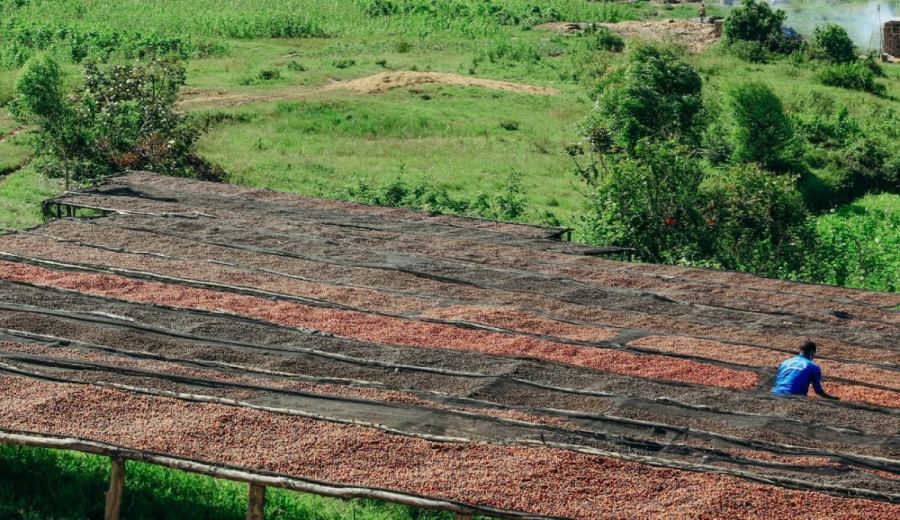
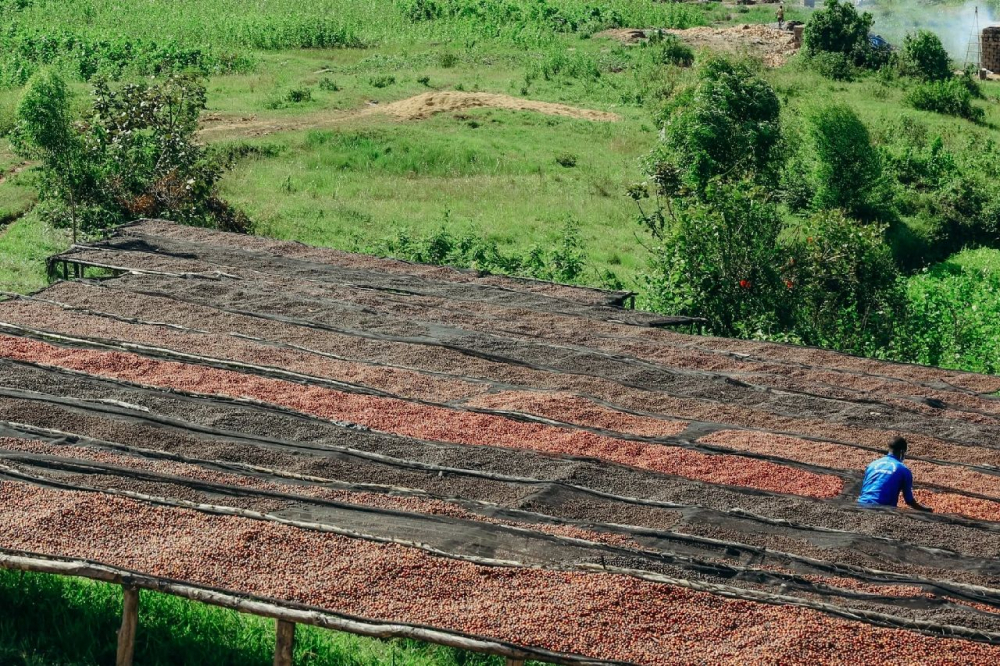
To support participating farmers, Trabocca provides various forms of tangible assistance, including donating drying racks, shade nets, power generation equipment, offering financial loans, and technical training. This ensures that every stage from production to processing meets the stringent requirements of specialty coffee. Meanwhile, real-time monitoring and safe transport mechanisms also guarantee that the beans maintain optimal quality throughout transit.
In summary, the Red Cherry Project, through its high-standard harvesting, rigorous selection, and comprehensive production–sales support, successfully reversed Ethiopia’s “quantity over quality” dilemma and laid a solid foundation for specialty coffee in regions like Yirgacheffe. To this day, although there are more similar quality initiatives in the market, the Red Cherry Project remains historically significant for driving overall industry transformation.
The above content is compiled by CoffeeHunters, a coffee news website.


