







Introduction:Want to understand the unique charm of Guatemalan coffee? This article delves deep into two classic regions—Huehuetenango and Antigua—that showcase subtle smokiness and bright fruity profiles. From altitude, climate conditions, renowned bean varieties, and processing methods to detailed cupping and pour over parameters, this guide will help you grasp the essence of these high-altitude specialty coffees.
Guatemala is a globally renowned origin for specialty coffee, known for its beans’ rich fruitiness, full body, and captivating smoky finish, making it a favorite among coffee enthusiasts worldwide. Among them, the Huehuetenango and Antigua regions are the most iconic, each presenting distinctly charming yet equally captivating flavor profiles. This article will take you through the geography, climate background, altitude classification, and actual cupping performance, as well as recommended pour over parameters, to help you get to know these two classic Guatemalan regions from the ground up.
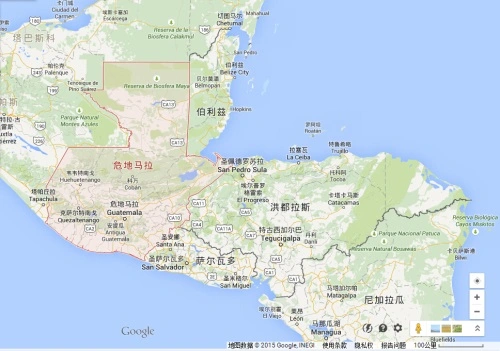
Guatemala enjoys a geographically privileged location, bordering Mexico to the north, Honduras and El Salvador to the south, the Caribbean Sea to the east, and the Pacific Ocean to the west. About two-thirds of the country consists of mountains and highlands, with over 30 volcanoes, including Tajumulco Volcano at an elevation of 4,211 meters, the highest peak in Central America. This terrain and geological environment provide excellent conditions for growing high-quality coffee.
The country’s climate can generally be divided into tropical and subtropical, with distinct wet and dry seasons: May to October is the rainy season, and November to April of the following year is the dry season. The central highland areas mostly range between 1,300 and 1,800 meters in elevation, with stable temperatures and large diurnal temperature variations, making it the most suitable area for cultivating Arabica coffee. Coffee is mainly grown at elevations above 1,500 meters, with a high proportion classified as Strictly Hard Bean (HB), and almost all are processed using the washed method. The specialty coffee rate can reach up to 45%.
Among them, Huehuetenango is located in the northwestern highlands of Guatemala and is the country’s highest-altitude coffee-growing region, with cultivation reaching up to 1,800 to 2,100 meters. The area features undulating mountains and a well-developed water system. Although it has a dry climate, water sources are stable, and with a well-established irrigation system, the washed process has become the mainstream. The coffee from this region is known for its pronounced fruity notes, clear acidity, and tea-like aftertaste, making it especially appealing to coffee lovers who enjoy fresh and bright flavors.
During cupping, Huehuetenango coffee often exhibits bright acidity with citrus and berry notes, accompanied by the fresh aroma of lemon peel. The mid-palate reveals layers of nuts and grains, while the finish carries a soft tea-like sensation, delivering an overall very balanced profile. This flavor profile makes it one of the top choices for many pour over enthusiasts looking to explore high-altitude beans.
Another classic region, Antigua, is situated in the central volcanic belt of Guatemala, surrounded by towering volcanoes, creating a unique geographical environment. Although this area experiences relatively low summer rainfall and even occasional frost in winter—conditions that seem unfavorable for coffee cultivation—the volcanic soil is rich in minerals, and the lightweight rocky land offers good water retention. Coupled with the shade trees widely planted by local farmers, a microclimate suitable for coffee tree growth has been successfully created.
Coffee from Antigua is known for its smoky aroma, which is not a defect but rather the result of the interaction between high altitude and special soil. During cupping, you can often detect bright citrus acidity, which gradually reveals floral, cocoa, and subtle smoky layers as the temperature drops, with a smooth caramel-like sweetness in the finish. The overall flavor is rich and layered, making it a top choice for many advanced coffee enthusiasts to collect.
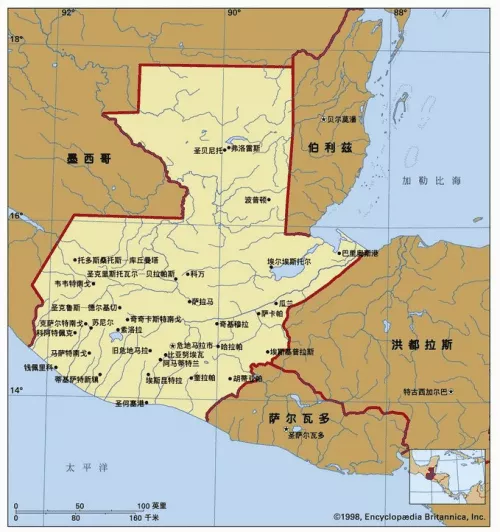
In Guatemala, coffee grading is primarily based on cultivation altitude. Generally speaking, the higher the altitude, the slower the coffee grows, allowing more flavor compounds to accumulate and resulting in relatively higher quality. The common grading standards are as follows:
- HB (Strictly Hard Bean): 1,500–1,700 meters
- Hard Bean: 1,350–1,500 meters
- SH (Semi-Hard Bean): 1,200–1,350 meters
- Extra Prime (Premium Washed Bean): 1,000–1,200 meters
- Prime (High-Quality Washed Bean): 850–1,000 meters
- Good Washed (Good Quality Washed Bean): 700–850 meters
This altitude-based grading system allows consumers to more intuitively understand the potential quality and flavor direction of the coffee.
For brewing, it is recommended to use a Hario V60 filter, with water temperature controlled at 90–91°C, grind size at medium-fine (approximately 80% of fine powder passing through a #20 sieve), and a coffee-to-water ratio of 1:15. A coffee dose of 15 grams is suggested. Use a three-stage pouring method: the first stage involves pouring 30 grams of water for a 30-second bloom; the second stage uses a 3–5 cm water stream to pour 95 grams of water, totaling 125 grams; the final stage adds another 100 grams of water, with total extraction time around 2 minutes and 8 seconds. This method fully highlights the delicate flavors and layered profile of Guatemalan coffee.
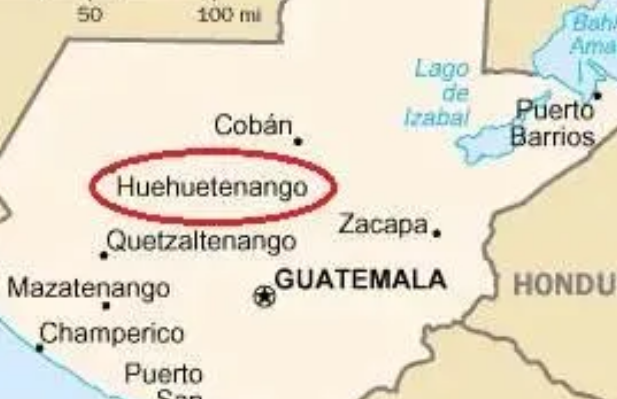
In summary, whether you prefer the bright fruity notes of Huehuetenango or the smoky layers of Antigua, these two regions represent the essence of Guatemalan coffee. From altitude, soil, climate, to processing methods, every element deeply influences the final cup. Understanding these behind-the-scenes details will help you more accurately select and brew your own dream Guatemalan flavor.
The above content is compiled by CoffeeHunters, a coffee news website.


