







Introduction:Want to delve deeper into the unique flavors and brewing techniques of Yunnan coffee? This article provides an in-depth analysis of two representative Yunnan beans — the small-bean variety and the natural-processed Typica — exploring their fruitiness, sweetness, acidity, and rich aftertaste to help you understand the personality of each bean. It also offers a complete French press brewing guide, breaking down seven key steps and considerations including grind size, coffee-to-water ratio, pouring, blooming, and pressing timing, so you can easily brew a balanced and full-bodied Yunnan pour over coffee.
Yunnan coffee is known for its well-balanced flavor profile, blending acidity, sweetness, and bitterness. Especially when medium roasted, it often exhibits pronounced chocolate notes and vibrant fruity acidity. The region’s signature small-bean variety is characterized by nutty and herbal aromas, paired with a brown sugar-like sweetness and plum-like acidity, making it ideal for beginners exploring specialty coffee.
Beyond the entry-level options, there's also a much-loved naturally processed Typica that stands out with its particularly prominent sweet melon notes, bright berry acidity, and an overall mouthfeel smooth and mellow like black tea, with a clean and refreshing finish — a must-try for specialty coffee enthusiasts.
In the early days, Yunnan primarily grew the traditional Arabica variety 'Typica'. However, due to its susceptibility to leaf rust and relatively low yield, many farmers gradually switched to the more disease-resistant and higher-yielding Catimor variety. According to data, as early as 1998, over 90% of Yunnan’s coffee trees had been converted to Catimor, which has since become the market mainstream.
Catimor is a hybrid of the Timor (developed in Portugal) and Caturra varieties, known for its disease resistance, suitability for high-density planting, and high yield. However, due to its 25% Robusta genetic heritage, it can occasionally exhibit noticeable grassy or bitter notes, and generally falls slightly short of pure Arabica in terms of flavor purity and complexity of fruit notes.
Nevertheless, thanks to its stable output and resistance to diseases, Catimor has become the dominant variety in Yunnan’s coffee farms, also laying the foundation for the region’s coffee being widely perceived as 'rich, bold, and well-balanced'.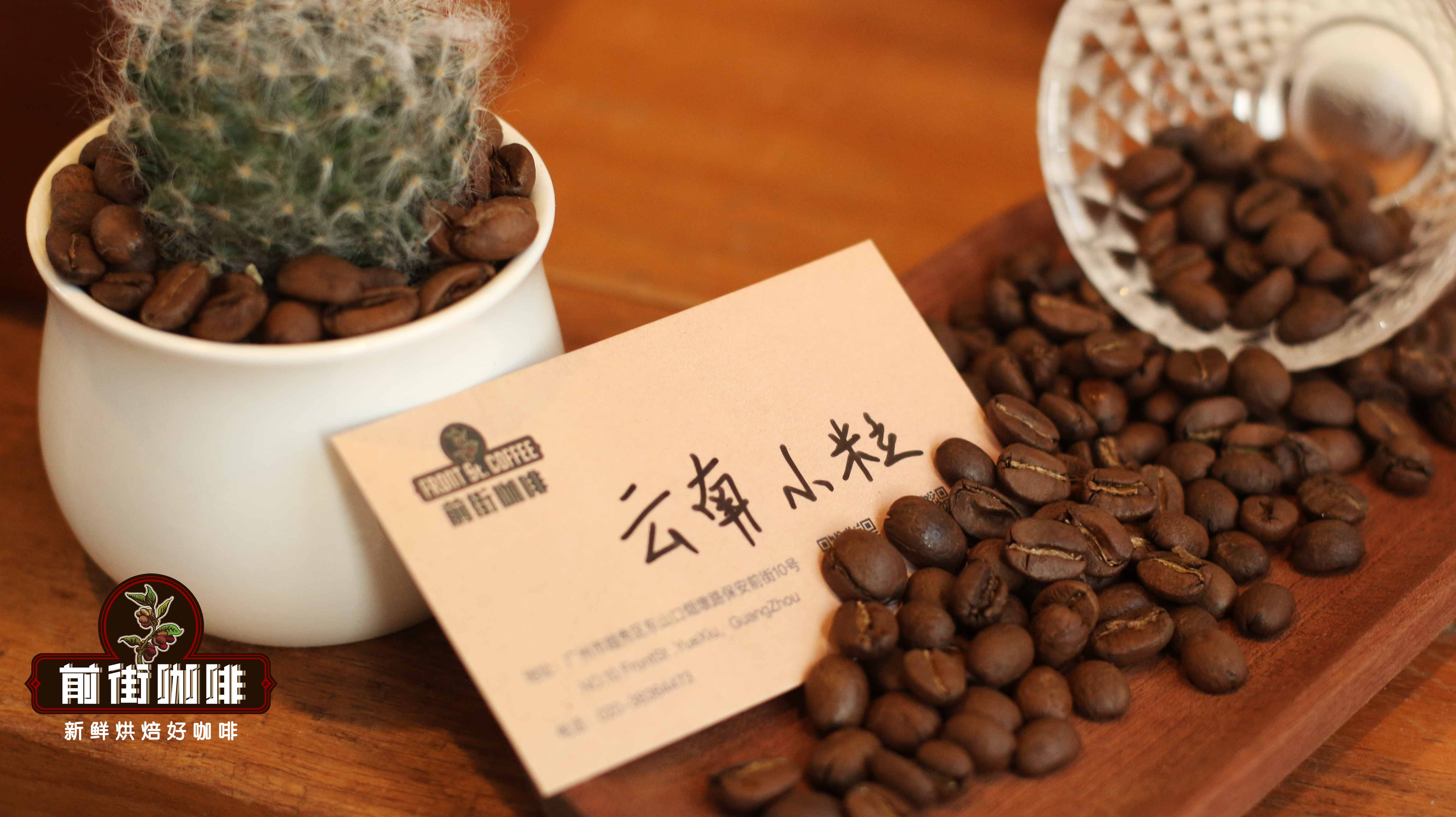
Meanwhile, in Lincang, Yunnan, some farmers continue to grow the traditional Typica variety. The 2013 vintage of their naturally processed beans is named '2013 Natural Typica'. This coffee retains the elegant acidity and fruity notes of the ancient Arabica, but is produced in limited quantities and is sensitive to environmental and disease pressures, thus holding significant value for collectors and coffee connoisseurs.
If you happen to have Yunnan-grown coffee beans on hand, try using a French press to experience its full-bodied character. Below is a detailed French press brewing guide, suitable for most medium to medium-dark roasted Yunnan beans:
Step 1: Boil Water
It is recommended to use filtered soft water, with the temperature controlled between 90–93°C to fully bring out the aroma and layers of the coffee.
Step 2: Grind
A medium-coarse grind, similar in texture to sea salt, is ideal for the French press. A coffee-to-water ratio between 1:15 and 1:16 is suggested — for example, 15 grams of coffee grounds to 225–240 milliliters of water. Adjust slightly based on personal taste.
Step 3: Pouring and Timing
Place the French press on a digital scale, pour about 120 grams of hot water first, and start the timer immediately. It is recommended to begin pouring from the center of the coffee grounds and then gradually expand outward, which helps ensure even extraction.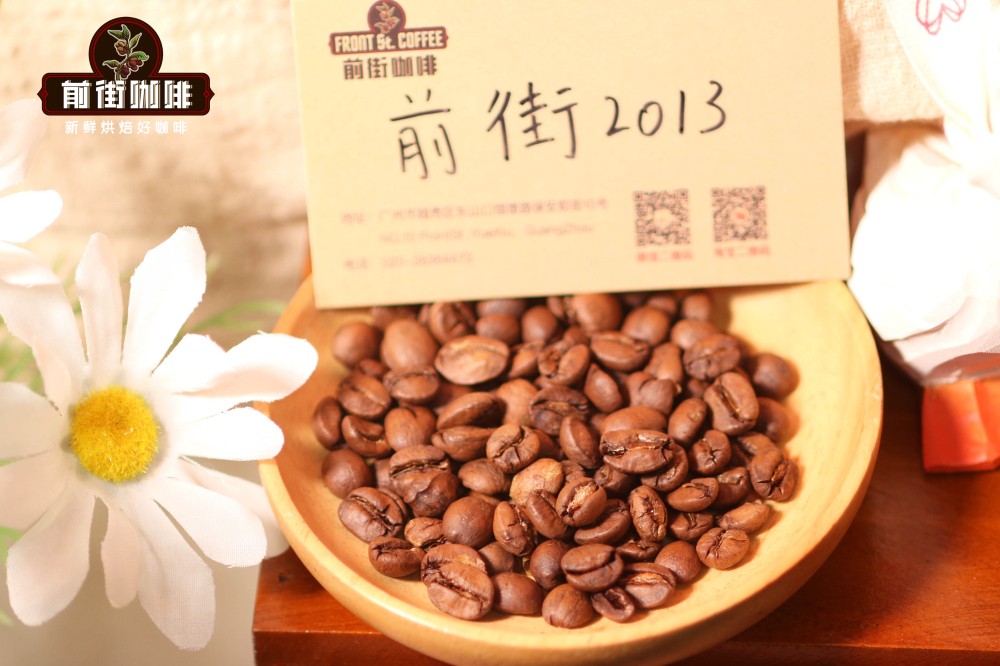
Step 4: Blooming
Gently stir the coffee grounds with a wooden spoon or chopsticks for about 30 seconds. This step helps release carbon dioxide and allows the grounds to fully absorb water and expand — this is what we call the 'blooming' phase.
Step 5: Continue Pouring
After blooming, slowly add the remaining water according to your ratio, then gently place the French press lid on top, butdo not press down the filteryet. Let it steep for about four minutes to allow for full extraction.
Step 6: Press
When the time is up, remove the French press from the scale and steadily and slowly press down the filter. Apply around 7–9 kilograms of pressure. If it feels too easy, your grind may be too coarse; if it feels too hard, the grind might be too fine. Once pressed all the way down, it is recommended toimmediately pour out the coffeeto avoid over-extraction that could affect the flavor.
Step 7: Enjoy
Pour the coffee into a preheated mug. It’s recommended to rinse your mouth beforehand to cleanse your palate and better appreciate the coffee’s nuances. The optimal drinking window for French press coffee is within 20 minutes after brewing. For the best experience — whether medium or medium-dark roast — try to drink it within 10 minutes. If waiting up to 20 minutes, a dark roast is recommended to maintain a richer flavor.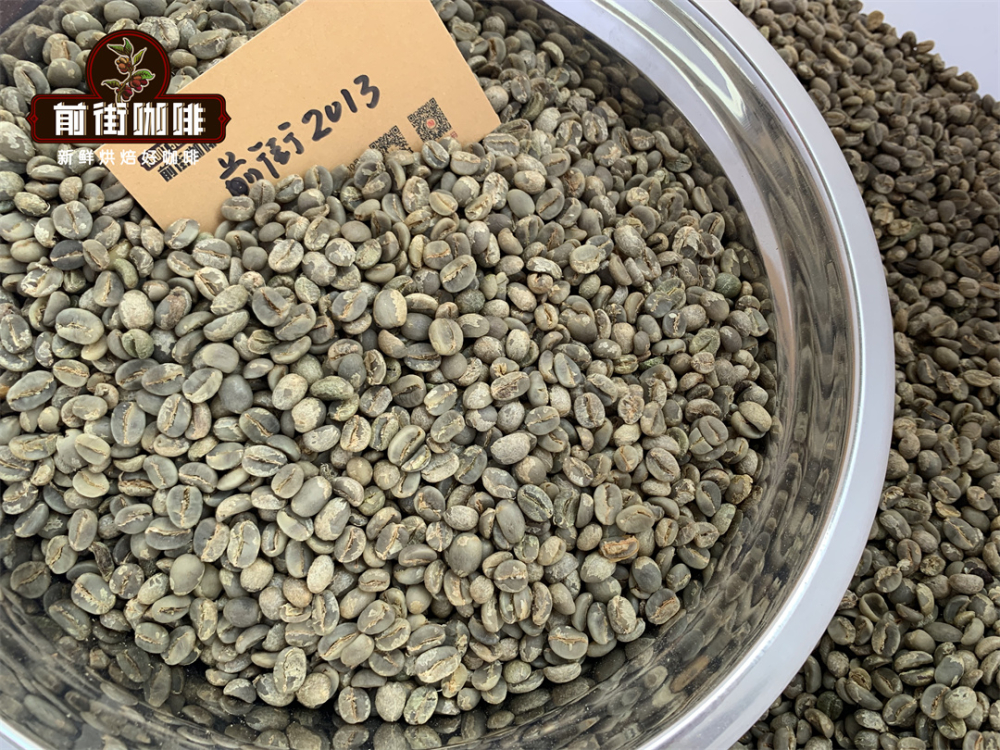
Through these steps, you’ll also be able to easily master the basics of using a French press, and adjust grind size and ratios to your preference, exploring the diverse flavors of Yunnan coffee. If you're curious to explore more, try beans from different regions and processing methods for a unique flavor journey.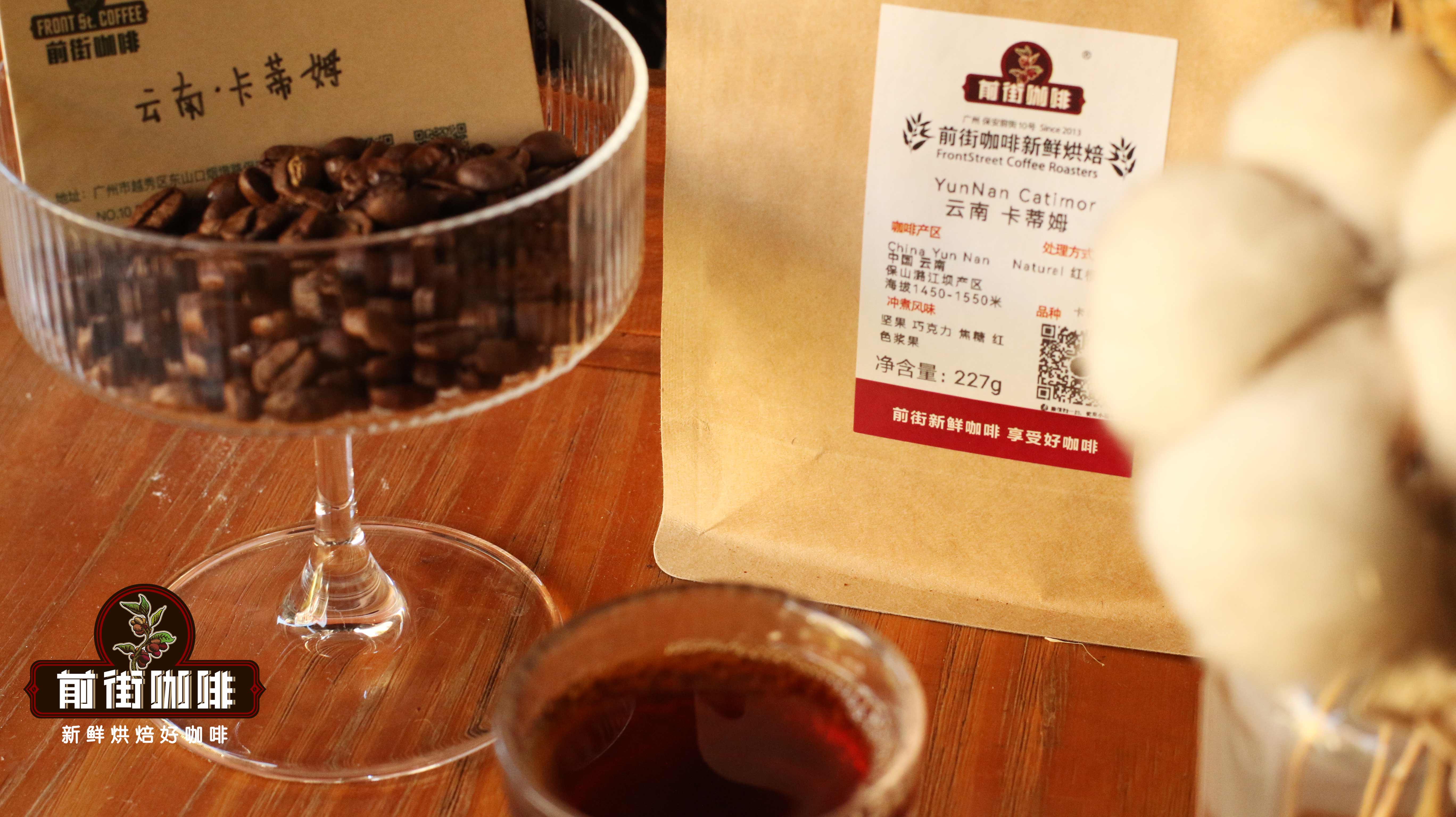
The above content is compiled by CoffeeHunters, a coffee news website.


