







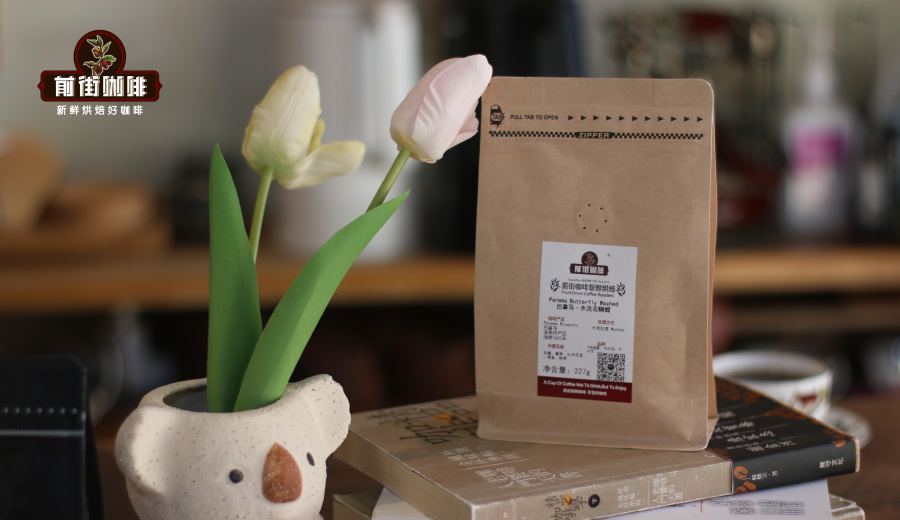
Introduction:Boquete is an important coffee-growing region in Panama's specialty coffee scene. Beyond the renowned Geisha, there is also the highly cost-effective Butterfly variety. This article will delve into Boquete’s natural conditions, the varietal composition of Butterfly, and its washed processing method. We’ll also provide practical V60 three-stage pour-over brewing tips to help you fully experience this coffee’s floral-fruity aroma and layered complexity.
Panama is famed for producing high-quality specialty coffee, especially the Geisha from Hacienda La Esmeralda, which has made this Central American country a holy grail for coffee enthusiasts. Within the Boquete region—home to Geisha—there’s another uniquely flavored and affordably priced coffee bean: the Butterfly. Grown at the foot of the Baru Volcano at an altitude of about 1,600 meters, it is a blend of three varieties: Geisha, Caturra, and Catuaí. Geisha makes up around 40% of the blend, contributing intense floral and fruity notes.
[Boquete’s Natural Gifts: Volcanic Soil and Microclimate]
Boquete is part of Panama’s Chiriquí Province, bordering Costa Rica and close to the famous Volcán Baru. The area not only features deep volcanic soil rich in minerals but also benefits from high altitudes and cool mountainous climates, creating ideal conditions for coffee cultivation. Especially under large diurnal temperature variations and evenly distributed rainfall, coffee cherries ripen slowly, accumulating richer flavor compounds.
In addition to its geographical advantages, Boquete’s microclimate is key to the exceptional quality of its coffee. Influenced by the central mountain range, cool air gathers here, and variations in rainfall due to mountainous terrain create diverse microclimates. These allow coffee trees to grow in stable and suitable environments, ultimately yielding beans with delicate flavors.
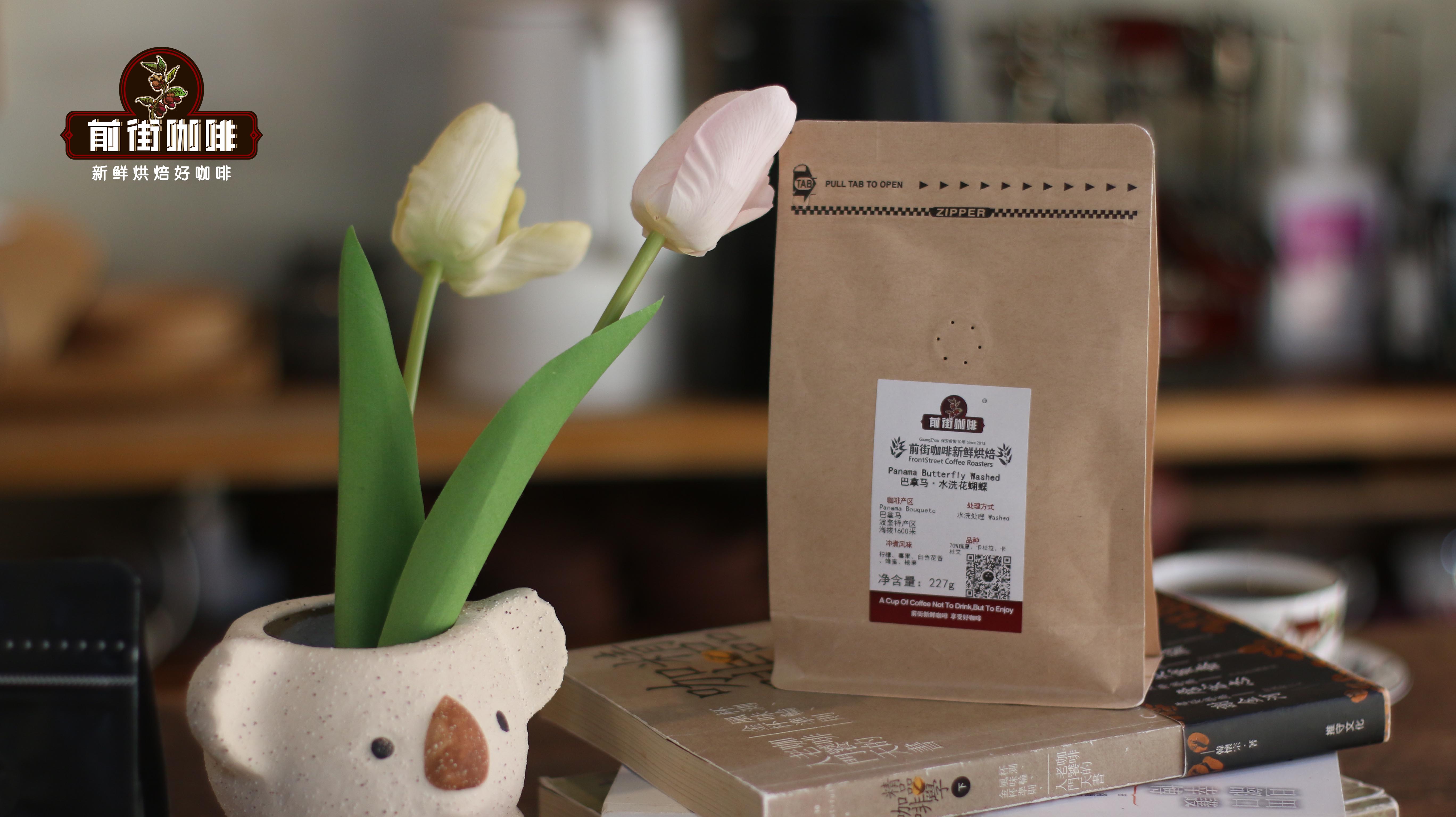
While the Geisha from Hacienda La Esmeralda is unforgettable, its expensive price and limited availability often deter many coffee lovers. In contrast, the Butterfly beans from the same region, with similar altitude and processing methods, offer a more affordable price while delivering rich and captivating floral-fruity flavors—making it an excellent entry point for exploring Panama’s high-altitude coffees.
[Varietal Composition and Processing Features of Butterfly]
The Butterfly coffee bean is a blend of three varieties: Geisha, Caturra, and Catuaí, with Geisha accounting for about 40%. Historically, the estate mixed Geisha with the other two varieties to increase yield. Although Geisha later gained fame, the estate maintained the mixed processing approach to preserve harvesting efficiency. As a result, Butterfly retains the elegant floral-fruity character of Geisha while adding the balanced mouthfeel and rich depth of Caturra and Catuaí.
This coffee primarily undergoes a refined washed process. Unripe or defective floaters are first removed, followed by depulping. The beans are then placed in fermentation tanks where natural enzymes and yeast break down the mucilage layer. After fermentation, the beans are moved to drying patios and turned regularly to ensure even drying. Finally, they’re stored with the parchment on until hulling just before export. This method preserves the coffee’s cleanliness and bright acidity while highlighting its fruity and floral notes.
[Flavor Profile and Cupping Characteristics]
Butterfly coffee is known for its delicate floral aromas, honey-like sweetness, and multi-layered fruit tones. During cupping,Dry Aromaoften carries fresh notes of jasmine, citrus, and tea, along with gentle honey sweetness;Wet Aromadisplays vibrant scents of berries, vanilla, and citrus; whileFragrance/Flavorreveals distinct citrusy acidity from bergamot, cherry, and berries, paired with honey sweetness and a lingering tea-like finish. Overall, it presents a refreshing and layered profile with bright yet non-aggressive acidity, a smooth mouthfeel, and a long-lasting aftertaste.
[Brewing Recommendation: V60 Three-Stage Pour-Over Parameters]
To fully showcase Butterfly’s floral-fruity notes and delicate acidity, a medium-light roast is recommended, brewed using a V60 dripper with a three-stage pour-over method. This approach enhances extraction efficiency while maintaining clarity and complexity in the flavor.
- Dripper:V60
- Water Temperature:91-92°C
- Coffee Dose:15 grams
- Brew Ratio:1:15 (recommended total water volume: 225 grams)
- Grind Size:Granulated sugar size, approximately 80% passing through a #20 sieve
Three-Stage Pour-Over Steps:
- First Stage (Bloom):Pour 30 grams of water in a circular motion, let it sit for 30 seconds to form a dome and initiate extraction.
- Second Stage:Pour 95 grams of hot water. When the water level drops to about half, begin the third pour.
- Third Stage:Pour 100 grams of hot water until dripping is complete. Use a small stream throughout, circling from the center outwards with steady pressure to avoid channeling or uneven extraction.
After brewing, gently swirl the coffee to mix, then enjoy it while hot to experience its fresh floral-fruity notes and delicate sweet-acid balance.
In summary, the Butterfly coffee beans from Panama’s Boquete region not only inherit the region’s superior natural conditions but also deliver a flavor experience close to that of Geisha at a more accessible price. Whether you’re a coffee novice or a seasoned enthusiast, you can discover the unique charm of Panama’s high-altitude coffee through this bean.
The above content is compiled by CoffeeHunters, a coffee news website.


