







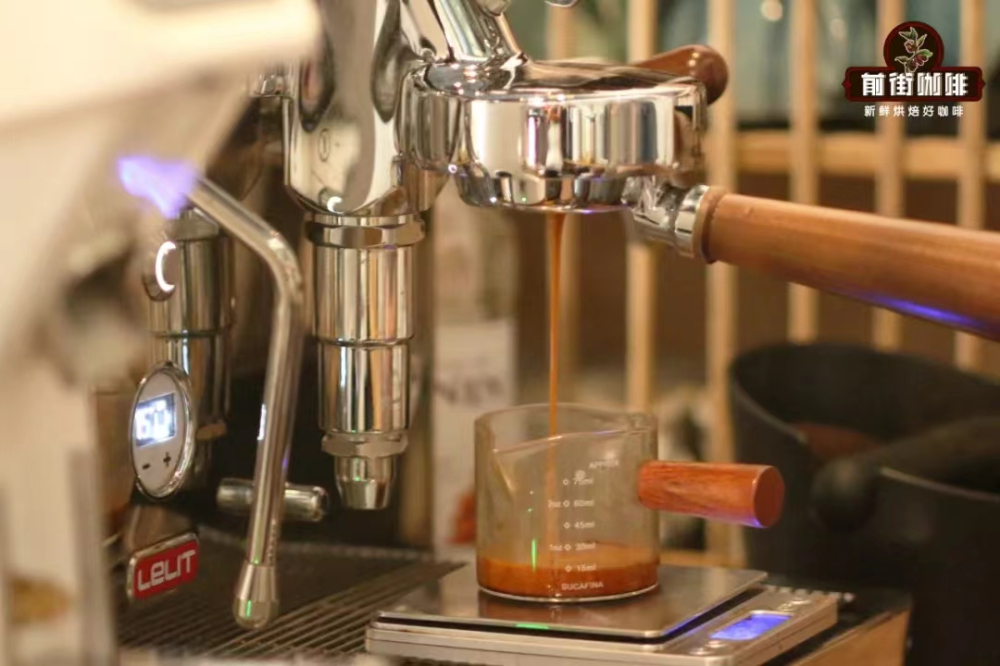
Introduction:Want to uncover the secrets behind the foundation of classic espresso-based coffee? This article delves into the milliliter differences between single and double espressos, standard dosage guidelines, extraction parameters, and compares how different combinations influence the flavor of milk-based coffee drinks. It also covers commonly used coffee-to-water ratios and milk steaming techniques favored by professional baristas. From the traditional 30ml cup size to modern variations, learn the core technical details of espresso.
The key to making a perfect latte or cappuccino lies in understanding the foundational proportions of espresso. Whether it’s a single shot (1 shot) or a double shot (double), these terms are directly related to the amount of coffee grounds used, the volume of extracted liquid, and the resulting intensity of flavor.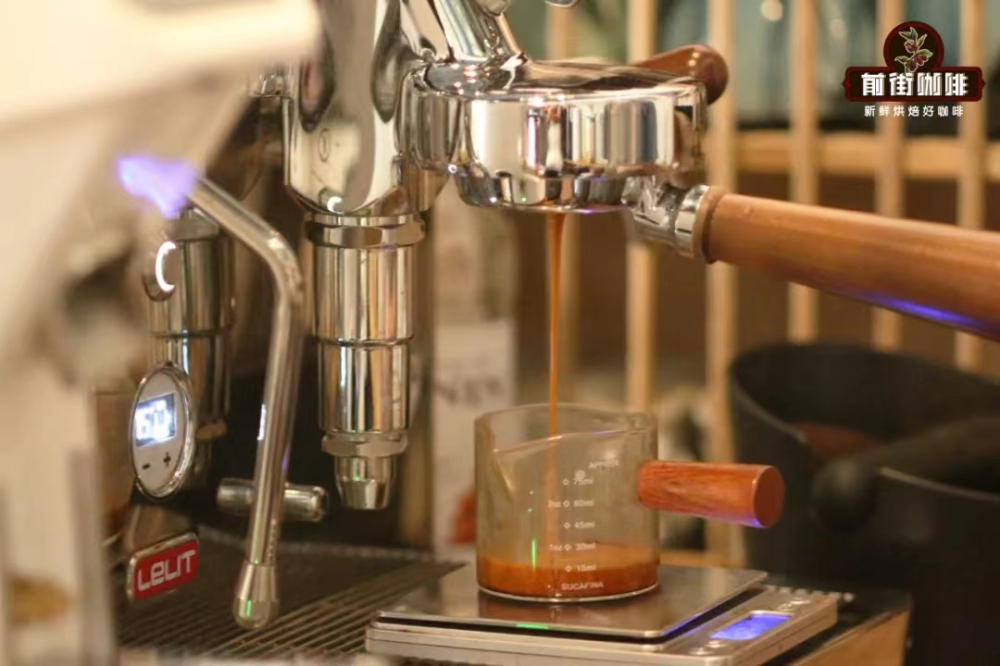
In traditional Italian standards, a single shot of espresso refers to using 7–9 grams of finely ground coffee, extracted under 9–10 atmospheres of pressure for about 30 seconds, yielding approximately 30 milliliters (1 ounce) of highly concentrated coffee. A double shot, on the other hand, requires doubling the coffee grounds to 14–18 grams, resulting in about 60 milliliters of espresso — though actual practices in modern coffee shops often vary.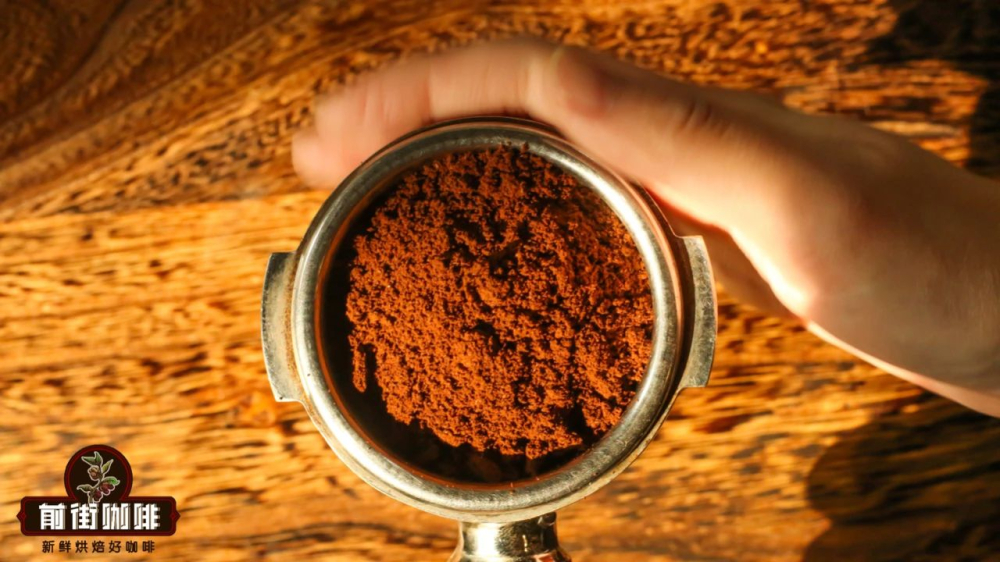
It’s worth noting that most cafes today use a modified double basket system, where what is called a "single" may actually use 20 grams of coffee to produce 40 milliliters of liquid (a 1:2 coffee-to-water ratio). This change stems from equipment limitations and consumer demand for a stronger taste, with actual extraction volumes often ranging between 30–45 milliliters.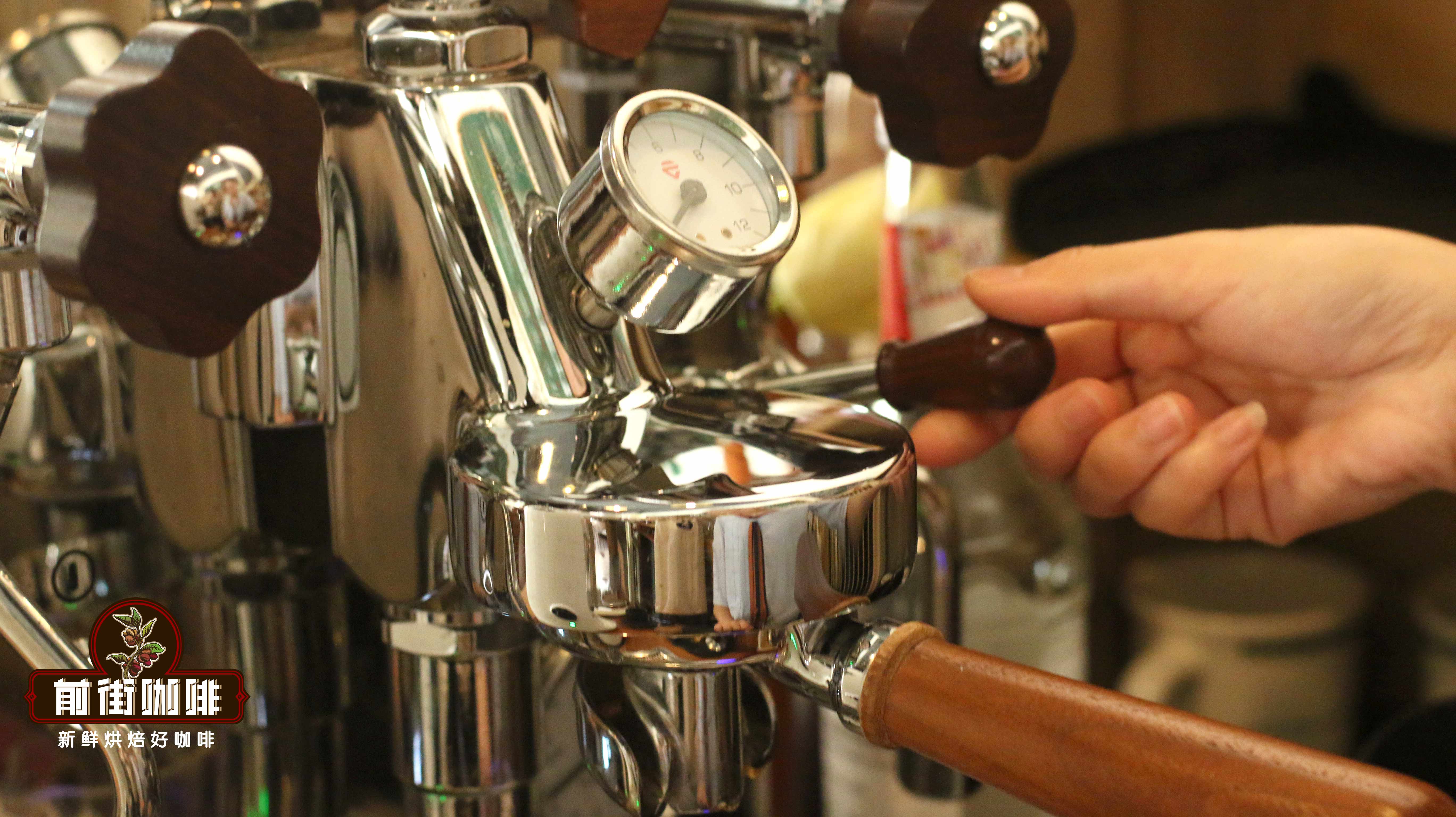
Looking at extraction parameters reveals key differences: a single shot typically uses a smaller portafilter basket (around 7–10 grams capacity), while a double uses a standard basket (18–22 grams). For example, with a professional espresso machine set at 94°C water temperature and 9 bar pressure, extracting 20 grams of coffee for 30 seconds to produce 40 milliliters of coffee can form an ideal golden crema — an important indicator of successful extraction.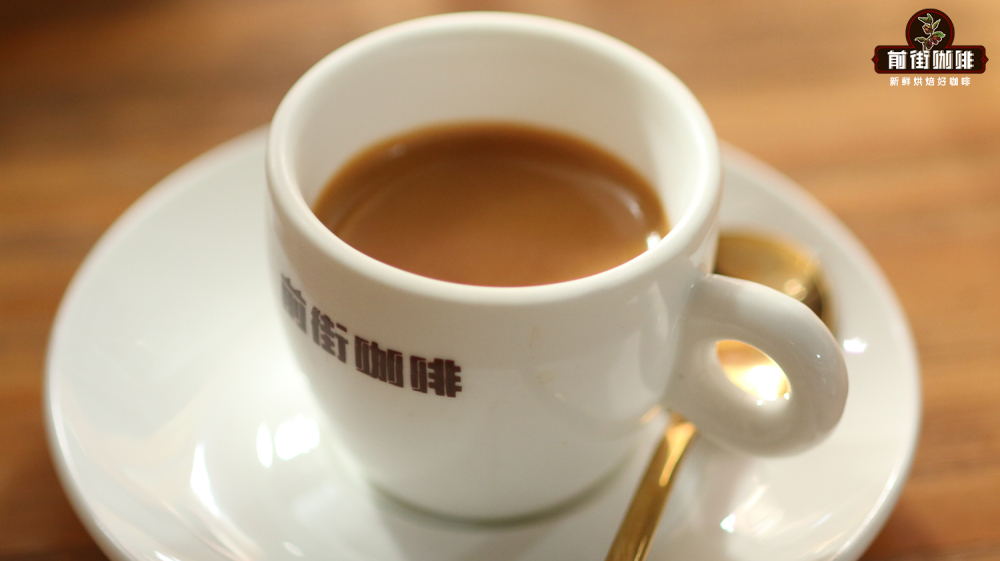
When making a latte, a double shot (about 40 milliliters) paired with 240 milliliters of whole milk is the most common ratio. The milk should be heated to 50–60°C — below this temperature, the natural sweetness from lactose won’t fully develop, and above it, the proteins can denature and clump. When steaming the milk to about 1 centimeter of foam, pour it slowly in a circular motion along the side of the cup to ensure the espresso and milk blend evenly.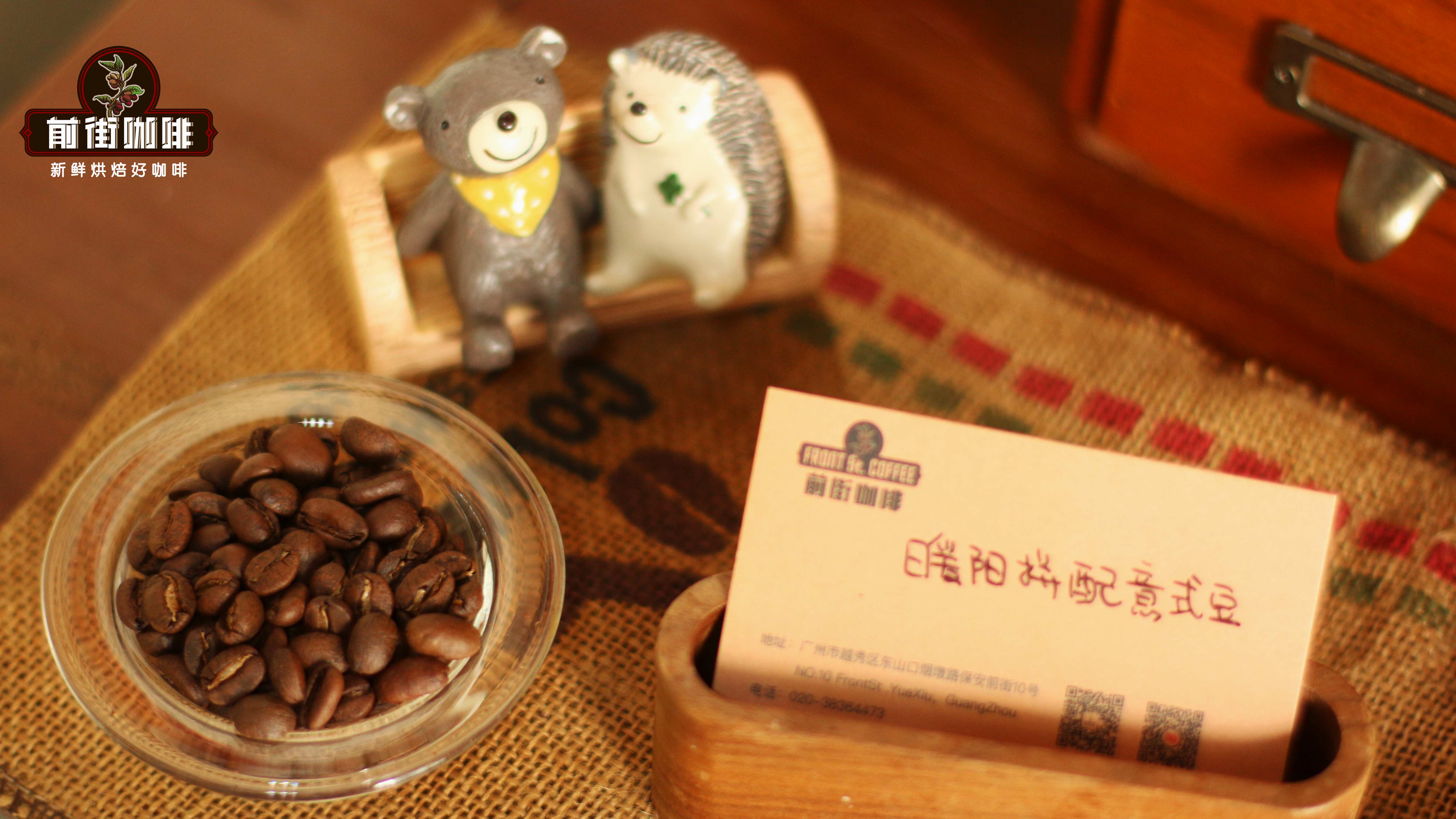
The choice of coffee blend directly affects the quality of the espresso. High-quality espresso blends typically combine 2–3 types of Arabica beans to balance acidity, sweetness, and body. For example, blending Ethiopian beans’ citrus notes with Sumatran beans’ chocolatey finish not only enhances crema stability but also ensures distinct flavor layers during high-temperature extraction. Avoid using single-origin beans alone, as their flavors can become unbalanced under high-pressure extraction.
Pro tip: Regularly cleaning the coffee machine’s group head is essential, as leftover oils can negatively affect the cleanliness of subsequent extractions. When testing different dosages, it’s recommended to record: coffee dose (grams), extraction time (seconds), liquid yield (milliliters), and crema color — these metrics help fine-tune to your ideal settings. For home setups, you might start with 18 grams of coffee aiming for 36 milliliters of extraction.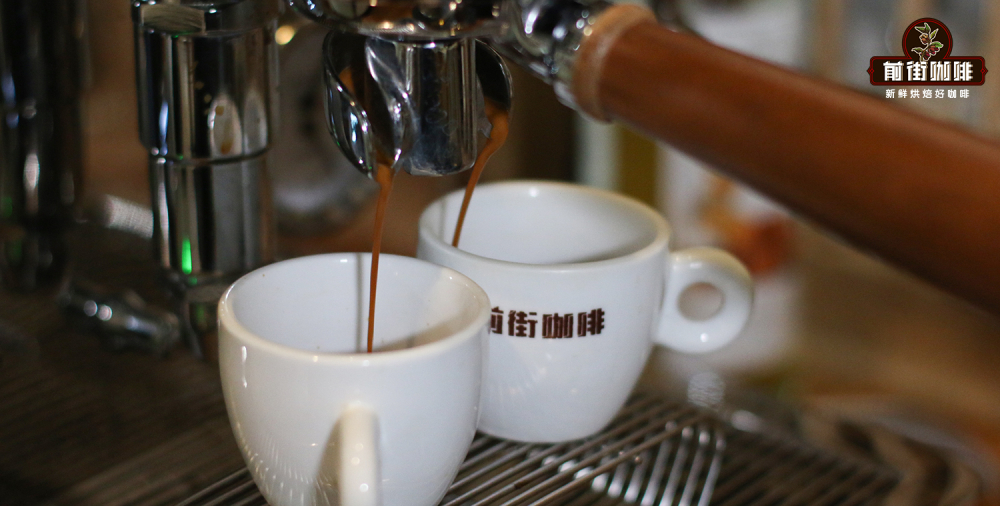
Important note on coffee bean types: Never use light-roast single-origin beans for espresso. These beans are prone to excessive acidity and channeling under high-pressure extraction. The medium-to-dark roast level typical of espresso blends develops rich crema, and a reasonable proportion of Robusta beans (no more than 30%) can further enhance body and crema longevity.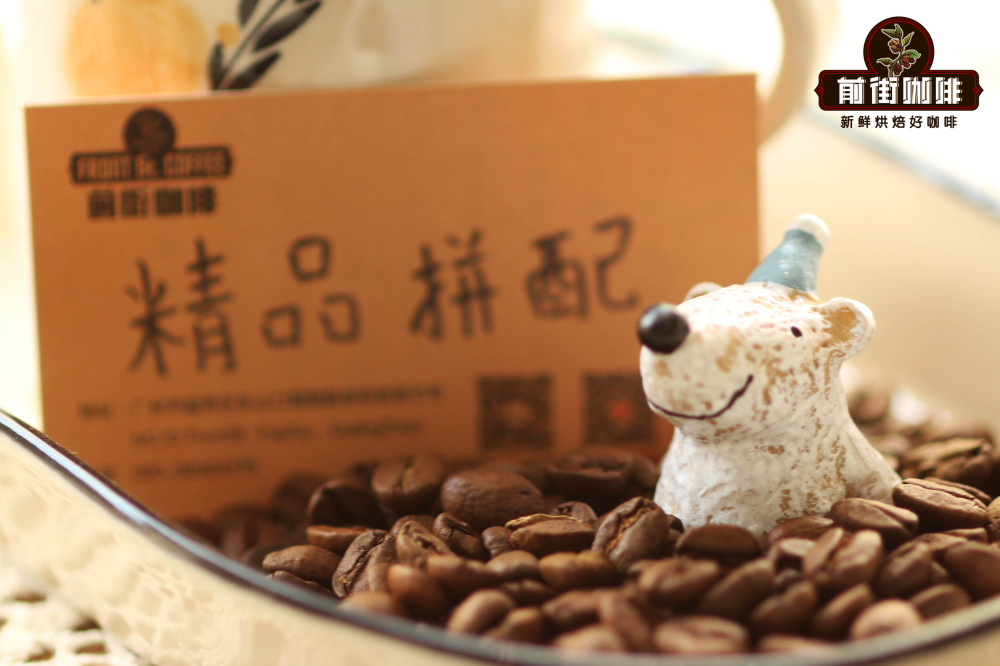
In summary, the core difference between single and double shots isn’t just volume, but also caffeine content, crema thickness, and milk coffee pairing ratios. Once you understand the standard benchmarks — 30 milliliters for a single and 60 milliliters for a double — you can fine-tune the coffee-to-water ratio to your taste, seeking the optimal balance within the range of 1:1.5 to 1:2.5.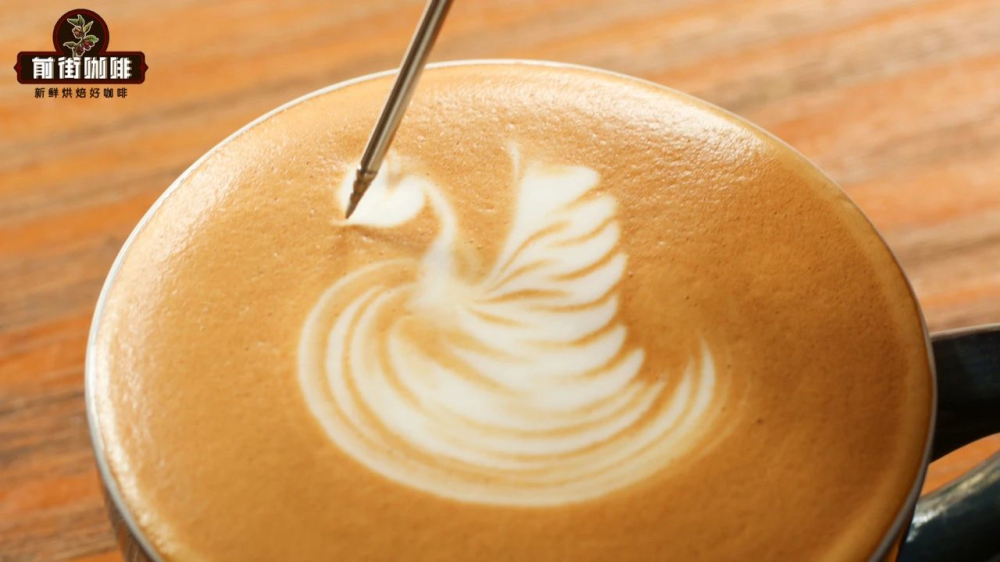
The above content is compiled by CoffeeHunters, a coffee news website.


