







Introduction:Gain an in-depth understanding of the differences in extraction ratios between single and double shots of espresso, grasp the structural principles of double and single baskets, and their specific impact on coffee flavor and mouthfeel. This article details extraction parameters such as dose, yield, time, and concentration, and provides practical operational advice to help you understand the essence of espresso from a barista’s perspective.
Walking into a café and ordering an “espresso” or simply a “shot” is a daily ritual for many coffee lovers. A single shot of espresso refers to one serving of concentrated coffee, also known as a single espresso. If you find a single shot insufficient, you can opt for a double shot — that is, a double espresso — which offers greater volume and intensity.
However, single and double espressos are not just different in quantity. From a professional barista’s point of view, there are significant differences in extraction techniques, basket selection, dose control, and ultimately, flavor expression.
First and foremost, understanding basket design is key. Every espresso machine basket has its designed capacity limit. For example, if a basket is recommended for 18 grams, the typical dose falls between 17 to 19 grams. Exceeding this may prevent the basket from sealing properly with the group head, while too little affects extraction uniformity. Therefore, if you want to pull a smaller single shot, you often need to switch to a specially designed small-capacity single basket.
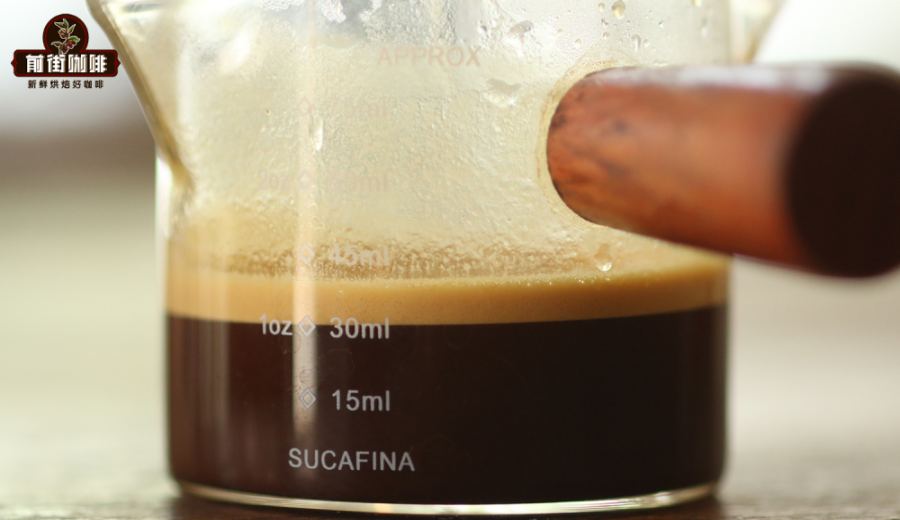
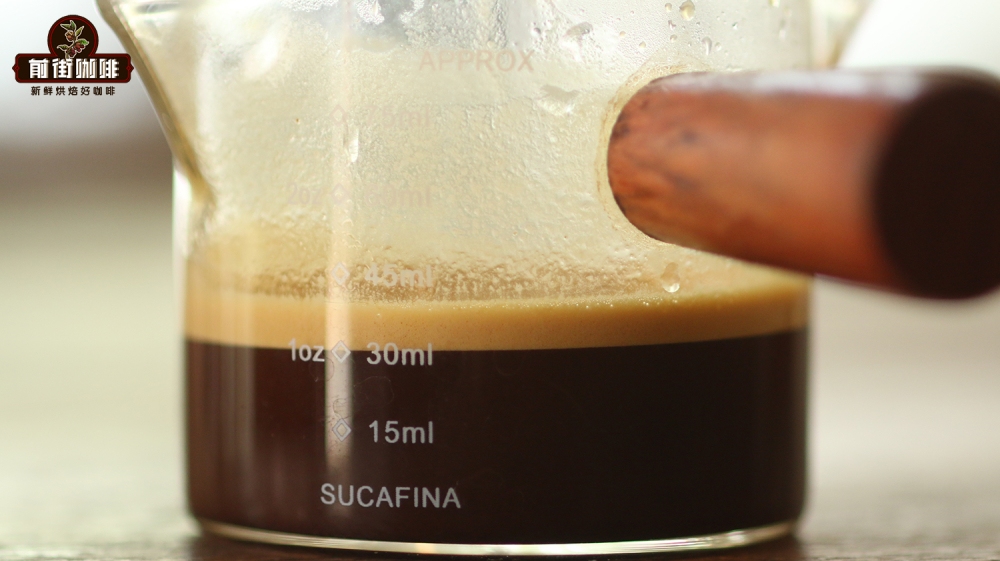
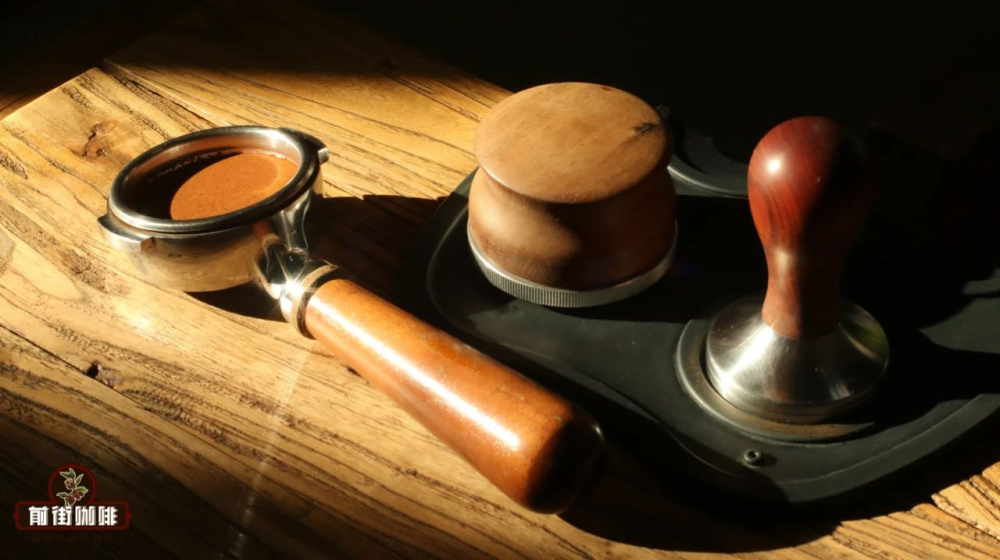
In practice, a single shot typically uses a single basket, dosed with around 11 grams of coffee, aiming to extract about 30 milliliters (approximately 22 grams) of espresso. A double shot, on the other hand, uses a double basket, dosed with about 18 grams, extracting roughly 60 milliliters (around 40 grams) of coffee. The internal structures of the two types of baskets also differ significantly: the double basket features an upright, cylindrical structure, and when tamped, it forms a flat, evenly thick puck, often resulting in a complete, “round almond cookie”-shaped coffee cake after knocking out.
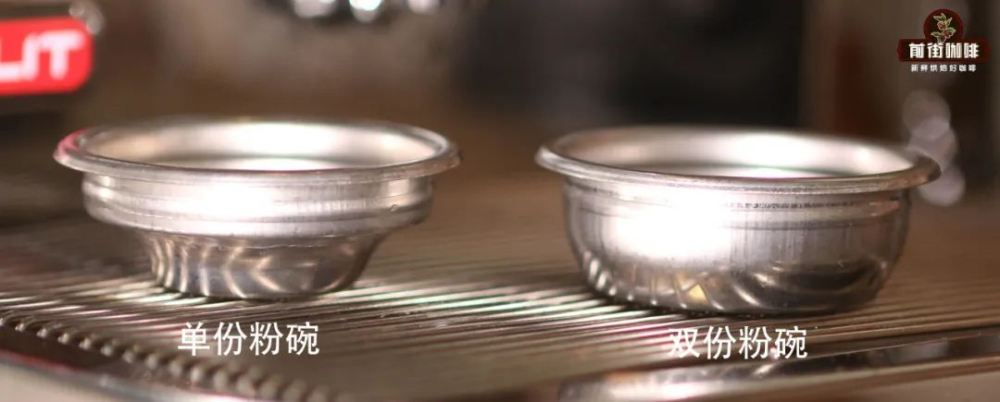
In contrast, the single basket has an inverted cone-shaped interior, generally divided into two layers. The upper section has a similar diameter to that of a double basket, but because the total dose is only half, the lower part is considerably narrower to maintain consistent top diameter and puck thickness. However, this design leads to uneven pressure distribution during extraction, making channeling more likely and thereby affecting overall extraction quality.
Experimental data shows that using a double basket with 20 grams of coffee, 40 grams of liquid can be extracted in 27 seconds, achieving a concentration of 10.48% and an extraction yield of about 21.72%. Under the same conditions, switching to a single basket with just 10 grams of coffee yields 20 grams of liquid in 22 seconds, with a concentration of only 8.83% and an extraction yield of 18.38%. Clearly, there is a noticeable gap in both concentration and extraction efficiency.
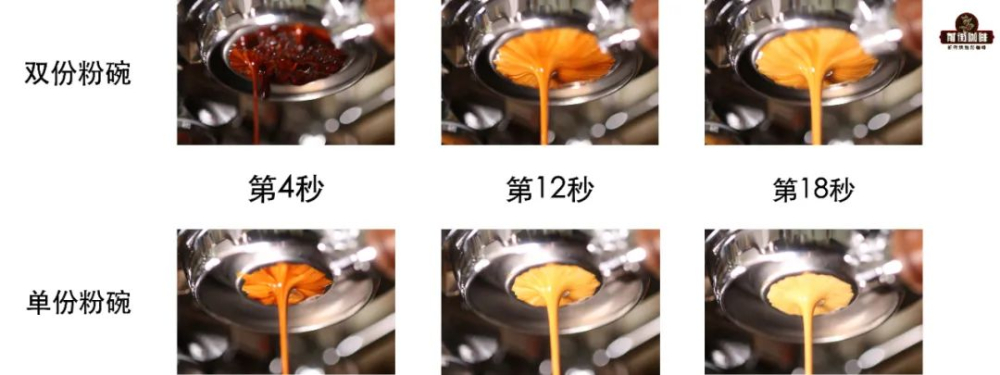
If you wish to bring the performance of a single basket closer to that of a double, you typically need to adjust the grind size or increase the dose. But grind adjustment is not practical for cafés, and increasing the dose may raise costs and instability. Tests have found that a single basket needs to be dosed up to 12.5 grams to achieve extraction results close to those of a double basket.
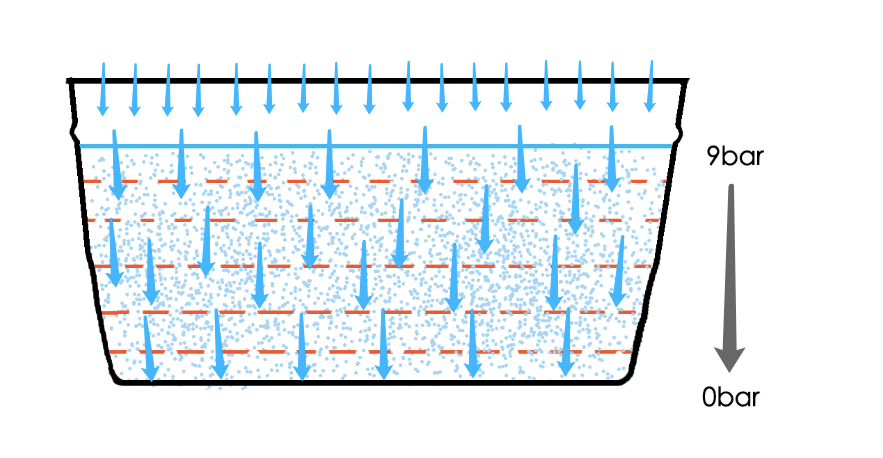
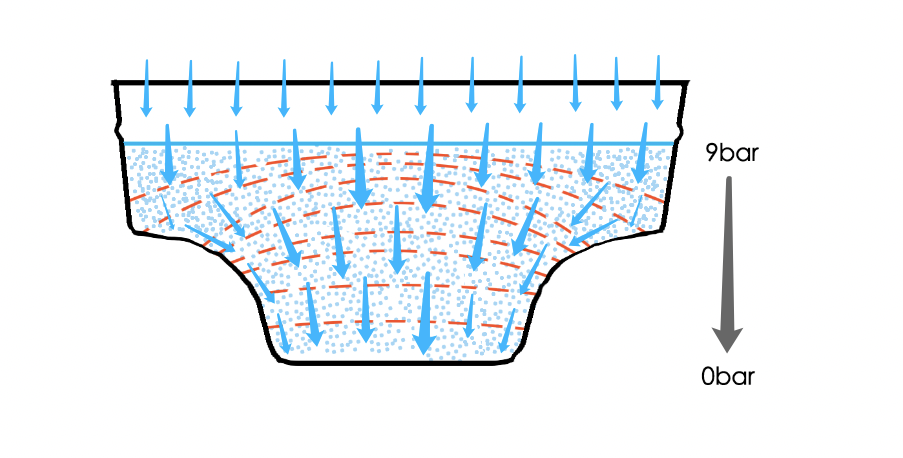
Why do these structural differences have such a significant impact? The key lies in the shape of the basket design. The cylindrical structure of the double basket, when tamped and under high pressure, can uniformly transmit pressure across the entire coffee bed, allowing water to penetrate steadily for more consistent extraction. The single basket, however, must sacrifice its bottom structure to maintain compatibility with the group head diameter and preserve the appearance of puck thickness. This results in the edges being more compact than the center during tamping, causing uneven water flow, even channeling, and severely compromising flavor balance.
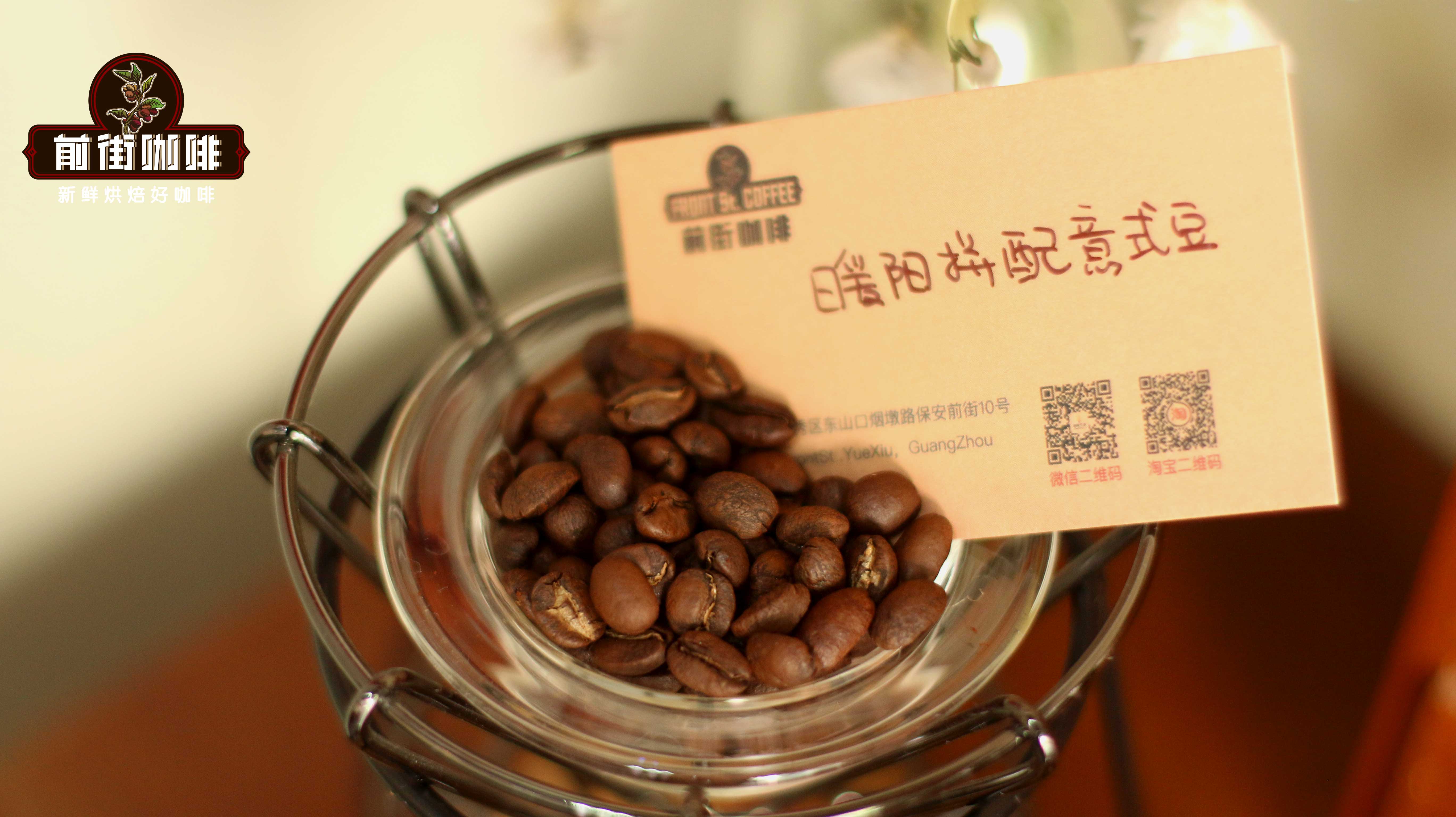
Below is a practical step-by-step reference for making a standard Espresso using a double basket. Taking the “Sunflower · Warm Sun Blend” as an example, the recommended dose range is 18 to 20 grams, using a 1:2 extraction ratio — that is, 20 grams of coffee yielding 40 grams of espresso; if using 18 grams, the corresponding yield is 36 grams. Extraction time is generally controlled between 20 to 35 seconds, with the ideal window being 28 to 30 seconds — too short may result in a thin body, while too long could lead to over-extraction and burnt, bitter notes.
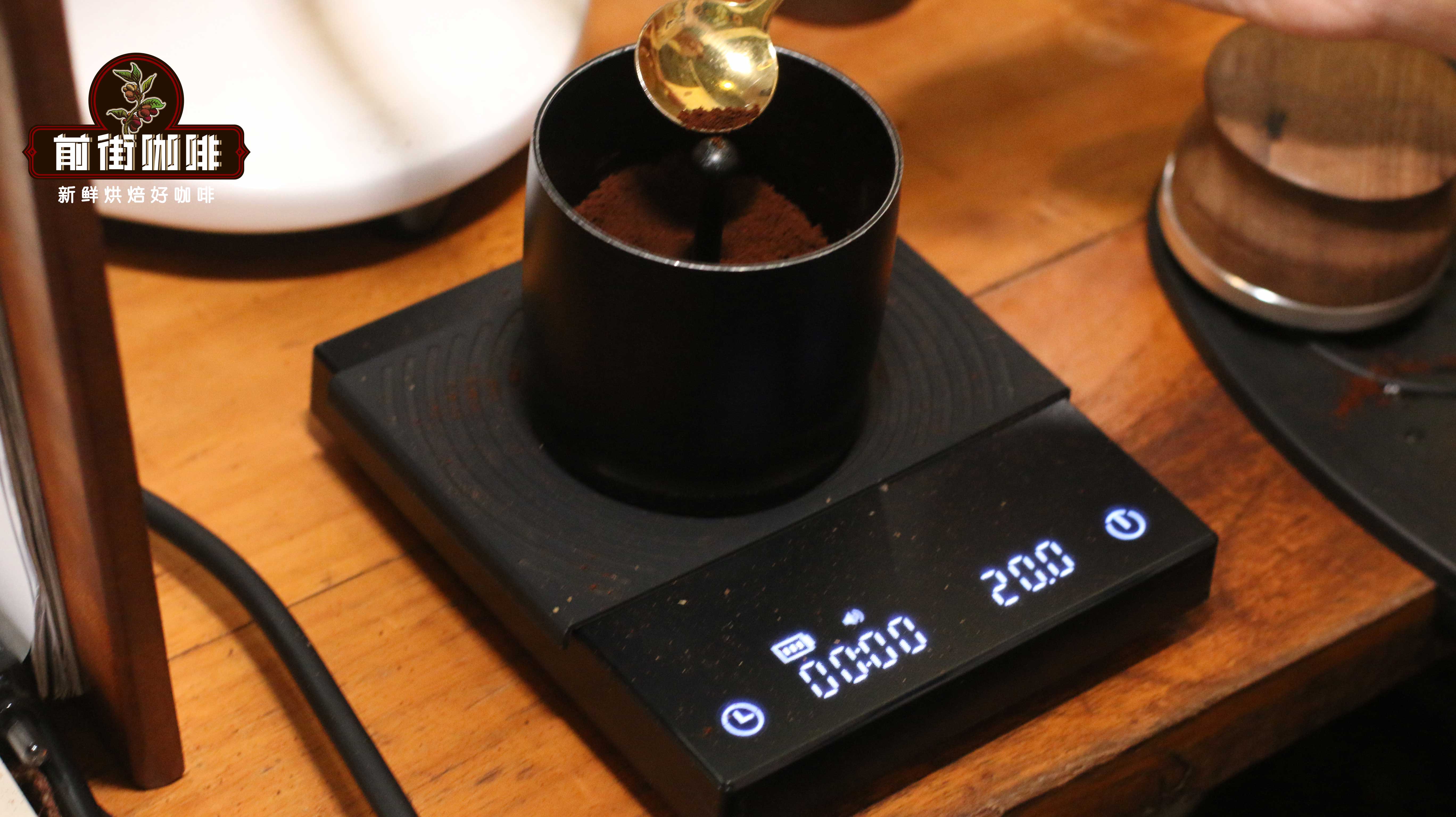
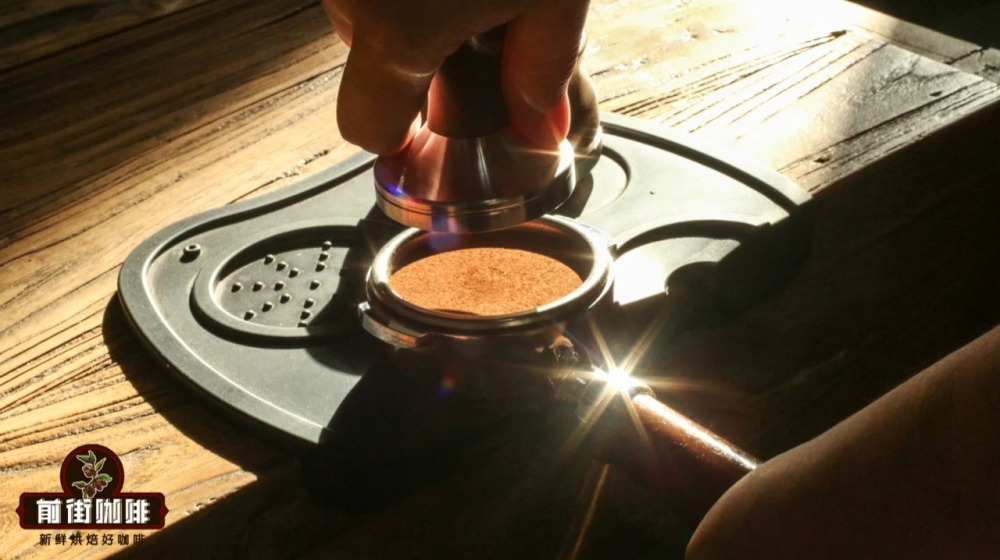
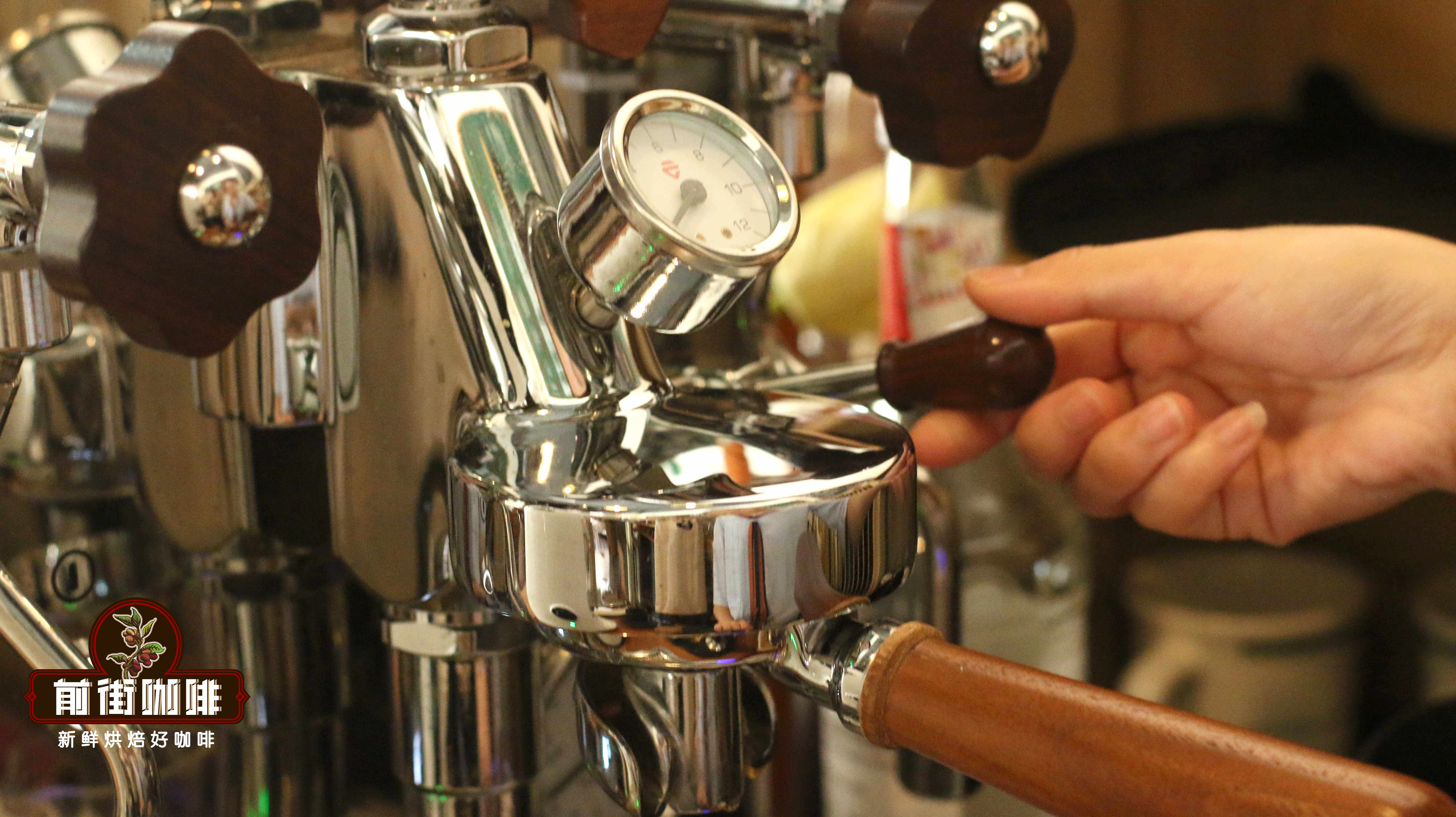
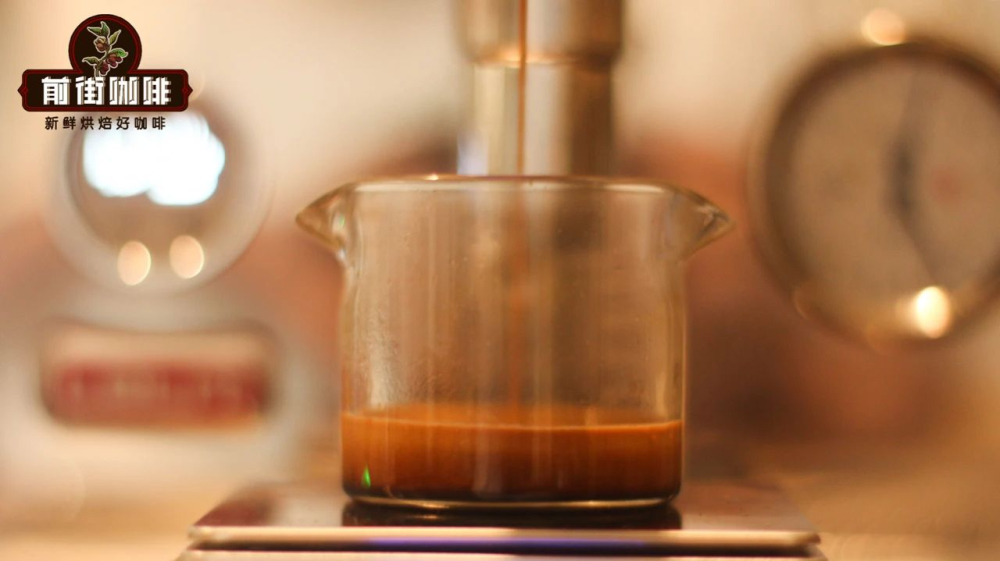
When operating, first ensure the basket is dry, grind the required amount of coffee, and weigh it accurately to 20 grams. Then use a distribution tool to evenly spread the grounds, followed by tamping vertically with a tamper to ensure a compact and level puck. Pre-wet the group head for 1 to 2 seconds to rinse it and remove any leftover coffee residue, while resetting the scale to zero and placing it under the spout to measure the yield.
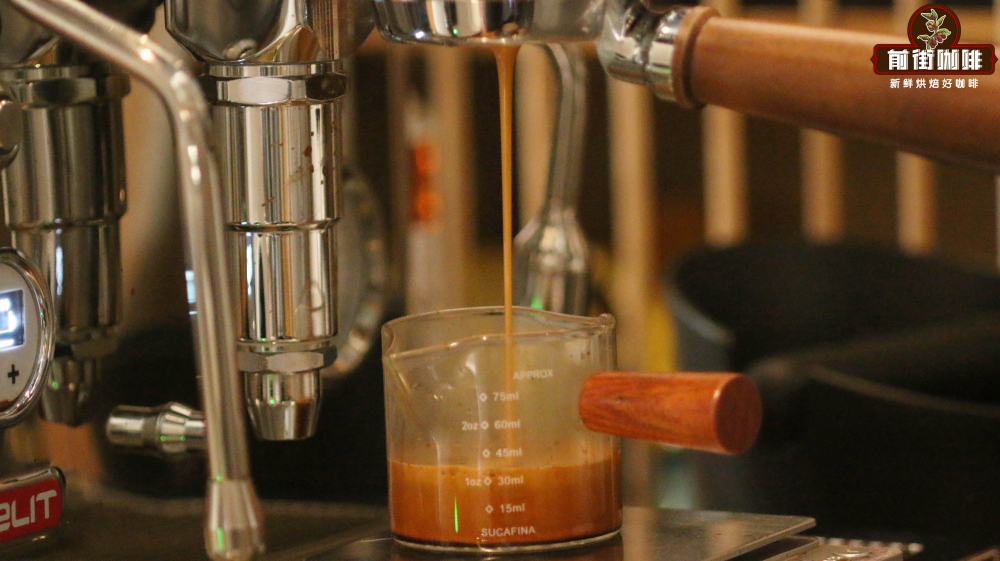
Gently place the portafilter into the group head and steadily start the extraction. Observe the flow of coffee; when the scale shows 40 grams and the time reaches around 30 seconds, you can stop the extraction. Note that daily humidity and coffee bean conditions vary, so it’s advisable to flexibly adjust dose, grind setting, and yield to maintain stable flavor output.
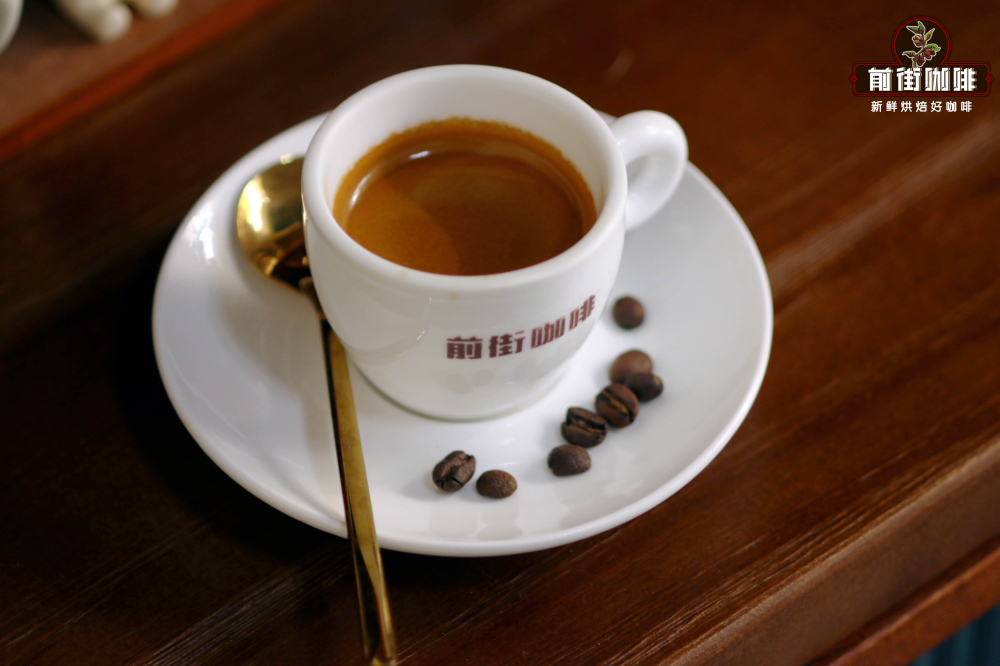
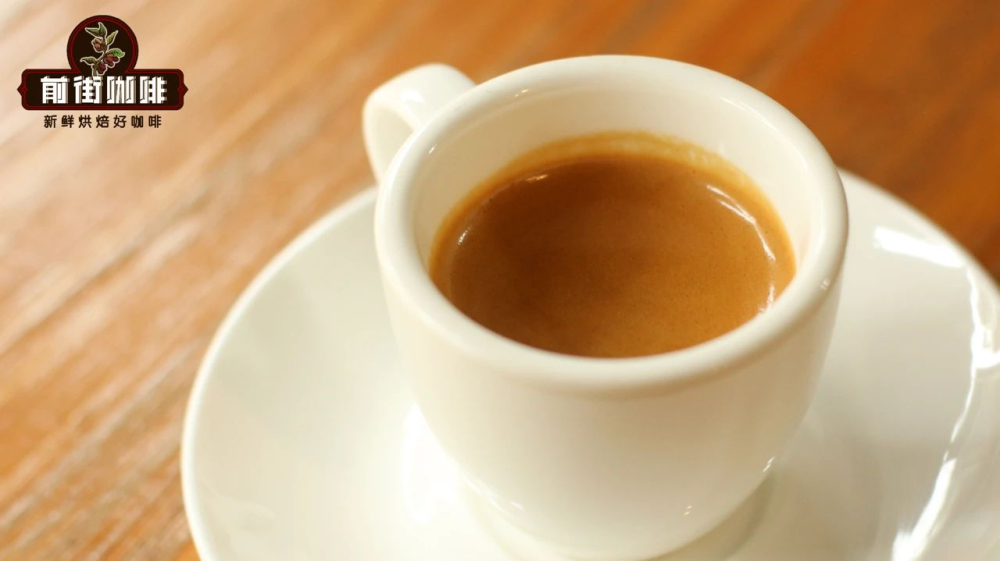
Freshly extracted espresso is best enjoyed straight away or paired with water to cleanse the palate, allowing you to fully experience its rich crema and bold texture. If you prefer a milder flavor, you can also adjust to your taste by adding hot water or milk. When tasting, start by appreciating the aroma — this blend features notes of whisky, vanilla, nuts, and cream. On the palate, you’ll first notice a dense crema and chocolatey tones, followed by layers of nutty cookies, berries, and wine-like flavors, with a clean, sweet finish. The overall flavor profile is rich and lingering.
The above content is compiled by CoffeeHunters, a coffee news website.


