







Introduction:Espresso is the foundation of many coffee beverages, but many beginners find its intense flavor and brewing method confusing. This article provides a detailed introduction to the origins of Espresso, the correct brewing parameters, its flavor characteristics, how to taste and brew an ideal shot, as well as common misconceptions and practical tips to help you progress from beginner to advanced.
Espresso, abbreviated as Espresso, is a type of coffee beverage brewed quickly under high pressure, known for its rich and intense taste and aromatic profile. Many first-timers may be overwhelmed by its strong flavor, but with an understanding of the correct tasting approach and brewing parameters, one can appreciate its unique charm.
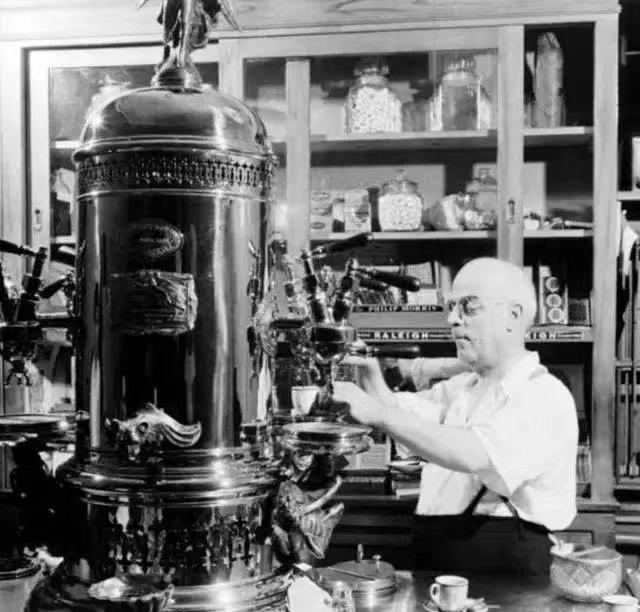
The name "Espresso" comes from the Italian word "esprimere," meaning "to press out," which reflects its brewing principle — extracting the essence of coffee under high pressure.The earliest Espresso machine was invented in 1884, primarily designed to allow workers to quickly enjoy a revitalizing cup of coffee. With technological advancements, modern Espresso machines can now precisely control pressure and temperature, producing a more balanced flavor.
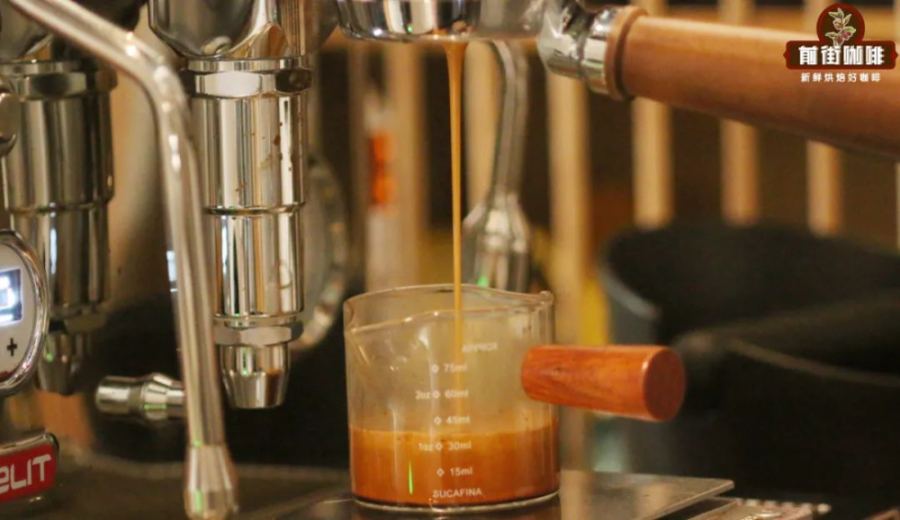
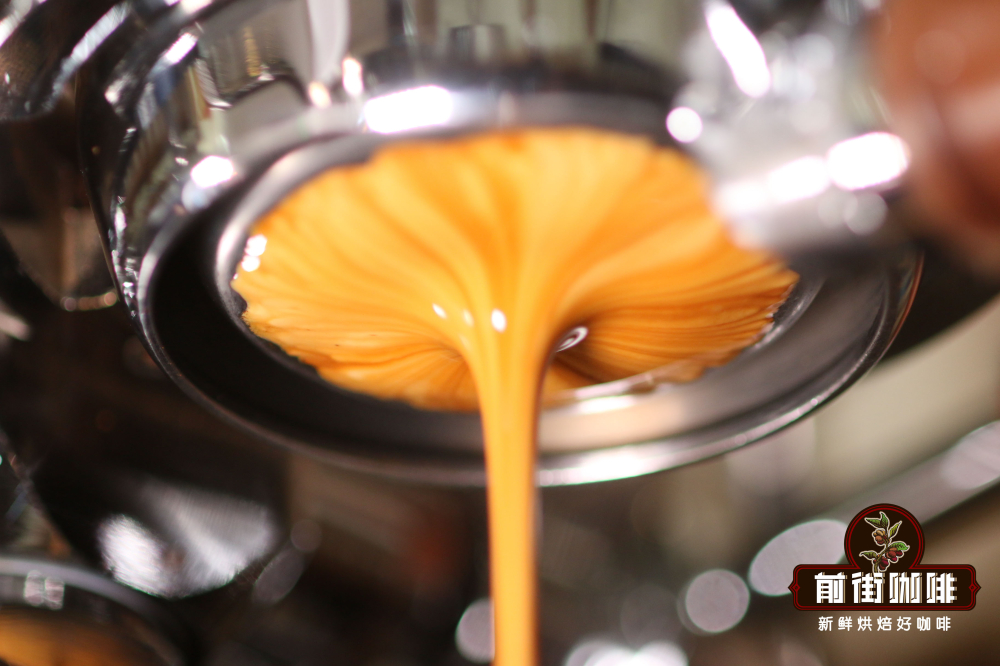
To make a standard Espresso, you need9 bars of pressureand94°C water temperature, using extremely finely ground coffee to extract about 30ml of concentrated liquid in a short time (usually 25–30 seconds). These brewing conditions highly concentrate the coffee’s flavors while forming a golden layer of coffee crema — one of the essences of Espresso.
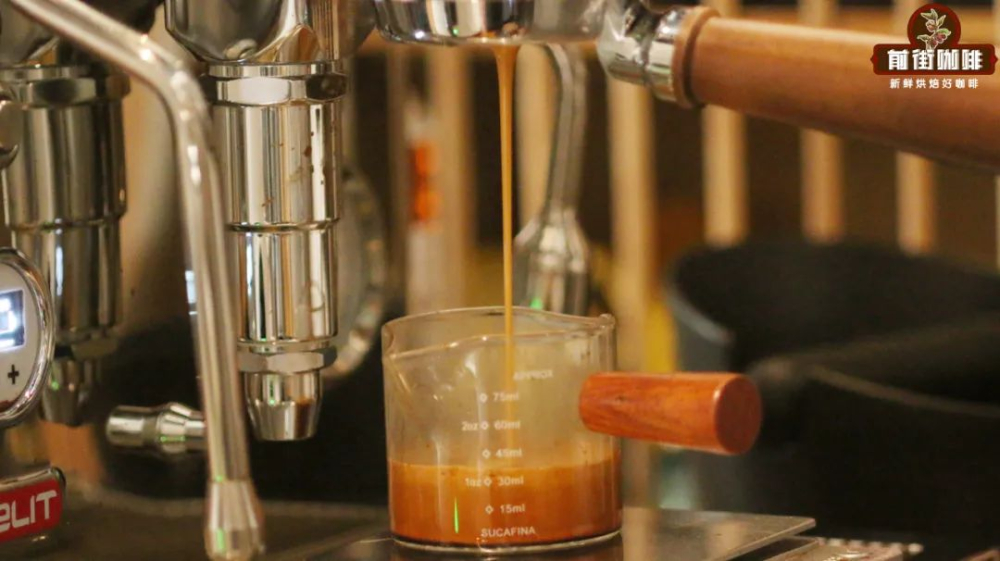
Many people find Espresso very bitter upon their first taste, but with careful sipping, one can discover its layered aromas, including caramel, chocolate, nuts, and even a hint of fruit acidity. This intense flavor is the charm of Espresso and the reason many become addicted to it.
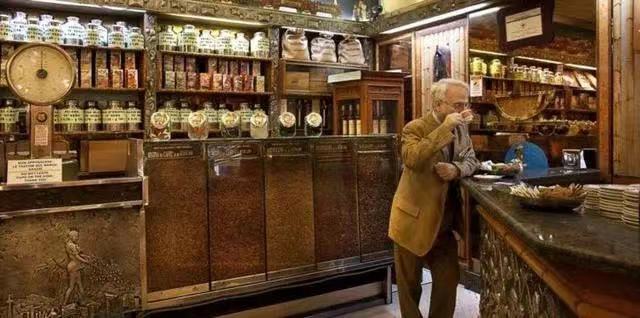
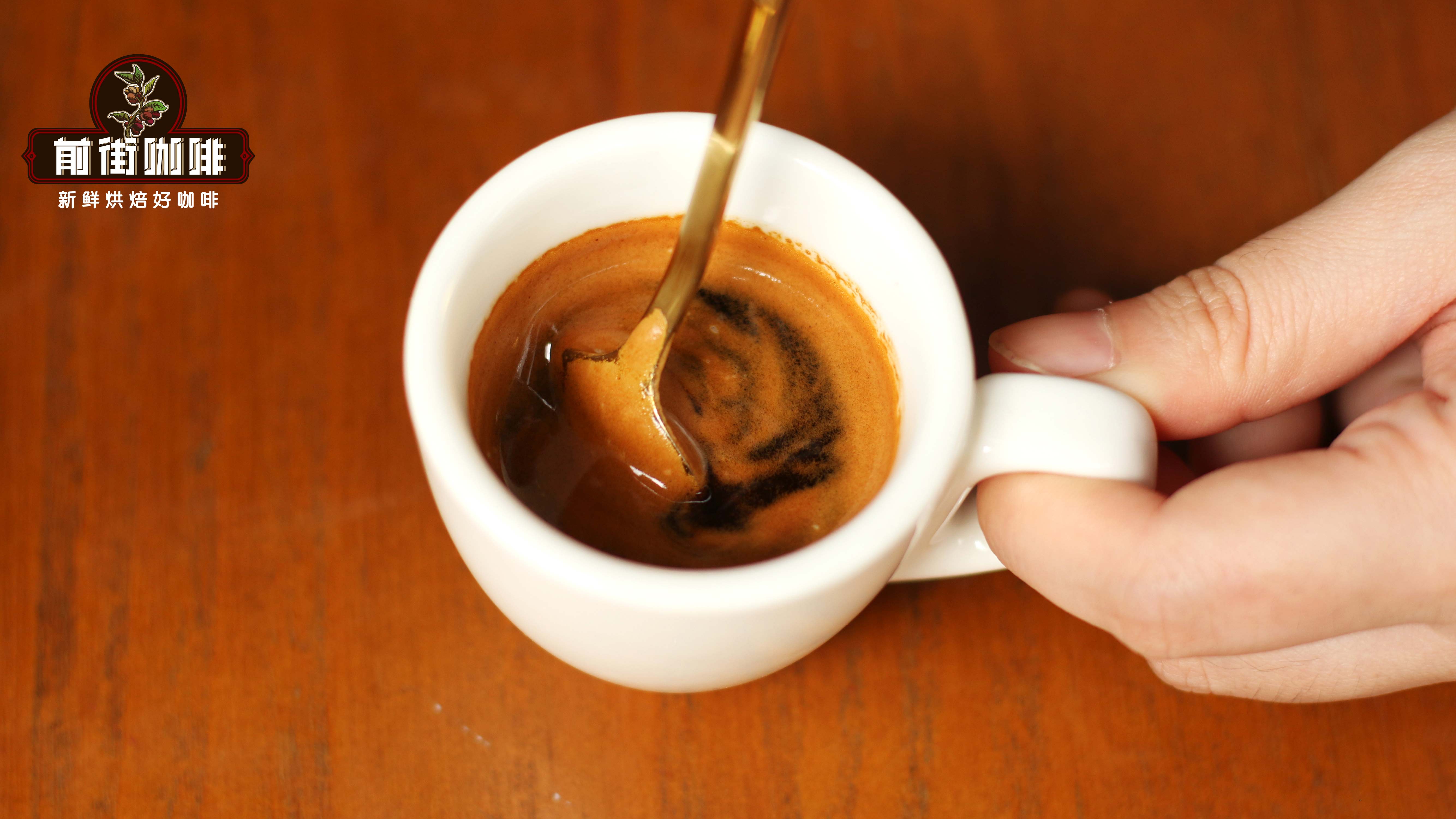
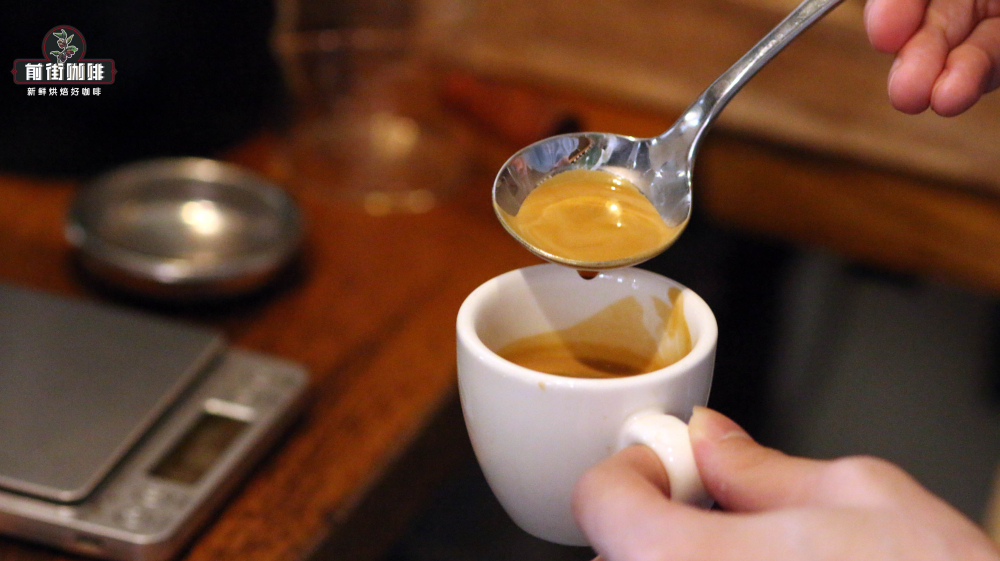
Regarding how to drink Espresso, many assume it must be consumed in one shot, but this is more of a habit developed by Italians for a quick energy boost. Modern drinkers can enjoy it more leisurely — it’s recommended to take a small sip first to feel its rich texture, then gradually appreciate the evolving aromas.Before tasting, gently stir the crema on the surface with a spoon to achieve a more balanced overall flavor.
When brewing Espresso, the choice of coffee beans is crucial. Generally,darker roasts or blends are better at showcasing the boldness and balance Espresso requires, whereas lighter roasts, due to their more pronounced acidity, can easily result in a sharp and thin taste if not handled properly. Common Espresso blends combine beans from different regions — for example, Brazilian beans provide a nutty and chocolatey base, while beans from other regions add layers of complexity.
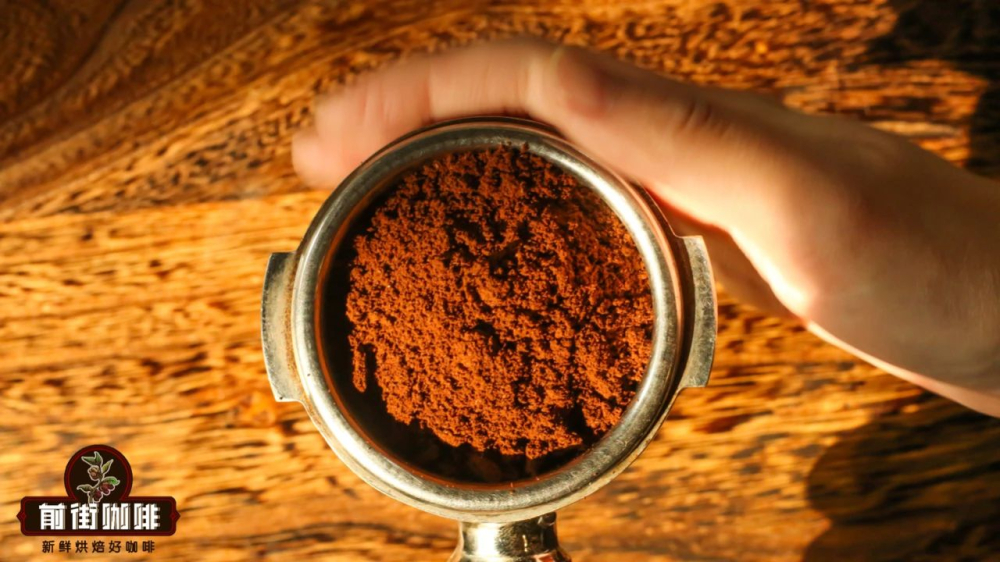
Additionally, the grind size for Espresso must be very fine and adjusted according to the machine’s pressure and extraction time. Too coarse a grind leads to under-extraction and weak flavors, while too fine can cause over-extraction and bitterness. Stability in pressure and water temperature is also key, as even slight deviations can affect the final extraction quality.
In summary, although Espresso is intense, mastering the correct brewing parameters and tasting techniques will allow you to uncover its rich and layered flavors. Whether enjoyed on its own or as the base for drinks like lattes and cappuccinos, Espresso plays an indispensable role in the world of coffee.
The above content is compiled by CoffeeHunters, a coffee news website.


