







Introduction:Delve into the origin characteristics, processing methods, and cupping differences of the three grades of Geisha from Panama's Hacienda La Esmeralda (Red Label, Green Label, and Blue Label). Explore the three core lots — Jaramillo, Canas Verdes, and El Velo — to analyze how sun-dried and washed processing methods influence floral and fruity aromas, acidity structure, and aftertaste profiles. Professional roasting curves and V60 brewing parameters are also provided to help you master the brewing secrets of top-tier Geisha.
Geisha coffee stands out in the global specialty coffee market for its delicate floral notes and vibrant fruity acidity. Hacienda La Esmeralda in Panama, with its unique microclimate and strict grading system, has elevated this variety to the peak of flavor. This article focuses on the estate’s three main grades of Geisha — Red Label, Green Label, and Blue Label — and analyzes how the soil and altitude features of the Jaramillo, Canas Verdes, and El Velo regions shape the key differences in aroma layers, acidity structure, and body texture between sun-dried and washed processing methods. It also offers professional roasting advice and V60 pour over parameters to build a systematic tasting knowledge base for coffee enthusiasts.
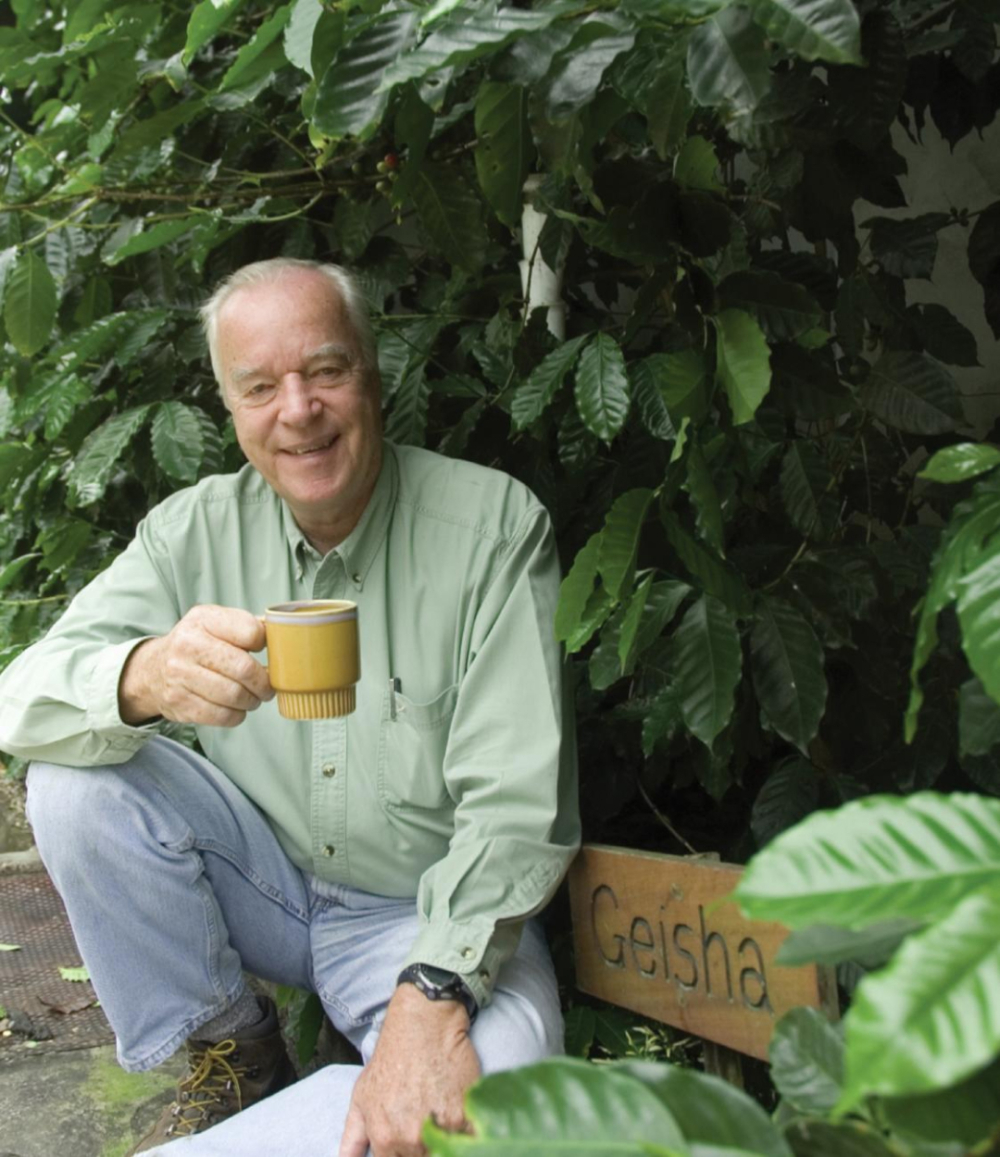
As an Ethiopian native variety, Geisha was discovered in the Gesha Forest in 1931 and subsequently traveled through Kenya, Uganda, and Costa Rica before being introduced to Panama in the 1970s. Its flavor potential only gained international attention in 2004 when Hacienda La Esmeralda won the BOP championship with a competition lot — that year’s sun-dried Geisha stunned judges with its bright lemon acidity, brandy-like aroma, and jasmine notes, proving that high-altitude cloud forest environments and meticulous processing can bring out the variety’s ultimate expression.
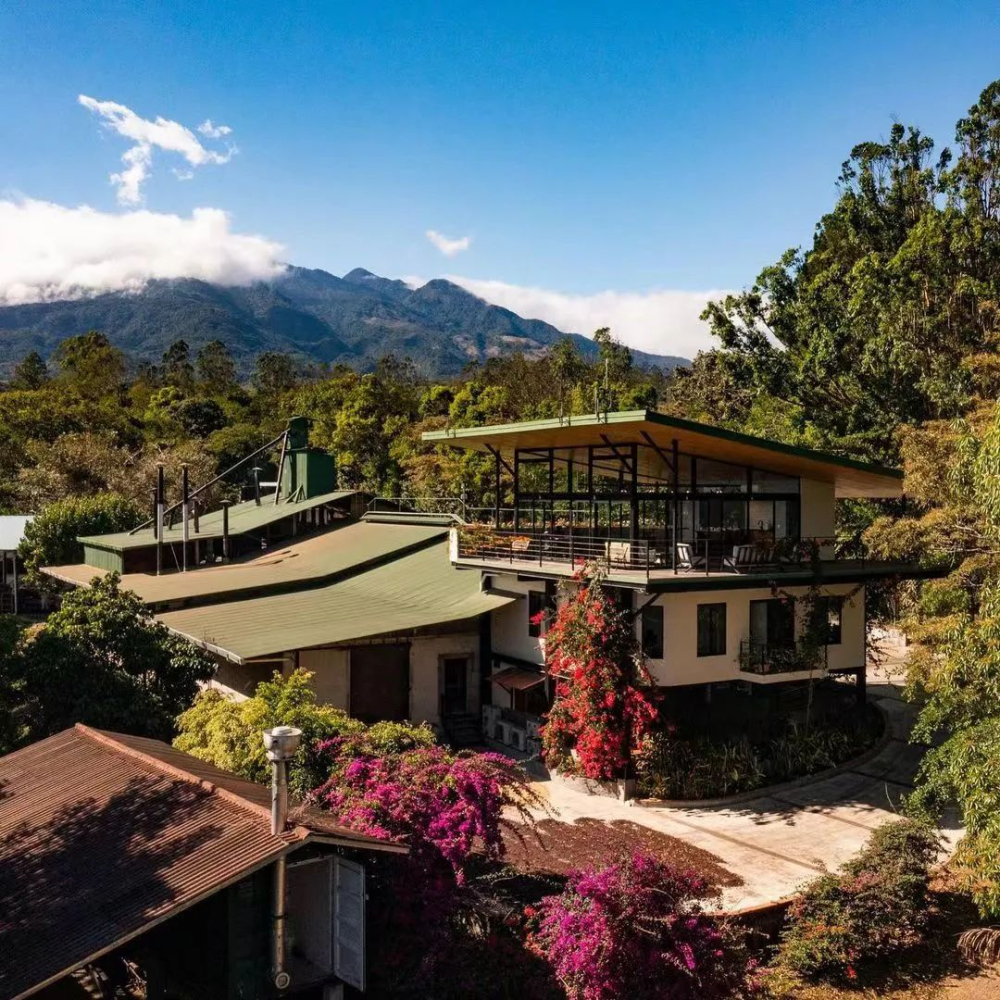
The core production area of Hacienda La Esmeralda is located in Boquete, Panama. Among its four main growing regions, Jaramillo, Canas Verdes, and El Velo are the primary sources of Geisha. Jaramillo, the first area acquired by the Peterson family, sits at an average altitude of 1,700 meters. Its steep slopes make harvesting challenging, but the large diurnal temperature variation (daytime 19–25°C / nighttime 11–15°C) and annual rainfall of 4,000 mm, along with dense shade, foster the rich floral base required for Red Label Geisha.This area is subdivided into six exclusive Red Label lots, including Mario and Noria, with two additional plots added in 2023: Caballeriza (Stable) and the unreleased Manantial (Spring)..
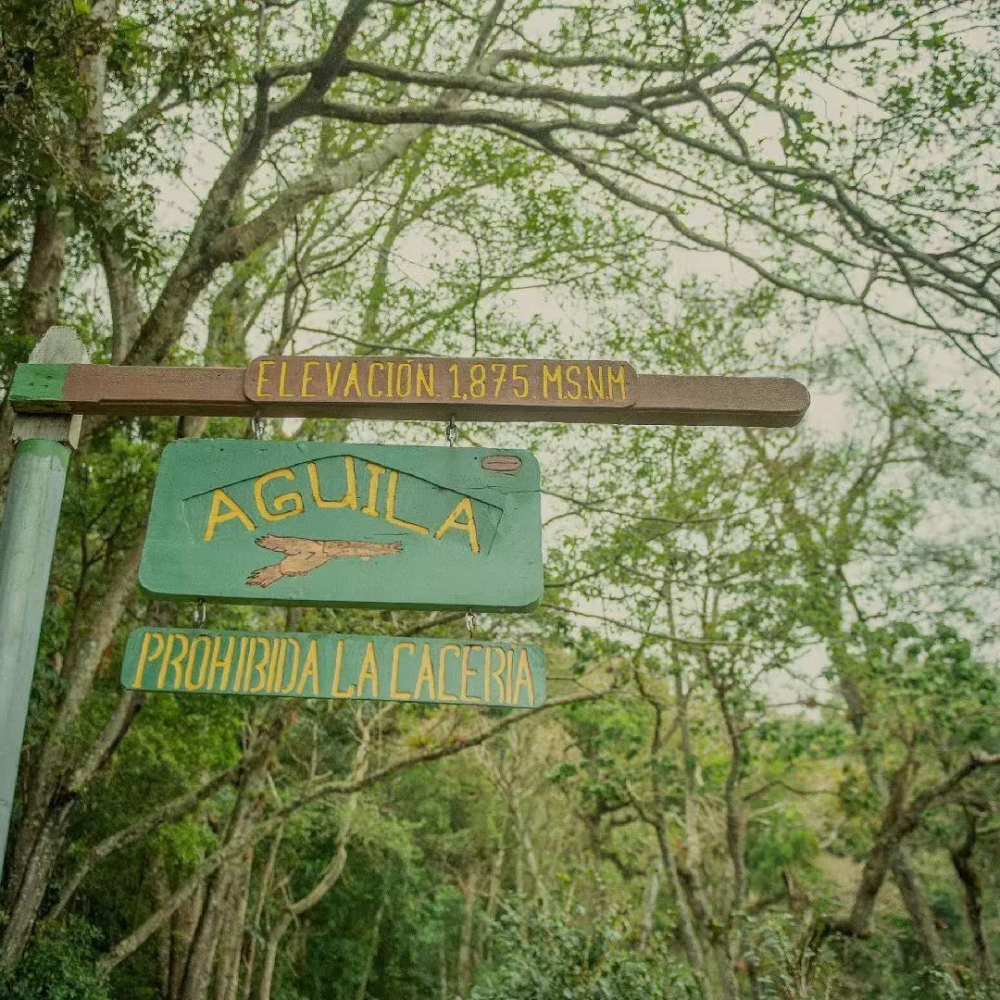
Canas Verdes (Spanish for “Green Reeds”), which spans a wider range of altitudes, is located on the eastern slopes of the Barú Volcano. Its main producing areas are distributed between 1,500 and 2,050 meters, with an annual rainfall of 3,500 mm and significant diurnal temperature variation (daytime 16–23°C / nighttime 10–15°C). The complex terrain and volcanic soils together shape the layered profile of Green Label Geisha.There are 11 sub-lots such as Lino (Flax) and Coronado (Crowned), each with distinct microclimatic characteristics.. The newly developed El Velo lot (1,700–1,900 m) blends Geisha with Catuai and also experiments with varieties like Laurina and Pacamara. Seven sub-lots (such as Guabo and Portón) lay the foundation for future expansion.
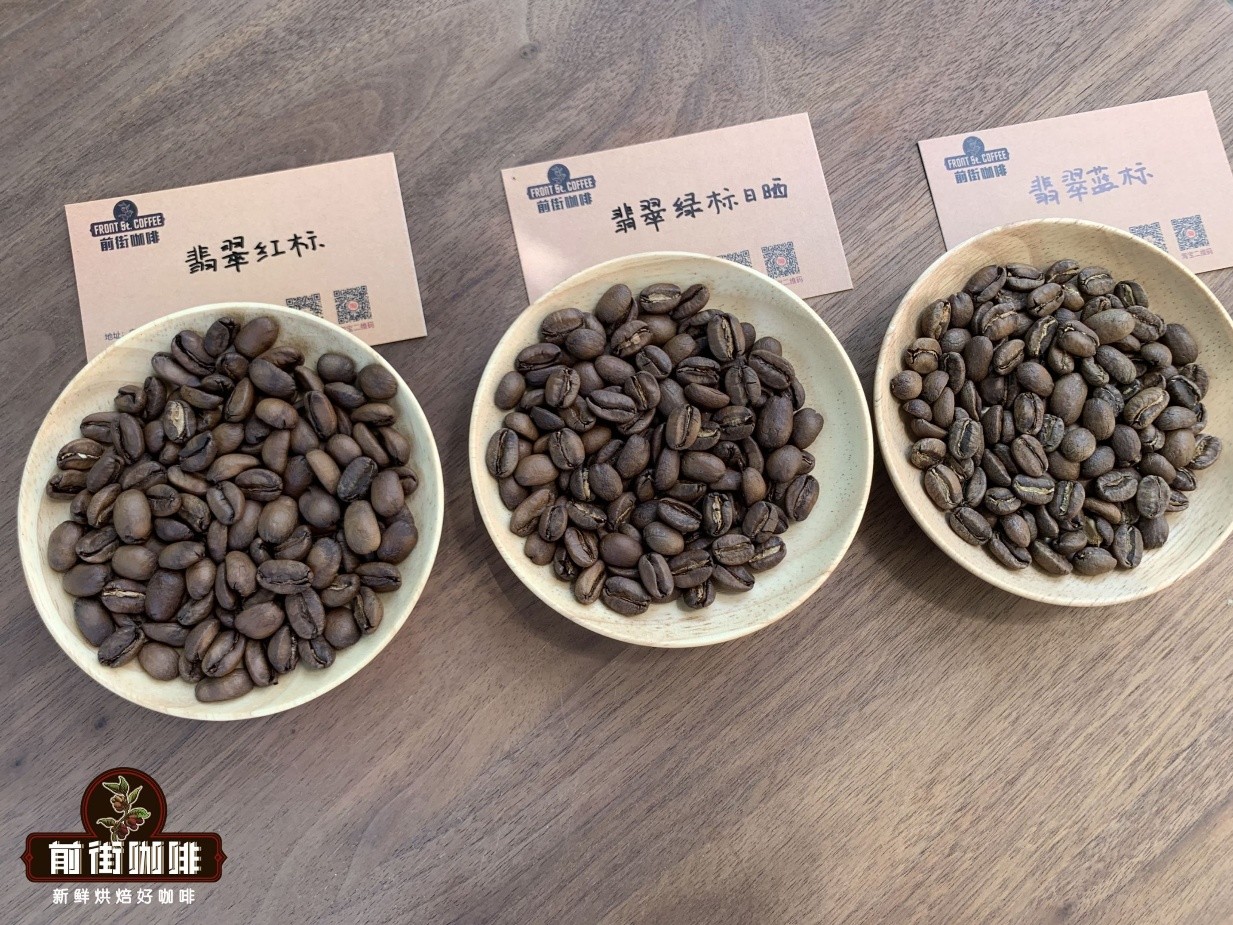
The estate’s grading system is strictly defined: the competition-grade Red Label (Esmeralda Special) includes not only auction lots but also non-auction high-altitude micro-lots (altitude 1,600–1,800 m, cupping score ≥91), each batch labeled with traceability information such as plot, altitude, and harvest date.A recently acquired Canas Verdes cane sugar lot — sun-dried Red Label — uses a slow 25-day drying process to enhance jasmine and cranberry aroma notes.. The collector-grade Green Label (Private Collection) is a blend of Geisha from Jaramillo, Canas Verdes, and El Velo lots, all within the same altitude range but showcasing lot-specific characteristics — the Jaramillo Green Label emphasizes jasmine and rose notes, Canas Verdes highlights tropical fruits, and El Velo carries lemongrass undertones. The volcanic rock Blue Label (formerly Geisha 1500) blends beans from all three lots at altitudes of 1,400–1,500 m, with sun-dried batches added since 2021:The washed version offers the clarity of oolong tea paired with sugarcane sweetness, while the sun-dried version adds tropical fruit fermentation wine notes..
Processing method differences directly shape the flavor profile of Geisha: Washed processing, which removes the pulp via fermentation, imparts clean acidity and citrus-honey tonalities, making it ideal for those who prefer a crisp taste. Sun-dried processing retains some pulp during drying, enhancing berry sweetness and a fuller body, with complexity reminiscent of red wine even more pronounced. Practical tests show that the washed Green Label enters the palate with dominant jasmine floral notes, paired with citrus and honeydew juice-like sensations, while the aftertaste continuously reveals orange peel aromas. The sun-dried Red Label, on the other hand, showcases a rich fruit medley of rose and apricot, with honey sweetness running throughout and greater overall layering complexity.
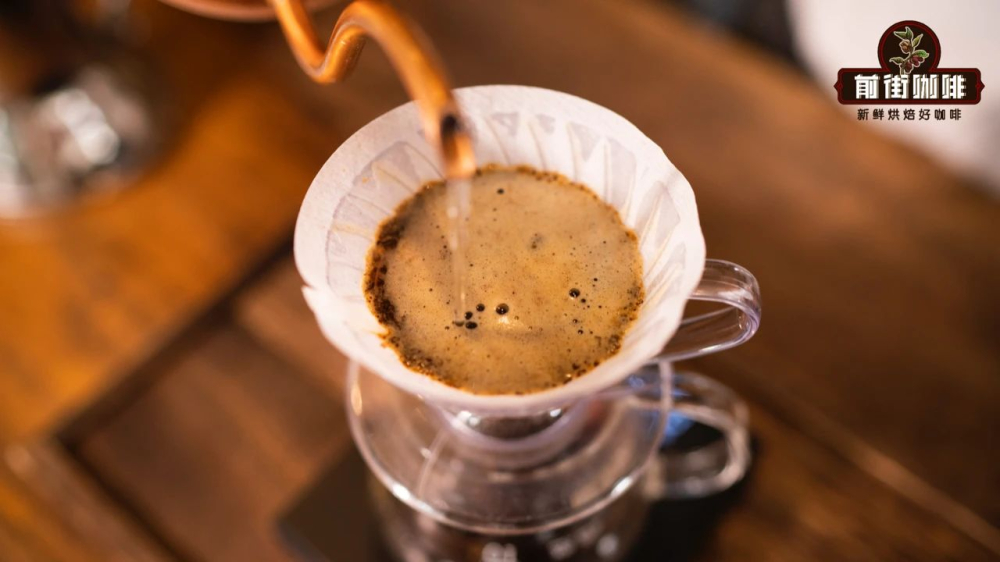
For the Red Label sun-dried Geisha (Jaramillo lot, 1,700 m), recommended roasting parameters are: 150°C charge temperature, adjust the air vent to 4 at the 1’36” turning point, reduce heat to 100 once the bean surface turns yellow at 147.6°C, initiate first cracks (8’10”) at 7’38” when spotting appears, and drop the beans at 189.5°C after 1’28” of development. For V60 pour over, suggest a water temperature of 91–93°C and a brew ratio of 1:15. First, bloom with 30g for 30 seconds, then pour in 125g (at 1’) and 100g (at 1’40”), with a total extraction time of 2’03”.The sun-dried version presents a complex layering of rose, citrus, berries, and honey, with prominent juiciness..
For the Green Label washed Geisha (1,600–1,800 m), the roasting curve is adjusted to 160°C charge temperature, 3.5 air vent at the 1’28” turning point, reduce heat to 90 once the bean surface yellows at 153.3°C, adjust the air vent to 4 at 6’54” before first crack, and drop at 192.5°C after 1’20” of development post-first crack. With the same pour over method,the washed version showcases jasmine as the leading note, paired with lemon, berries, and an elegant oolong tea-like finish.. Both are recommended to use fine sugar grind (20-mesh sieve with 78% passing rate), and the V60 filter’s spiral ribs help improve extraction evenness.

The above content is compiled by CoffeeHunters, a coffee news website.


