








Introduction:SOE (Single Origin Espresso) has become a popular choice in specialty coffee shops in recent years, but do you really understand the difference between it and blended beans? This article delves into the definition and flavor characteristics of SOE, explores whether common origins like Brazil are suitable for making single-origin espresso, and also provides practical steps for making a Dirty coffee along with professional extraction parameters to help you grow from a beginner into a coffee enthusiast who can discern bean variety characteristics.
Walking into a modern coffee shop, you’ll often hear “Would you like to try our SOE?” when ordering. This abbreviation stands for Single Origin Espresso — an espresso made with coffee beans from a single origin. Unlike common blended beans, SOE emphasizes terroir characteristics, with each type of bean able to showcase unique fruit acidity, floral notes, or sweetness. From hot lattes to iced Dirty coffees, the versatility of SOE is actually beyond imagination.
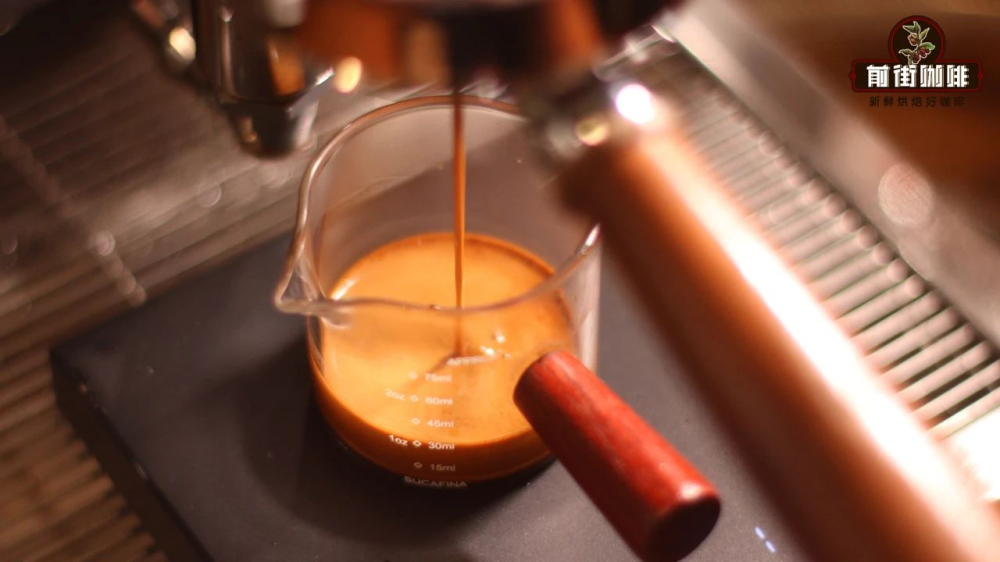
The so-called SOE refers to using coffee beans from the same country or even a single farm to make espresso. For example, a latte made with beans from Brazil’s Queen Farm can be called a “Brazilian SOE Latte,” while a Dirty made with natural-process Hua Kui beans is a “Hua Kui SOE Dirty.” This naming method intuitively conveys the origin of the beans, making it easier for consumers to understand the flavor profile.It’s worth noting that the per-cup price of SOE is usually 15–30% higher than that of blended beans, reflecting the differences in bean selection and roasting precision.
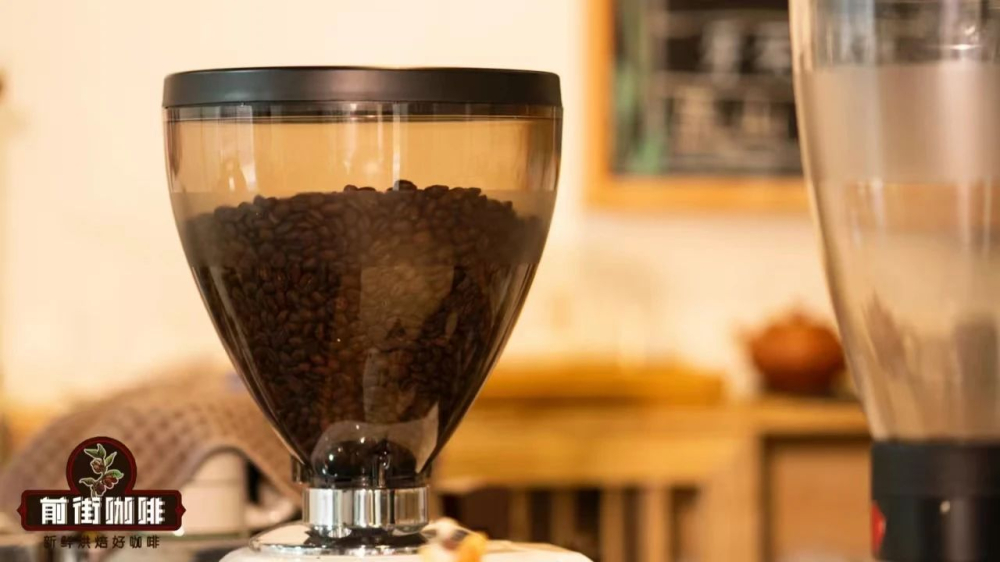
Why is it necessary to specifically distinguish between SOE and blended beans? The key lies in their intended use. Traditional espresso blends often use beans from stable origins like Brazil and Vietnam, combining beans from different regions to achieve a balanced bitterness and sweetness, suitable for mass production with controllable costs. In contrast, SOE originates from the specialty coffee movement, aiming to highlight the unique flavors of specific regions, such as the blueberry notes of Ethiopian beans or the citrus aroma of Colombian beans.Blended beans are usually roasted to medium-dark levels to ensure stable performance, while SOE can be adjusted according to regional characteristics, with application flexibility ranging from medium-light to medium-dark roasts.
Is Brazilian coffee really suitable for making SOE? The answer is yes, but attention must be paid to processing methods and roasting strategies. The Brazilian producing region is known for its low acidity and full body, and when processed through natural or honey methods, it can showcase pronounced caramel, nutty, and chocolatey tones. It is recommended to use a medium-dark roast (around Agtron 45–55), which can highlight its sweetness and low acidity during extraction.When making a Dirty coffee with Brazilian SOE, cold fresh milk can perfectly balance the intensity of the espresso, creating a layered contrast of hot on top and ice below.
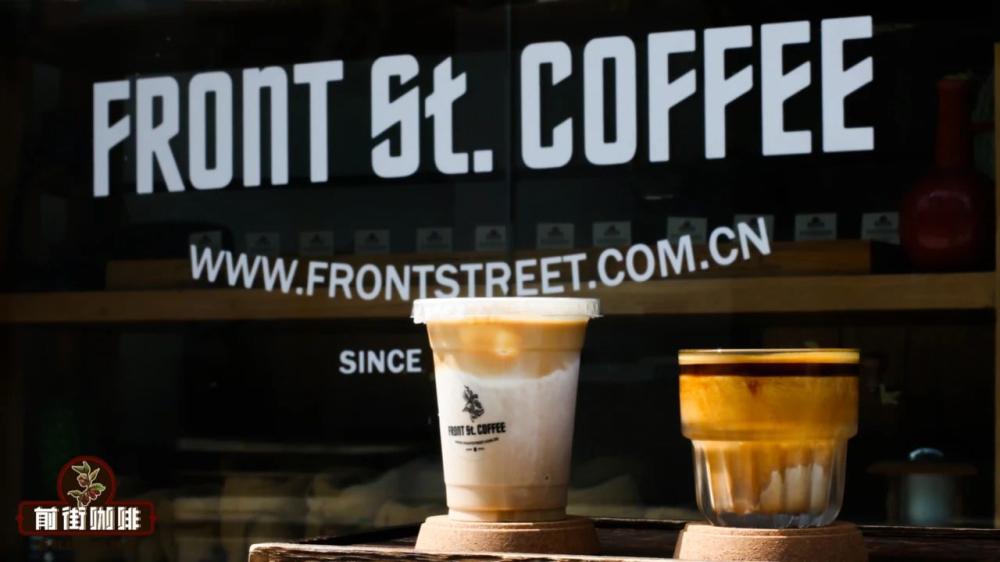
To determine if SOE suits your taste, you can start with your flavor preferences. Drinkers who enjoy bright acidity and floral notes may want to try Ethiopian Yirgacheffe-series SOEs (such as those from the Hua Kui or Red Cherry regions), whose citrus and blueberry profiles are particularly vibrant in hot drinks; those who prefer a fuller body might opt for medium-dark roasted SOEs from Sumatra Mandheling or Brazil’s Cerrado region, delivering chocolatey and spicy aftertastes.Beginners are advised to start with medium-roasted SOEs, which are easier to manage in terms of extraction balance.
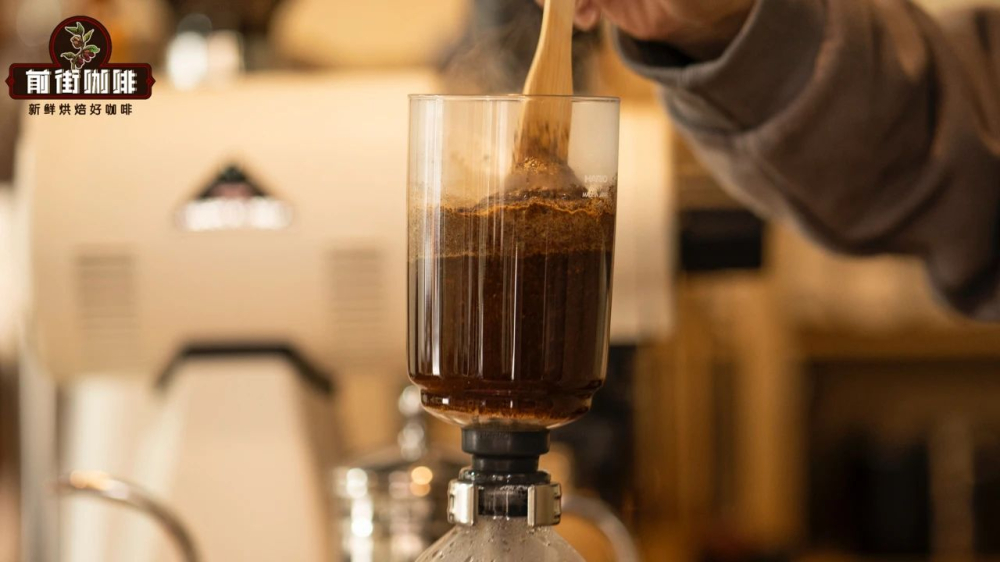
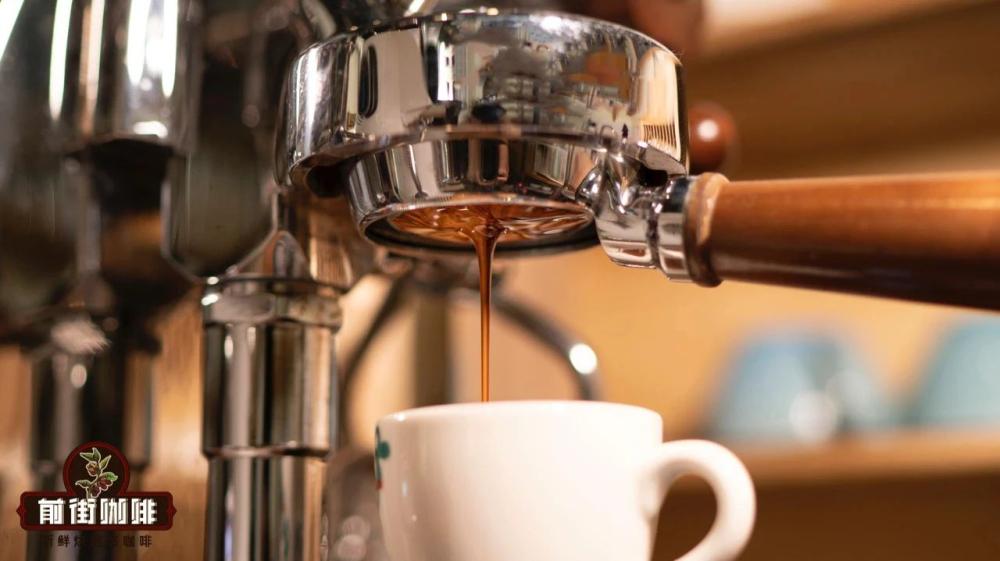
Example of professional-grade SOE espresso extraction parameters (using a double basket): Use 20 grams of freshly roasted coffee beans (recommended for use within 5–14 days post-roast), aiming to extract 40 grams of coffee liquid, with a 1:2 brew ratio. Grind size should be set to medium-fine (e.g., around setting 2.0 on a Galileo grinder), with total extraction time controlled between 26–33 seconds. Key details include: the pre-infusion stage uses gentle water flow to wet the coffee puck, ensuring even blooming; the main extraction phase maintains steady water flow to avoid channeling that could lead to uneven over-extraction.
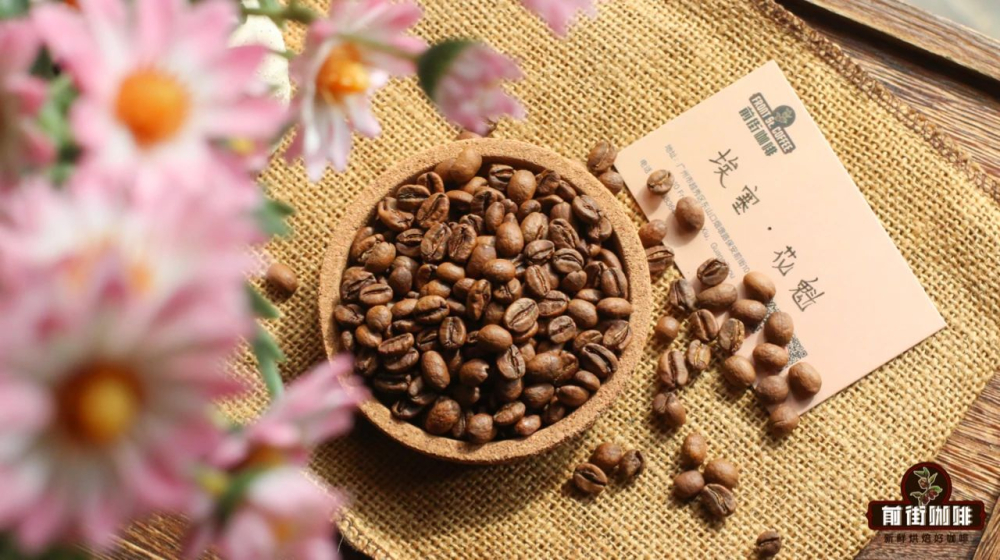
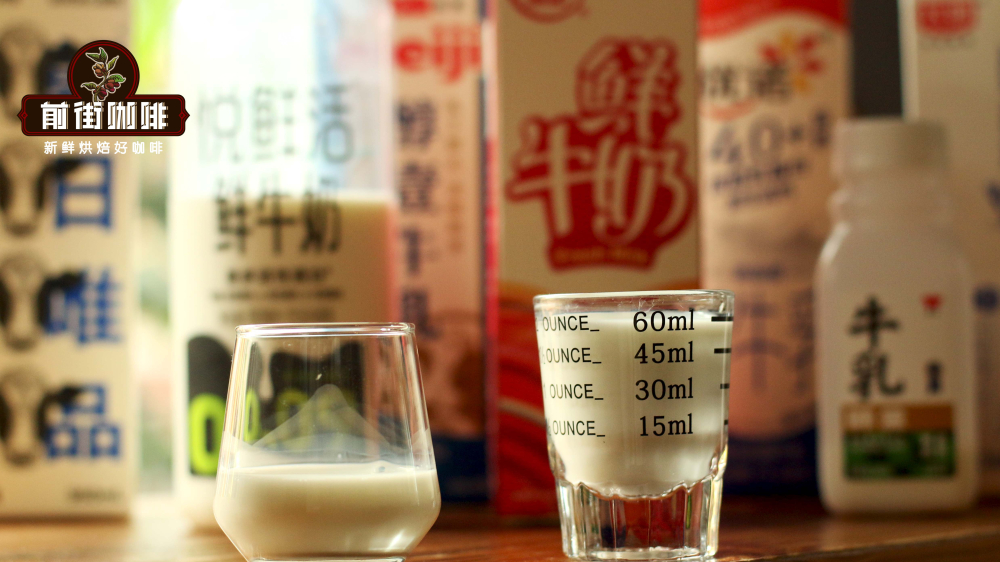
Hands-on tutorial: Steps for making a Brazilian SOE Dirty coffee. Prepare a 200 ml clear glass cup, first pour in 160 ml of cold fresh milk (recommended fat content above 3.5%). Using a commercial coffee machine (e.g., Lelit Bianca, max pressure 11 bar) or a home machine (must reach 9 bar or higher), fill the basket with 20 grams of Brazilian Cerrado coffee beans, tamping to about 30 pounds of pressure. First release a small amount of hot water (about 30 ml) for pre-infusion, then fully extract 40 grams of espresso, with time controlled between 28–33 seconds. Finally, pour the espresso directly over the ice milk, using the temperature difference to create a visual and flavor double contrast.
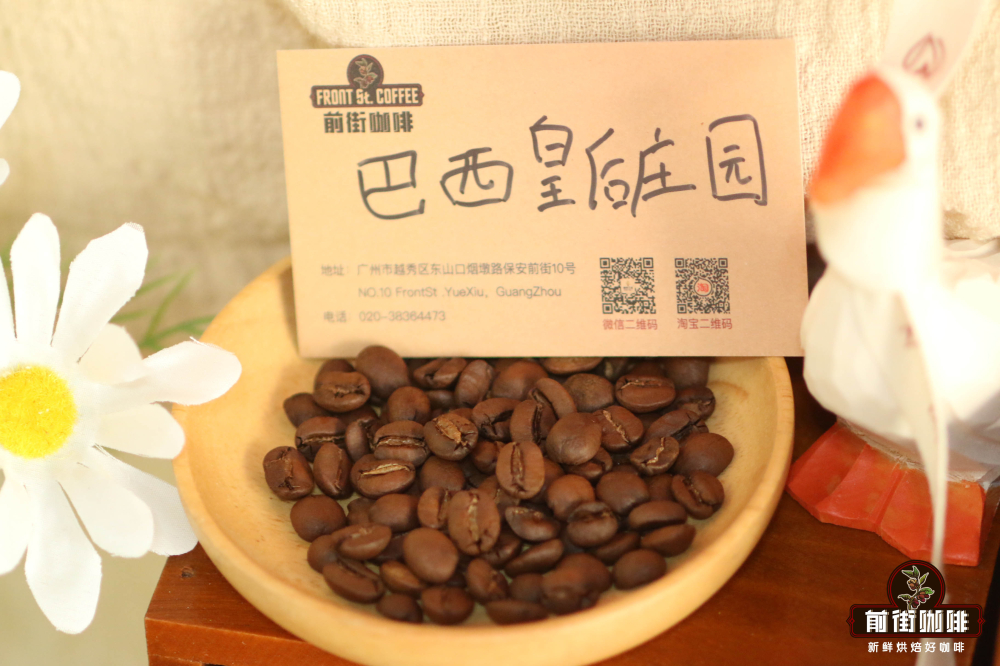
Flavor profile of the final product: A Brazilian SOE Dirty will present a distinct three-layer experience — the upper hot espresso carries caramelized nutty aromas, the middle layer of cold milk buffers the sweetness, and the bottom retains the coffee’s full body. Common mistakes include: milk temperature being too high causing curdling (should stay below 4°C), extraction time being too short leading to sourness (check if grind is too coarse), and insufficient coffee dose affecting espresso concentration (recommended to fill a double basket with 18–20 grams).
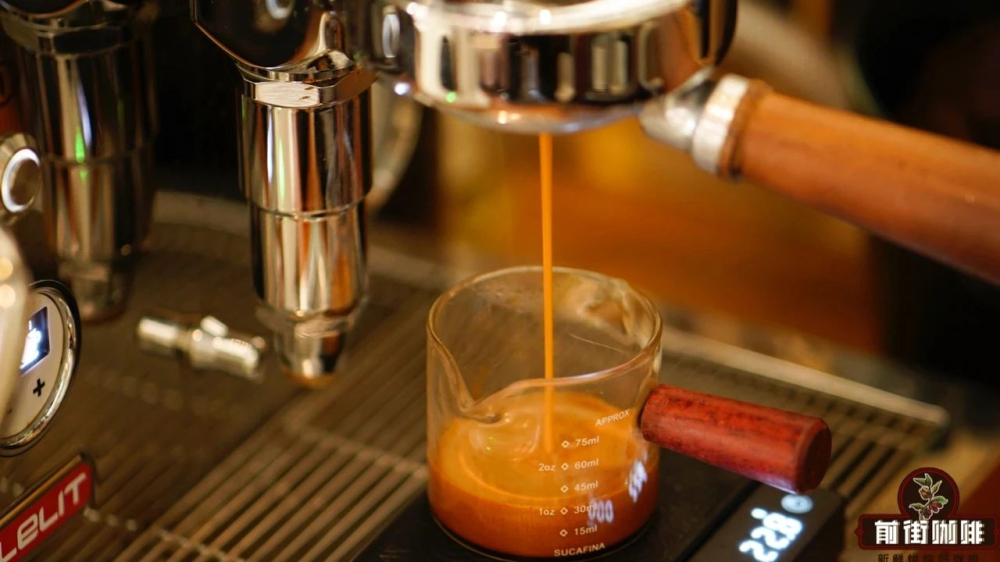
Extended application tips: If you want to enhance the flavor expression of SOE, you can try adjusting the brew ratio. For example, changing the ratio to 1:1.8 (20 grams of coffee for 36 grams of liquid) for a more concentrated taste, or extending extraction to 35 seconds to bring out more sweetness. Different processing methods of SOE also have special characteristics — natural beans are suitable for hot drinks to highlight fruity notes, while washed beans better present clean acidity in cold drinks.Remember to recalibrate grind size and extraction time every time you switch to a new batch of beans.
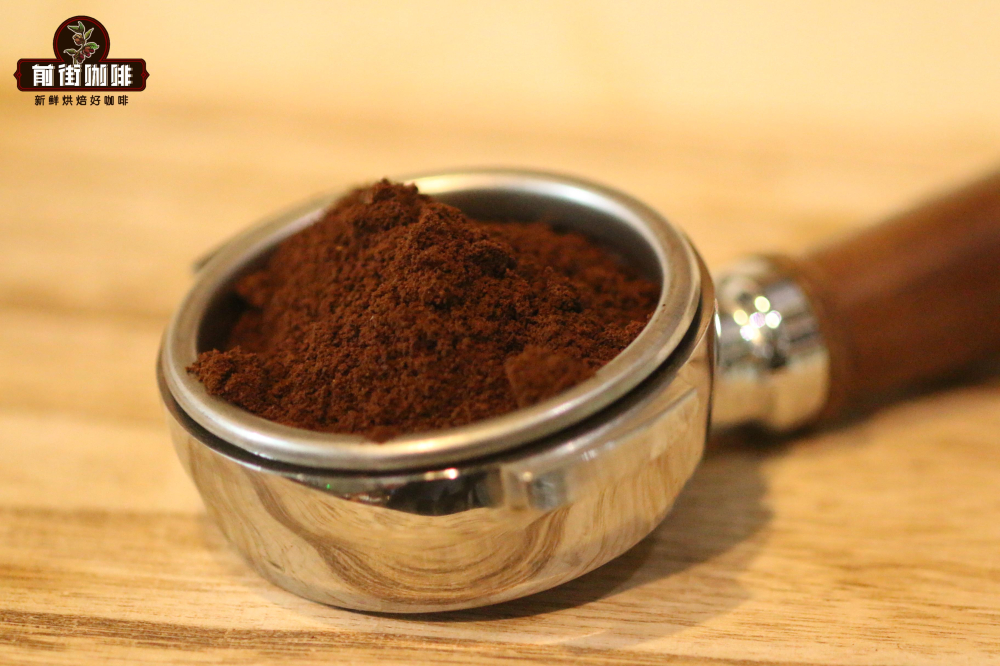
Image references: The original text reserves 12 illustration slots (to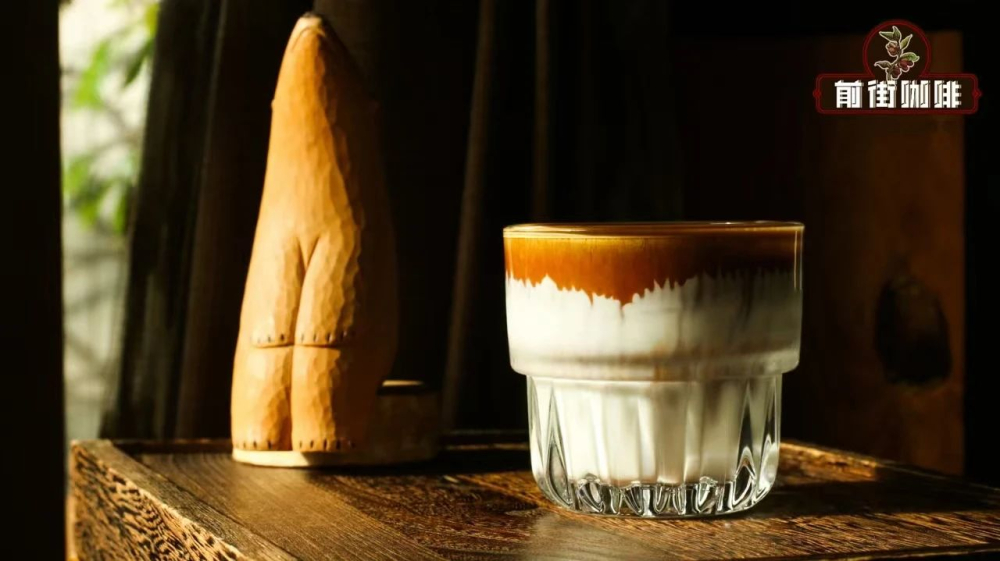 ), corresponding to key steps and bean variety showcases in each section. In actual application, it is recommended to pair with photos of regional bean samples, close-ups of extraction equipment, and flavor wheel aids to help readers more intuitively understand the diverse possibilities of SOE.
The above content is compiled by CoffeeHunters, a coffee news website.


