








Introduction:What do the common G1 and G2 grade labels on Yirgacheffe coffee beans represent in terms of quality differences? This article delves into the grading system of Ethiopian coffee, exploring everything from the origins of its thousands of native varieties to how defect rates, the ECX and SCAA cupping standards determine G1 to G3 grades. It also covers the altitude characteristics of the Yirgacheffe growing region and the flavor variations among micro-regions, along with an analysis of how washed and natural processing methods influence flavor — helping you choose the Yirgacheffe coffee that suits you best.
If you often purchase Ethiopian Yirgacheffe coffee beans, you’ve likely noticed the G1 and G2 grades marked on the packaging. These numbers actually reflect the quality and processing precision of the beans. But to truly understand their meaning, we need to start with the diversity of Ethiopian coffee and its grading system.
Ethiopia is considered the birthplace of coffee and is home to over ten thousand coffee varieties that have not yet been fully identified. Most of these varieties are long-cultivated “heirloom” types, commonly referred to as Heirloom native varieties. The term originates from the English word "Heirloom," meaning treasured family heirlooms — a fitting description for these historically rich and regionally distinctive coffee varieties. However, due to the overwhelming number of varieties and the fact that most have not undergone complete genetic identification, commercially available Ethiopian coffee beans are typically labeled simply as “local native varieties.”
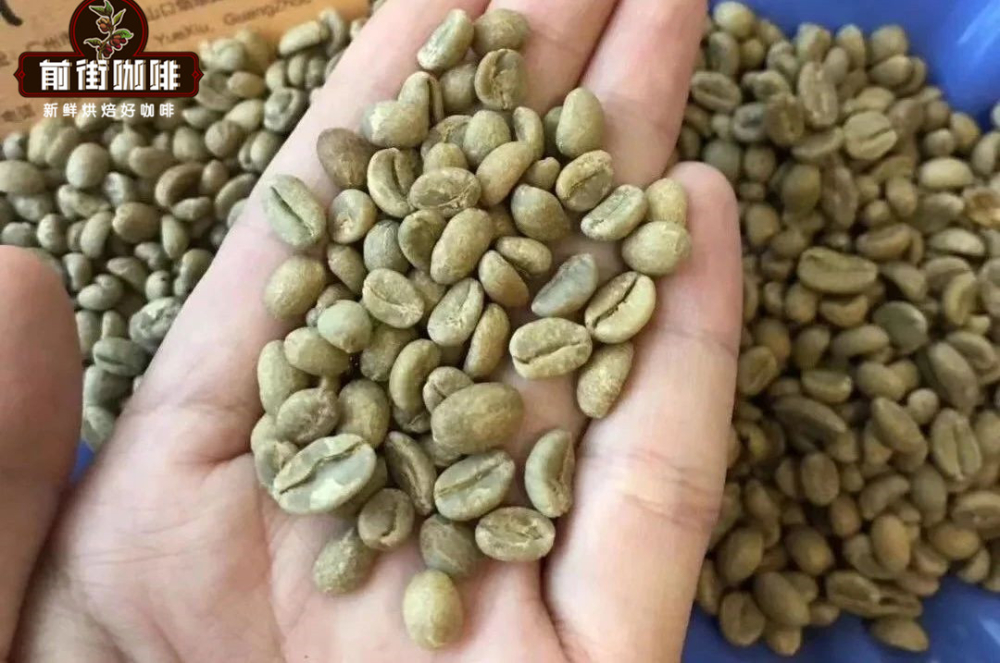
Due to the diversity of varieties and their varying sizes, Ethiopian coffee beans are primarily graded based on defect rates. Before the establishment of the Ethiopian Commodity Exchange (ECX), the CLU department under the country’s Ministry of Agriculture was the main grading authority. At that time, grading was determined by counting the number of defective beans in 300 grams of green coffee. Washed beans were usually classified as G1 or G2, while naturally processed beans, due to less mature processing techniques at the time and higher defect rates, mostly fell into G3 to G5 grades. However, with advancements in natural processing methods, many natural Yirgacheffe beans today can also meet the high standards of G1 to G2.
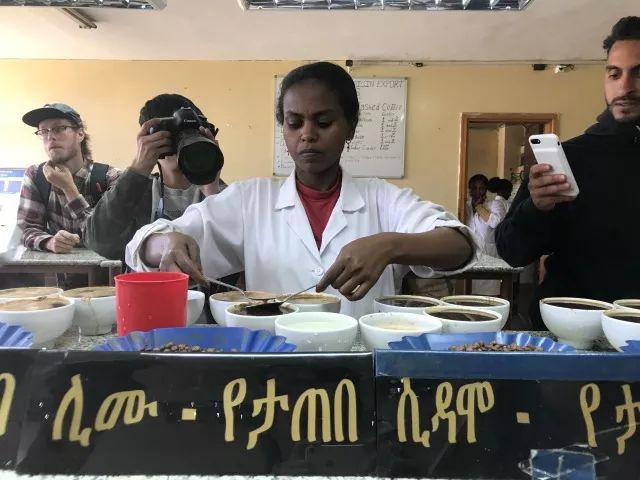
After the ECX was established, a more systematic scoring mechanism was introduced. Coffee is evaluated based on physical characteristics (40%) and cupping flavor (60%), divided into nine grades in total. Physical characteristics include defect count, bean appearance size, color, and aroma (with slight differences between washed and non-washed categories). For example, the physical scoring of washed beans places particular emphasis on defect count and bean size, whereas non-washed beans focus more on aroma performance. Ultimately, based on cupping scores, G1 to G3 are further subdivided: those scoring above 85 points are classified as Q1 specialty grade; 80 to 85 points as Q2 specialty grade; and below 80 points as general commercial grade (which may still be G1 to G3, but the flavor performance does not meet specialty standards).
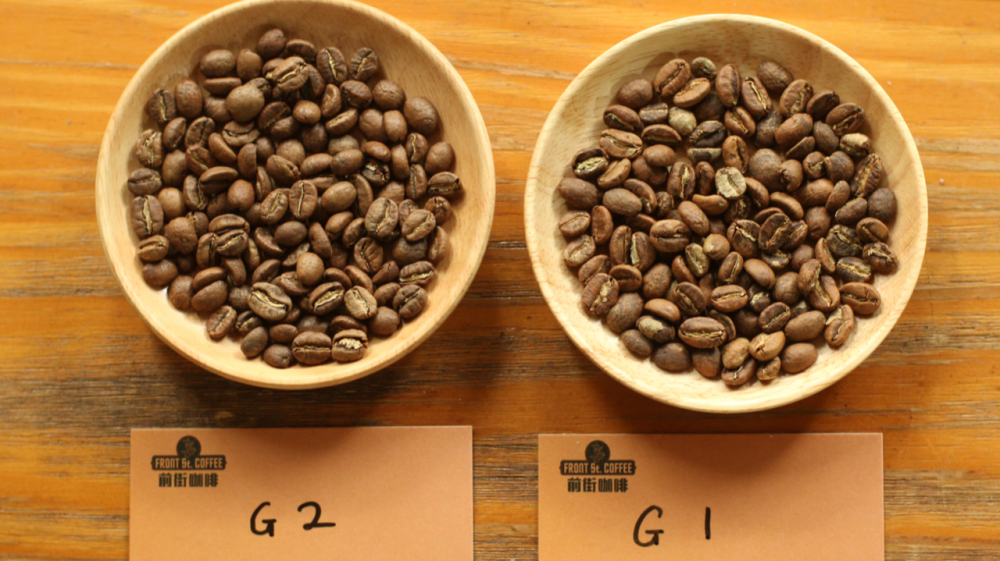
In short, G1 and G2 usually represent high-grade coffee beans with minimal defects and outstanding flavors, while G3 and below may have slightly more defects or less impressive flavor profiles, often falling into commercial-grade categories. All Yirgacheffe coffee beans sold here are G1 grade, ensuring that every bean showcases the purest flavor potential of this growing region.
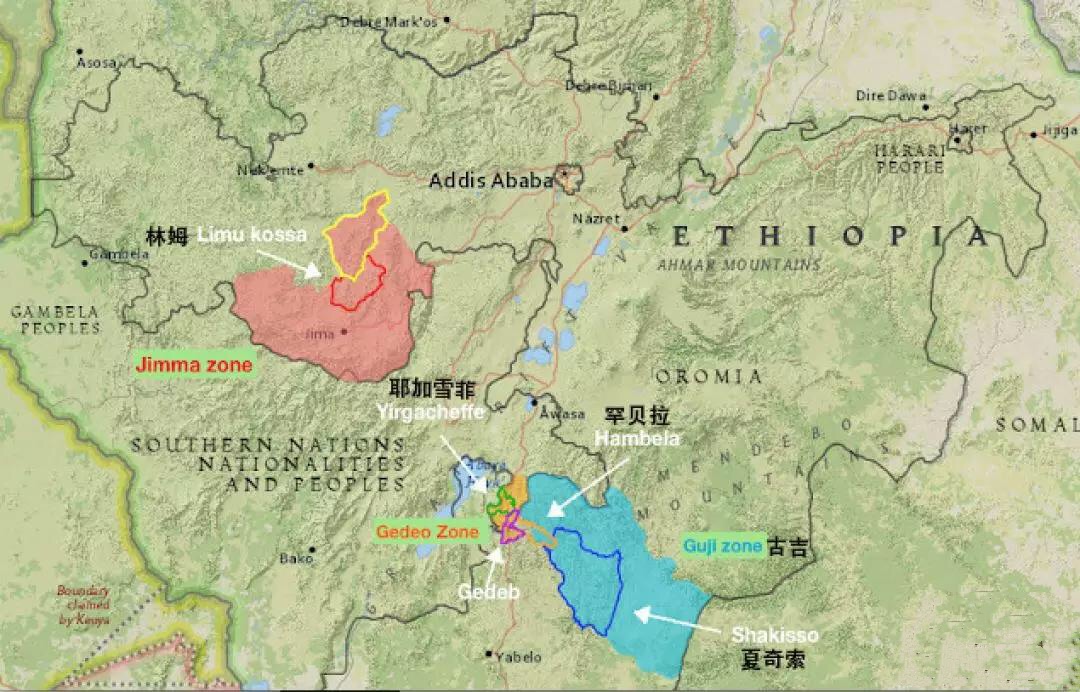
As one of Ethiopia’s most representative coffee-growing regions, Yirgacheffe was once part of Sidamo but gained distinction for its unique citrus and lemon-toned flavor profiles and was subsequently designated as a separate region. Located at an altitude of about 2,000 meters, it is one of Ethiopia’s highest-altitude coffee-growing areas. High-altitude cultivation allows coffee cherries to ripen slowly, accumulating richer flavor compounds. Currently, Yirgacheffe has over 40 cooperatives, mostly family-run, and is subdivided into several well-known micro-regions such as Kochere, Guji, Gedeb, etc. Each micro-region, due to differences in microclimate, soil, and processing methods, presents distinctly unique flavor characteristics.
Taking actual products as examples: the Natural Red Cherry is a naturally processed coffee from Yirgacheffe, grown at an altitude of about 2,300 meters, with a local native variety. Its flavor profile is dominated by berries, lemon, strawberry, and fermented wine notes, making it ideal for coffee lovers who enjoy intense fruitiness with a hint of wine-like complexity. The Washed Fruit Ding Ding is washed-processed, sourced from Yirgacheffe at altitudes between 1,900 and 2,300 meters, showcasing a balanced flavor of tropical fruits, cream, honey, and citrus — particularly suited for those who prefer a clean and refreshing taste. As for the Washed Yirgacheffe Everyday Bean, also washed-processed and sourced from altitudes between 1,600 and 2,500 meters, it delivers classic floral, orange, berry, and caramel notes, making it an excellent entry point for exploring Yirgacheffe flavors.
Although these coffees all come from the Yirgacheffe region, subtle differences in microclimate, altitude, processing cooperatives, and techniques mean that even within the same G1 grade, each coffee can exhibit a uniquely distinct flavor profile. This is also why many coffee enthusiasts, when trying different batches of Yirgacheffe, often discover fresh and delightful surprises.
The above content is compiled by CoffeeHunters, a coffee news website.


