








Introduction:Catimor coffee beans are the main cultivated variety in Yunnan, combining disease resistance with adaptability to the local environment, yet they are often misunderstood as having a bland flavor. This article delves into the breeding origins of Catimor and its development background in Yunnan. Through V60 brewing tests using both washed and red cherry natural sun-dried processing methods, we analyze its flavor profile and suitable brewing parameters to help readers fully understand this everyday bean from an important Asian coffee-producing region.
Catimor is one of the most representative hybrid varieties in global coffee cultivation. Due to its Robusta lineage, it possesses outstanding disease resistance, but is therefore often considered to have relatively ordinary flavor performance. In fact, the creation of Catimor involves a multi-country breeding journey. In 1959, Portuguese breeders in East Timor crossed the Caturra (a mutation of Bourbon) introduced from Brazil with the Timor variety (which carries Robusta genes), successfully developing this new variety that combines high yield with disease resistance.
During the 1970s to 1990s, the world faced a severe threat from coffee leaf rust, causing significant yield reductions in traditional varieties across many coffee-growing regions due to their lack of resistance. Under the promotion of international organizations, Catimor quickly spread in Latin America and Asia thanks to its high resistance to leaf rust and stable yield. However, since Timor itself is a natural hybrid of Arabica and Robusta, Catimor inherited the basic structure of Arabica but also carried some of the coarse flavor characteristics unique to Robusta, such as more pronounced astringency and herbal notes.

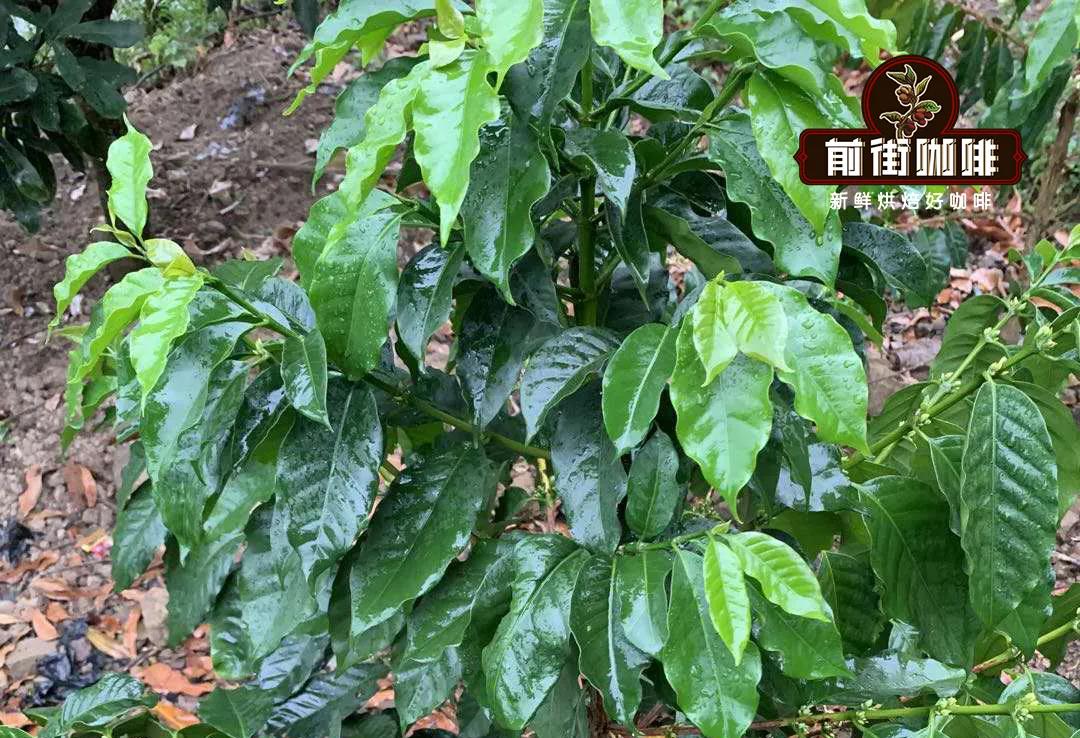
Focusing on Yunnan, China, since the 1990s, due to the threat of leaf rust and international market demand, the region began introducing the highly disease-resistant Catimor variety. Among them, Nestlé established a coffee agricultural department in 1992, encouraging local Yunnan coffee farmers to switch to this variety and supporting regional development with stable purchase prices. Today, Catimor and its improved varieties have become representative of Yunnan coffee, commonly known as "Yunnan small-grain coffee," accounting for the vast majority of the region’s base production.
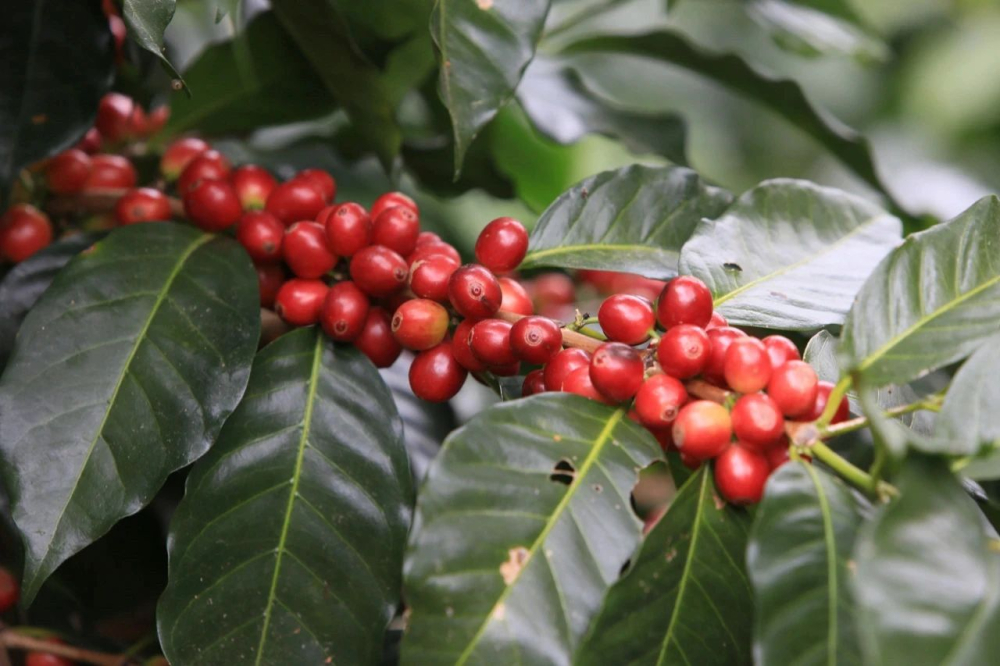
Yunnan small-grain coffee is a medium-to-short life cycle variety, typically entering a stable fruiting period around 3 to 4 years after planting. As a short-day crop, its flowering period is concentrated between February and July each year, particularly peaking from March to May. The flowering period is extremely short, usually lasting only 2 to 3 days, and is highly susceptible to rainfall and temperature fluctuations. Coffee cherries take about 8 to 10 months from flowering to maturity, mostly reaching harvest readiness between October and December of the same year. Therefore, local climatic conditions, especially rainfall and diurnal temperature variations, have a significant impact on the final fruit quality.
From a cultivation perspective, Catimor has clear advantages in yield and disease resistance, and can adapt to high altitudes and variable weather conditions. Compared to some traditional pure Arabica varieties, such as Typica or Bourbon, Catimor does not require strict shading and has lower management thresholds, making it a more economically viable option for farmers seeking stable returns. However, due to its approximately 25% Robusta genetic makeup, it is more challenging to express delicate fruity aromas and acidity, often presenting as mid-to-low toned notes of chocolate, nuts, and subtle caramel undertones.
To more intuitively demonstrate the flavor potential of Catimor under different processing methods, we used two Catimor coffee beans from Yunnan’s Baoshan growing region, processed via washed and red cherry natural sun-dried methods respectively, and conducted pour over tests using the Hario V60 dripper. The V60 dripper, with its unique curved ribs and fast flow rate, highlights the layers and clarity of coffee, making it an ideal tool for exploring flavor details.
The washed sample comes from the Baoshan area, grown at an altitude of about 1200 meters, and uses traditional washed fermentation to remove the mucilage, resulting in a clean and refreshing base. Brewing parameters were set as follows: Ek43 grinder setting at 10 (approximately 80% passing rate through a #20 sieve), water temperature at 91°C, and a coffee-to-water ratio of 1:15. The brew started with a 30-second bloom using 30 grams of water, followed by pouring up to 125 grams and then pausing until the water level dropped, before continuing to 227 grams. Total extraction time was about 1 minute and 42 seconds. This brewing method enhances the balanced acidity and sweetness in the mid-palate, highlighting clear notes of citrus, cucumber, and cream.
Upon actual tasting, this washed Catimor reveals aromas of melon, cucumber, cream, citrus, chocolate, almonds, sweet orange, and subtle black tea, with a lingering finish featuring a sweet melon-like sensation and lively acidity reminiscent of passionfruit. The overall profile is well-layered with a refreshing aftertaste, making it suitable for drinkers who prefer bright acidity and clear structure.
The other red cherry natural sun-dried sample comes from the Ludianba area of Baoshan, grown at an even higher altitude of 1450 to 1550 meters. This processing method extends the fruit drying time, allowing sugars and fruit aromas to penetrate deeper into the seeds, resulting in a richer and fuller body. Brewed using the same V60 dripper and similar parameters, the sun-dried process yields a distinctly different flavor profile: notes of nuts, chocolate, spices, caramel, and red berries intertwine, with a round and full mouthfeel, noticeable sweetness, and a long-lasting finish, showcasing Catimor’s potential in delivering intense and concentrated flavors.
Overall, although Catimor is often regarded as having a more straightforward flavor due to its genetic background, it can still deliver a diverse sensory experience through different post-harvest processing methods and refined brewing techniques. The washed style emphasizes freshness and layering, appealing to those who favor fruity acidity and clear profiles; while the sun-dried process unlocks rich sweetness and a full-bodied taste, catering to black coffee enthusiasts seeking depth in flavor. Understanding these characteristics not only helps in selecting coffee that suits personal taste preferences but also allows for a deeper appreciation of the unique charm of this important coffee variety from an Asian growing region.
The above content is compiled by CoffeeHunters, a coffee news website.


