








Introduction:Understand the two major types of espresso—SOE and blended coffee beans—by exploring the differences in bean variety, roast level, and extraction ratio. Delve into how they vary in flavor and mouthfeel, and get practical extraction parameters and tips to help you master the essence of espresso more precisely.
Espresso is the cornerstone of modern coffee beverages. Whether it’s a latte, cappuccino, or Americano, none can be made without this rich coffee liquid extracted under high pressure and at high speed. Traditionally, most espressos use blended coffee beans—that is, a mix of beans from different regions—to achieve balanced and stable flavors. However, in recent years, Single Origin Espresso (SOE) has gradually emerged, becoming a focal point for coffee enthusiasts.
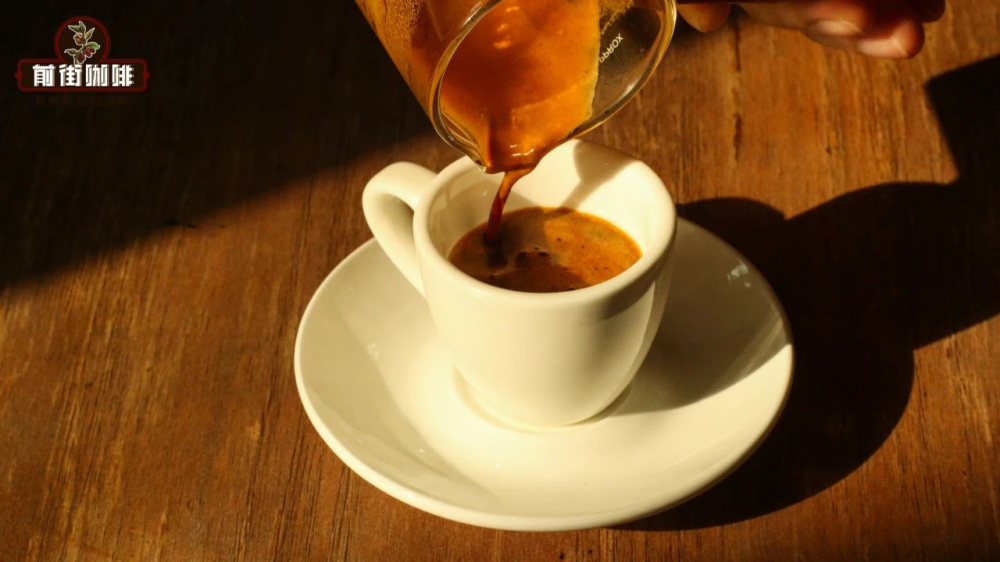
To make espresso, extremely fine-ground coffee is typically used, tamped into a compact “puck,” and then extracted under 9–10 bars of high pressure with water heated above 90°C. The process takes about 20 seconds to yield espresso at a 1:2 coffee-to-water ratio. Blended coffee emphasizes balanced and stable flavors and often uses medium to dark roasts, suiting the taste preferences of most people; whereas SOE comes from a single origin and is usually light to medium roasted, better showcasing the unique flavor characteristics of that region.
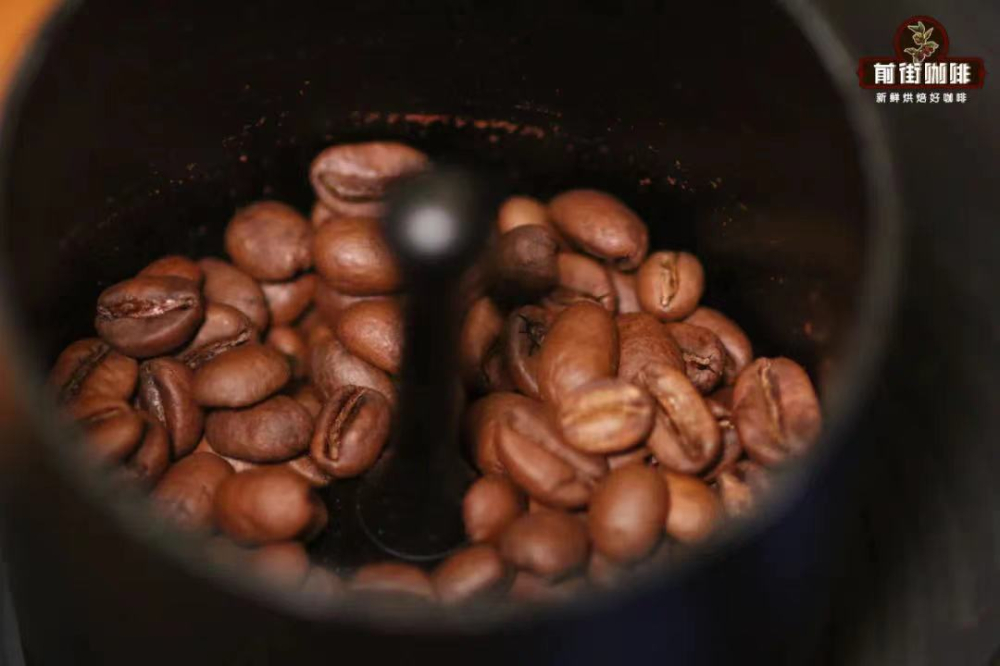
A common misconception is that SOE is always tastier than blended coffee. In reality, both have their pros and cons. Blended coffee, carefully formulated by skilled baristas, minimizes the instability of single-origin beans, resulting in a rich, sweet, and layered taste, especially suitable for milk-based coffees like lattes. On the other hand, SOE can highlight specific regional characteristics such as fruity, floral, or berry notes, with pronounced acidity and sweetness. But because it is generally light to medium roasted, improper extraction parameters can easily result in a thin or incomplete flavor profile.
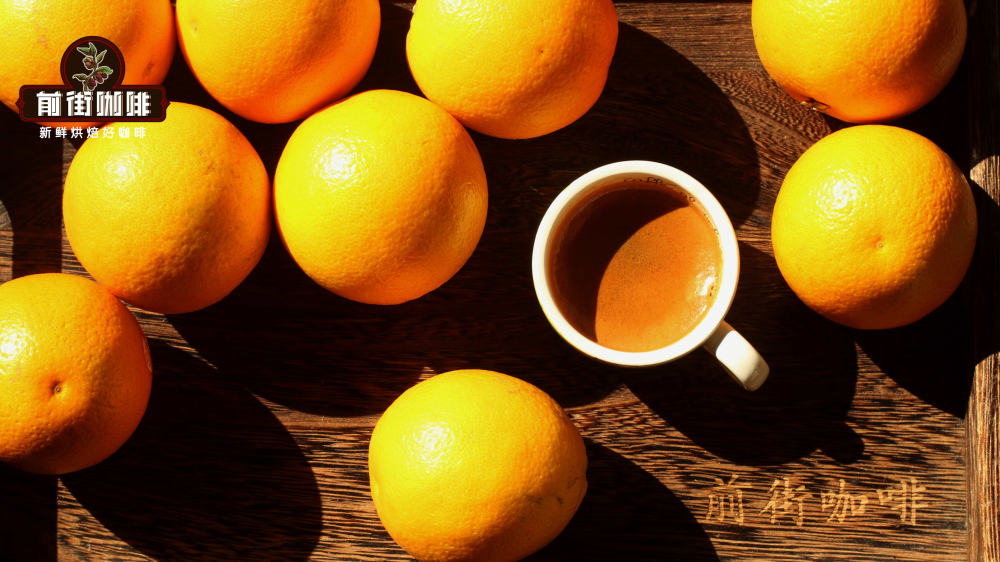
It’s important to note that SOE refers to espresso made from coffee beans of a single origin, not “a single component within a blend.” If someone claims their blend is made with SOE beans, that is actually a misunderstanding or misuse of the term. SOE is essentially an extension of the single-origin coffee concept applied to espresso production. It isn’t inherently higher quality just because the name sounds premium—the key lies in the bean’s processing, roasting, and extraction methods.
The rise of SOE is closely tied to the development of specialty coffee culture. Since 2007, more and more consumers have been willing to try seasonal, single-origin espressos rather than sticking to traditional, stable blends. This shift allows baristas to more freely showcase the potential of the beans themselves and gives consumers a chance to experience surprises brought by different origins and processing methods. In short, SOE makes espresso expression more diverse and seasonal, while also staying closer to the core spirit of specialty coffee.
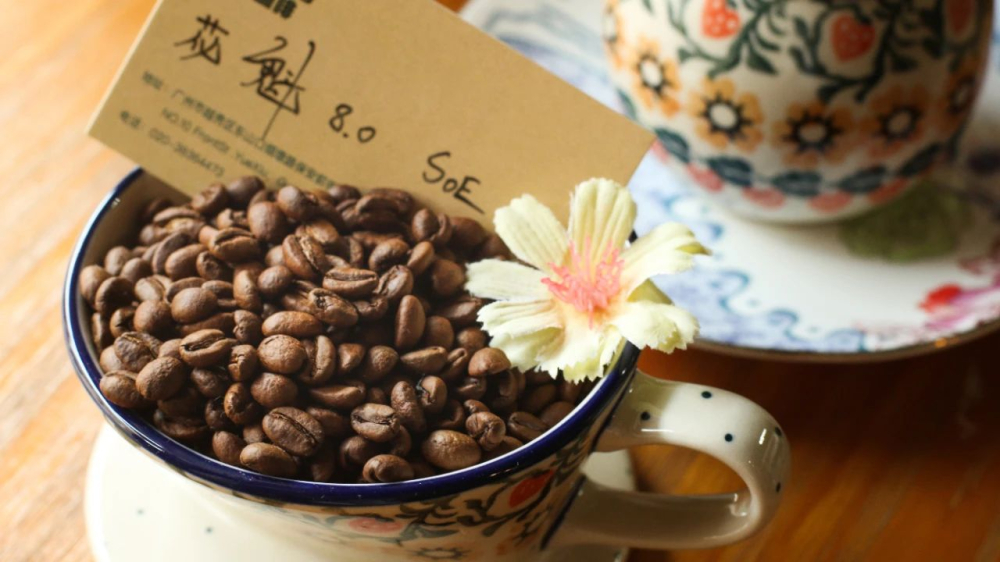
So, how do you brew a great cup of SOE espresso? Take, for example, a washed coffee from the Gedeb cooperative in Yirgacheffe, Ethiopia. This bean is of Ethiopian heirloom variety, grown at high altitudes of around 2,000 meters. The washed process preserves bright acidity and clear berry notes. Recommended extraction parameters are: use 20 grams of extremely fine-ground coffee, aiming to extract 40 grams of espresso, at a 1:2 coffee-to-water ratio, with an extraction time controlled between 25 and 30 seconds.
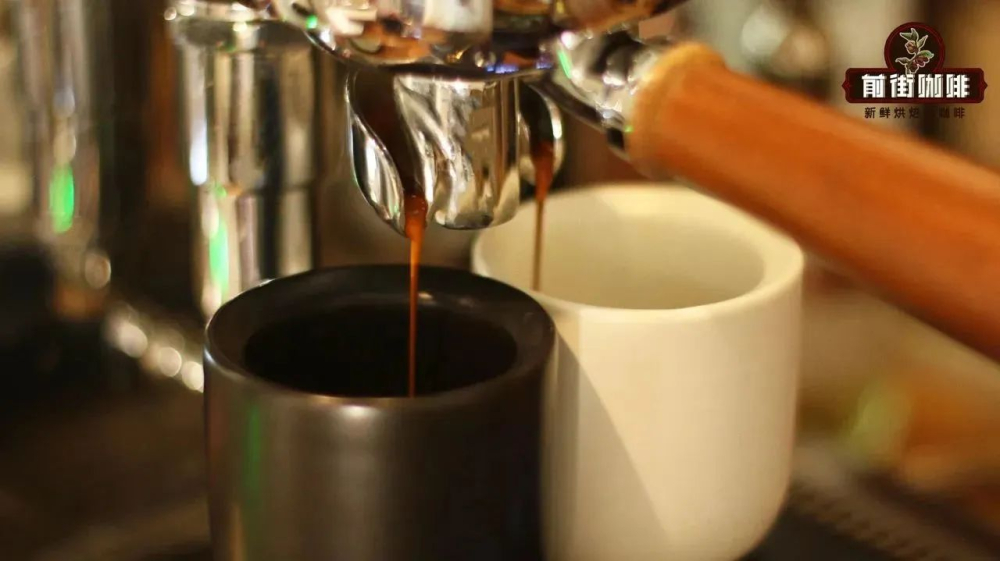
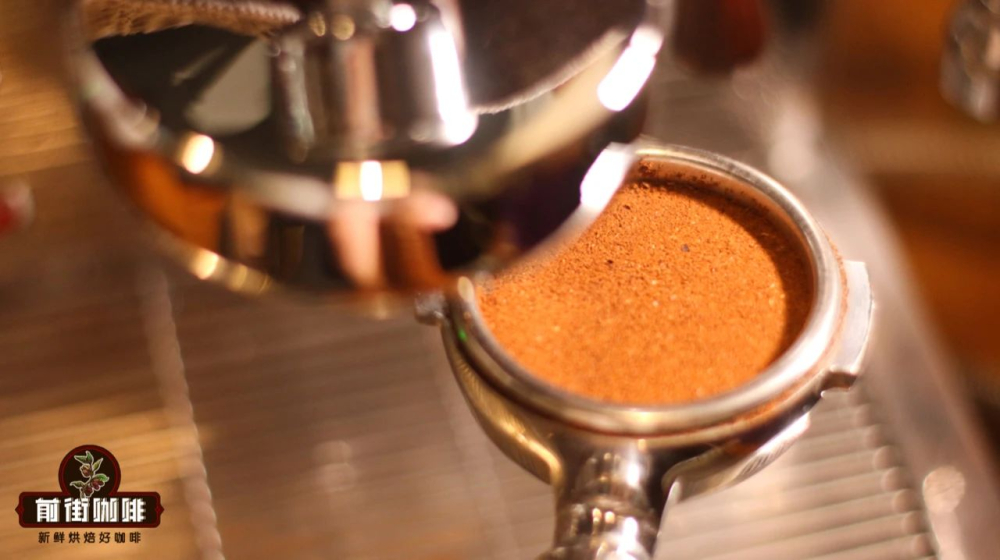
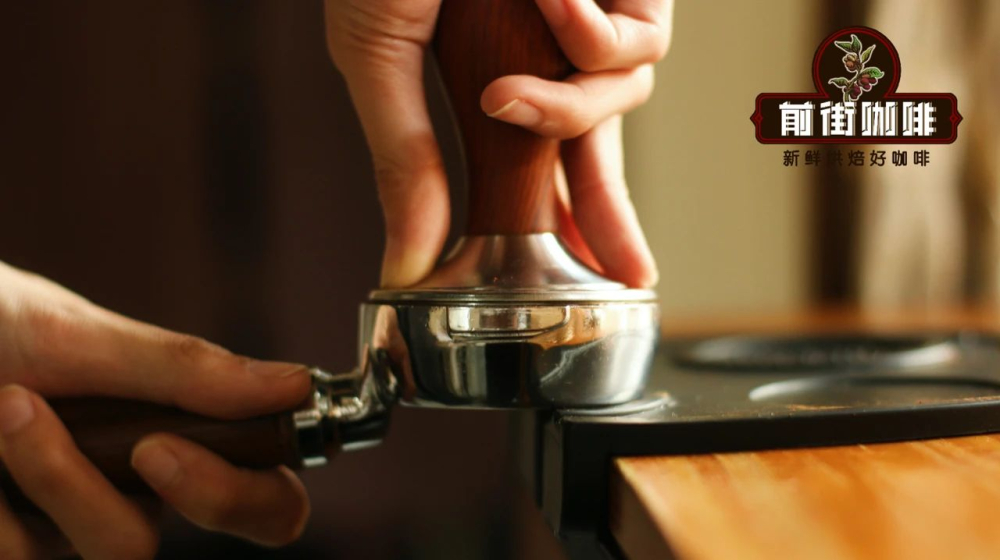
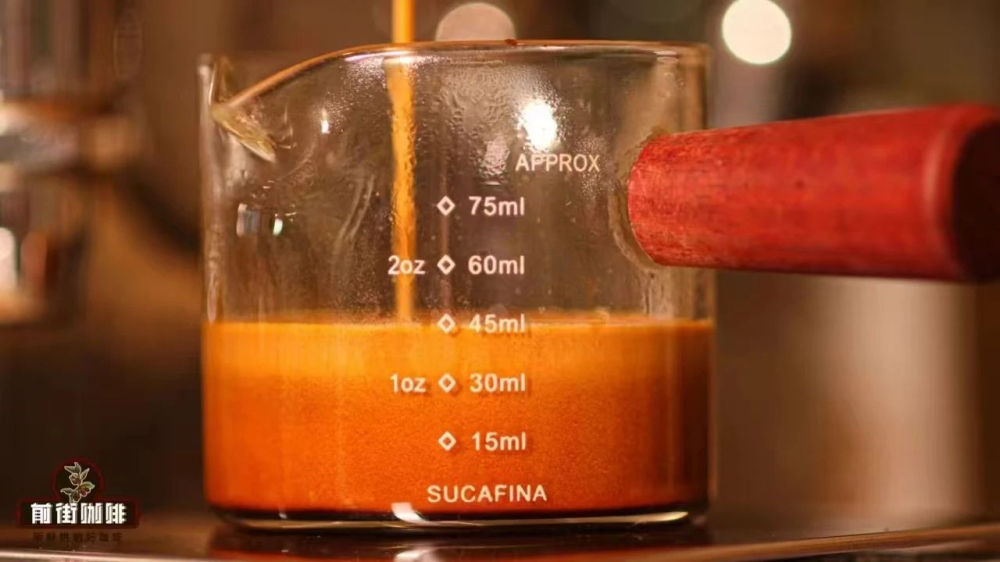
In practice, ensure your grinder is set correctly, using a grind size around 1.6 on the Galileo scale, and use a double-shot basket (approximately 20-gram capacity). First, distribute the coffee grounds evenly, then tamp vertically with a tamper to ensure the puck is compact and level—this is the foundation for stable flow rate. Next, start with 1 to 2 seconds of pre-infusion water to rinse residual coffee grounds and preheat the group head. Place the shot glass on the scale and tare it, then begin the official extraction. Observe the flow rate and weight; stop the extraction when you reach 40 grams and the time falls between 25–30 seconds.
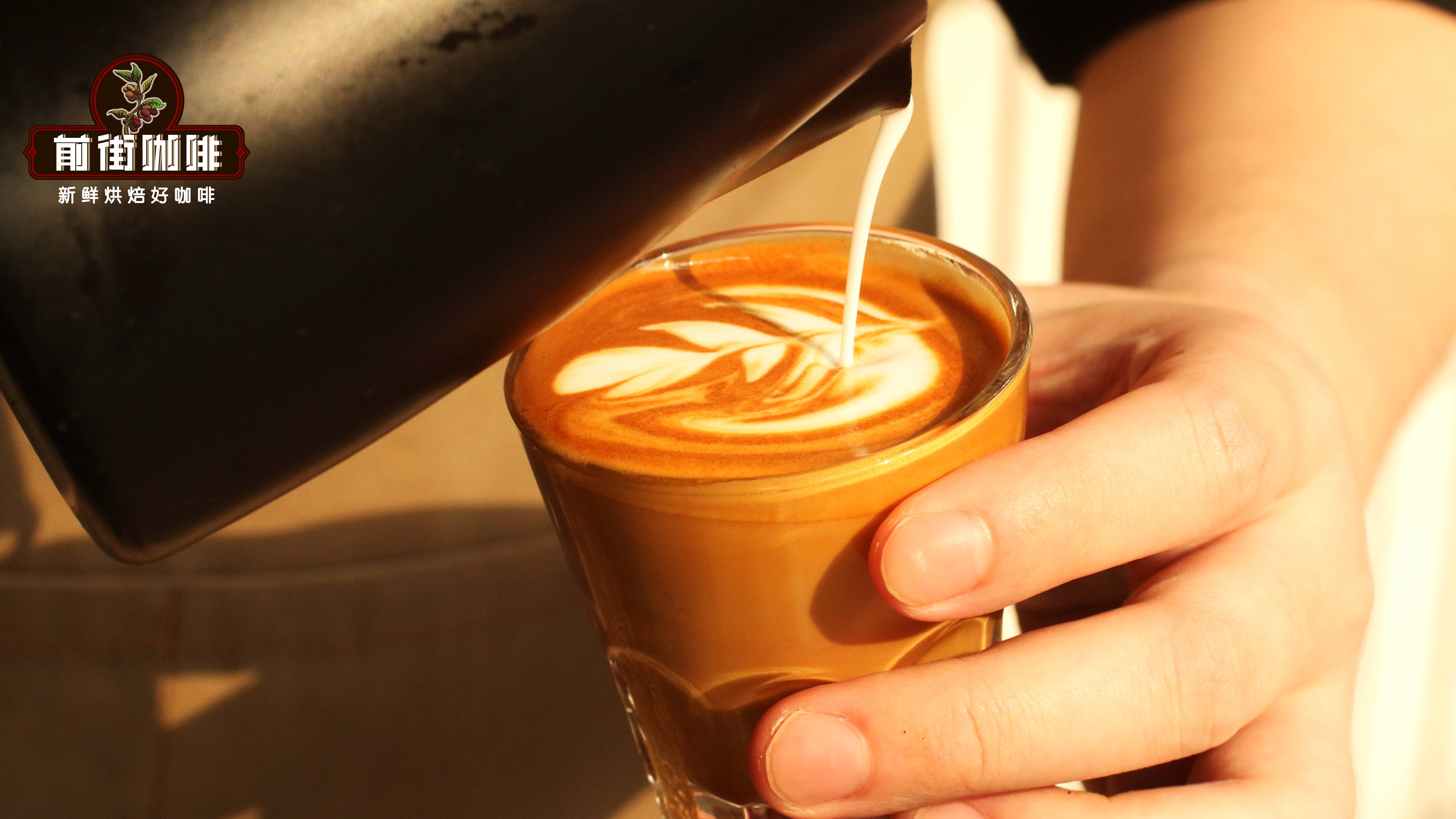
With these parameters, the Gedeb SOE espresso typically shows medium acidity, medium-low sweetness, and mild bitterness, with a thick mouthfeel and distinct berry juice-like flavors, accompanied by a soft tea-like note. The aftertaste is long and layered. This flavor profile is perfect for coffee lovers who enjoy fruity and fresh notes, and it can also provide a more distinctive base for milk-based coffees.
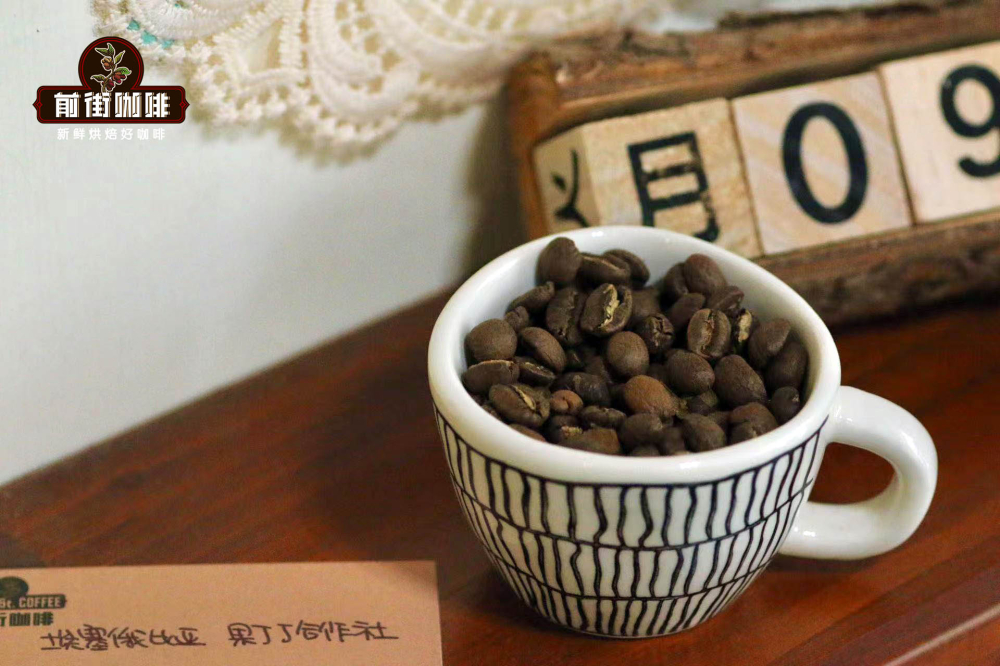
In summary, both SOE and blended coffee beans have their appropriate scenarios and flavor expressions. Blended coffee emphasizes stability and balance, suitable for the majority of palates and milk-based coffees; SOE showcases the uniqueness of a single origin, ideal for those who enjoy exploring layers of flavor. Regardless of which type you choose, mastering the correct extraction parameters, grind size, and timing are key to influencing the final flavor. Through continuous experimentation and adjustment, you too can find the perfect espresso that suits your taste.
The above content is compiled by CoffeeHunters, a coffee news website.


