








Introduction:Want to understand the unique flavors and brewing techniques of SOE (Single Origin Espresso)? This article delves into the differences between SOE and regular espresso blends or pour over beans, explains what it means to make espresso from single-origin beans of a specific region, and recommends several coffee beans that have both pour over and SOE potential. It also provides practical extraction suggestions for coffee-to-water ratio, time, and grind size, helping you brew balanced and rich SOE coffee at home.
The world of coffee is vibrant and diverse, not only in its preparation methods but also in the wide array of flavors and texture layers that can be revealed through different brewing techniques. Traditional espresso is typically dark roasted, resulting in a bold, full-bodied taste often accompanied by aromas of nuts and chocolate—ideal for coffee lovers who prefer a strong flavor profile.
However, in recent years, more and more coffee enthusiasts have begun to focus on SOE (Single Origin Espresso)—espresso made from single-origin, single-variety coffee beans. This brewing approach breaks away from the traditional norm of using espresso blends, allowing the terroir characteristics of a single origin to be fully expressed in the espresso.
The concept of SOE first gained attention in international competitions around 2007, and by 2010 it had matured. That year, a barista from London won the World Barista Championship (WBC) with an SOE coffee, sparking widespread discussion and interest. SOE not only showcases the unique personality of a single origin but can also present refreshing or fruity flavor notes distinct from traditional blends.
It’s common for people to confuse the differences between SOE, pour over beans, blends, and espresso beans. Simply put, in terms of brewing method, pour over coffee mostly uses drip extraction and is suited for medium to light roasted single-origin beans, while espresso is usually extracted under high pressure and often employs medium to dark roasted blends or SOE beans. Single-origin beans refer to beans from a single region, though not necessarily from a single variety; blends, on the other hand, are mixtures of beans from two or more regions or varieties, typically aiming for flavor balance, stability, or cost control.
So why are SOE coffee beans usually more expensive than regular blends? The main reason is that SOEs are often made from high-quality single-origin beans, which are more challenging and costly to cultivate, process, and select. Additionally, because SOEs aim to highlight the uniqueness of a single origin, roasting and extraction must be more precise to bring out their optimal flavors.
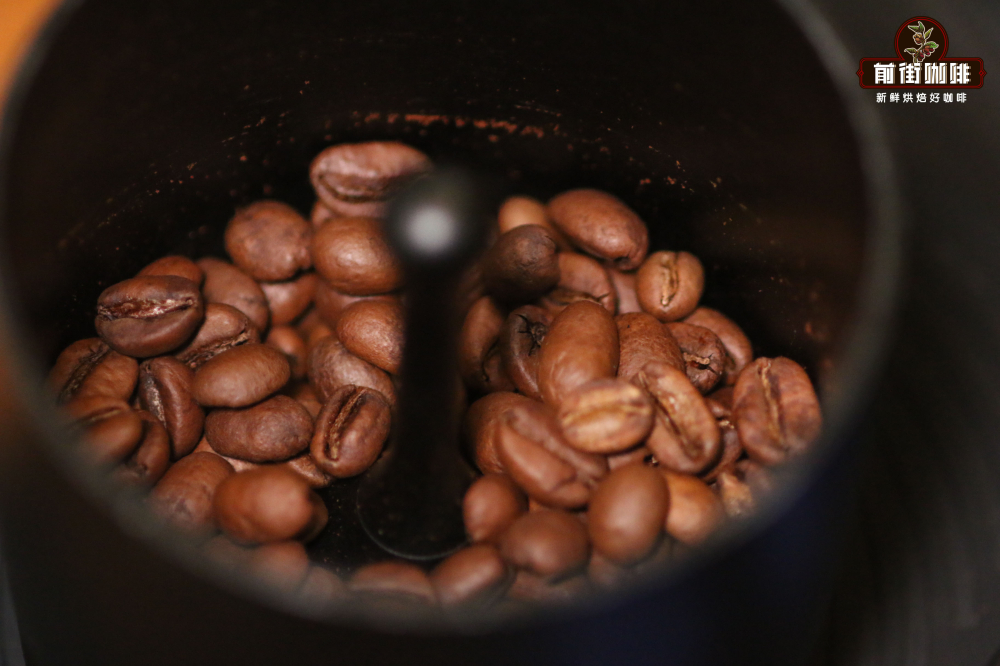
It’s worth noting that while it’s possible to make SOE using single-origin Brazilian beans, this is relatively rare in the market because their flavors may not be as balanced or rich as those of blends. Therefore, many SOEs use small-batch beans from well-known origins such as Ethiopia, which often feature pronounced citrus, floral, or fruity acidity. When lightly roasted, these beans can deliver surprising layers of complexity in espresso.
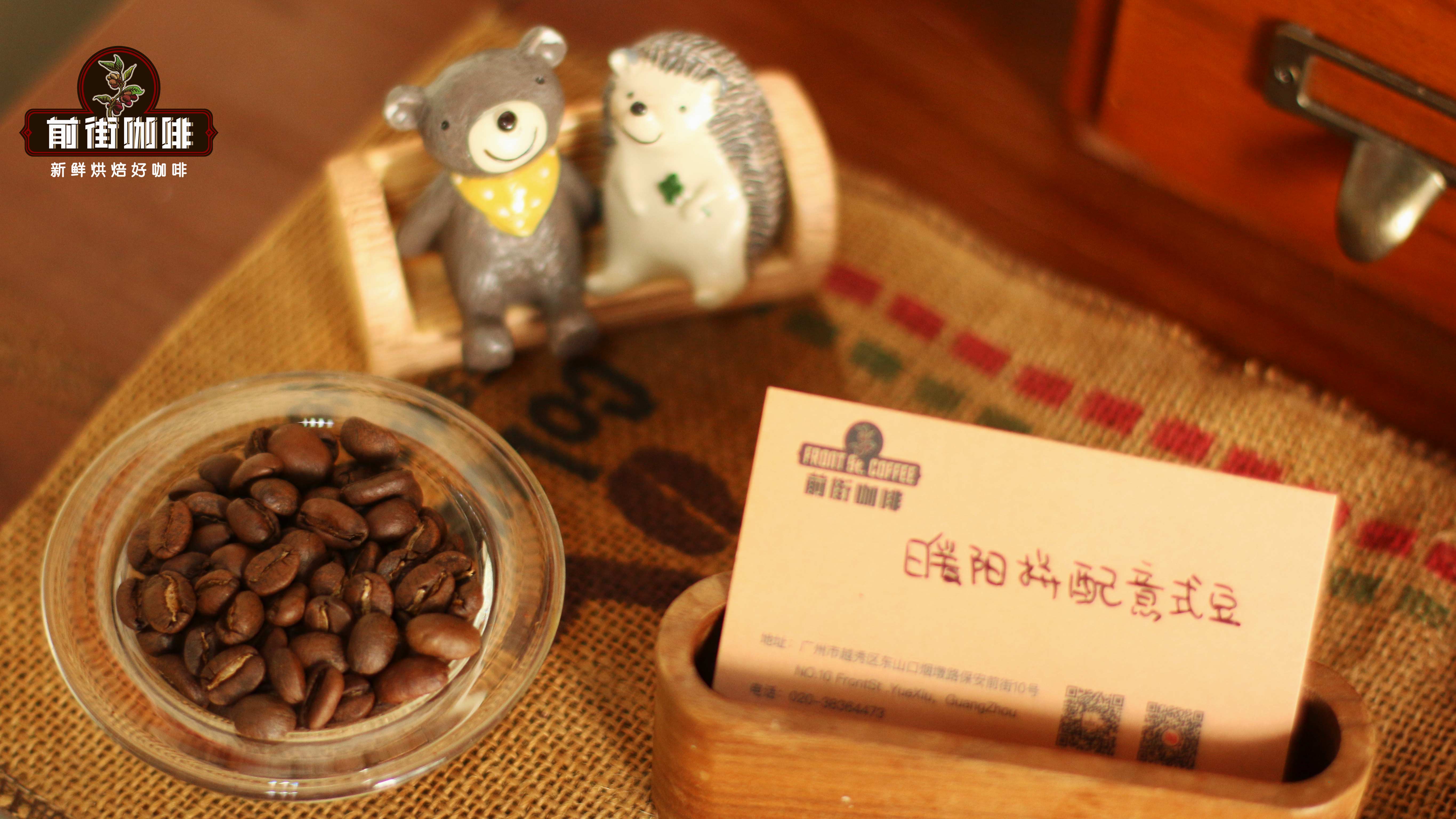
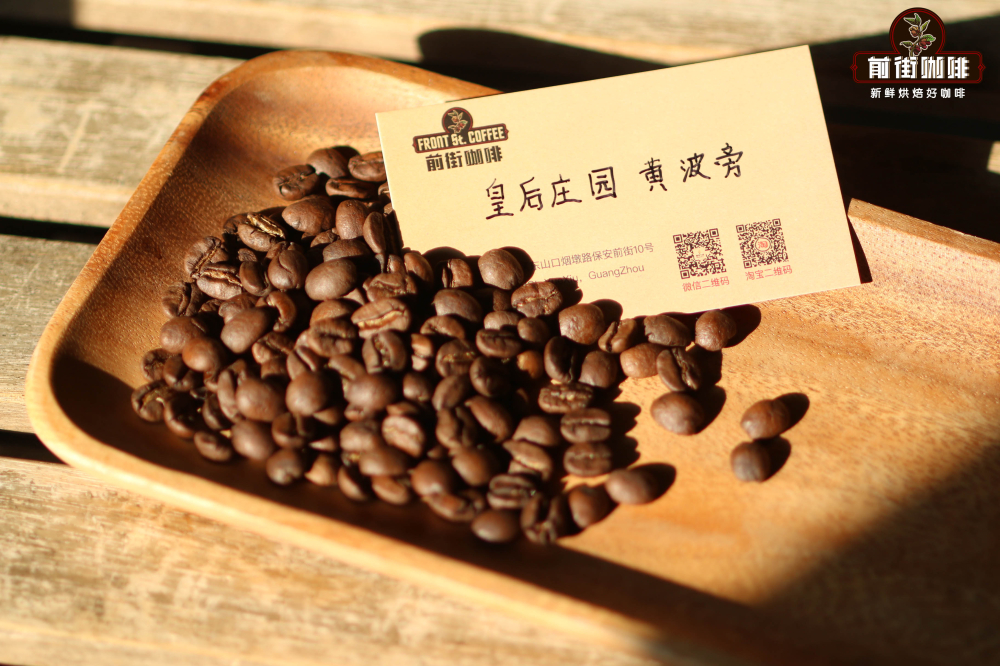
Interestingly, not all coffee beans are limited to a single brewing method. Some medium to medium-dark roasted beans are also suitable for both pour over and SOE. For example, Brazil Queen Estate Yellow Bourbon, when medium-dark roasted, can produce notes of chocolate, peanut butter, and cane sugar sweetness when brewed via pour over, while as an SOE, it showcases rich nutty and chocolatey aromas with a thick crema, no burnt bitterness, and pronounced sweetness.
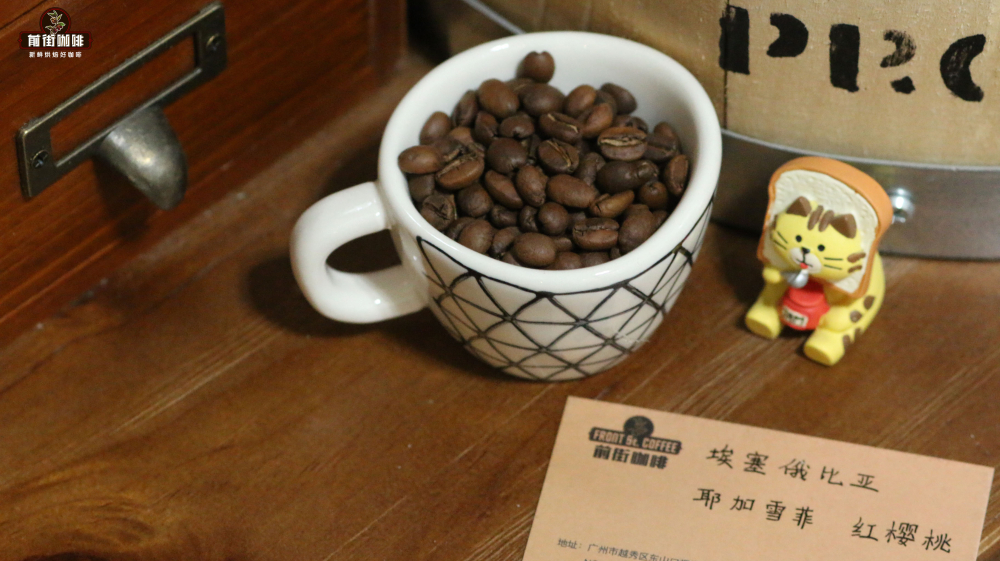
Another example is Yirgacheffe Red Cherry, medium-light roasted. As a pour over, it offers berry, fruity acidity, and creamy aromas, but when used for SOE, it can also produce an espresso with balanced notes of strawberry fruitiness, black tea undertones, and caramel milk sweetness—ideal for drinkers who enjoy bright fruitiness paired with a rich body.
Huang Kui 8.0 from Ethiopia’s high-altitude regions is widely praised for its rich strawberry and citrus aromas. However, if directly used for SOE with a medium-light roast, it may easily turn overly acidic or cause channeling issues. Therefore, it’s recommended to choose the medium-roast SOE version, which better highlights its fruity character and full-bodied mouthfeel.
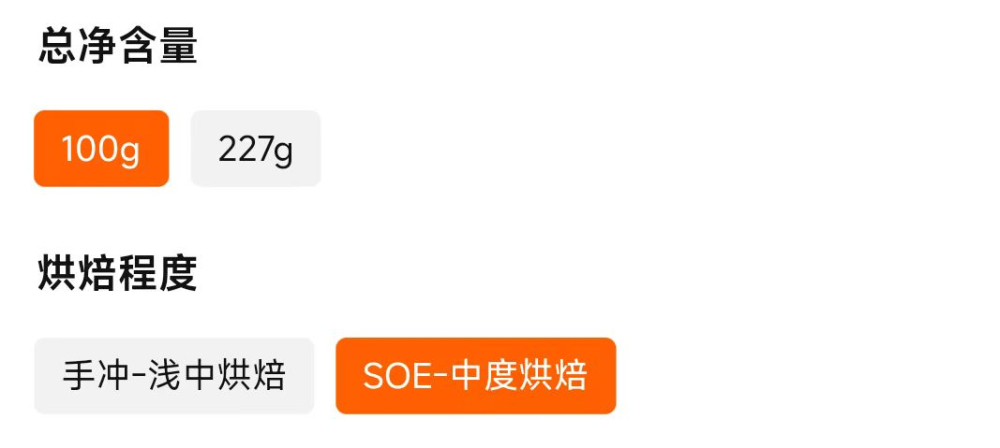
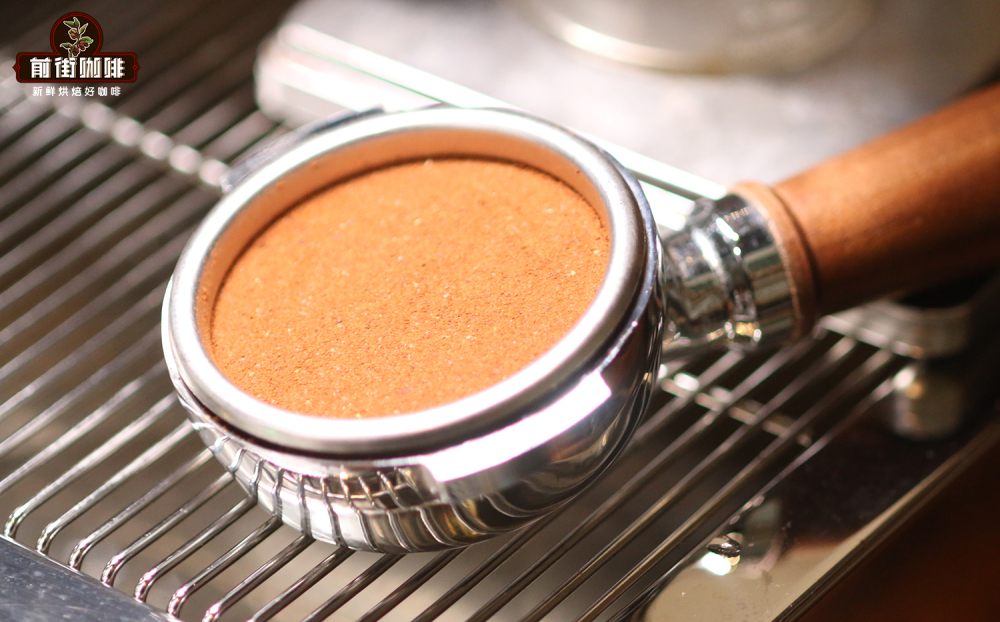
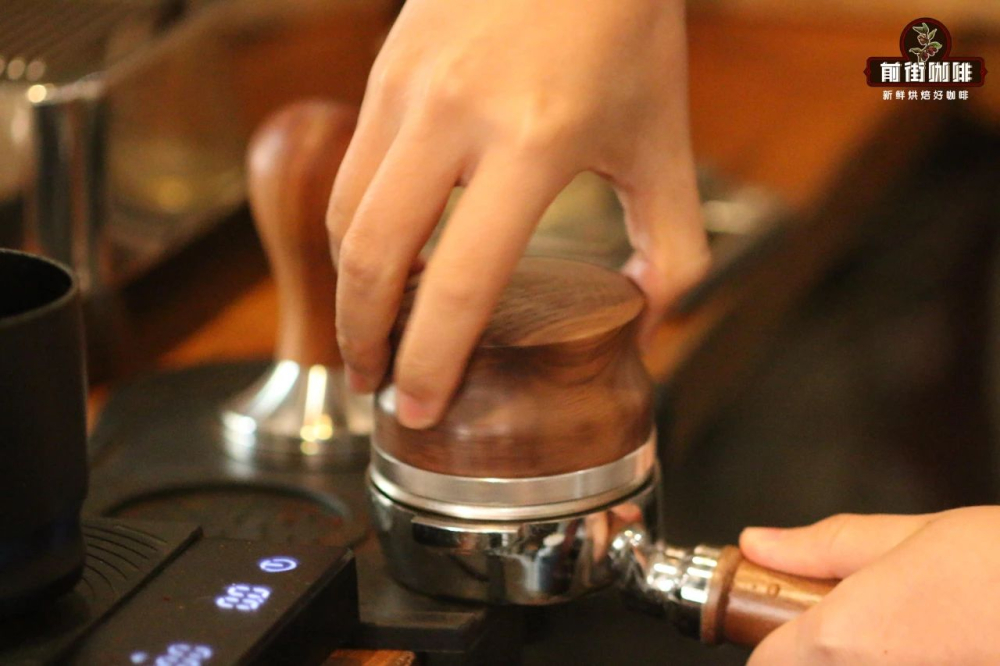
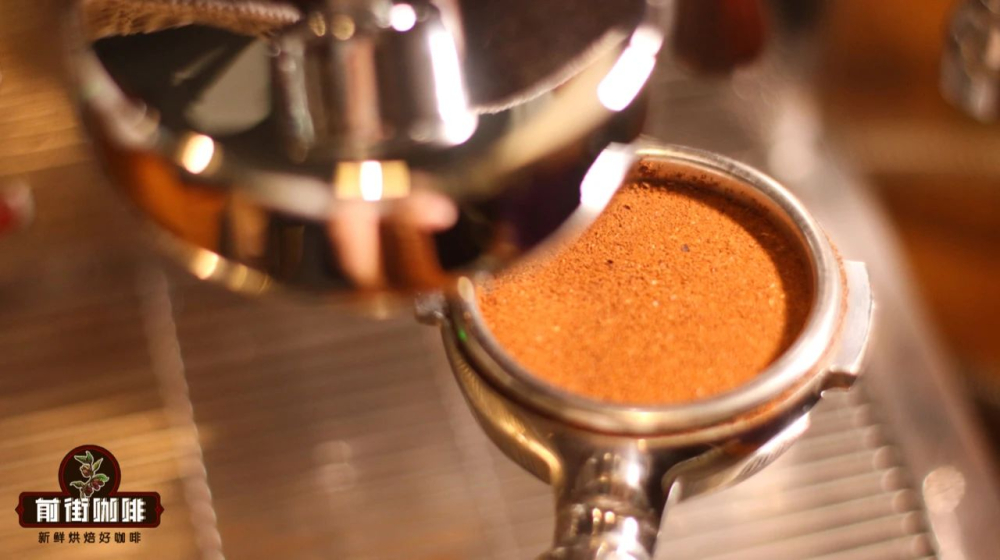
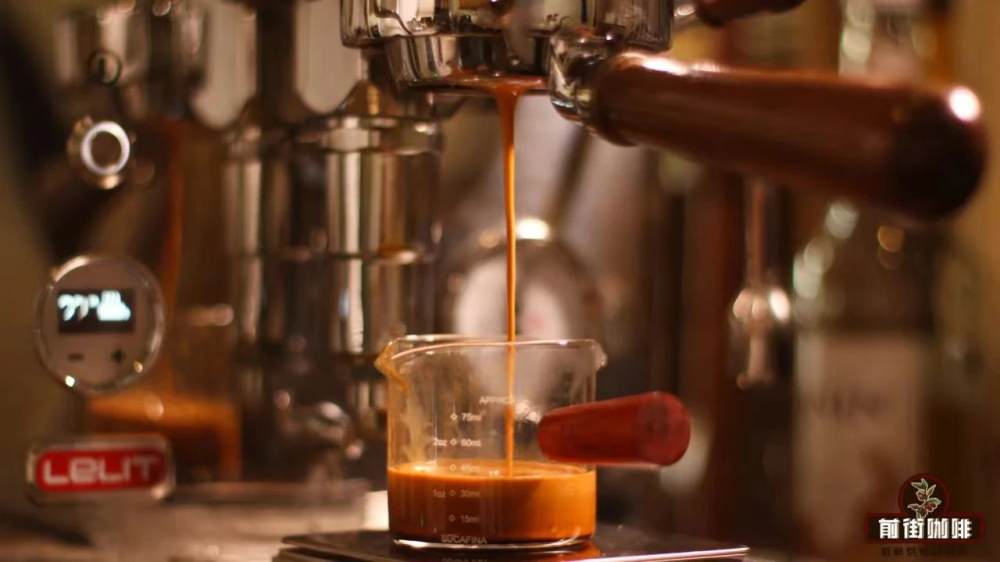
Here are practical extraction reference parameters for Huang Kui 8.0 SOE: 20 grams of coffee grounds, yielding 40 grams of espresso, with a coffee-to-water ratio of 1:2. Extraction time is recommended to be controlled between 26 to 32 seconds, and grind size can be referenced to Galileo 2.0 settings. When using a double-shot basket, ensure accurate dosing, distribute the grounds evenly with a distribution tool, then tamp vertically and firmly with a tamper to ensure a compact puck. Before extraction, wet the group head to remove any old coffee residue, place the cup on the scale and tare it, monitor the yield and time during extraction, and fine-tune grind size and dose as needed to achieve the best flavor expression.
The above content is compiled by CoffeeHunters, a coffee news website.


