








Introduction:Panamanian Geisha is celebrated in the specialty coffee world for its clean, bright profile and rich fruit-forward characteristics. This article delves into the scoring criteria and flavor profiles of Emerald Estate’s Red, Green, and Blue Label grades, and explores how the geographic conditions of the two core regions—Boquete and Volcán—affect coffee performance. From altitude and processing methods to cupping characteristics, it provides practical insights for selection and brewing.
Panamanian Geisha coffee has carved out a niche in the global specialty market thanks to its clarity and layered fruity finish. When selecting regional offerings, one well-known coffee retailer conducted a comprehensive evaluation of terroir, altitude, and processing techniques, identifying Panamanian beans as offering both high quality and reasonable pricing—leading to the introduction of several flagship lots. This article will detail the origins of the Geisha variety, the grading logic of Emerald Estate (including Red, Green, and Blue Labels), analyze the unique flavor profiles of the Boquete and Volcán regions, and introduce specific beans such as Flower Butterfly and Elida, helping coffee enthusiasts build a systematic understanding.
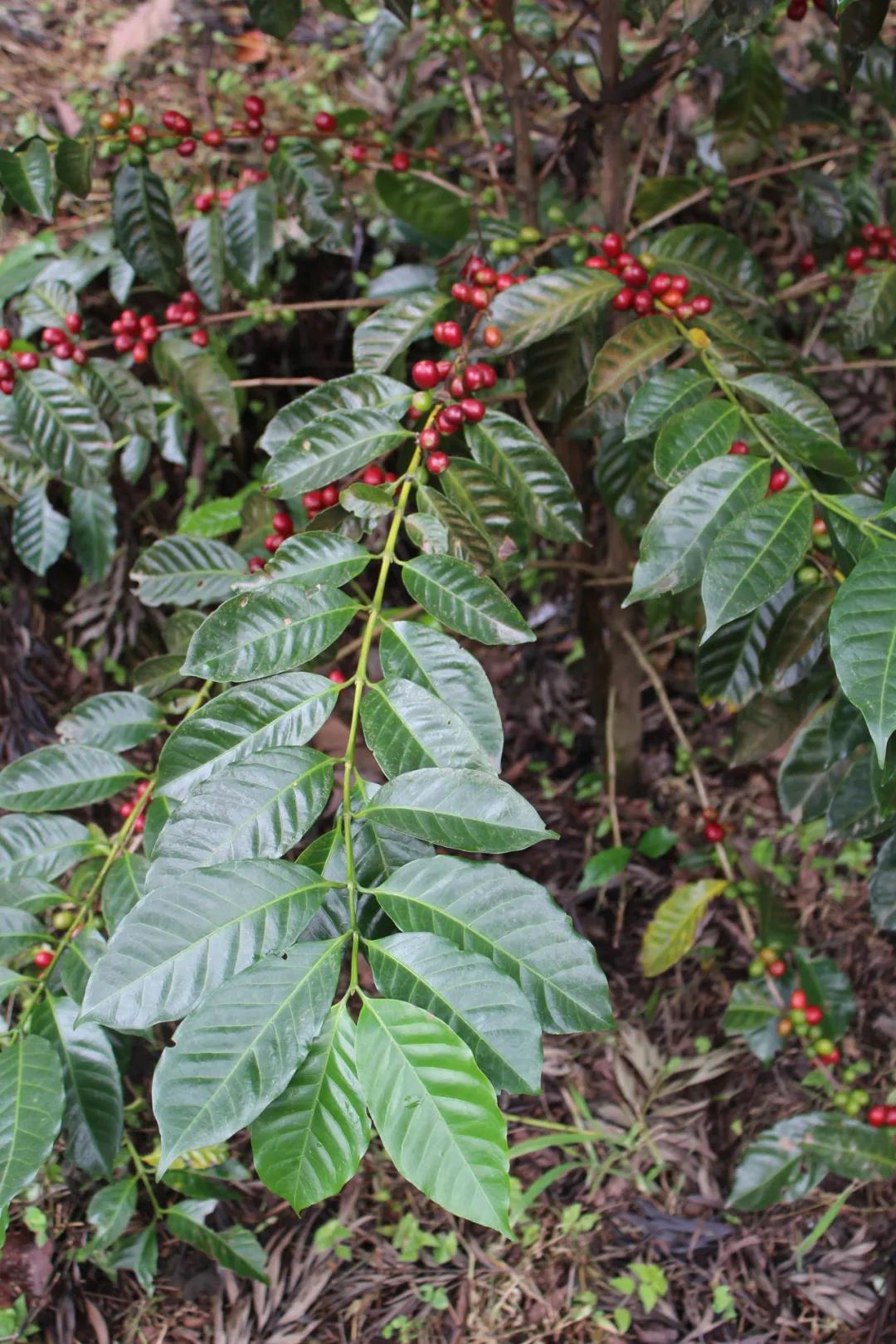
When it comes to Panamanian coffee, the Geisha variety is undoubtedly the central topic. It is renowned for its clean extraction and the tropical fruit aromas that emerge in the aftertaste. One prominent coffee retailer evaluates Panamanian beans by considering microclimates, altitude, and post-harvest processing. Since the introduction of Typica in 1780, Panama has developed into a key specialty coffee origin, thanks to the daylight conditions of the Central American isthmus, fertile volcanic soils, and abundant labor resources.
Currently, Panama’s specialty coffee is concentrated in the Boquete and Volcán regions. Coffees from these areas often exhibit delicate floral notes reminiscent of high-end perfumes, accompanied by pronounced fruitiness and a long-lasting sweet finish. Multiple beans supplied by one vendor, such as Flower Butterfly and Elida Typica, originate from Boquete, which lies near the Barú volcano. The region’s mineral-rich soils and high-altitude microclimate make it exceptionally well-suited for cultivating high-quality coffee.
Within Boquete, there are several well-known estates, including Emerald Estate, Elida Estate, and Caturra Duncan Estate, among which Emerald Estate stands out for its focus on the Geisha variety. This variety was initially planted at Jaramillo Estate solely as a windbreak but was later integrated by Emerald Estate, where its potential was unlocked.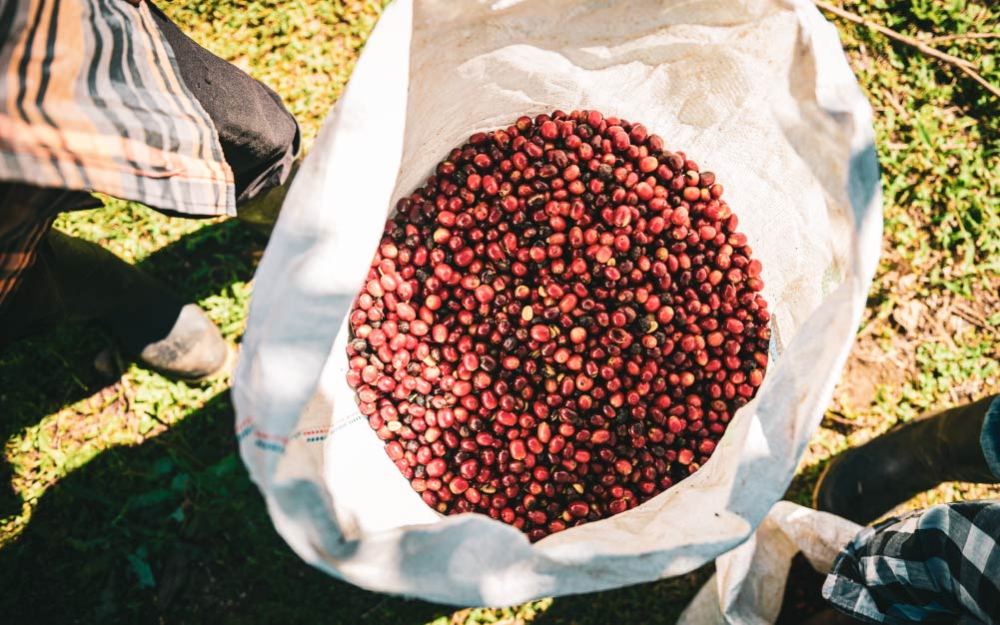
Emerald Estate classifies Geisha into three grades—Red, Green, and Blue Labels—based on altitude and cupping scores. The Red Label is exclusively sourced from the Jaramillo and Cañas Verdes plots, at altitudes between 1600 and 1800 meters, with cupping scores of 90 or above. Some batches are auctioned (known as Auction Red Label), while those not auctioned are simply called Red Label. Both actually come from the same origins, and beginners are recommended to start with the Red Label. This grade offers both natural and washed processes, with flavor profiles marked by high brightness, citrus notes, and distinct floral aromas.
The Green Label, also known as Private Collection, is a blend of micro-lots from various plots. While individual origins cannot be traced, it often delivers quality close to that of the Red Label, offering a surprise element akin to a blind box. Its flavor profile also includes floral, fruity, and crisp acidity notes.
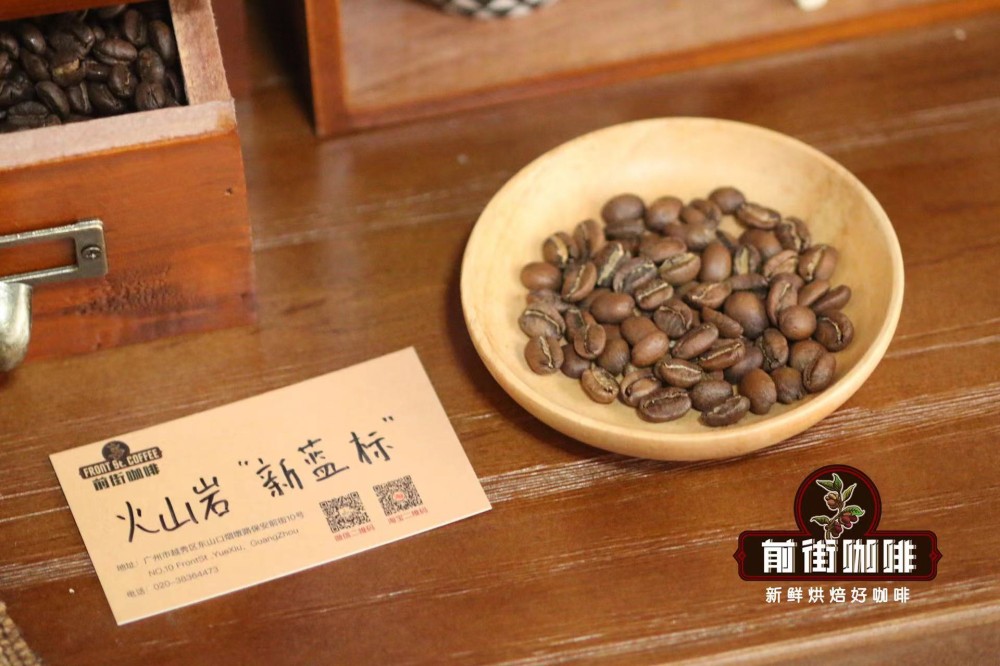
The Blue Label (also known as Geisha 1500) blends beans from three plots at elevations between 1400 and 1500 meters. It is typically processed only via washed method, resulting in a milder profile with subtle floral notes and soft fruit acidity. One supplier also offers a natural version of the Blue Label, expanding its flavor possibilities.
The processing of Red Label Geisha includes steps such as float removal, washed fermentation, and multiple washing stages. For the washed Green Label, due to the firmer bean texture in the new season, one supplier adopts a high-temperature, rapid dehydration roasting strategy to highlight its fruit layers. This year, the Blue Label introduces a natural version, processed by direct patio drying after harvest. Once the moisture content reaches the target, the beans are moved into a dryer and rotated for 72 hours, then sealed in storage. This process requires strict humidity control to prevent bean surface moisture regain, which could affect quality.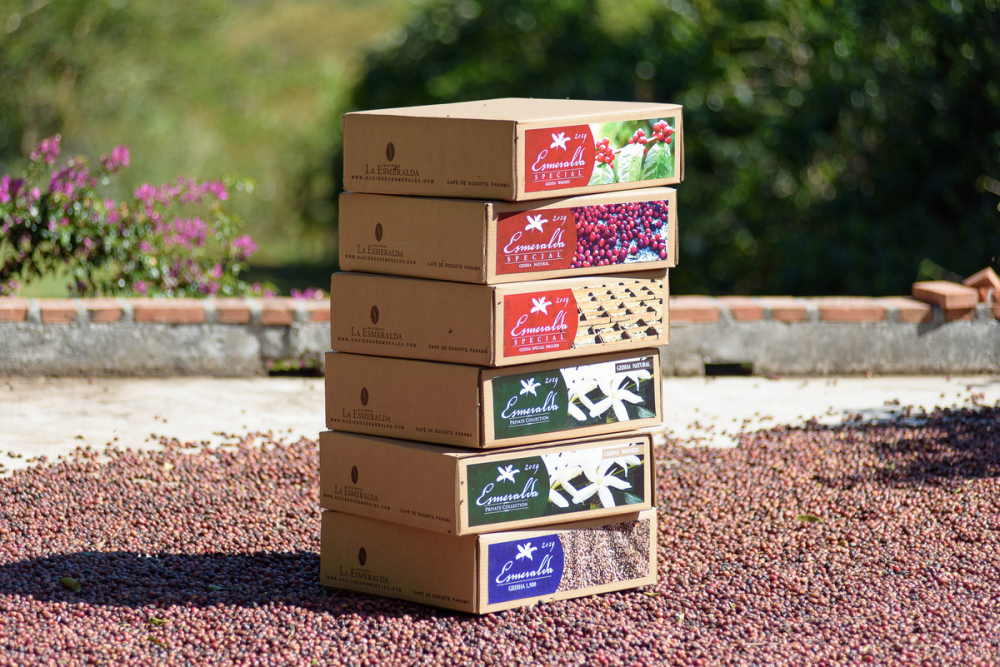
Flower Butterfly coffee beans are a representative lot from Boquete, blending 70% Geisha with Catuaí and Caturra varieties. The washed process yields clear citrus, honey, and tea-like notes, with outstanding sweetness. Jensen Geisha hails from the Volcán region, where annual rainfall exceeds 3000 mm. Volcanic soils nurture delicate berry tones, and the natural process enhances honey and lychee flavors. Hartmann Estate is famed for its red wine processing method (carbonic maceration), which precisely controls temperature and humidity to simulate winemaking conditions, producing intense wine-like aromas and vibrant acidity.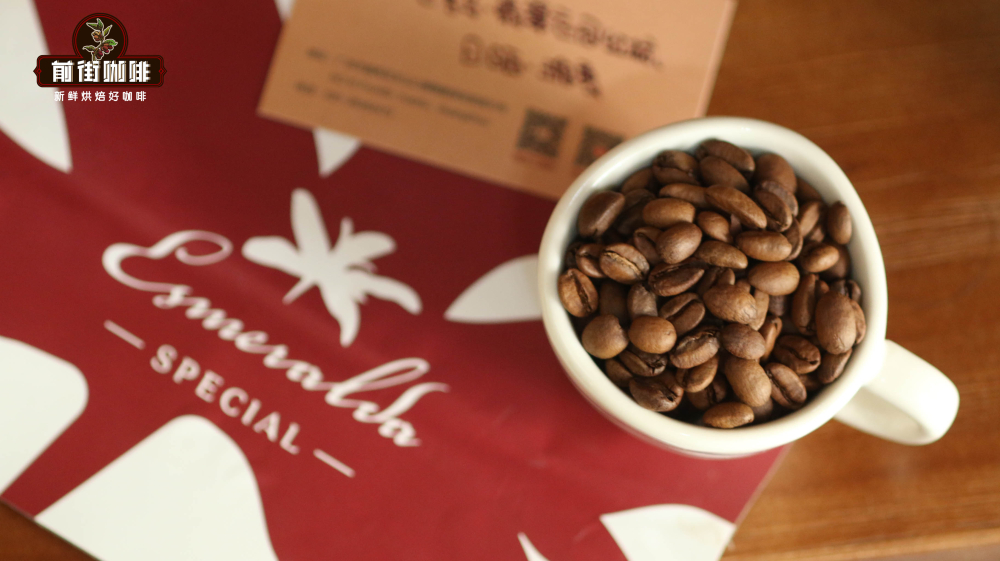
Below are key parameters and flavor summaries of actual beans sold by one supplier: Boquete Flower Butterfly (1600m, washed, citrus/floral/honey), Natural Blue Label Geisha (1500m, pure Geisha, peach/cantaloupe/strawberry), Emerald Red Label Geisha (1700m, natural, lemon/berries/citrus), Elida Estate (1850m, Catuaí, peach/cane sugar/jasmine), Hartmann Coffee (1250–1700m, red wine process, wine aroma/brown sugar), Jensen Geisha (Volcán, natural, berries/lychee/honey).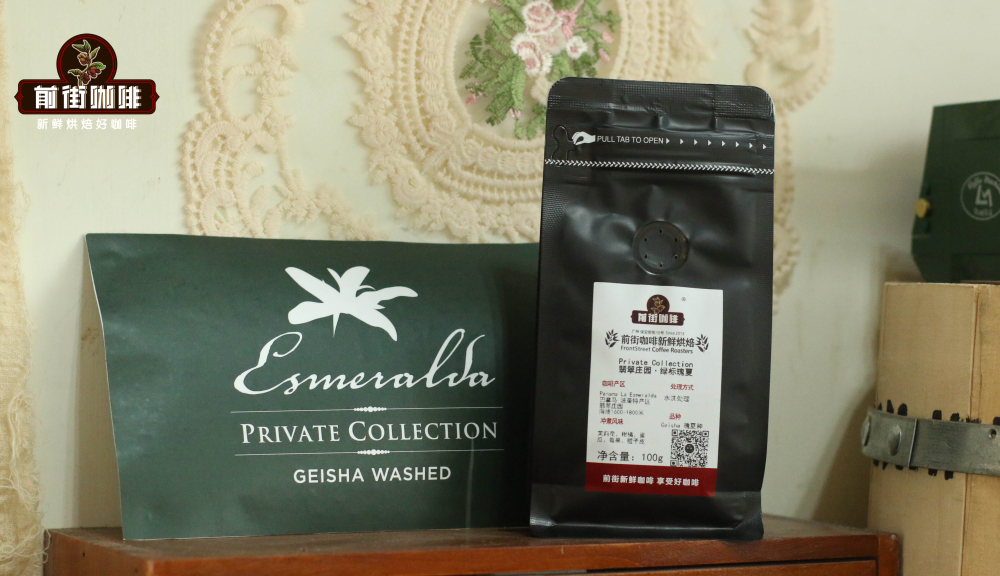
The above content is compiled by CoffeeHunters, a coffee news website.


