







Introduction:With its championship title at the 2017 TOH competition, Ethiopian Huila Guji Hambella Guji Flower Queen (Huai Kui) coffee beans have become the focus of specialty coffee enthusiasts worldwide. This article systematically analyzes the unique flavor profile of its rare Harrar G1 natural (sun-dried) processing method, the geographical advantages of the Sidamo region, and provides an in-depth introduction to professional parameters — from grading standards to a three-stage V60 pour over extraction — helping you accurately grasp the characteristics and brewing techniques of this star bean.
As the world’s coffee genetic treasure trove, Ethiopia’s green bean grading system is centered on cupping performance and defect rates. Among them, Flower Queen coffee beans originate from the Hambella sub-region of the Guji zone in Sidamo, gaining fame after winning the 2017 TOH (The Taste of Harvest) competition, and have become a benchmark for natural processed beans. This article will comprehensively break down the value of this popular coffee bean, from the growing region and processing methods to actual brewing practices.
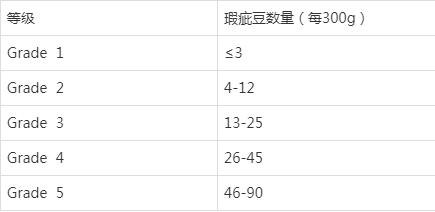
Ethiopia’s grading logic takes both sensory and physical indicators into account: the cupping dimension evaluates cleanliness, regional flavor characteristics, and overall performance, referencing SCAA standards — beans scoring ≥85 points in G1/G2 are classified as Q1 specialty grade; those between 80–85 points fall under Q2; and those below 80 points are listed as common grade. Physically, washed beans are graded based on defect counts in a 300g sample — 0–3 defects for Grade 1, 4–12 for Grade 2, making up a total of 9 grades. Notably, prior to the ECX system, sun-dried beans were capped at G3, but the current standards now allow G1/G2 ratings, enabling top-tier natural beans like Flower Queen to be labeled at higher grades.
The scoring criteria for natural processed beans are more detailed: physical characteristics account for 40% (with defect count making up 30% and aroma 10%), while cup quality accounts for 60% (with 15% each for cleanliness, acidity, mouthfeel, and flavor characteristics). Batch numbers such as hambella 7063 refer to specific farms or processing lots, and G1, as the highest natural grade, has a significantly lower defect rate than G2/G3 — though it should be noted that the flavor difference between G1 and G2 is usually minimal, with the main distinction lying in the strictness of defect control.
Ethiopian coffees are divided into three categories by processing method: Specialty (few defects, prominent flavors, targeting the international specialty market), Commercial (non-specialty but above local consumption level), and Local/Domestic (more defects or improperly stored, mainly for domestic consumption). The first two categories are for export, while the latter is limited to domestic circulation.
The core production area of Flower Queen coffee — Hambella — is located within Ethiopia’s largest coffee-producing zone, Guji (GUJI), and administratively belongs to the Oromia region. This area borders Kochere in Yirgacheffe to the west (separated by a highland plateau about 30 km wide and at an altitude of 3200 meters), and is adjacent to the Shakiso, Uraga, and Kercha sub-regions of Guji to the east, south, and north. It is not only the highest-altitude sub-region within Guji (surpassing the main Harrar production area), but also renowned for the complex flavor potential brought by high elevation.
The Hambella G1 Flower Queen beans used here follow traditional natural processing: harvested coffee cherries are placed on raised African beds and evenly sun-dried over 21 days (flipped daily to ensure even moisture loss), with defective or moldy beans manually removed every 3–5 days. Once the fruit skin is completely dried and hardened, a pulper is used to remove the hard husk, and a final secondary screening is conducted to ensure the purity of the green beans. The processing farm for this batch was founded by Aman Adinew, former head of QC at ECX, and his brother Michael — the team has experience in both lab R&D and field management, ensuring quality control from the source.
Regarding the origin of the name “Flower Queen”: In the 2017 TOH competition hosted by the African Coffee Association, Ethiopian DW green bean company entered this batch of Hambella natural beans and unexpectedly defeated several Geisha varieties to win the championship. Subsequently, Chinese importers named it “Flower Queen” based on its championship background, and the name has been used ever since. It should be specially noted that, due to annual climate-influenced flavor variations, to distinguish beans from different harvest years, importers specifically label beans from the “Buku Abel” processing factory in Hambella — only products from this factory can be called “Flower Queen,” giving rise to versions such as Flower Queen 2.0 through Flower Queen 11.
To highlight the bright floral, mango, and jackfruit notes of Flower Queen, a light roast strategy is used to preserve active compounds, and precise extraction is achieved using the V60 filter: with a water temperature of 91°C (to avoid overly high temperatures that could lead to excessive extraction and sourness in light roasts), a 1:15 coffee-to-water ratio (15g coffee to 225ml water), and a grind size of 80% passing through a Chinese standard No. 20 sieve (close to medium-fine). The specific steps are done in three pours: the first pour adds 30g of water for a 30-second bloom (forming a moist “hamburger” shaped coffee bed); the second pour at 1 minute adds water up to 125g, then pauses when the water level drops to 2/3 of the coffee bed; the third pour at 1 minute 40 seconds adds the remaining 100g of water (for a total of 225g), with the final extraction time controlled at 1 minute 59 seconds, for an overall duration of about 2 minutes. These parameters balance aroma release and sweetness layers, especially highlighting citrus and honey aftertastes.
In terms of flavor experience, this natural-processed Sidamo Flower Queen presents a light fermented wine-like base, layered with bright floral notes and tropical fruit tones (mango, jackfruit). It has a thick, full-bodied mouthfeel upon entry, accompanied by honey-like sweetness and cocoa aftertaste, with subtle hints of spice in the mid-palate. The overall body is rich and the finish lingers. It is recommended that consumers choose freshly roasted beans within 5 days of roasting, and allow a 4–7 day rest period — during which CO₂ is fully released, and the flavors reach their optimal balanced state.
The above content is compiled by CoffeeHunters, a coffee news website.


