







Introduction:Mandheling coffee is beloved by coffee enthusiasts worldwide for its rich and bold flavor profile, but its name actually has nothing to do with its origin region. Instead, it stems from a linguistic misunderstanding during World War II. This article will delve into the historical origins of Mandheling, the unique wet-hulling processing method of Sumatra, and provide an in-depth look at the flavor characteristics and optimal brewing parameters of four classic varieties—Lintong, Golden, Tiger, and Aged—to help you gain a more comprehensive understanding of this classic coffee.
Mandheling can be considered one of the most familiar coffee types among Chinese coffee consumers, yet it is neither a region nor a coffee variety. Behind the name lies an interesting WWII-era misunderstanding. This article will begin with its historical background, tracing how the Dutch introduced Arabica varieties, and how the shift to Robusta occurred after the rust disease outbreak, then go on to analyze in detail Sumatra’s distinctivewet-hulling processand three-stage drying technique. You’ll learn about the flavor differences and brewing suggestions of four classic Mandheling types—Lintong, Golden, Tiger, and Aged—to fully appreciate this bold and captivating classic coffee.
The story dates back to the 17th century when the Dutch first introduced Arabica coffee seedlings to Ceylon (now Sri Lanka) and Indonesia. However, in 1877, the Indonesian archipelago was hit by a large-scale coffee rust disease disaster that nearly destroyed all Arabica coffee trees. Farmers turned to the more disease-resistant Robusta instead. Today, Indonesia is a major global coffee producer, with production concentrated in Java, Sumatra, and Sulawesi—of which Robusta accounts for up to 90%. Sumatran Mandheling, on the other hand, is one of the few Arabica varieties, grown in mountainous regions at altitudes between 750 and 1,500 meters. The Sumatran variety gives Mandheling its intense aroma, full body, and flavors reminiscent of chocolate and syrup. Due to the larger bean size and harder bean texture, strict manual sorting is required after harvest, otherwise quality can vary significantly. Additionally, the degree of roasting also greatly affects the final flavor, making Mandheling one of the more debated single-origin coffees.
As for the name “Mandheling,” it actually has no connection to any producing region or port—it originated from a language mix-up. During WWII, a Japanese soldier drank an exceptional cup of coffee at a café in Indonesia and curiously asked the shop owner for the coffee’s name. Due to the language barrier, the owner misunderstood the question as being about where he was from, and answered: “Mandailing (mandheling).” After the war, the Japanese soldier recalled that “Mandheling” coffee and arranged for fifteen tons to be imported to Japan through an Indonesian broker. It became hugely popular, and the name Mandheling has endured ever since. Interestingly, that same broker later founded the well-known Indonesian Pwani Coffee Company (PWN), which is the trademark holder of Golden Mandheling.
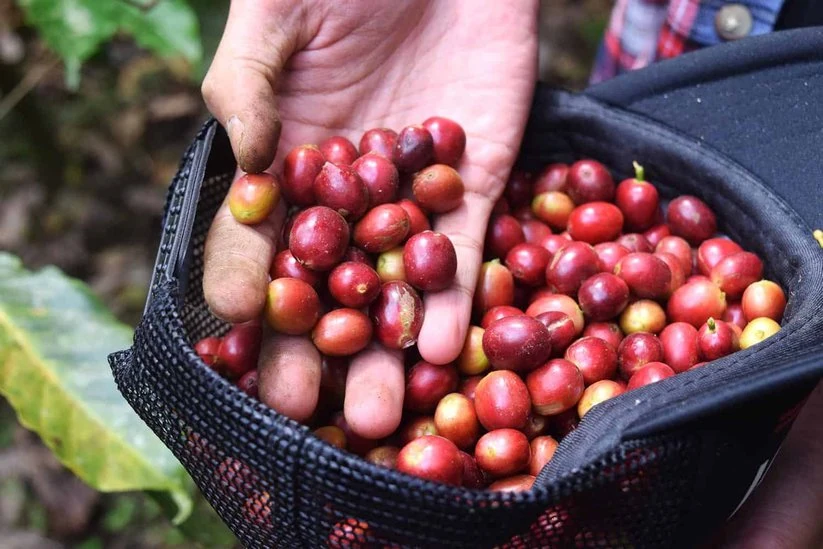
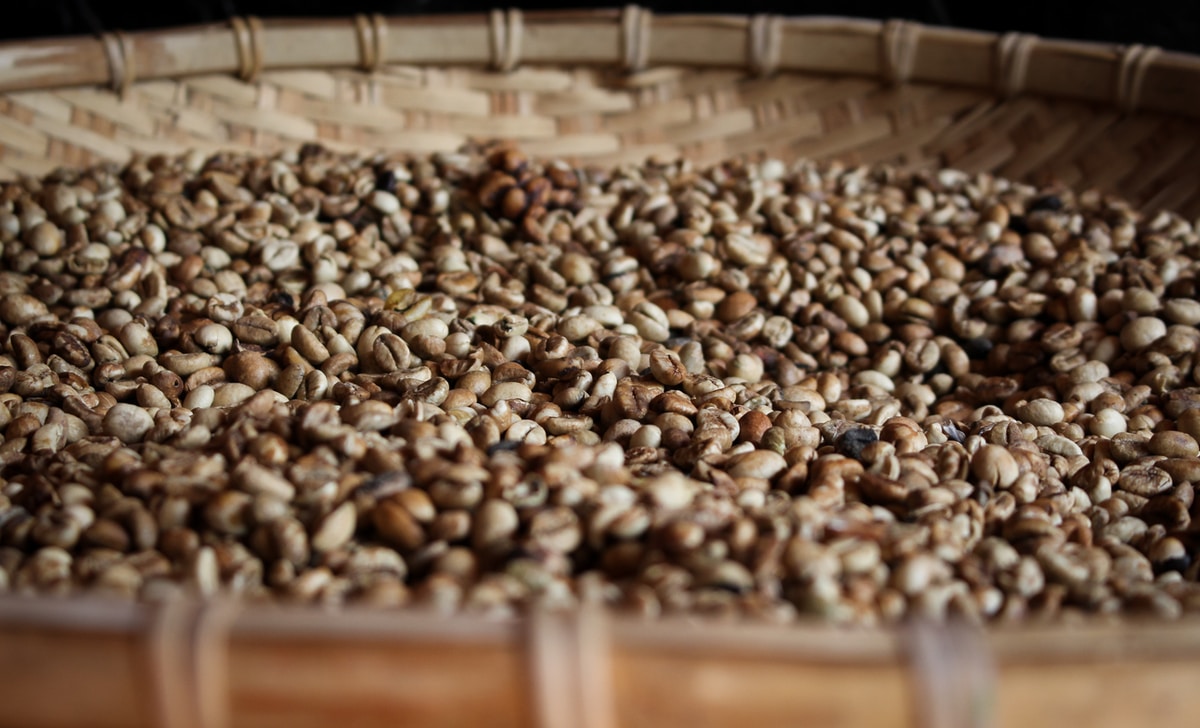
Mandheling coffee from Sumatra primarily uses thewet-hulling process, a unique method that combines wet processing with partial drying. Farmers place harvested coffee cherries into a simple pulper (often assembled from scrap metal, wood, and bicycle parts) to remove the outer skin. The beans, still covered in mucilage, are then placed in plastic bags to ferment overnight. The next day, the softened fruit flesh is washed off by hand, and the silver-skin-covered beans are spread on thin boards for initial drying. They are then sent to intermediary warehouses to have the silver skin removed and undergo final drying. The entire process typically involves three stages of drying before the beans are transported to the port of Medan (Medan) for pre-export processing. In addition, some regions also adopt a method similar to Brazil’s semi-washed process, allowing the mucilage to dry naturally before mechanical removal, followed by a two-stage drying procedure.
This complex and variable processing method, combined with Sumatra’s unique climate and soil conditions, results in Mandheling’s flavor profile being both rich and unpredictable. Only through strict screening by exporters can Lintong and Mandheling coffees showcase their signature bold texture and subtle yet captivating layers of flavor.
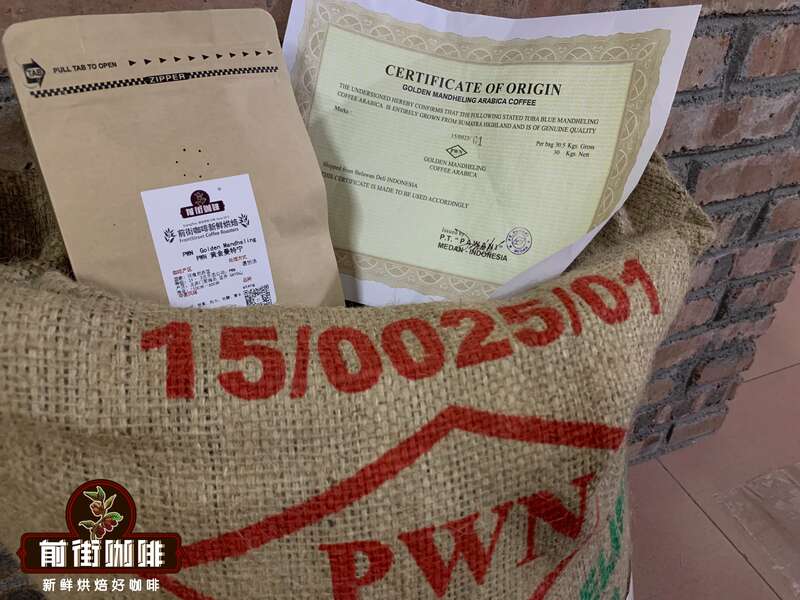
Among Sumatran Mandheling coffees, there are two of the most renowned grades: DP Grade 1 and Aged Sumatran Mandheling. DP Grade 1 is known for its long aftertaste and unique earthy, forest-like aroma, carrying the fresh scent of pristine wilderness. Aged Mandheling, on the other hand, is stored in cellars for three years before export. Through special handling, the beans undergo a flavor transformation resulting in a richer, lower-acidity, and higher-body profile, with a long finish often accompanied by complex notes of spices, walnuts, or chocolate. It’s worth noting that before Blue Mountain coffee rose to fame, Mandheling was once considered one of the world’s top-tier coffees. Its green beans appear dark green or brown, exuding a caramel-like aroma, with a rich and mellow taste. Though lacking in soft acidity, its bitterness is pronounced and layered.
Mandheling is mainly produced on the Indonesian island of Sumatra, with the Arabica beans from northern Lintong and surrounding areas being the most highly regarded. Lintong refers to a small area southwest of Lake Toba, grown on high-altitude, fern-rich clay plateaus using shade-free and chemical-free farming methods, and is almost entirely cultivated by small private farms. Meanwhile, Mandheling is a broader term that encompasses Lintong as well as nearby regions like Diari (capital: Sidikalang) and the northern part of Lake Toba, all sharing similar environmental conditions.
Mandheling has an exceptionally distinctive flavor—rich, bold, and slightly sweet, making it a favorite choice for many coffee enthusiasts for single-origin sipping, as well as a key base for blending coffee blends. Its appearance is often considered the “ugliest” among coffee beans, but there’s an industry saying: “The less attractive the Sumatran coffee bean, the richer and smoother its flavor.” Mandheling has low acidity, but its delicate mild acidity balances well with its rich aroma. Upon tasting, you can feel a distinctly smooth texture along with unique earthy or herbal notes. Thanks to its subdued acidity, Mandheling is also very suitable for extended warming or making iced coffee, as it rarely develops unpleasant sourness.
Below is information on four classic Mandheling varieties provided by a certain coffee brand:

The above content is compiled by CoffeeHunters, a coffee news website.


