







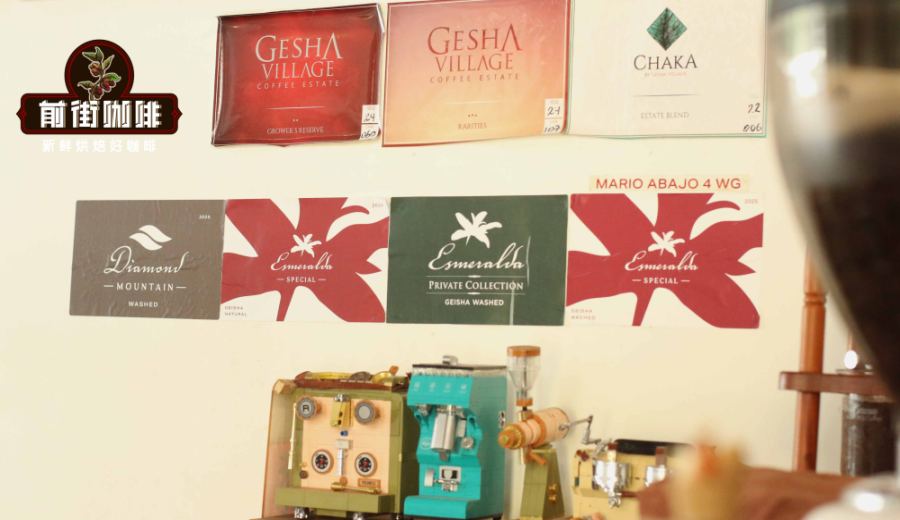
Introduction:Panama Geisha has repeatedly achieved sky-high auction prices with its distinctive floral and fruity aromas and refined processing techniques, becoming a legend in the specialty coffee world. This article starts with the origin of Geisha, delves into its stringent growing conditions and the reasons for its scarce yield, and introduces how the Best of Panama (BOP) competition has shaped Geisha’s top-tier status. It also provides detailed insights into the differences among the various brands and processing methods under Hacienda Esmeralda, along with practical flavor descriptions and brewing recommendations to help you fully appreciate the charm of this star coffee bean.
In the world of specialty coffee, Panama Geisha has always been the most eye-catching star variety. Since its sensational debut at the Panama Cup of Excellence (BOP) in 2004, Geisha quickly rose to the ranks of top-tier coffees with its unique citrus, floral, and tropical fruit profiles. But what makes Geisha so special that it even breaks auction price records repeatedly? This article will take you on an in-depth journey from its discovery, cultivation challenges, the development of the BOP competition, to the differences among the various series and processing methods under Hacienda Esmeralda, to explore the full picture of this premium coffee bean.
Geisha was first discovered in the Gesha Forest of Ethiopia in 1931, then introduced to Kenya, Tanzania, and Costa Rica, before finally taking root in Panama in the 1960s. However, it remained relatively unknown for nearly half a century until it stood out at the BOP competition in 2004, winning the championship for three consecutive years (2005–2007) and truly making its mark. In 2004, Hacienda Esmeralda’s Geisha was auctioned at a price as high as $15 per pound. By 2013, the price soared to $350, and in 2017, it set a record of $601. In 2025, Hacienda Esmeralda’s washed Geisha sold for over $30,000 per kilogram, shocking the global coffee market.
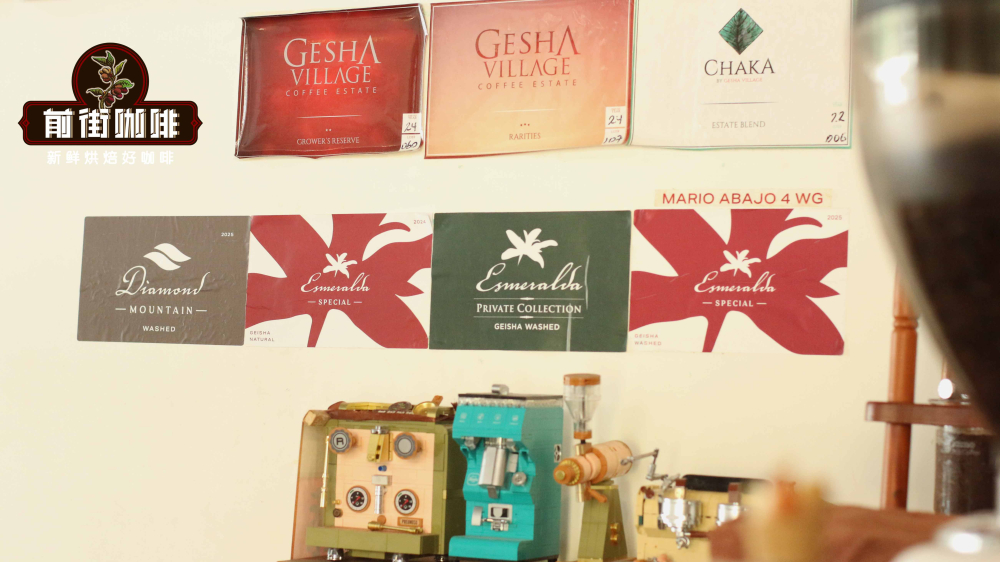
The high price of Geisha is inseparable from its extremely demanding growing conditions. This variety requires very specific altitude, soil, and microclimate conditions, with the ideal planting elevation being above 1400 meters, along with cloud cover or tree shade to protect it from direct sunlight. The owner of Hacienda Esmeralda once noted that to protect Geisha, a large number of shade trees must be planted within the farm, and traditional pruning methods must be used initially; otherwise, the plants are prone to withering. The high-altitude environment extends the fruit ripening cycle, enhancing the flavors but also resulting in very low yields. Geisha has a thin leaf system with poor photosynthetic efficiency, coupled with fragile roots that have weak water and nutrient absorption capabilities, yielding only half as much as the Caturra variety per plant. These factors collectively drive up its market value.
When discussing Geisha’s top-tier status, one cannot overlook the Best of Panama (BOP) competition. Established in 1996, it is one of the world’s earliest evaluation and bidding events for specialty green coffee beans. At the time, Panama’s coffee industry faced the challenge of globally low prices, and the Specialty Coffee Association of Panama (SCAP) decided to enhance the added value of specialty beans through competitions and auctions. BOP gathers top lots from farms around the country each year, which are professionally cupped and scored before being bid on by global buyers, giving rise to many legendary beans. In recent years, BOP champion auction prices have often exceeded $1,000, becoming a focal point of industry attention.
The BOP competition divides entries into Geisha and non-Geisha categories, further classified into washed and natural processing methods. Judges score the beans blindly, and the highest average score wins. In 2022, Guava Grove Estate’s natural Geisha won first place in the natural category with 95.96 points, while Aurora Estate’s washed Geisha dominated the washed category with an impressive 96.15 points, demonstrating the strong performance of the Geisha variety in the competition. Today, BOP is not only a symbol of Panama’s specialty coffee but also deeply influences the global specialty coffee evaluation system and market trends.
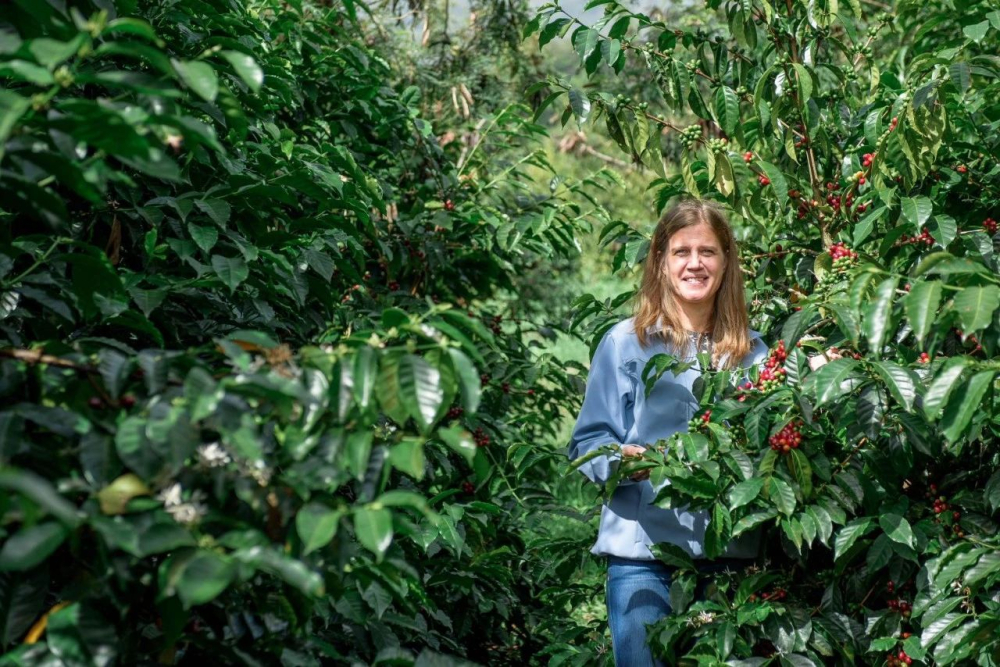
When talking about Geisha’s rise to fame, the pivotal role of Hacienda Esmeralda cannot be ignored. The estate owns three main Geisha-growing regions: El Velo, Cañas Verdes, and Jaramillo. Among them, Jaramillo Farm is where the unique flavors of Geisha were first discovered. The third-generation farm owner, Daniel, noticed through cupping that Geisha grown above 1400 meters in this area had distinct aromas and layered flavors. He then conducted detailed block comparisons and trials, gradually establishing the optimal growing conditions for Geisha. The Peterson family further refined the classification by altitude, not only facilitating flavor tracking but also providing more transparent origin information for consumers.
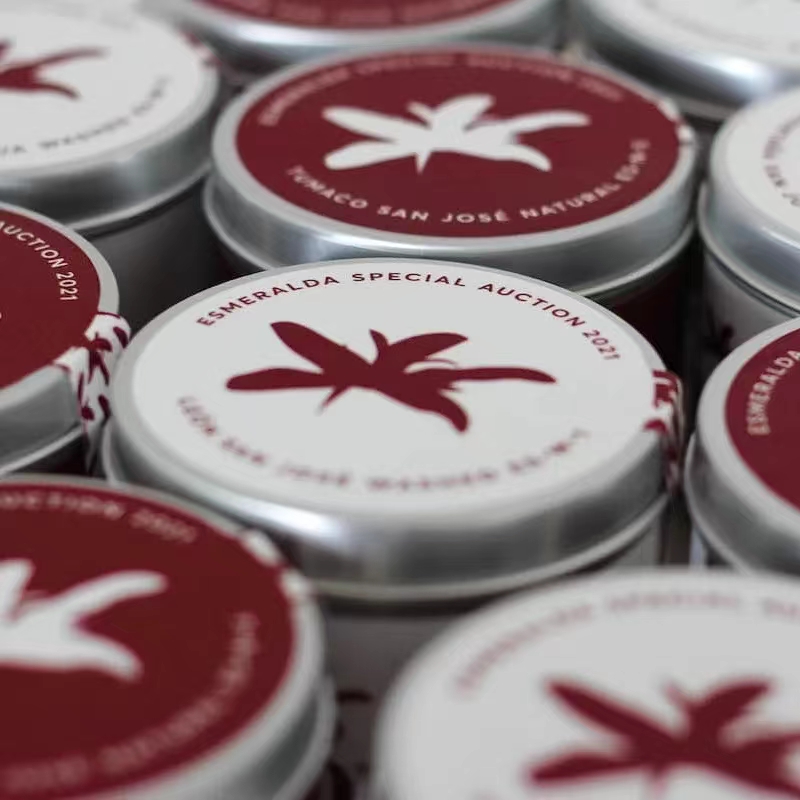
To build a high-end brand image for Geisha, Hacienda Esmeralda has launched several well-known series, including Esmeralda Special, Private Collection, and the former Geisha1500. Additionally, starting in 2022, the estate has separated its auction-exclusive lots into the “Esmeralda Auction” brand, distinguishing them from its regular commercial series. These series not only showcase the diverse profiles of Geisha but have also become highly sought-after collectibles for coffee enthusiasts worldwide.
In terms of processing methods, Hacienda Esmeralda primarily uses two traditional techniques—washed and natural—to preserve the original flavors of the coffee cherries as much as possible. In the washed process, ripe cherries are first floated to remove defects, then depulped and fermented in tanks where the pulp is separated through acid-base reactions. After washing with clean water, the beans are evenly spread on drying beds until their moisture content drops to 11% before packaging. This method gives Geisha bright acidity, clear layering, and a clean, bright mouthfeel, considered the best way to showcase the essence of Panama Geisha.

The natural process is another classic technique. Geisha cherries are harvested and dried directly with their flesh and mucilage under the sun, usually taking 3 to 5 days, with Guardiola dryers used in the later stages to ensure even drying and prevent mold. This method allows the fructose and fruity aromas from the flesh to fully penetrate the seeds, imparting a richer fruit sweetness and fermentation complexity to the coffee, often featuring a blend of honey, berries, and citrus notes.
If you want to experience the charm of Geisha firsthand, here’s a brewing recommendation: for washed green-label Geisha, use a Hario V60 filter, with about 15 grams of coffee grounds, ground to a fineness similar to superfine sugar (80% passing through a #20 sieve), a brew ratio of 1:15, water temperature at 91°C, and a three-pour method. These parameters can fully highlight Geisha’s floral, citrus notes, and refreshing acidity, with a creamy-smooth mouthfeel and a long-lasting aftertaste of melon and grapefruit peel. Be sure to choose freshly roasted beans within 5 days of roasting for the best flavor.
In summary, Panama Geisha has established its top-tier status in the specialty coffee world through its exceptional terroir, refined cultivation and processing techniques, and international recognition from the BOP competition. Whether you’re a coffee enthusiast pursuing ultimate flavors or a beginner just starting out, exploring the story and characteristics of Geisha can help you find your own unique coffee experience.
The above content is compiled by CoffeeHunters, a coffee news website.


