








Introduction:In the world of espresso, illy and Lavazza are undoubtedly two classic Italian brands, representing the high-end and mass-market segments respectively. Both have distinct characteristics in terms of bean origin, roast level, and flavor profile, especially when it comes to freshness and storage methods, which are well worth exploring. This article will delve into their brand positioning, roasting styles, and actual flavor differences, along with detailed information on five popular roasted coffee beans, helping you make more informed choices when selecting coffee beans.
Italian coffee holds a pivotal position globally, and illy and Lavazza are the two most representative brands in this field. Although both hail from Italy, their brand directions, coffee flavors, and target consumer groups are vastly different. illy focuses on the premium market, emphasizing 100% Arabica beans and relatively light roasting, highlighting pronounced sweetness and a smooth mouthfeel; whereas Lavazza is geared more toward everyday home use, offering a balanced acidity and bitterness with rich aroma, which has earned it widespread popularity.
However, no matter how famous a brand is, imported canned coffee beans generally face issues with freshness. Even with inert gas packaging technology, it’s difficult to completely prevent oxidation after opening. This article not only analyzes the characteristics of these two major espresso brands but also recommends five recently well-received roasted coffee beans to help you find options with better flavor expression and freshness.
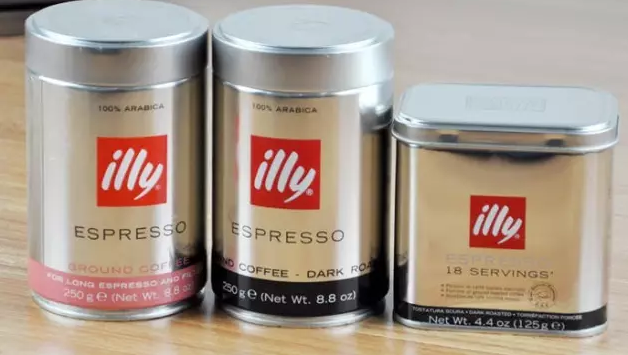
Let’s start with illy, a brand founded in 1933 in Trieste in northeastern Italy, which now produces over 11 million kilograms of high-quality coffee beans annually and has long become one of the reference benchmarks for espresso. Its standardized settings for coffee machine dosage, water temperature, and extraction pressure have profoundly influenced the global second wave of coffee. However, for most consumers, a morning cup of coffee is more of a tool to wake up the body and mind rather than a ritual focused on flavor.
In its product line, illy offers three options: red lid, black lid, and green lid, each representing different roast levels and uses. The red lid is medium roast, with light bitterness and slightly higher acidity, suitable for those who prefer a fresh taste; the black lid is dark roast, featuring intense caramelized aroma and a rich mouthfeel, more suited to those who enjoy strong coffee flavors; the green lid is the decaffeinated version, ideal for consumers limiting caffeine intake. It’s worth noting that in the Chinese market, counterfeit illy products abound, so consumers should pay extra attention to the source of purchase.
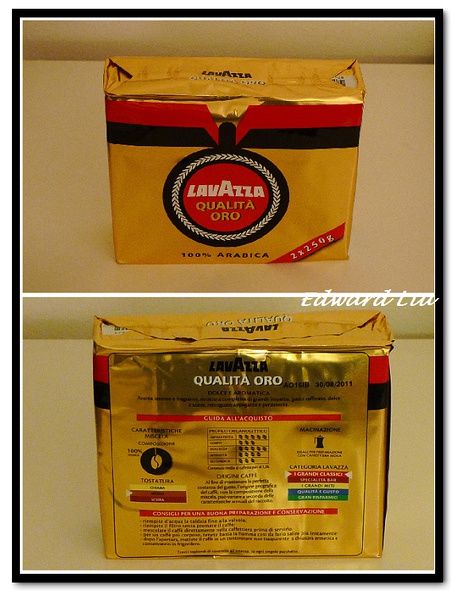
Compared to illy, Lavazza leans more toward the family and mass consumer markets, with affordable pricing and a wide product range, making it suitable as a staple bean for home espresso machines. Lavazza’s espresso has a strong flavor, with balanced acidity and bitterness, and a lingering finish as rich as spirits. For those not accustomed to pure espresso flavor, the first sip might feel like drinking a strong alcoholic beverage, but upon closer tasting, its unique depth of aroma can be appreciated. Locally in Italy, Lavazza enjoys high usage rates, though its international recognition in the high-end market is somewhat less prominent compared to illy.
Many people wonder, since illy uses advanced inert gas (such as nitrogen) canning technology, can it fully preserve the flavor of the coffee beans? The answer is no. While this technology effectively slows down the oxidation rate, the beans are still packaged in ground form, and once opened, oxygen will quickly affect the flavor. Especially in high-temperature or humid environments, even if the opened beans are stored in a sealed container, they can lose a significant amount of aroma and flavor complexity in a short time.
If you truly seek exceptional flavor, it’s recommended to choose freshly roasted coffee beans from the current season and grind and brew them as soon as possible. Below are five popular coffee beans, each accompanied by detailed information on origin, altitude, variety, processing method, and recommended brewing methods, allowing you to find the most suitable option based on your personal taste.
1. Hua Kui
Origin: Guji, Hambela, Ethiopia
Altitude: 2250–2350 meters
Variety: Heirloom
Processing Method: Natural
Recommended Brewing Methods: Pour over, drip bag, cold drip, cold brew, siphon
Flavor: Prominent citrus notes with a juicy sensation and slight fermentation character, medium to high acidity, remains refreshing when served cold, with a sugarcane-like sweetness in the aftertaste.
2. Musician Series – Mozart
Origin: Tarrazú, Honduras
Farm: Canet Estate
Altitude: 1980 meters
Variety: H1, Catuai
Processing Method: Raisin Honey
Recommended Brewing Methods: Pour over, drip bag, siphon, SOE Americano, Moka pot
Flavor: Floral and fermented wine notes stand out, with prominent berry and raisin sweetness, gentle fruit acidity, and a tropical fruit aroma in the aftertaste.
3. Indonesian PWN Golden Mandheling
Origin: Sumatra
Company: PWN
Altitude: 1100–1600 meters
Variety: Typica
Processing Method: Wet hulling
Recommended Brewing Methods: Pour over, drip bag, Moka pot, siphon, SOE Americano
Flavor: Rich and clean, with pronounced nut and chocolate aromas, layered with spices and caramel, and a long-lasting finish.
4. Kenya – Little Tomato
Origin: Kenya
Processing Mill: Asali
Altitude: 1700 meters
Variety: SL28, SL34
Processing Method: Double washed
Recommended Brewing Methods: Pour over, drip bag, cold drip, cold brew, siphon
Flavor: A blend of black plum, cherry tomato, pear, and berry aromas, with caramel sweetness and a persistent aftertaste.
5. Colombia – Geisha
Origin: Huila, Colombia
Farm: Boundary Line Estate
Altitude: 1700 meters
Variety: Geisha
Processing Method: Double anaerobic natural
Recommended Brewing Methods: Pour over, drip bag, cold brew, cold drip, Moka pot, SOE Americano, siphon
Flavor: Rich layers of passion fruit, grape, apricot, and dried fruit, with pronounced fruity sweetness and a chocolatey base note.
The above content is compiled by CoffeeHunters, a coffee news website.


