








Introduction:Wine process coffee is not actually soaked in wine, but rather undergoes a treatment that mimics the fermentation process of winemaking, resulting in unique wine-like aromas and complex layers. This article delves into the processing details of the Panama Hartmann Estate Wine Process Natural beans — from the characteristics of the Catuai variety, fermentation control, roasting profile, to pour over brewing parameters and flavor expression — providing a comprehensive understanding of this specialty coffee with wine-like nuances.
Many coffee enthusiasts, upon first hearing about "wine process," often mistakenly assume that the coffee beans are soaked in actual wine, or even worry whether the final product contains alcohol. In reality, this processing method draws inspiration from the principles of winemaking, enhancing flavor profiles by controlling microbial reactions of the coffee pulp under specific conditions — rather than using wine directly. Although trace amounts of alcohol may be produced during fermentation, they fully evaporate during the subsequent high-temperature roasting stage, so consumers need not worry about any effects after consumption.
Take the Wine Process Natural coffee from Panama’s Hartmann Estate as an example: its growing region is located in the Volcan area, at elevations between 1250 and 1700 meters. This area, with its dry and cool climate, organically rich soil, and significant day-night temperature variation due to high altitude, provides ideal growing conditions for coffee trees. Managed by the third generation of the Hartmann family, the estate adheres to environmentally friendly practices, employing bird-friendly and shaded cultivation methods, and even producing its own organic fertilizer, demonstrating a strong commitment to sustainable agriculture.
The estate grows the Catuai variety, a hybrid developed by Brazilian agronomists from Mundo Novo and Yellow Caturra. This variety combines high yield and strong disease resistance, while retaining the small fruit size and bright acidity typical of the Caturra line, making it well-suited for showcasing complex flavor layers. During processing, the estate rigorously selects red coffee cherries, ensuring that unripe beans account for less than 2%, defective beans are below 3%, and floaters do not exceed 5%, laying a solid foundation for subsequent fermentation.
The key to the wine process lies in simulating the fermentation environment of winemaking. After harvest, the coffee cherries are placed in containers equipped with one-way exhaust valves, where oxygen concentration is controlled to guide acetic acid fermentation. This process produces bright citrus acidity, resulting in a cleaner and crisper coffee flavor. The trace amounts of wine-like aroma generated during fermentation interact with the subsequent sun-drying process, ultimately forming a wine-like, mellow aftertaste. It is worth noting that the entire fermentation process requires precise monitoring of temperature and humidity to avoid over-fermentation, which can lead to off-flavors.
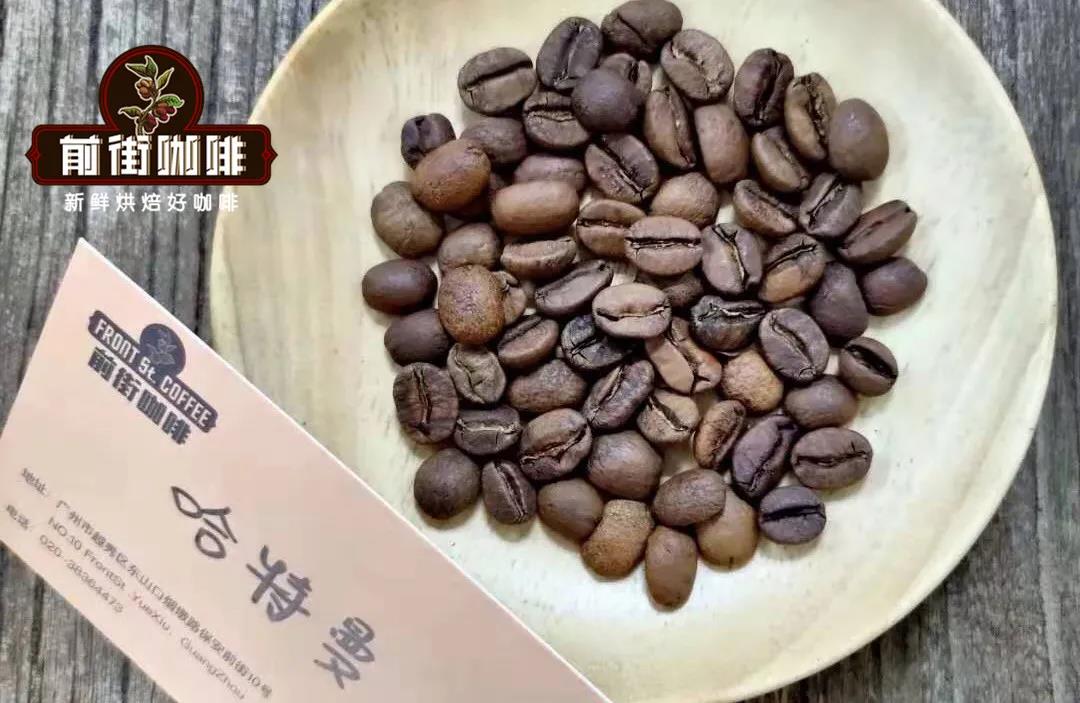
In the roasting phase, it is recommended to use a semi-direct-fire device, such as the Yangjia 800N, with an initial drum temperature set at 200 degrees Celsius. After 30 seconds of dropping the beans in, adjust the heat to 170 degrees, keeping the air vent at setting 3 until the turning point is reached. During the drying stage, gradually reduce the heat and adjust the air vent. Once obvious wrinkles and black speckles appear on the bean surface, you’ve entered the first crack stage. Closely monitor the first crack sounds and adjust heat and airflow appropriately, finally dropping the beans at the target temperature to preserve the unique flavors imparted by the process.
When cupping this coffee, it is recommended to do so within 8 to 24 hours post-roast. Use a 200ml ceramic cup, with water temperature controlled at 94°C, grind size set to 70%-75% through a #20 sieve, and a brew ratio of 1:18.18. The steeping time is about 4 minutes, during which you can distinctly perceive the dry aroma of orange and jasmine, along with the wet aroma of wine and honey. The flavor profile reveals a multi-layered combination of tropical fruits, nuts, red wine, and cane sugar, with bright and complex acidity.
For pour over brewing, it is recommended to use a V60 #01 filter cone, with water at 90°C, a brew ratio of 1:15, and a medium-coarse grind (approximately 80% through a #20 sieve). The step-by-step extraction process is as follows: the first stage involves pouring 30g of water for a 30-second bloom; the second stage adds 95g of water (total 125g) by around 1:05; the third stage adds another 100g of water (total 225g) by around 1:40, for a total extraction time of approximately 2:05. These parameters highlight the coffee’s smooth acidity, wine-like aftertaste, and honey sweetness, while even when cooled, it retains the gentle flavor of brown sugar.
The above content is compiled by CoffeeHunters, a coffee news website.


