








Introduction:Panamanian Geisha coffee, renowned for its distinctive floral aroma, intense fruity notes, and sweet aftertaste, is hailed as one of the representative varieties of specialty coffee. This article delves into the origins of Geisha, the characteristics of its growing regions, and its flavor profile, while also providing three brewing methods—pour over, French press, and cold brew—with detailed parameters and techniques to help you brew a layered and aromatic cup of Geisha coffee at home.
Panamanian Geisha (Geisha) coffee stands out in the global specialty coffee market with its prominent floral notes, tropical fruit aromas, and enticing sweetness. This variety originally comes from an ancient Ethiopian landrace, was later introduced to Panama via Costa Rica, and gained prominence under the careful cultivation of Hacienda Esmeralda, earning numerous international awards for its unique flavors. The microclimates and soil conditions of different regions result in subtle yet distinct flavor variations in Geisha, with those from the Boquete region best showcasing its classic characteristics.
Geisha coffee beans are slender in appearance and, when roasted properly, release aromas reminiscent of strolling through a garden, along with tropical fruit flavors such as citrus, peach, and mango, accompanied by a bright acidity and silky body. This flavor combination often brings to mind Ethiopian Yirgacheffe, but with even greater complexity and distinctiveness. However, due to its high demands on altitude, soil, and climate, the performance of Geisha can vary greatly across regions, making those that truly express its potential all the more precious.

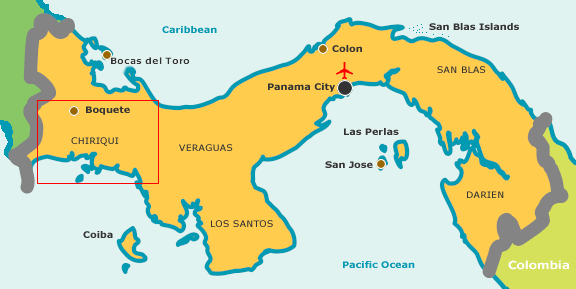
Coffee cultivation in Panama is primarily concentrated in the northern part of the country, especially in Chiriquí Province near the border with Costa Rica and facing the Pacific Ocean, with the Boquete region being the most renowned high-quality producing area. The volcanic soil here is rich in minerals, and the high altitude combined with significant day-night temperature differences provide an ideal growing environment for Geisha. In addition to Boquete, other regions such as David, Remacimeinto, Bugaba, and Tole also produce Panamanian coffees with their own unique characteristics.
Panamanian coffee generally features a smooth mouthfeel, balanced acidity, and rich aromatic layers, with common flavors including jasmine, citrus, berries, caramel, vanilla, and chocolate. For consumers new to specialty coffee, a certain variety of Catuai is an excellent high-value option, allowing you to experience the diverse flavor profile of Panamanian coffee at a reasonable price.
The Geisha variety was first discovered in 1931 in the Gesha forest of Ethiopia, later studied by the Kenya Coffee Research Institute, and subsequently introduced to Uganda, Tanzania, Costa Rica, and other places. It wasn’t until the 1970s that it was brought to Panama by Francisco Serracin, owner of the Hacienda La Esmeralda farm in Boquete, who obtained seeds from the CATIE research center in Costa Rica, marking the beginning of Geisha’s cultivation history in Panama. Due to its limited production and its previous circulation mainly through auctions, Geisha coffee was long enjoyed by only a small number of coffee enthusiasts. Although it has gradually become more accessible, it remains a high-value specialty bean.
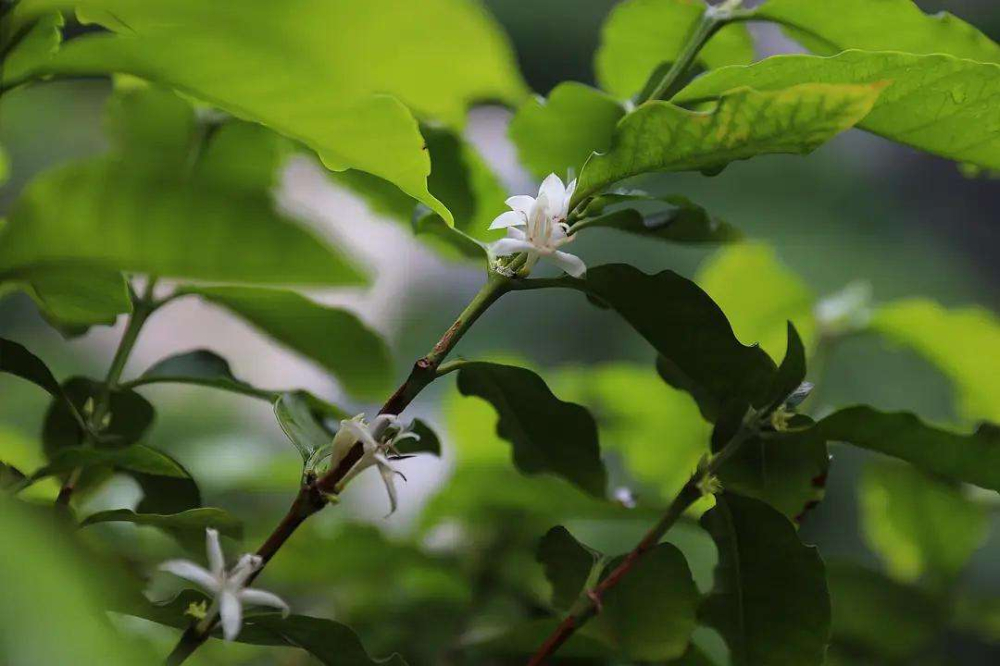
Today’s Panamanian Geisha coffee beans, with their bright acidity, rich fruitiness, and high-level aromatic expression, have become the top choice for many baristas and coffee lovers. Geisha is typically grown at high altitudes, featuring slender leaves and fruit appearance, and its green and roasted beans are also more slender than those of ordinary coffee beans. With proper roasting, Geisha can showcase a spectrum of vibrant tropical fruit flavors such as cherry, citrus, peach, and papaya, along with a unique bergamot (citrus) finish, delivering a clean and well-balanced body that is a frequent champion in coffee competitions.
If you want to brew a cup of Geisha coffee at home, we recommend trying three methods: pour over, French press, and cold brew, each of which can highlight different facets of Geisha’s flavor charm. Below, we’ll detail these three brewing methods and practical parameters to help you easily master the brewing essentials.
Pour Over Geisha Coffee: Showcasing Delicate Layers
Pour over is one of the best ways to bring out the intricate flavors of Geisha coffee. Since Geisha is grown at high altitudes, the beans are relatively hard, so we recommend a grind size of about 78% passing through a Chinese standard No. 20 sieve (similar in size to fine sugar), with water temperature controlled at 90–91°C to help extract flavors without over-extraction.
We recommend using 15 grams of Geisha coffee grounds, paired with a Hario V60 #1 filter, and a 1:16 coffee-to-water ratio (approximately 240 ml total water volume) for brewing. Use a three-pour method: start with 30 grams of water for a 30-second bloom; then pour in a circular motion up to 125 grams, wait for the water level to drop, and then pour up to 225 grams. Keep the total extraction time between 2 minutes 10 seconds and 2 minutes 20 seconds to fully highlight Geisha’s floral, fruity, and sweet layered profile.

French Press Brewing: Rich Fruitiness and Full Body
If you prefer a richer, juice-like coffee experience, the French press is a great choice. We recommend a 1:15 coffee-to-water ratio, such as 15 grams of Geisha coffee beans to 225 ml of hot water, with a slightly coarser grind, similar to coarse sugar granules, to help avoid over-extraction and bitterness.
Heat the water to about 93°C, pour it in and gently stir to ensure the coffee grounds are evenly saturated, then let it steep for 4 minutes. Before pressing the filter, skim off any foam and fine particles to ensure a smooth mouthfeel. After pressing, it’s recommended to pour the coffee immediately into another container to avoid over-steeping, which could affect the flavor, and enjoy a cup of Geisha coffee bursting with rose, citrus, and tropical fruit aromas.
Cold Brew Geisha: A Refreshing Summer Choice
Cold brew is also well-suited for Geisha coffee, highlighting its bright acidity and fruity character. Coarsely grind 15 grams of Geisha coffee beans and mix with 300 ml of cold water at a 1:20 ratio, then refrigerate for 12–16 hours. After extraction, filter the coffee to obtain a refreshing, sweet-and-sour balanced iced Geisha—perfect for summer enjoyment.
No matter which brewing method you choose, Panamanian Geisha coffee can showcase its unique charm as a representative of specialty coffee. By adjusting grind size, water temperature, and brewing time, you can easily replicate a professional-level coffee experience at home and enjoy a cup of Geisha filled with floral and fruity notes.
The above content is compiled by CoffeeHunters, a coffee news website.


