







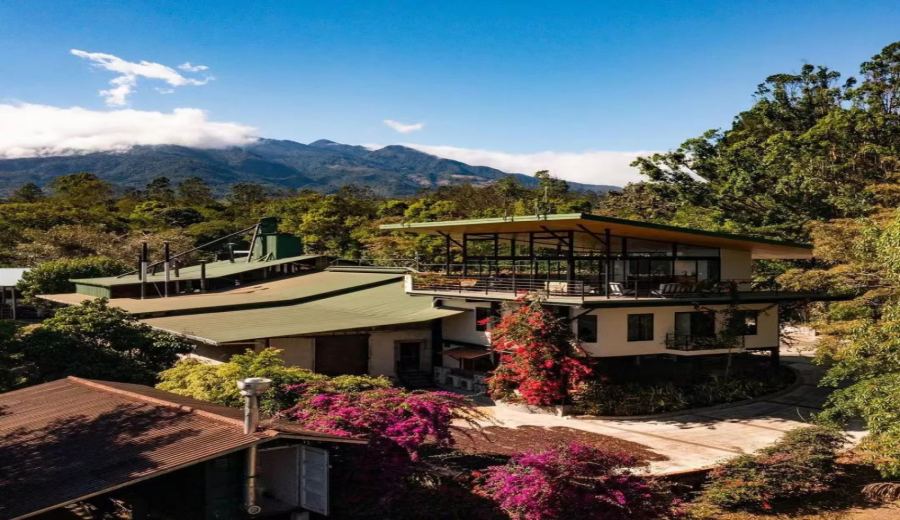
Introduction:Panama Geisha from Hacienda Esmeralda is the pinnacle representative of the global specialty coffee market, but what exactly are the differences between the Red Label, Green Label, and Blue Label? This article delves into the regional background, plot classification, and grading logic to analyze in depth the flavor characteristics, roasting profiles, and optimal brewing methods of the three grades. It also provides actual pricing and tasting recommendations to help you choose the Geisha coffee experience that best suits you.
Since its debut at Panama’s Hacienda Esmeralda, the Geisha coffee variety has quickly risen to become one of the top-tier offerings in the global specialty coffee scene. As the originator and promoter of this variety, Hacienda Esmeralda produces Geisha beans with nuanced differences in microclimate, altitude, and processing methods. These are categorized into three distinct grades—Red Label, Green Label, and Blue Label—each showcasing different layers of flavor and value positioning.
Many coffee enthusiasts often wonder: why offer multiple products of the same variety? In reality, these three Geisha offerings are not just market segmentations, but are rigorously graded based on factors such as cultivation plots, auction vs. non-auction batches, and processing details. The Red Label is the top-tier auction-grade Geisha, typically offering the richest and most complex aromas and flavors; the Green Label is a high-quality non-auction batch with excellent cost-performance; and the Blue Label serves as an entry-level option, suitable for those trying Geisha flavors for the first time.
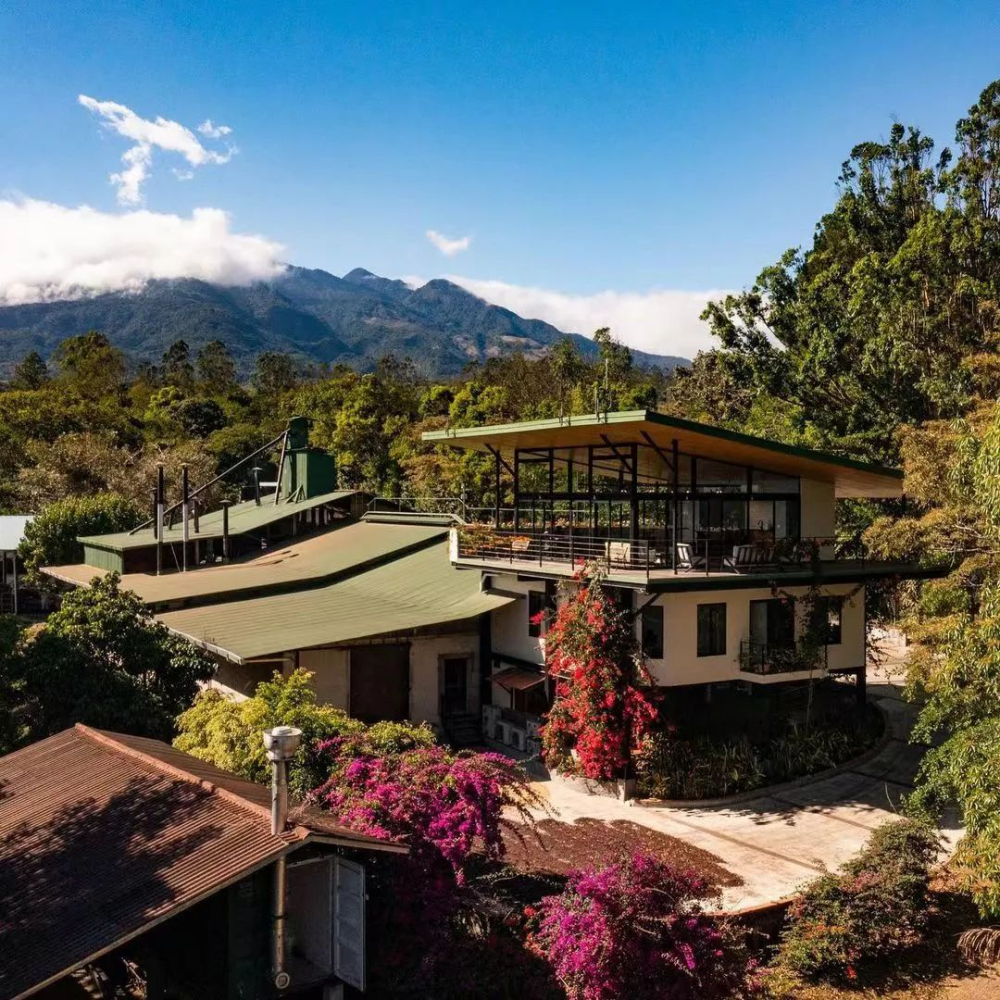
Located in the Central American isthmus, Panama borders Costa Rica to the north, Colombia to the south, the Pacific Ocean to the west, and the Caribbean Sea to the east. This unique geography creates a distinctive microclimate. Especially in the western highlands of Boquete and Volcán – Candela, where altitudes generally exceed 1,600 meters, coupled with the cooling effect of Pacific air and the shelter of the central mountain range, the region enjoys large diurnal temperature variations and moderate humidity—ideal conditions for growing specialty coffee. Hacienda Esmeralda is situated in this area and owns several classic Geisha cultivation plots.
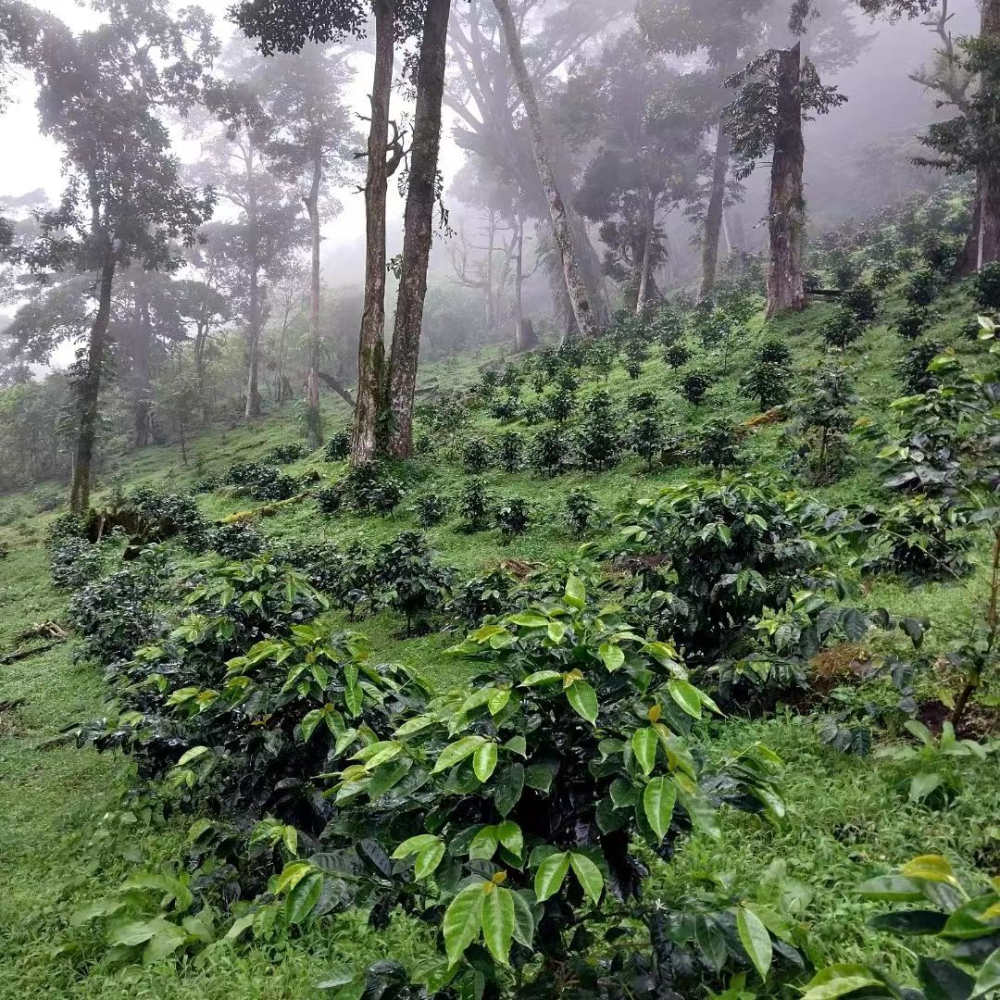
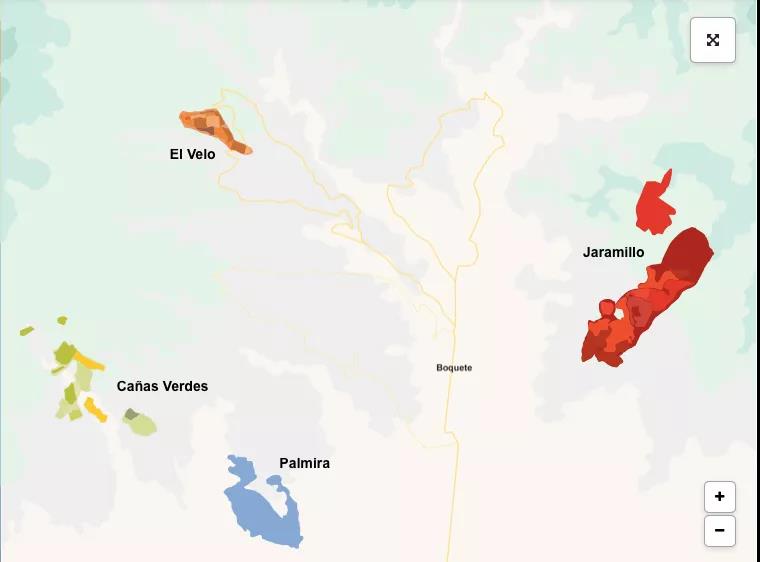
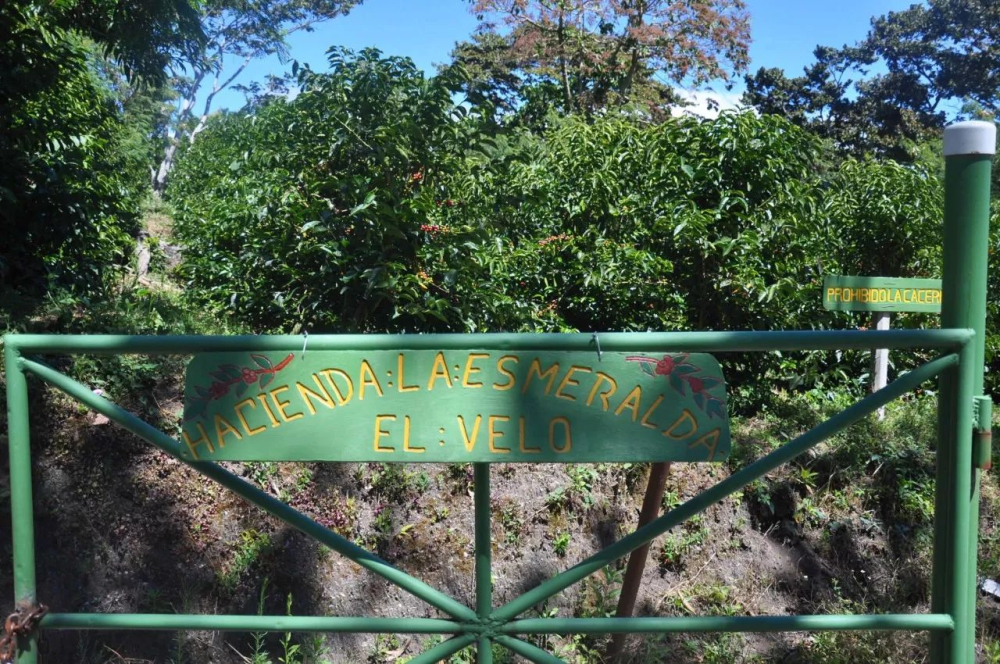
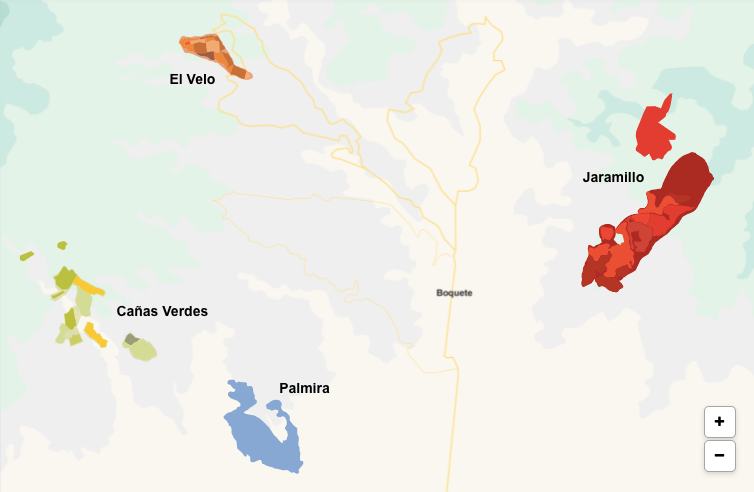
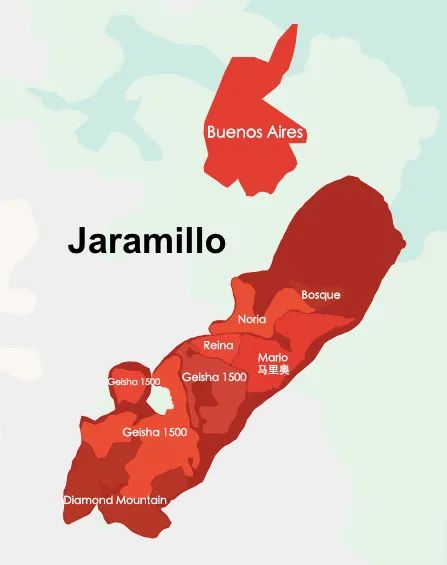
The Geisha-growing regions under Hacienda Esmeralda are mainly divided into three core plots: Jaramillo, Canas Verdes, and El Velo. Jaramillo sits at an altitude of about 1,600 to 1,700 meters, with an average annual temperature of 19–25°C and abundant rainfall of around 4,000 mm, serving as the primary source for Red Label and some Green Label Geishas. Canas Verdes, at a slightly higher altitude of 1,600 to 1,800 meters, experiences slightly cooler temperatures and less rainfall (around 3,500 mm), primarily supplying the Green Label grade. As for the newly developed El Velo plot, it reaches even higher altitudes of 1,700–1,900 meters, and besides Geisha, it also experiments with diverse varieties such as Laurina and Pacamara.
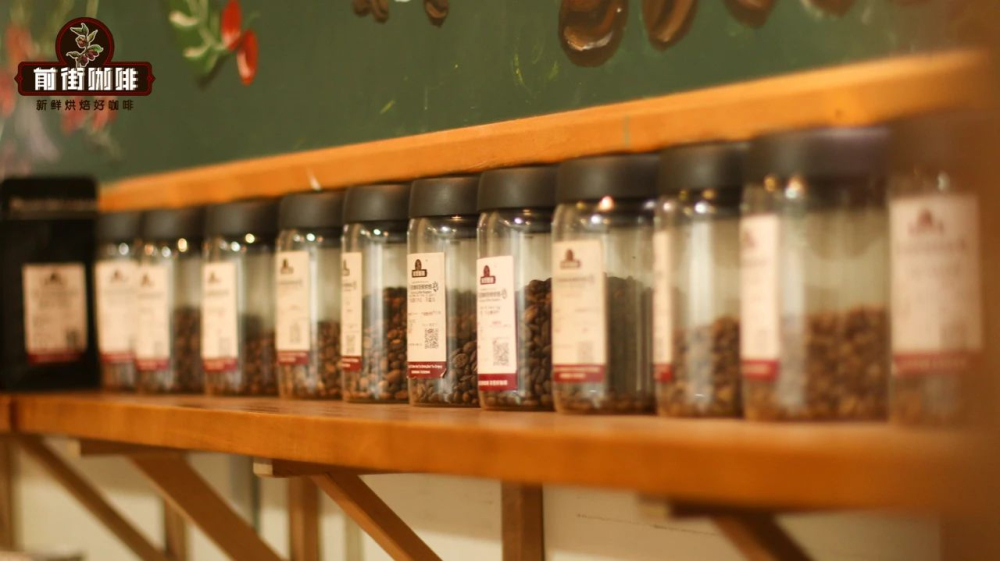
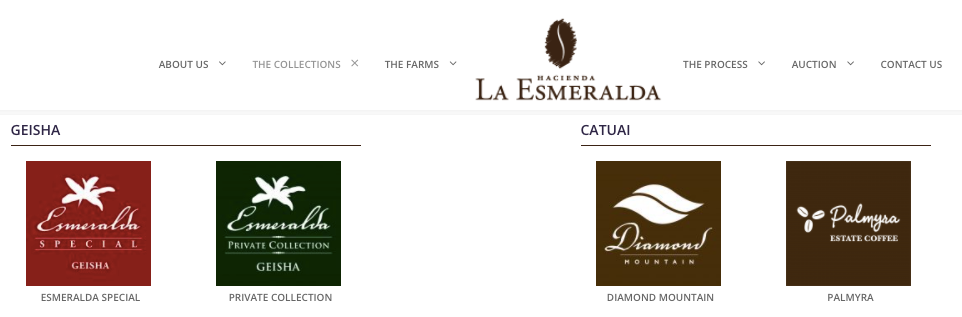
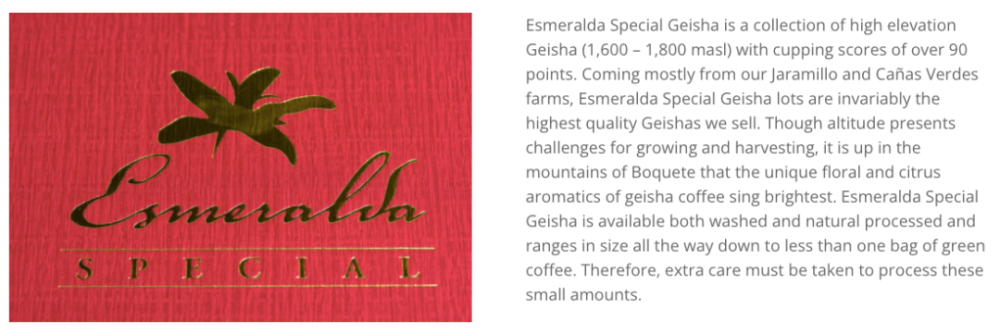
Hacienda Esmeralda has a highly systematic approach to Geisha grading and marketing. Based on region, cupping results, and auction eligibility, its products are divided into five major brand series. Those directly related to Geisha include: Esmeralda Special, Private Collection, and Geisha1500. These three series correspond to the well-known Red Label, Green Label, and Blue Label in the market. The Red Label mostly comes from auction batches and is the highest grade; the Green Label is a high-quality non-auction offering, while the Blue Label is intended for entry-level promotion.
People often ask: are auction-batch Geishas necessarily more delicious? In reality, auctions reflect market value and scarcity, but flavor performance still depends on that year’s climate, processing, and cupping results. However, it’s certain that auction batches usually come with higher prices and limited supply. It’s understood that the single-cup price of the Red Label Geisha from one channel is around 75 RMB, the Green Label is 60 RMB, and the Blue Label is an entry-level 30 RMB, catering to consumers with different budgets and needs.
In terms of roasting strategy, this coffee brand employs a light roast for all three Geisha grades to highlight the floral, citrusy notes and bright acidity that Geisha is most proud of. However, depending on the plot and altitude conditions, roasters will fine-tune factors such as heat, airflow, and development time to bring out the unique character of each plot.
Taking the Red Label as an example, its charge temperature is 150°C, with an initial flame setting of 120 and airflow at 3. At the turnaround point of 1’36”, when the drum temperature drops to 140°C, the airflow is adjusted to 4, and at 147.6°C, the bean surface turns yellow, the grassy aroma fades, and the drying phase begins. Then, at 150°C, the flame is reduced to 100 to stabilize the drying. By 7’38”, when the bean surface shows wrinkles and dark spots, it enters the pre-first crack stage, and at 8’10”, first crack begins. It is finally dropped at 189.5°C with a development time of 1’28”.
The Green Label’s roasting parameters differ slightly: charge temperature is 160°C, flame at 110, airflow at 3, and turnaround at 1’28”. When the bean surface turns yellow at 153.3°C and the grassy aroma dissipates, the flame is adjusted to 90 to steadily enter the drying phase. First crack starts at 7’50”, airflow is increased to 4, with a development time of 1’20”, and it is finally dropped at 192.5°C.
The Blue Label uses an even higher charge temperature of 180°C, with the yellowing point reached at 5’20” at 151.6°C. First crack appears at 8’30” at a drum temperature of 181.8°C, with a development time of 1’28”, and it is finished at 190°C. The overall flavor profile is fresher, with a softer mouthfeel.
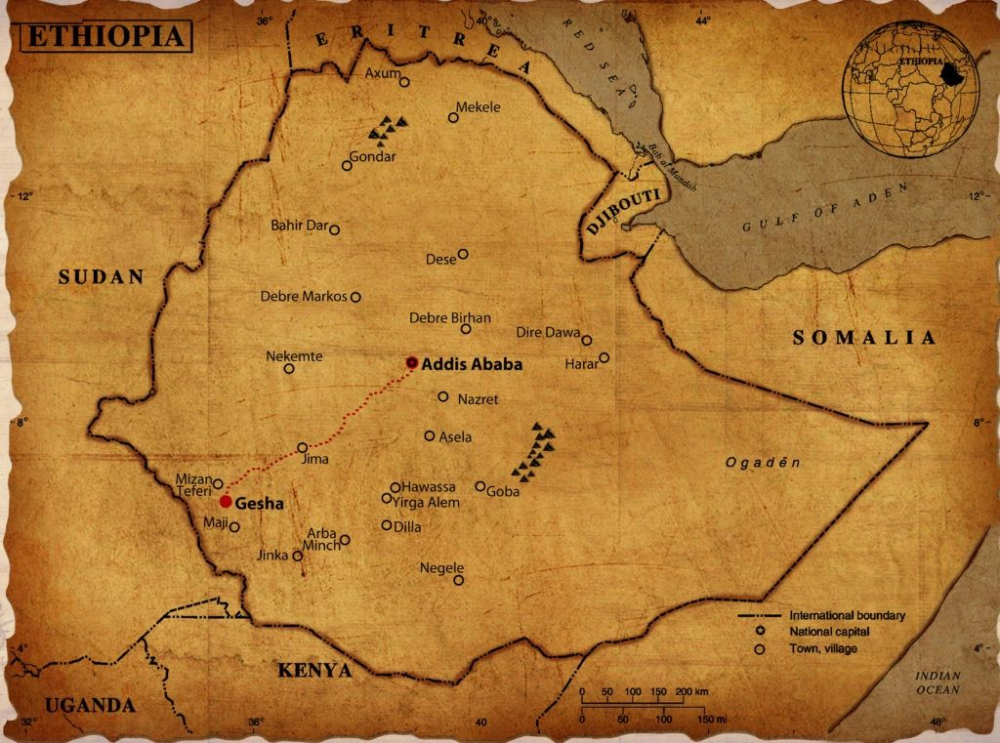
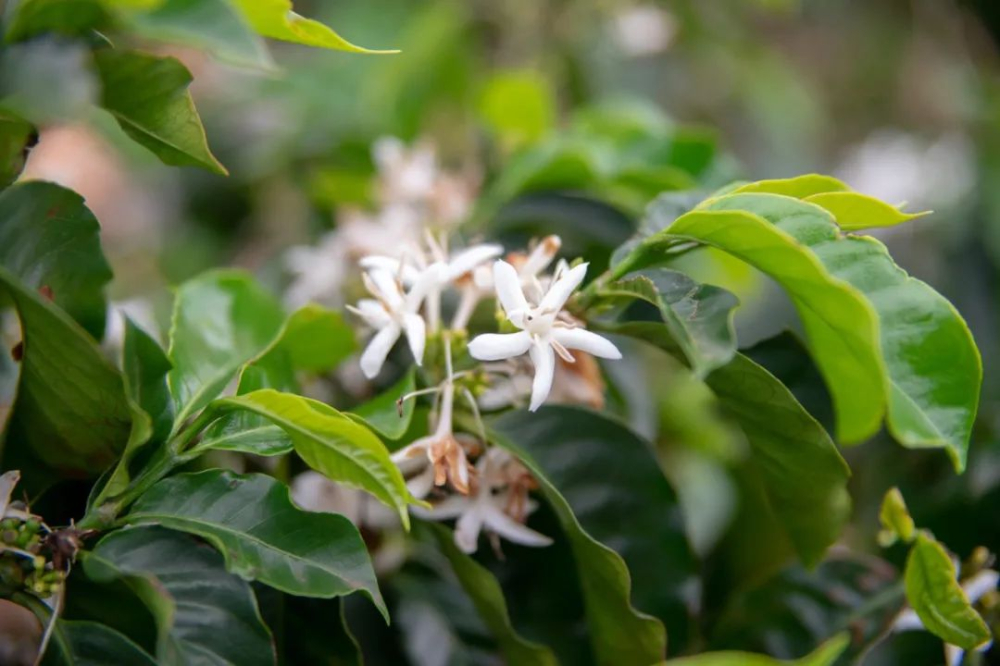
In cupping flavor profiles, the Red Label exhibits strong citrus, lemon, honey, and berry aromas. On the palate, it offers a pronounced tea-like body and creamy texture, with rich layers and a long aftertaste. The Green Label features jasmine and ginger lily as dominant notes, paired with sweet orange, honey, and almond aromas, delivering an overall balance with vibrant fruitiness. The Blue Label, as an entry-level option, has a fresher profile, based on citrus and lemon, with soft notes of honey and nuts, making it ideal for those new to Geisha.
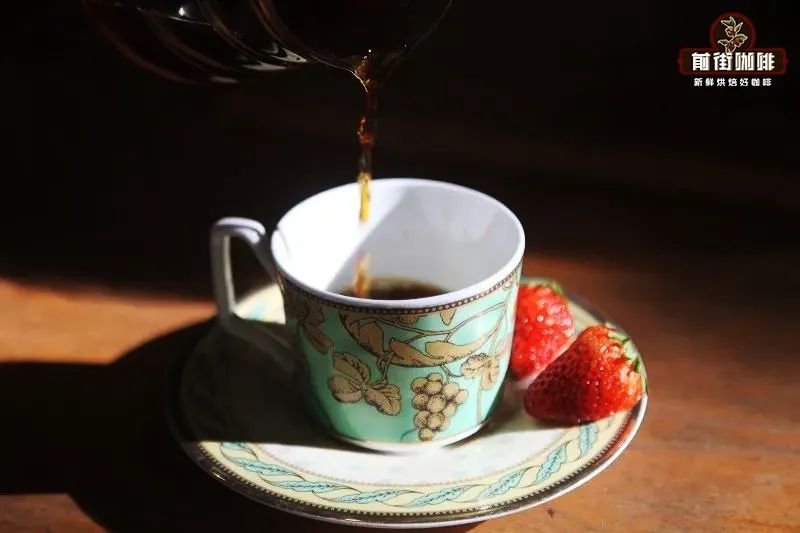
To fully showcase the delicate flavors of these three Geisha grades, it is recommended to use a Hario V60 filter cone, with water temperature controlled at 90°C, a 1:15 coffee-to-water ratio, and a grind size equivalent to 80% through a Chinese standard No. 20 sieve (fine sugar-like). These parameters help improve extraction efficiency and fully highlight Geisha’s acidity and aroma.
The brand recommends a three-stage pouring method: start with a 30-second bloom using 30 grams of water, then pour in small circles to reach 125 grams for the first pour. After the water level drops, continue pouring to 225 grams, with total extraction time kept around 2 minutes. This method effectively balances acidity, sweetness, and body, highlighting the distinctive floral and fruity notes of Geisha.
In summary, the three Geisha products from Hacienda Esmeralda in Panama—whether you’re pursuing the ultimate flavors of the Red Label, the great value of the Green Label, or the introductory experience of the Blue Label—each have their own unique appeal. Understanding their regional backgrounds, roasting details, and brewing recommendations will help you enjoy a richer sensory experience and make the most suitable choice based on your personal preferences.
The above content is compiled by CoffeeHunters, a coffee news website.


