








Introduction:Why does the same coffee bean produce such distinctly different flavor experiences when brewed as cold brew versus pour over? The answer lies in the scientific principles of brewing temperature, method, and concentration. This article takes an in-depth look at the key differences between these two popular brewing methods — from ice-water slow extraction to high-temperature rapid brewing — analyzing how they influence the balance of acidity, sweetness, and bitterness, the layers of aroma, and the mouthfeel. Through real-life examples, we’ll also help you master the tricks to choosing and adjusting your brew.
Many coffee enthusiasts, when visiting a café, often curious order both a cup of cold brew and a cup of iced pour over — insisting on using the exact same coffee bean — just to personally experience the subtle differences between the two. Every time they try both, almost everyone can't help but exclaim: How can it taste so different when it's the same beans? This phenomenon leads us to the core question we’re exploring today — how does the same coffee bean yield such different flavor profiles under different brewing methods?
The answer actually lies in multiple brewing parameters, including water temperature, method, time, and concentration. To explain more clearly, we’ll use Huakui 8.0 as an example and compare its performance in cold brew and iced pour over. While we’ve omitted specific brewing steps, the parameter settings in the experiment are still valuable for reference. It’s important to note that after cold brew is completed, it must first be filtered through a filter before adding ice, in order to proceed with taste evaluation.
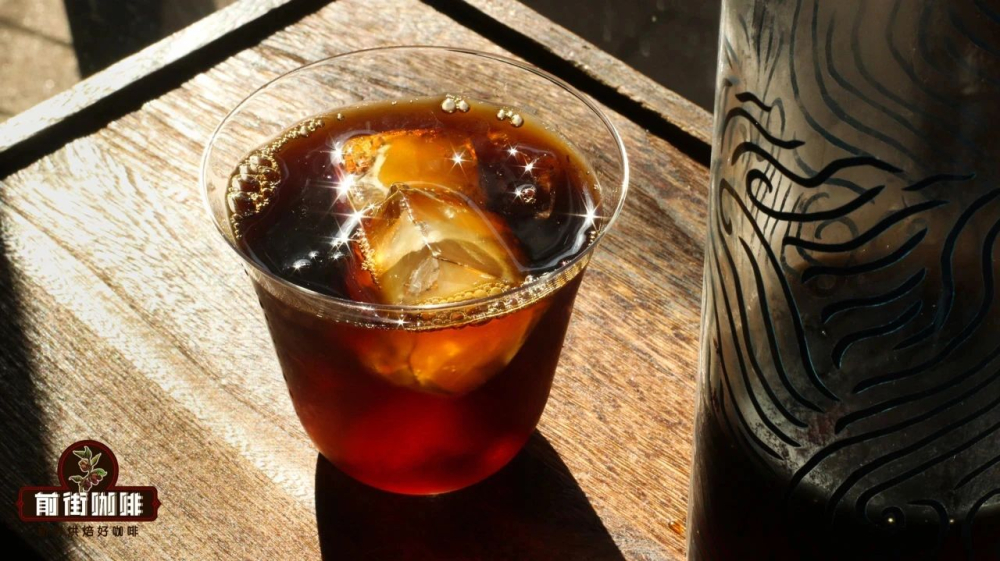
After actual tasting, it was found that the iced pour over version of Huakui exhibited distinct strawberry and citrus notes, accompanied by a creamy and melon-like sweetness. The overall mouthfeel was refreshing yet full-bodied, with rich aroma layers, though it was still slightly inferior compared to hot pour over. In contrast, the cold brew version showcased berry and citrus aromas, with a rounder acidity, a thicker mouthfeel, and a hint of unique fermentation notes. This comparison clearly illustrates how the brewing process decisively impacts the final flavor of coffee.
Some might ask, why is the difference between pour over and cold brew more pronounced than with other brewing methods? For instance, the difference between hot pour over and iced pour over doesn’t seem as dramatic. The key lies in “water temperature” — this is the biggest and most fundamental difference between them.
Whether it’s hot pour over or iced pour over, both use hot water for extraction. High temperatures quickly dissolve various flavor compounds in the coffee, so the entire process usually only takes two to three minutes. However, high temperatures also mean that aromas are more likely to volatilize, which is why pour over coffee is best consumed fresh, as its flavors don’t last long.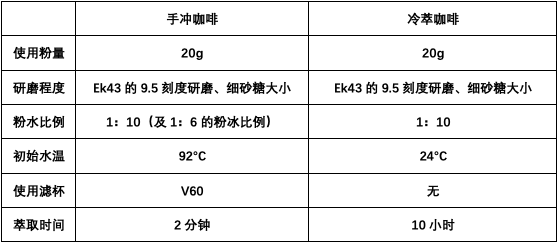
Cold brew is the complete opposite — it uses cold water for extraction. Because cold water dissolves flavor compounds at a very low rate, the brewing time has to be significantly extended, typically ranging between 8 to 12 hours, and some enthusiasts even steep it for as long as 24 hours. This slow extraction method, while time-consuming, allows for the full release of various components in the coffee, and also naturally increases the concentration of the cold brew. Cold brew can usually be stored in a cool environment for about five days, but as time goes on, its aroma layers gradually decline while the fermented notes become more pronounced.
It’s worth noting that water temperature not only affects brewing time but also directly determines the solubility rate of various coffee compounds. Coffee contains a variety of substances such as quinic acid, amino acids, tannins, caffeine, and oils — all of which together shape the flavor profile of the coffee. The efficiency with which these components are released is closely related to water temperature:The lower the water temperature, the harder it is for certain substances (like caffeine) to dissolve.

Take caffeine as an example — it’s one of the main contributors to bitterness. Under lower water temperatures, caffeine is not easily extracted, and even extending the steeping time can’t fully compensate. This means cold brew coffee generally contains much less bitter compounds than pour over, and even with the same brew ratio, its overall bitterness is relatively mild. The reduction in bitterness also allows the flavors of acidity and sweetness to occupy a larger proportion of the taste experience, thereby amplifying their expression. This is why cold brew tastes less bitter, with more prominent acidity and sweetness.
Besides water temperature, the “extraction mechanisms” of the two brewing methods are also vastly different. Pour over is a “drip filtration extraction” method, where hot water passes through the coffee grounds, extracting the flavor compounds; whereas cold brew is an “immersion extraction” method, where coffee grounds and cold water are left to steep together, allowing the flavors to naturally seep out.
During the dripping process, because fresh hot water continuously flows through the coffee bed, the concentration gradient is constantly renewed, helping to improve overall extraction efficiency. However, because different parts of the coffee bed experience varying contact conditions, this also leads to a richer layering in extraction.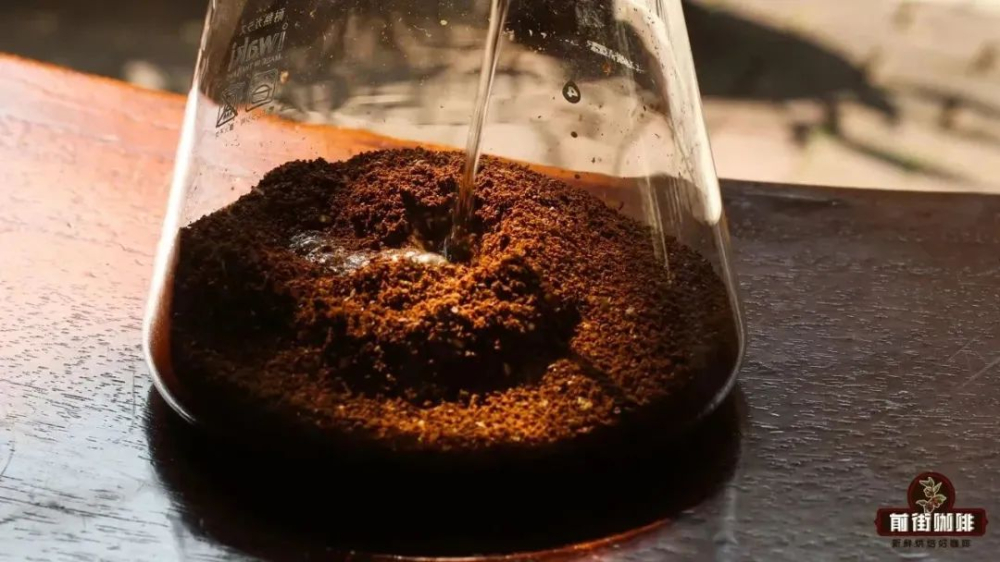 In contrast, immersion extraction occurs in a static state, where the concentration gradient gradually balances over time. Once a stable state is reached, the extraction efficiency begins to decline. However, precisely because all the coffee grounds are immersed in the same concentration environment, the final brew often ends up with a more uniform, mellow taste. Though the layering may not be as distinct as with drip filtration, it offers another kind of delicate balance.
Additionally, during the long steeping process, cold brew naturally develops certain fermented flavors, further distinguishing its flavor profile from that of pour over.
Finally, we can’t overlook the “concentration difference.” Although both iced pour over and cold brew often use a 1:10 coffee-to-water ratio, the final coffee concentration actually differs due to the different purposes of adding ice. With pour over, adding ice is mainly to cool the coffee down, but because of the large temperature difference between hot coffee and ice cubes, the ice melts quickly, which can easily dilute the coffee liquid and thereby affect the overall concentration and flavor intensity.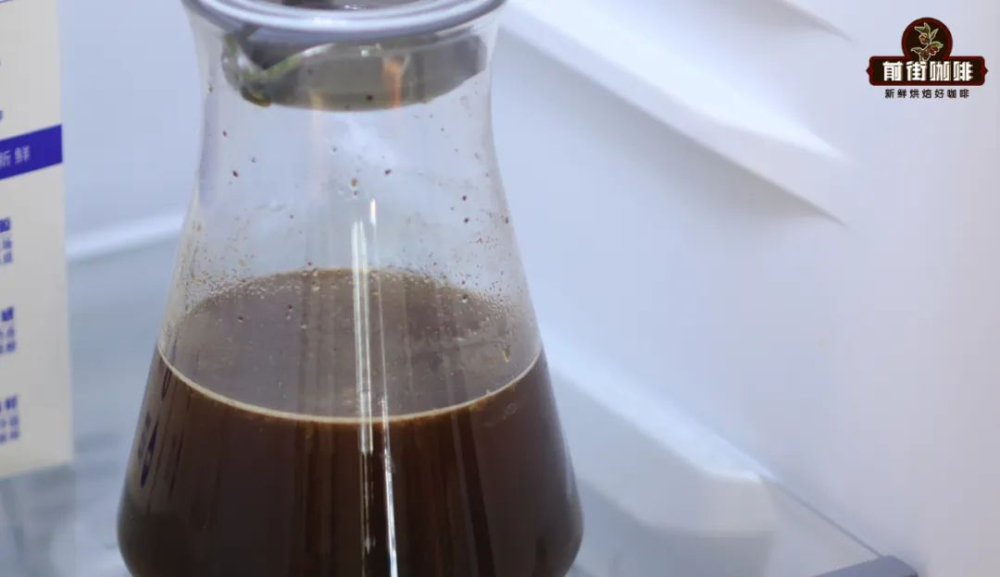
On the other hand, the ice added to cold brew is primarily used to maintain a low temperature and provide moderate dilution. Since the coffee liquid itself isn’t very hot, the ice melts more slowly, so the fluctuation in concentration is relatively smaller. Concentration levels directly impact the taste intensity and mouthfeel of the coffee — and this is also one of the key reasons why the same beans and the same coffee-to-water ratio can still result in significant differences between cold brew and pour over.
The above content is compiled by CoffeeHunters, a coffee news website.


