








Introduction:On a hot summer day, a cup of coffee with vibrant fruity aromas can instantly awaken your taste buds. This article selects three uniquely flavored yet equally refreshing limited-edition summer coffee beans: the washed Yirgacheffe "GuDingDing Cooperative", the sweet and tangy Kenyan "Little Tomato", and the layered Colombian "Sidra". Discover their distinctive fruity acidity profiles and recommended brewing methods, along with practical iced pour-over parameters to help you easily enjoy professional-grade fruity iced coffee at home.
When high temperatures kill your appetite, a juice-like coffee might just be the savior your taste buds need. Coffee beans originate from the seeds of coffee cherries, whose outer flesh is rich in organic acids such as citric acid, malic acid, and lactic acid. These acids are released during roasting, creating the refreshing acidity and fruity notes commonly found in coffee. Below are three fruit-forward coffee beans especially suitable for summer drinking. From flavor profiles to brewing suggestions, we’ll help you find your perfect match.
Bright Acidity Washed Yirgacheffe "GuDingDing Cooperative"

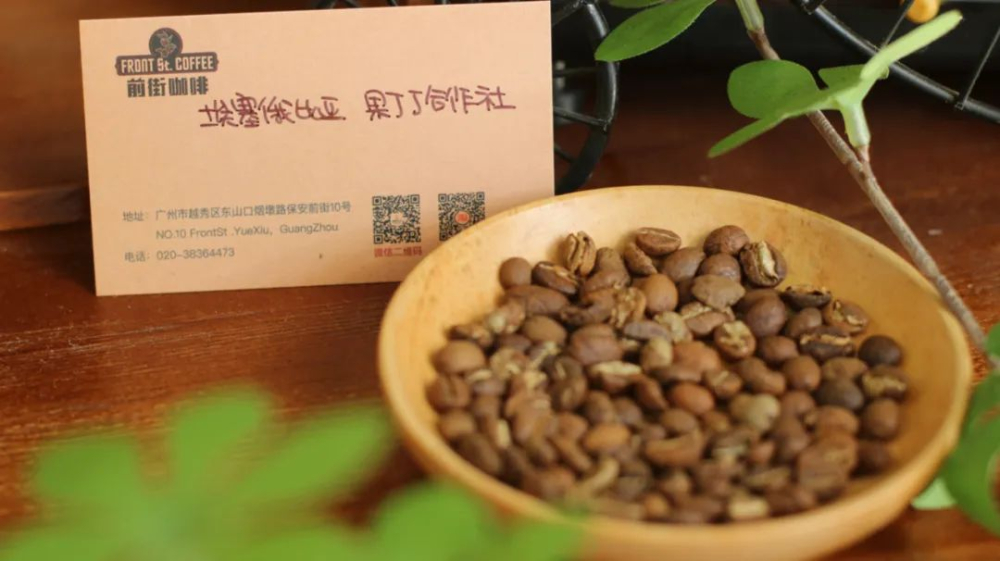
The GuDingDing Cooperative from Ethiopia’s Yirgacheffe region is a classic representative of the washed processing method. This bean uses traditional washed processing, where repeated washing with large amounts of water removes the pulp, resulting in a clean and clear base. With prominent lemon aroma as the foundation, accompanied by delicate jasmine notes and a tea-like light body, its acidity is bright yet not overly sharp—perfect for coffee lovers who enjoy a refreshing flavor. It’s recommended to brew using iced pour-over or cold brew to better highlight the balance between its tea-like quality and fruity acidity.
Berry and Cherry Tomato Flavors of Kenyan "Little Tomato"
Unlike traditional Yirgacheffe, the Kenyan "Little Tomato" showcases highly distinctive sweet and tangy characteristics. This bean comes from Kenya’s high-altitude regions, where the phosphate-rich soil, combined with the use of the locally renowned SL28 and SL34 varieties, along with a unique double-washed process, gives the coffee rich berry acidity and unique cherry tomato and dark plum flavors. The medium-light roast enhances the three-dimensionality of the sweet and sour profile, and you can also feel a gentle caramel sweetness upon tasting—making it an excellent choice for serving with ice cubes or making iced lattes.
Complex Tropical Fruit Profile of Colombian "Sidra"
Sidra is a star variety frequently seen in recent international competitions, originating from Colombia. The most captivating aspect of this bean is its layered and varied tropical fruit aromas, ranging from passion fruit and grapes to blueberries, even with a hint of dried fruit sweetness. Its flavor structure is complex and dynamic. Whether brewed via pour-over, cold brew, clever dripper, moka pot, or as an SOE single-origin, it showcases its unique charm. A medium-fine grind is recommended to highlight the vibrancy of its fruity profile.
Lazy Person’s Must-Learn: Practical Iced Pour-Over Parameters for Fruity Coffee
To easily brew a fruity iced coffee at home, just master a few key parameters. Taking the washed GuDingDing as an example, it’s recommended to use a V60 filter, with water temperature controlled at 92-93℃, coffee dose 15 grams, and add 75 grams of ice cubes. The coffee-to-water ratio is suggested to be 1:10, with a grind size about the size of fine sugar (20-mesh standard sieve extraction rate 78%). Use a three-stage pouring method: the first stage involves pouring hot water equal to twice the coffee dose (about 30 grams) for a 30-second bloom 30 seconds; the second stage uses a small stream to pour in a circular motion from the inside out until reaching 95 grams, then pause; after the coffee bed drops, continue pouring until reaching 150 gramsto complete extraction, with a total time of about 2 minutes. This method fully brings out the coffee’s fruity acidity and aroma, making it especially suitable for summer drinking.
The above content is compiled by CoffeeHunters, a coffee news website.


