







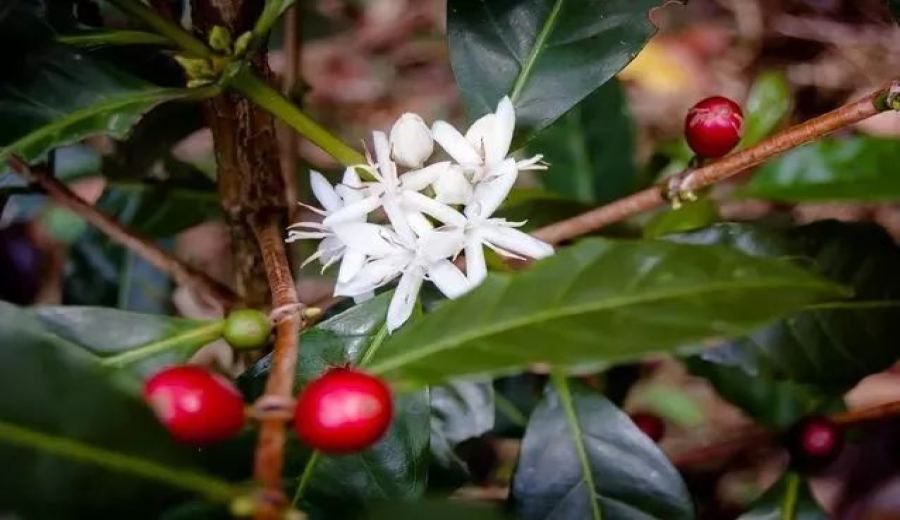
Introduction:Want to explore the unique charm of Guatemalan coffee? This article delves into the advantages of volcanic soil in the Antigua region, its historical background, and focuses on the Flora coffee from the Laminta Estate, covering the characteristics of Bourbon and Caturra varieties, the washed processing method, as well as pour over brewing recommendations and flavor profile — giving you a comprehensive understanding of this specialty coffee with floral, citrus, and caramel notes.
Guatemalan coffee has long been known for its rich, full-bodied flavor, smoky aroma, and distinct layers. Among these, the Antigua region is the epitome of this flavor profile. Not only does it produce the classic “smoky coffee” flavor, but the volcanic terrain and high altitude also give the beans unique notes of nuts, chocolate, and bright acidity. This article will detail Guatemala’s geography and growing conditions, the unique advantages of the Antigua region, and the highly acclaimed Flora coffee from the Laminta Estate — from variety and processing method to pour over parameters, helping you grasp the charm of this specialty coffee in one go.
Guatemala is located in Central America, bordered by Mexico to the north, El Salvador and Honduras to the south, the Caribbean Sea to the east, and the Pacific Ocean to the west. The terrain is diverse, encompassing highlands, volcanoes, tropical rainforests, and coastal plains. The region features a varied climate with numerous microclimates, and most coffee-growing areas are situated between 1,300 and 1,800 meters above sea level, enjoying large diurnal temperature variations that provide an ideal environment for Arabica coffee. About 45% of the country’s coffee is classified as specialty grade, and nearly all of it is processed using the washed method, ensuring purity and consistency in flavor.
The history of coffee cultivation in Guatemala dates back to the mid-18th century, when it was first introduced by European missionaries and gradually developed into an important cash crop in the 19th century. In the 1880s, the government actively promoted coffee exports, making it a major export commodity. However, this history also carries the shadow of indigenous land expropriation, leading to a concentration of coffee-growing regions in the southern highlands. Today, the country is divided into eight major coffee-growing regions, each exhibiting distinct flavor characteristics due to differences in altitude, soil, and microclimate. Among them, Antigua stands out as one of the most representative regions, thanks to its long history and unique volcanic soil.
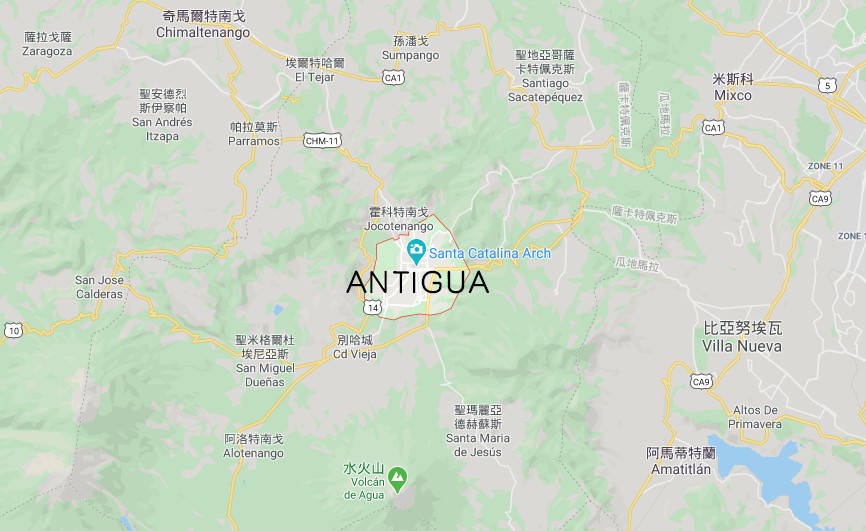
The Antigua region is nestled in a valley between three active volcanoes — Agua, Fuego, and Acatenango. Among them, Fuego Volcano still erupts intermittently, enriching the surrounding soil with abundant mineral nutrients. These volcanic soils, formed from eruptions, are not only rich in potassium and various trace elements but also have excellent drainage, providing optimal growing conditions for coffee trees. Additionally, the region retains large areas of pristine forests, which promote the accumulation of organic matter in the soil, allowing coffee cherries to absorb more flavor precursors. These natural conditions contribute to the distinctive flavor of Antigua coffee — rich, clean, and with a unique smoky aroma.
Among the many coffee estates in Antigua, the Laminta Estate stands out for its rigorous management and exquisite cultivation techniques. This estate primarily grows two classic Arabica varieties: Bourbon and Caturra. The Bourbon variety is known for its mild acidity, wine-like aftertaste, and rich aroma; while Caturra is valued for its higher yield, strong disease resistance, and ability to thrive at high altitudes. The combination of these two varieties gives the Flora coffee a bright acidity, complex aroma, and good body.
The Laminta Estate specifically entrusts the renowned local washed processing mill Las Pastores with the refinement of its green beans. Using the traditional washed method to remove pulp and impurities, it not only preserves the coffee’s original flavors but also results in a cleaner and brighter taste. During the processing, the estate strictly controls fermentation time and water temperature to ensure consistent high quality across every batch. In addition, the estate conducts soil tests twice a year and adjusts its fertilization strategy based on the results, applying fertilizer approximately three times a year and supplementing with trace elements such as zinc, boron, and copper to enhance plant health and prevent disease.
Washed processing is the predominant method for coffee in Guatemala. This approach effectively highlights the unique terroir characteristics of the region and is also the preferred entry point for many coffee enthusiasts exploring the country’s coffee. Compared to the natural (sun-dried) method, washed processing delivers a cleaner, brighter acidity, reduces fermentation-related flavor interference, and makes the fruit, floral, and sweetness profiles of the coffee more distinct. The Flora coffee from this region is produced using this very method, ensuring delicate flavors are preserved alongside exceptional clarity.
If you’d like to brew the Flora coffee at home to bring out its captivating flavors, it is recommended to use a V60 filter cone with a medium-fine grind (approximately 80% passing through a Chinese No. 20 standard sieve). Set the water temperature to around 90°C and use a coffee-to-water ratio of 1:15 (for example, 15 grams of coffee beans to 225 milliliters of water). Start with a 30-second bloom using 30 grams of water to awaken the coffee grounds and release carbon dioxide; then pour water in small circles up to 125 grams for the first pour, followed by continuous pouring until you reach 225 grams, then stop and wait for the drips to finish. The total extraction time should be around 2 minutes. These parameters will fully highlight the Flora coffee’s citrus acidity, delicate floral notes, and caramel sweetness in the aftertaste.
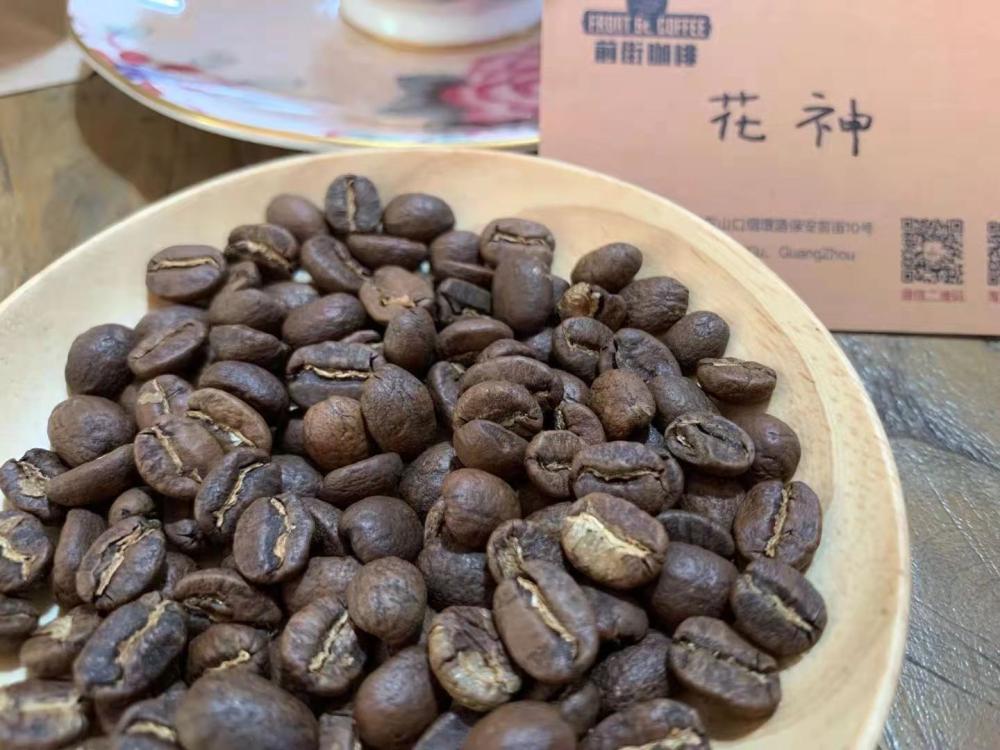
The flavor profile of Guatemalan Flora coffee is quite rich. The cup opens with a distinct citrus acidity, reminiscent of the freshness of lime or lemon, accompanied by delicate floral and berry notes. The mid-palate reveals a moderate body and molasses-like sweetness, while the finish leaves a hint of honey-like sweetness and a touch of smokiness. The overall profile is balanced and layered, making it a premium coffee that’s perfect for savoring.
The above content is compiled by CoffeeHunters, a coffee news website.


