







Introduction:Espresso is the foundation of many classic coffee drinks, but its variations are incredibly diverse—from Ristretto, Lungo, and Doppio with different extraction parameters, to water-diluted Americano and Long Black—each with its own unique flavor and brewing logic. Milk-based coffees such as Cappuccino, Flat White, Latte, Macchiato, Cortado, Affogato, and Irish Coffee vary greatly in milk foam thickness, coffee-to-milk ratio, and cultural background. This article delves into the key differences and brewing details of these two major coffee families, helping you master the essence of each drink and offering practical tips so you can recreate them easily at home.
Espresso is the core of the Italian coffee system, serving as a base whether using dark or light roasted beans. However, the "family members" that stem from it often cause confusion—for example, Ristretto, Lungo, Doppio, Americano, etc., each differing significantly in extraction time, coffee-to-water ratio, and taste. Moreover, milk-based drinks such as Cappuccino, Flat White, Latte, Macchiato, Cortado, Affogato, and even Irish Coffee showcase rich diversity in milk foam texture, coffee-to-milk proportion, and regional culture. This article will break down the characteristics and key brewing points of these two categories in detail, so you can fully understand the true differences between them.
The Espresso Family
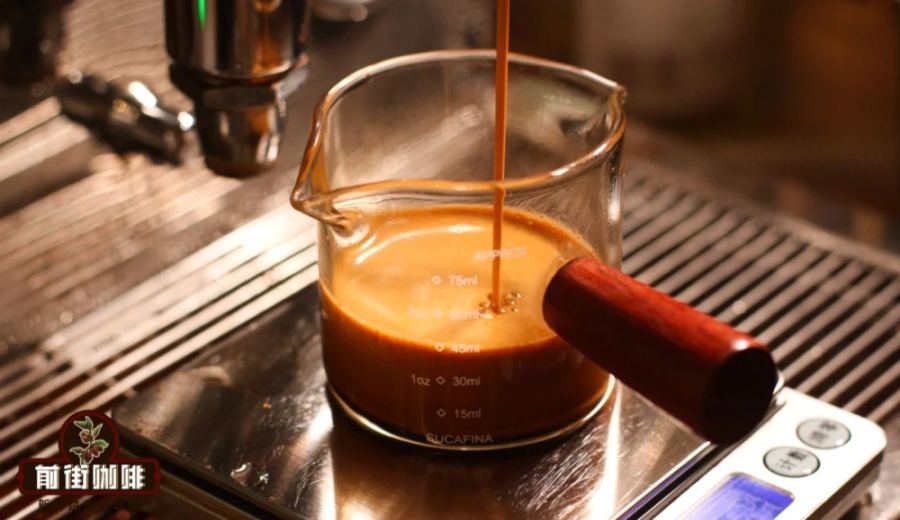
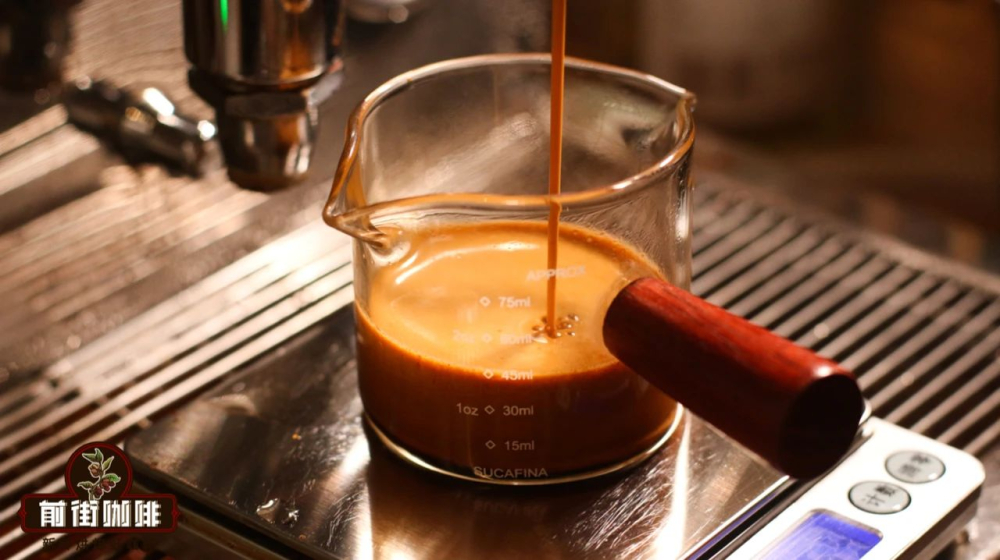
Espresso, meaning "fast" in Italian, is characterized by high pressure and short extraction time. Typically, 18 to 20 grams of coffee grounds are used with hot water at about 90 to 92°C, extracted under nine atmospheres of pressure for 20 to 30 seconds to produce 25 to 30 milliliters of concentrated coffee liquid. Since the crema layer dissipates very quickly, it’s recommended to drink it within 25 seconds of extraction to enjoy the optimal flavor. The crema layer of Espresso is key to its flavor and mouthfeel, and is the soul of Italian coffee.
Ristretto (Ristretto)
Ristretto can be seen as a more concentrated essence version of Espresso, using a similar coffee dose and grind size, but with roughly the same extraction time while yielding only about half the volume—around 15 to 20 milliliters. Due to the reduced extraction amount, Ristretto has a thinner body and less pronounced aftertaste, but the flavors are more concentrated, intense, and the finish has a stronger burst. It’s suitable for coffee lovers who enjoy a strong taste but don’t want to consume too much liquid in one go.
Lungo (Lungo)
Lungo means "long," and its extraction time is longer than Espresso, usually exceeding 30 seconds, with a yield of up to 60 milliliters. To avoid over-extraction, the coffee grounds need to be ground coarser and the water flow speed increased. The flavor of Lungo is relatively mild, with lower concentration but higher extraction yield—it has the richest crema among Espresso and Ristretto. Though the volume is greater, the overall flavor still retains the essence of Espresso, making it ideal for those who prefer a slightly larger drink but still want to preserve the concentrated taste.
Doppio (Double Espresso)
Doppio in Italian means "double," which is the common double shot of Espresso, using twice the amount of coffee grounds to extract about 50 to 60 milliliters of concentrated coffee liquid. This is the most basic double Espresso, often used as the base for other milk-based coffees.
Americano (Americano)
The history of Americano dates back to World War II, when American soldiers were not accustomed to the strong taste of Espresso, so they diluted it with water, leading to the Americano we know today. A common method is pouring hot water into Espresso, which destroys the crema layer and makes the coffee flavor lighter. It’s suitable for those who prefer milder coffee but still want to retain some of the concentrated flavor.
Long Black (Long Black)
Long Black originates from Australia and New Zealand, and like Americano, it combines Espresso with water—but the method is reversed: hot water is poured first, then the Espresso. This method preserves the full crema layer, and the ratio of water to Espresso is usually maintained at 2:1, resulting in a more intense overall flavor than Americano, making it an ideal choice for those who prefer the concentrated flavor but want to drink a larger volume.

Milk Coffee Family
Milk-based coffee drinks come in various forms around the world—from Italy’s Cappuccino to Australia’s Flat White, to France’s Café au Lait—each showcasing unique milk foam textures and cultural backgrounds.
Cappuccino (Cappuccino)
Cappuccino is one of the most iconic milk coffees, consisting of a single shot of Espresso, steamed milk, and thick milk foam. It’s recommended to steam about 150 milliliters of milk in a 300-milliliter steel pitcher, with a thicker and slightly coarser foam. When combined with Espresso, it creates a uniform texture and aroma.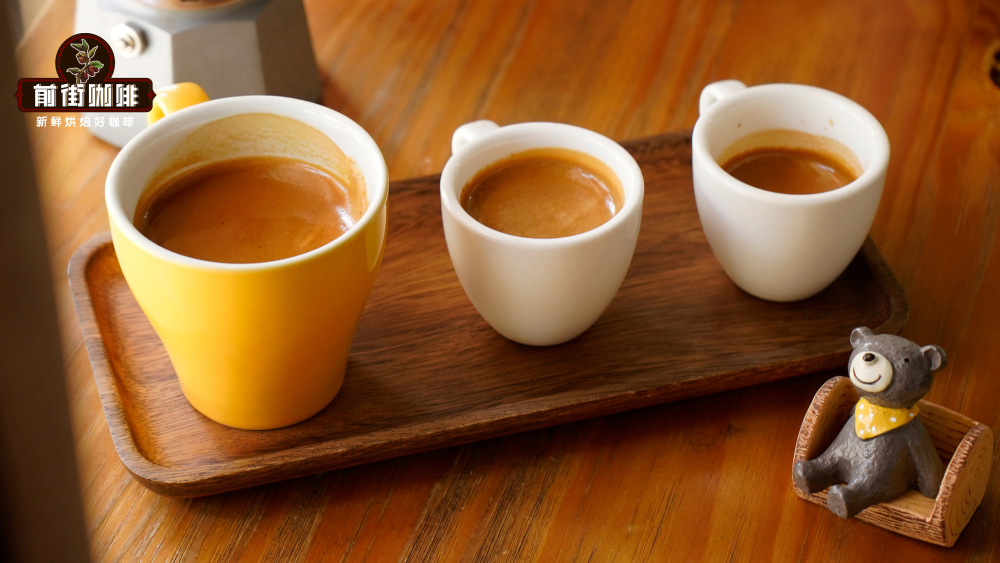
Flat White (Flat White)
Originating from Australia and New Zealand, Flat White uses a double shot of Espresso, with milk foam thinner and finer than Cappuccino, resulting in a smoother overall mouthfeel and more prominent coffee flavor. Attention should be paid to the position of the steam wand to create fine, airless milk foam, typically using a 300-milliliter steel pitcher for 150 milliliters of milk.
Babyccino (Babyccino)
Babyccino is a non-coffee drink designed specifically for children, consisting only of steamed milk and milk foam, often sprinkled with cocoa powder for fun. The milk foam is heated to a lower degree, making it suitable for kids.
Latte (Latte)
Latte uses a single or double shot of Espresso, paired with a large amount of steamed milk and less milk foam, typically served in a 600-milliliter large cup. The milk foam is delicate and smooth, with an overall mild and silky mouthfeel, making it a popular choice for many as their first milk coffee.
Latte Macchiato (Latte Macchiato)
This drink involves pouring Espresso into a cup already filled with milk foam, creating a distinct layered effect, usually presented in a clear glass. The milk foam is aerated more to make it fluffier, suitable for those who enjoy watching the blending process of coffee and milk.
Macchiato (Macchiato)
Macchiato means "stained," referring to adding one or two spoonfuls of milk foam on top of a single shot of Espresso, forming a simple yet flavor-concentrated drink. It’s suitable for those who enjoy pure Espresso but want a slight variation.
Cortado (Cortado)
Cortado originates from Spain, meaning "cut," where a small amount of steamed milk is used to "neutralize" the strong flavor of Espresso, in a ratio of about 2/3 coffee to 1/3 milk—it’s a small portion but offers balanced flavor.
Affogato (Affogato)
Affogato combines Espresso with ice cream, typically pouring a double shot of Espresso directly over vanilla ice cream, creating a delightful contrast of hot and cold—a perfect combination of coffee and dessert.
Café au Lait (Café au Lait)
A French classic drink made by mixing drip coffee with heated milk, often using a French press to brew the coffee and gently heating the milk to about 65°C, offering a simple yet warm coffee experience.
Irish Coffee (Irish Coffee)
Irish Coffee combines Espresso, Irish whiskey, and fresh cream, making it a heartwarming drink with both whiskey and coffee aromas. It’s made by first brewing 100 milliliters of coffee with a French press, dissolving the whiskey and brown sugar together with gentle heat, then adding it to a tall glass, pouring in the coffee, and finally topping with lightly whipped fresh cream—avoid stirring to preserve the layered flavors.
The above content is compiled by CoffeeHunters, a coffee news website.


