







Introduction:As specialty coffee becomes more mainstream, SOE (Single Origin Espresso) has become the new favorite among many coffee enthusiasts. But do you know what the fundamental difference is between SOE and traditional blended beans? Which one tastes better actually depends on personal preference and brewing methods. This article delves into the origins and characteristics of SOE, compares it with blended beans, and provides practical home-brewing advice along with recommended roasting, grinding, and extraction parameters to help you better understand SOE flavors and how to choose beans.
As coffee culture gradually integrates into daily life, more and more consumers are no longer satisfied with generic commercial beans but are seeking a more nuanced and origin-specific coffee experience. Amid this trend, SOE (Single Origin Espresso) has gradually emerged as one of the signature drinks in many cafés, sparking a wave of enthusiasm for "single-origin flavor."
What exactly is the difference between SOE and traditional Italian-style blended beans (Blend)? In the past, during the era when specialty coffee was not yet popular, the beans used in espresso machines were mostly blends from two or more origins. The goal was to achieve a balanced taste and rich coffee aroma through the complementarity of beans from different regions. These blends were typically dark roasted to minimize the potentially sharp acidity or unstable flavors that a single origin might bring, resulting in a rich chocolate, caramel, and nutty profile with a thick crema and smooth mouthfeel.
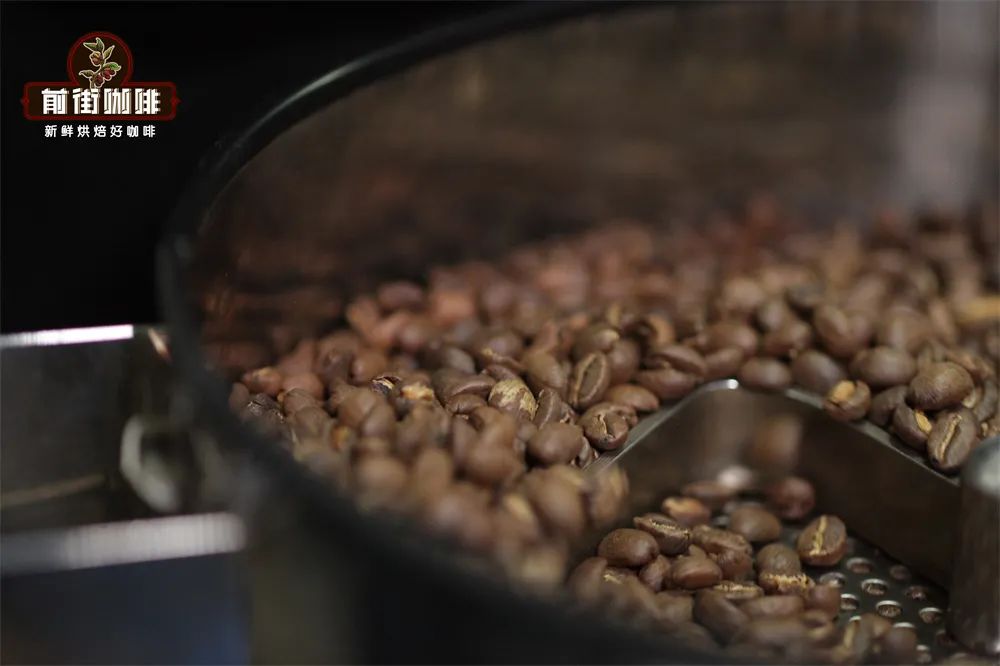
However, entering the 21st century, with the rise of the specialty coffee concept, roasters and baristas began to re-examine the uniqueness of coffee beans from various regions. They gradually discovered that lighter to medium roasts could more clearly highlight the origin characteristics of the beans—such as the citrus and berry acidity commonly found in African beans, or the nutty and chocolatey notes of Central and South American beans. This shift also allowed single-origin coffee, which was traditionally used mainly for pour over, French press, and other filter methods, to gradually expand into the espresso category. In the 2007 World Barista Championship (WBC), champion James Hoffmann made history by using single-origin beans for espresso extraction during the competition, helping to popularize SOE.
SOE refers to espresso made from coffee beans of a single origin and single batch. This "single origin" can be a country, region, cooperative, or even a specific estate or farm—as long as the beans come from the same harvest batch, they can be considered single-origin beans. For example, Ethiopia’s Yirgacheffe, Colombia’s Huila, or Brazil’s Cerrado are common single-origin regions. These regions, due to differences in climate, soil, and processing methods, produce distinctly unique flavor profiles.
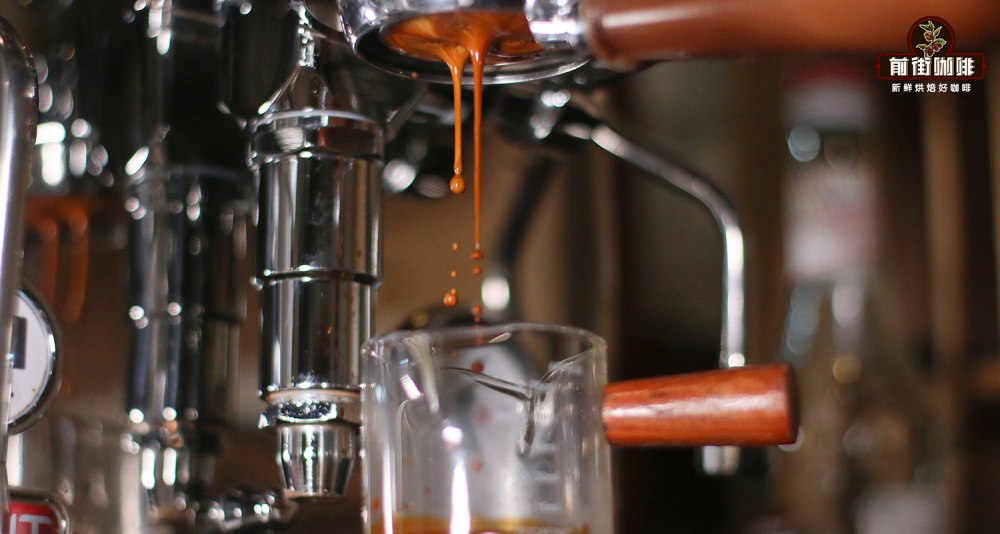
So why are SOEs at some cafés more expensive than regular blends? In fact, SOE does not necessarily mean absolute high quality, but rather emphasizes "unique flavor and clear traceability." Since single-origin beans usually have distinct flavor characteristics, roasters need to control the roast level more carefully—over-roasting can easily erase delicate fruit acids and floral notes, while under-roasting may lead to under-extraction, resulting in sourness and thinness. Therefore, SOEs are often roasted lighter than traditional blends and aim to showcase the "terroir" of the origin, such as the citrus notes and blueberry-like acidity of Yirgacheffe, or the caramel sweetness of Brazilian beans.
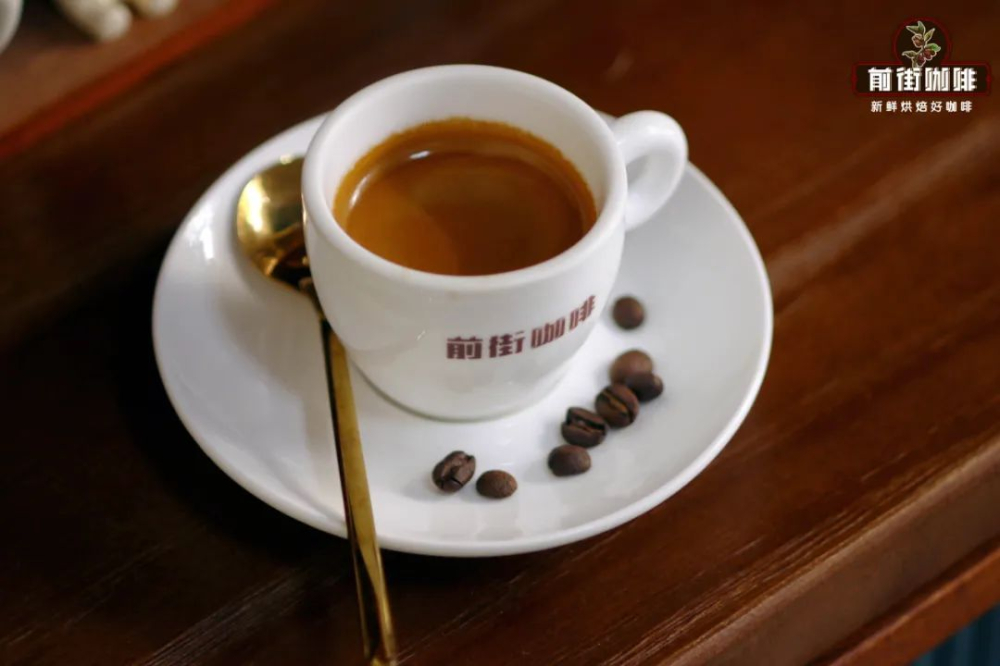
On the other hand, blends are generally aimed at achieving balanced and consistent flavors, often using dark roasts to bring out rich caramel, dark chocolate, and nutty aromas, which suit the general public’s taste. SOE, however, challenges the individuality and expressiveness of flavors, placing higher demands on both the barista’s extraction skills and the roaster’s bean handling capabilities. Additionally, since single-origin beans often come from high-altitude or meticulously processed estates, their green bean costs are relatively higher, which is another reason for the elevated price of SOEs.
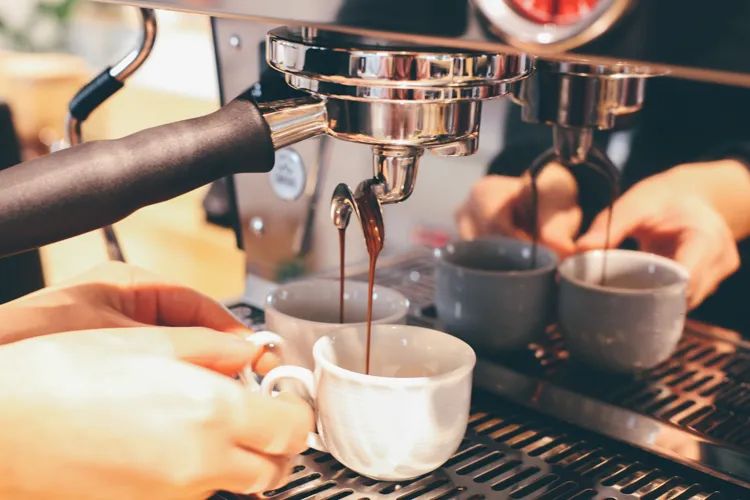
If you want to try making SOE at home, it’s recommended to start with medium-dark roasted or distinctly flavored single-origin beans, such as the chocolate and hazelnut notes of Brazilian beans, or the tropical fruit aromas commonly found in Costa Rica’s honey-processed beans. These types of beans can showcase single-origin characteristics without being overly bright or acidic to the point of being unapproachable. In addition, freshness is extremely important—choose beans roasted within 5–14 days for optimal flavor performance.
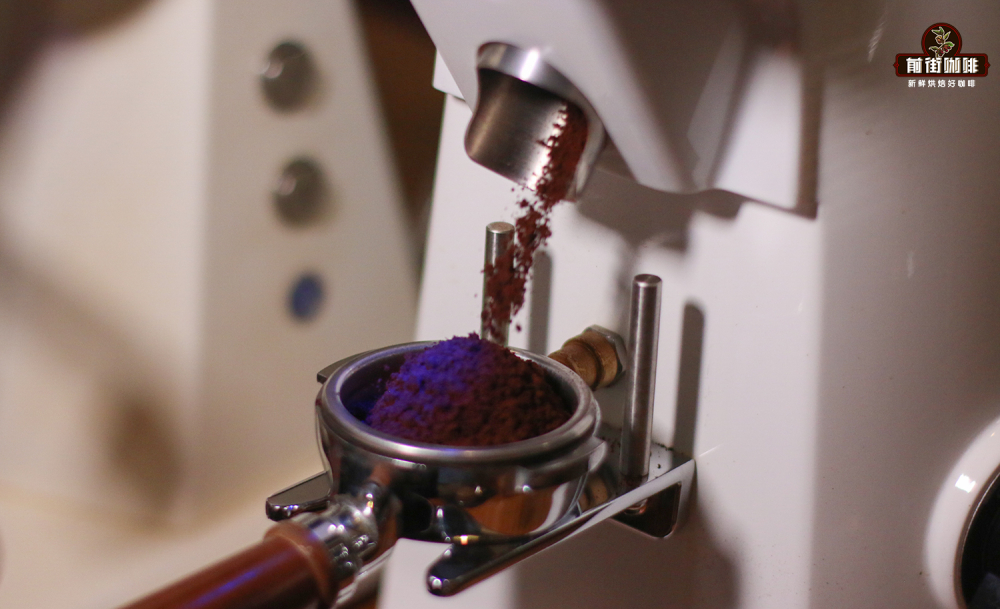
It’s worth noting that light-roasted SOEs, due to their harder bean texture, may not easily release flavor compounds. It’s recommended to adjust extraction parameters appropriately: you can slightly increase the water temperature (around 92–94°C), extend the extraction time, or make the grind finer and slightly increase the dose to improve extraction yield. But at the same time, avoid over-extraction, which can lead to bitterness. Since espresso machine grinds are extremely fine, adjustments should be made cautiously. It’s advisable to record each set of parameters and corresponding flavor feedback to gradually find the combination that best suits your taste.
The above content is compiled by CoffeeHunters, a coffee news website.


