








Introduction:Want to explore the diverse flavors of Colombian coffee? From bright fruitiness to rich chocolatey finishes, this guide will take you deep into the characteristics of four popular medium-roast specialty beans, and provide practical pour-over parameters and steps to help you easily extract a well-balanced, layered cup with vibrant acidity and sweetness. Whether you're a beginner or a coffee enthusiast chasing nuanced flavors, you’ll find inspiration and techniques here.
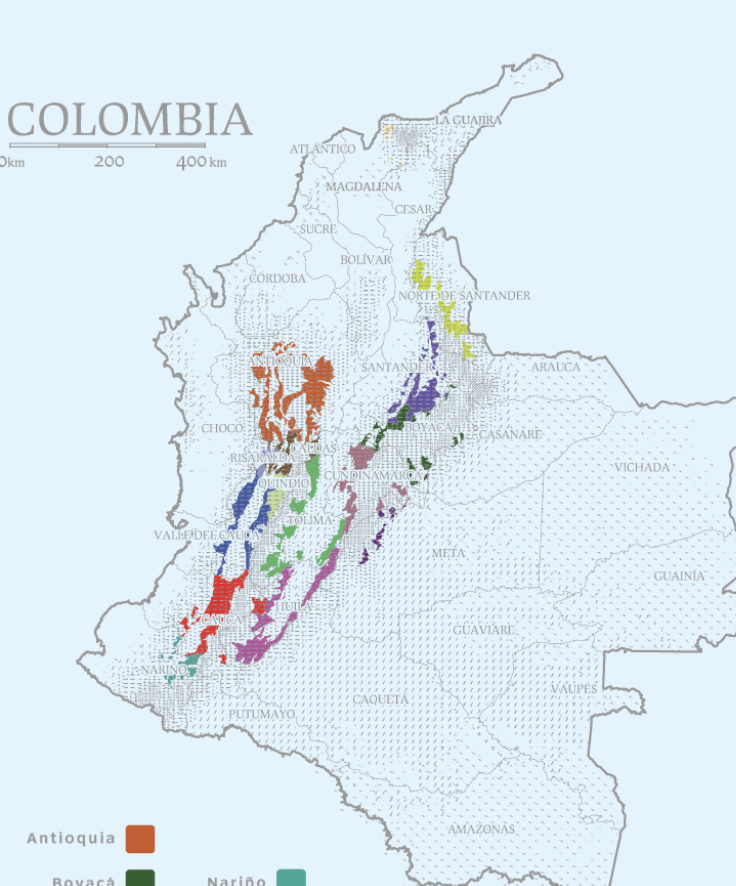
Colombian coffee is renowned for its varied flavor profiles, ranging from refreshing citrus and berry notes to deep caramel and chocolate undertones, each showcasing unique regional characteristics. Especially since the 2008 volcanic eruption in Huila, the region’s fertile volcanic ash soil has allowed coffee plants to absorb richer mineral nutrients, turning southern regions like Huila, Nariño, and Cauca into emerging hubs for specialty coffee—known not only for their consistency but also for frequently standing out in international competitions.
These high-altitude coffee beans typically feature bright acidity, rich fruity aromas, and a good balance of sweetness, making them particularly well-suited to medium roasting. This roast level preserves clear flavor layers while highlighting a rounded, full-bodied base. This article will focus on four highly representative medium-roast Colombian specialty beans, analyzing their unique regional flavor profiles, and detailing how to bring out each bean’s most captivating characteristics through pour-over brewing techniques.

First up is a bean from Huila Province, grown at altitudes of 1500–1800 meters, using the Caturra variety and the washed processing method. The washed process gives this bean a clean and transparent mouthfeel, with soft acidity, distinct berry notes, and a finish of nuts, dark chocolate, and caramel—making it an excellent choice for beginners wanting to experience classic Colombian flavors.Recommended grind size is similar to white sugar (approximately 75% passing through a Chinese No. 20 sieve), which fully releases the soluble flavor compounds of medium-roast beans.
The second bean is also from Huila, grown at 1800 meters, of the Caturra variety, but processed using anaerobic natural (anaerobic sun-dried) method. This processing method, through controlled temperature and humidity fermentation, deepens the integration of fruitiness and sweetness, often presenting intense strawberry wine or jam-like aromas, with a finish of smooth caramel and chocolate notes—suitable for those who enjoy sweet and rich flavors.
The third bean comes from the Boundary Line Estate in Huila, grown at 1700 meters altitude, of the Sidra variety, and processed with double anaerobic natural method. The most notable characteristic of this bean is its layered and intense fruitiness—bursting with the tart-sweetness of passionfruit and grape, accompanied by the dense sweetness of dried fruit and the lively acidity reminiscent of oranges, finishing with a soft almond note. Overall, it’s an expressive and beloved choice among many coffee lovers, often repurchased repeatedly.
Finally, we introduce the “Cherry Blossom Coffee Bean” from the Paradise Estate in Cauca Province, grown at 2050 meters altitude, of the Castillo variety, using double anaerobic washed processing. The high altitude gives this bean bright acidity and complexity, with flavor notes that include natural scents of mugwort and berries, along with subtle hints of spice and strawberry jam. The overall profile is delicate and dynamic, perfect for coffee explorers interested in trying unique processing methods.
Now that you’ve learned about these four uniquely flavored medium-roast Colombian specialty beans, let’s take a look at how to fully showcase their charm through pour-over brewing. Preparation includes: freshly roasted coffee beans (recommended for use within 5 days of roasting), a coffee grinder, V60 filter cone and paper, a pour-over kettle, thermometer, timer and scale, filtered water, a server, and an electric kettle.
Step one: Fold the filter paper and place it in the V60 cone, then rinse it evenly with hot water. This removes any paper odors and preheats your equipment, enhancing extraction stability. Step two: Weigh15 grams of coffee beans, and grind them to a medium-coarse consistency, similar to white sugar, to facilitate flavor release from the medium-roast beans. Step three: Pour the ground coffee into the filter cone and gently shake it flat. Step four: Heat the water to 90–91°C. This temperature range helps balance acidity and sweetness, avoiding over-extraction or overly sharp flavors.
Step five: Start with a bloom phase by pouring double the coffee weight in water (around 30 grams) and let it sit for about 30 seconds to allow the coffee grounds to degas and release aroma. Then, pour water in small streams in a circular motion from the center outward. When the total water volume reaches 125 grams, pause briefly and wait for the coffee bed to settle to the middle of the cone. Continue pouring until you reach a total of225 grams, keeping the overall extraction time around 2 minutes. Step six: After extraction, gently swirl the coffee in the server to ensure even flavor integration, then pour into a preheated cup—enjoy a Colombian pour-over with rich layers and balanced acidity and sweetness. Adjust the flavor to taste with a bit of sugar or milk if desired.
The above content is compiled by CoffeeHunters, a coffee news website.


