







Introduction:Jamaican Blue Mountain coffee is hailed as one of the world’s top-tier coffees, with its unique flavor profile and rare production volume captivating coffee enthusiasts globally. This article will delve into the growing environment and microclimatic conditions of Blue Mountain coffee, explore the origins of its classic flavors, and reveal the reasons behind its high price. Additionally, it provides methods for authenticating Blue Mountain coffee, pour over recommendations, and optimal brewing parameters to help you master the essence of Blue Mountain coffee from selection to brewing.
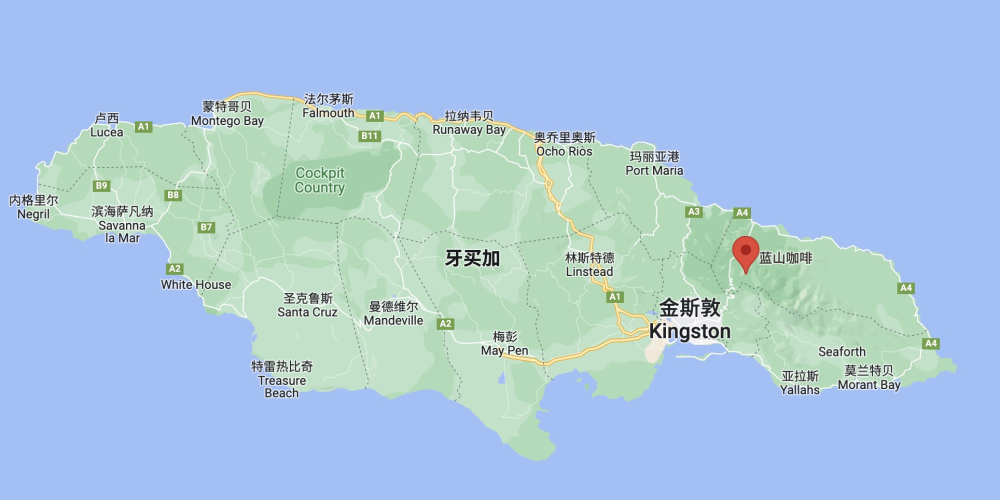
Jamaican Blue Mountain coffee is a globally recognized representation of high-quality coffee, grown in the Blue Mountains of Jamaica, a Caribbean island nation. This mountainous region, located on the northeastern side of the island, features high altitudes, cool and foggy climates, and fertile volcanic soils—offering nearly perfect growing conditions for Typica variety coffee trees.
Blue Mountain coffee is primarily cultivated at elevations between 910 and 1700 meters, as areas above 1700 meters are designated as nature reserves. This altitude range combines cool and consistent temperatures with abundant rainfall, complemented by terraced planting and shade trees such as bananas and avocados, which help the coffee cherries ripen slowly and accumulate rich and balanced flavor compounds.
As a result, Blue Mountain coffee is highly praised for its balanced acidity, sweetness, and bitterness, clean mouthfeel, and distinct layering. Its flavor profile often features a rich dark cocoa tone, paired with gentle fruit acidity and a long-lasting aftertaste. The finish is round and impressive. Among them, the washed Blue Mountain coffee grown at around 1310 meters at Clifton Mount Estate (Blue Mountain™ Clifton Mount Estate) displays an even richer chocolate aroma and refined acidity when medium-dark roasted.
However, the price of Blue Mountain coffee has remained consistently high for several reasons. Firstly, the region’s steep terrain means coffee farms mostly rely on manually maintained terraces, making large-scale mechanization difficult and significantly increasing production costs. Secondly, Jamaica is located in a hurricane-prone area, and the impact of natural disasters on yield cannot be overlooked. In addition, the relatively high local labor costs, coupled with Japan’s long-standing priority purchasing rights, have resulted in extremely limited global supply of Blue Mountain coffee.
According to past data, in 1992, approximately 688 tons of Blue Mountain coffee were exported to Japan, compared to just 75 tons to the United States and 59 tons to the United Kingdom. Even today, up to 90% of Blue Mountain coffee still enters the Japanese market, with less than 10% allocated to other global markets, creating a situation of high demand and limited supply. Although Japan no longer holds priority purchasing rights after 2012, Blue Mountain coffee production has still not seen significant increases, and its price remains consistently high-end.
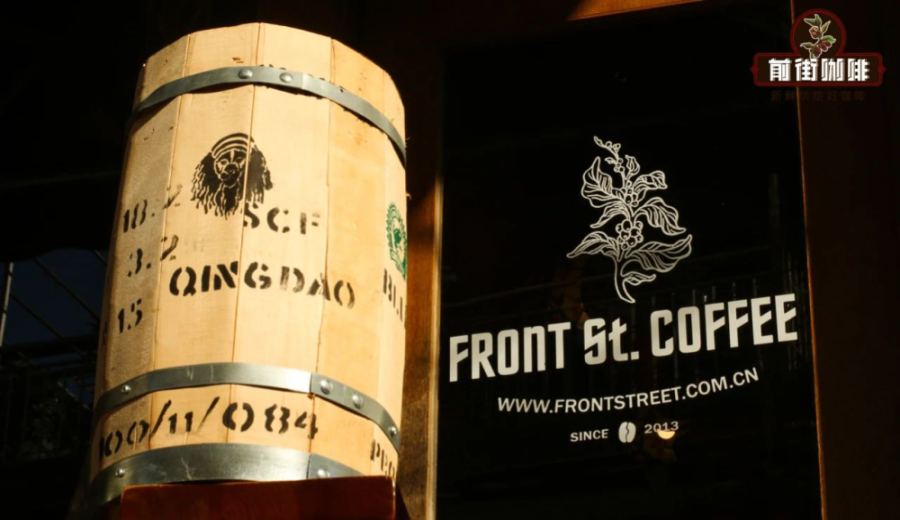
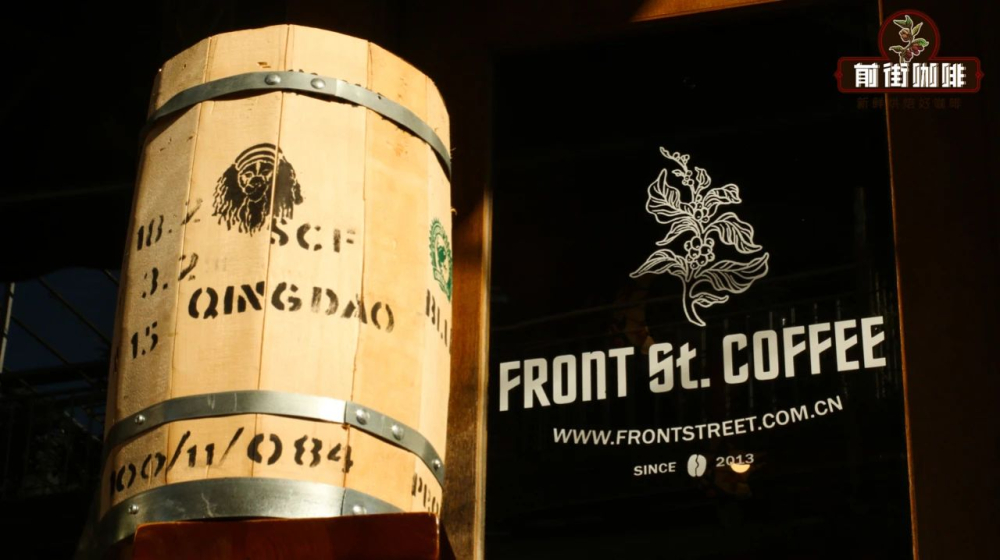
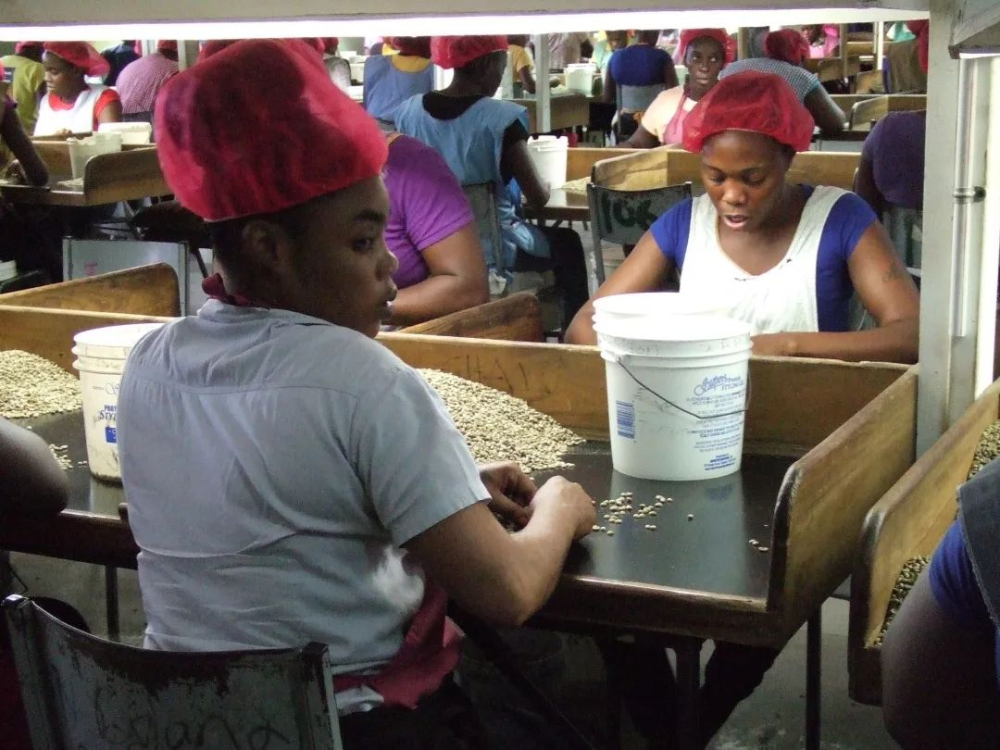
Furthermore, post-harvest processing of Blue Mountain coffee is extremely meticulous, with every step—from hand-picking, washed fermentation, sun-drying, hulling and selection, to the final roasting stage—requiring strict quality control. Green bean packaging also uses distinctive traditional wooden barrels, with exports only available in three capacity specifications: 15 kg, 30 kg, and 70 kg. This practice not only helps maintain green bean quality but has also become one of the symbols of Blue Mountain coffee’s authenticity.
It’s worth noting that all exported Blue Mountain coffee must obtain a quality certification issued by the Jamaica Coffee Industry Board (CIB). This organization samples each batch of coffee, personally roasts, grinds, and cup tests it to ensure it meets strict Blue Mountain standards before allowing export. This quality control mechanism makes Blue Mountain coffee one of the few coffees in the world with official certification guarantees.
If you wish to purchase authentic Blue Mountain coffee, there are several simple ways to identify its genuineness. First, observe the packaging—real Blue Mountain coffee is typically exported in complete wooden barrels, not the burlap sacks commonly used for regular coffee. If you see bulk retail products claiming to be Blue Mountain, you should be cautious. Second, check for official certification documents provided by Jamaica’s CIB or the producing estate, which serve as important proof of the coffee’s origin. Additionally, you can examine the appearance of roasted beans—Blue Mountain No. 1 roasted beans are usually plump, uniformly sized, and have an extremely low proportion of defective beans.
Currently, almost all legally circulating Blue Mountain coffee on the market belongs to the Blue Mountain No. 1 grade. Even in places like Taiwan or Hong Kong, the authentic products available are mostly of this grade, accompanied by relevant official documents verifying their origin and quality. Some physical stores even display government-approved wooden barrels and origin certificates for consumers to verify on-site.
To enjoy the classic flavors of Blue Mountain coffee, choosing the right beans is essential, but brewing method is equally crucial. To highlight the rich, nutty, and chocolatey characteristics of Blue Mountain coffee, a medium-dark roast is recommended, with a slightly deeper roast curve being ideal to better enhance its dark cocoa aroma layers.
For brewing, it is recommended to use a KONO filter cone for pour over. This filter cone design creates an immersion-like extraction effect through the tight fit between the filter paper and the cone wall, resulting in a more concentrated coffee strength. To avoid over-extraction and bitterness, it’s advisable to use slightly lower water temperature and coarser grind size. Specifically, you can use water at 88°C, a 1:15 coffee-to-water ratio, about 15 grams of coffee grounds, with a grind size of around 70–75% passing through a 20-mesh sieve.
During actual brewing, it is recommended to start with a 30-second bloom using 30 grams of water to activate the aroma of the coffee grounds. Then, pour water in small circles up to 125 grams, wait until the bed level drops halfway, and continue pouring up to 225 grams. Keep the total extraction time around 2 minutes and 10 seconds to fully showcase the richness and fine balance of Blue Mountain coffee.
After brewing, Blue Mountain coffee will present a prominent profile of rich nuts and dark chocolate, with a full and smooth mouthfeel, a sweet and refreshing finish—a classic coffee that invites careful savoring. Whether you’re a coffee novice or a seasoned connoisseur, Blue Mountain coffee offers an unforgettable flavor journey.
The above content is compiled by CoffeeHunters, a coffee news website.


